Highlights of the BMC Series – May 2026
Published in Healthcare & Nursing, Ecology & Evolution, and Biomedical Research






BMC Ecology and Evolution- Honu Count: how shell-etchings, participatory science, and a novel online survey are improving assessments of the Hawaiian Green sea turtle (Chelonia mydas) population

Sea turtles are a threatened species, and researchers are constantly working in assessing threats and defining future directions to support conservation strategies. In this regard, identifying key habitats and understanding connections between foraging and nesting areas are vital.
Data on movement and habitat use are usually obtained by satellite telemetry and capture-mark-recapture, however these methods are costly and can interfere with the animal’s normal life.
Compared to other green sea turtles, the honu population in Hawaii exhibits unique basking behavior that facilitates their observation. They often visit the beach, and this time is not limited only to nest or daylight as in other green sea turtles.
The Honu Count Participatory Science Project was launched in 2017 with the aim to involve the public in reporting sightings of marked turtles, using hotline and email address. This then evolved in a more efficient online platform called The Honu Count Sighting Survey (HCSS), designed to streamline reporting. With the introduction of the HCSS the reporting volume increases from about 435 reports per year to 1227 reports, with also an increase of reports with usable GPS data from 23% pre-HCSS to 95% post-HCSS. Also, the online platform allowed for observation of behavioral factors that were not previously recorded, such as basking, foraging, and swimming.
Although reporting patterns could be potentially influenced by accessibility and tourism, the HCSS show the great values of participatory science in generating high-quality ecological data, improving conservation outcomes, and fostering community engagement. Ultimately, involving the public in recording and reporting sightings of individual turtles provides an effective and cost-efficient approach that warrants further exploration.
BMC Pediatrics-Effective strategies to reduce pain and anxiety in infants during routine needle-related medical procedures

Children start undergoing to needle-related procedure early in life when they are infants as result of the vaccination program and genetic screening. For years the effect of the stress and pain of this procedure was overlooked, due to the wrong belief that the infants could not really perceive the pain. The modern pediatric care focuses on approaches aimed to reduce infant pain and distress, avoiding their negative impact in the short and long term.
The study, based in Sweden, aims to describe practices to decrease pain and anxiety for infants undergoing needle-related procedures in routine care, such as the phenylketonuria screening and first vaccinations, combining qualitative interviews and quantitative observations involving healthcare professionals, parents and their newborns. The study is framed within Kolcaba’s Comfort Theory, focusing on relief from discomfort, ease or calm, and transcendence, defined as the ability to rise above distress.
Parental support was central to reduce pain, and their involvement was encouraged by the health professionals. Breastfeeding before, during, and after the injection shows to reduces crying and pain scores. Clear information about the procedure and tailored guidance helped to reduce parental anxiety and at the same time improve infant calmness, as infants pick up on their parents’ emotional state. Ultimately, a positive perception of the procedure and an easy to sooth baby were considered indicators of success.
The research highlights the importance of proper preparation of parents and wider use of non-pharmacological strategies to support infants during routine procedures, which should be consistently implemented in clinical practice.
BMC Nutrition- Changes in food literacy following a one-week experiential culinary education intervention in school-age children

Food literacy refers to the capability to make informed food choices and understand any potential health impact. This is a skill that should be developed from childhood, as it builds the foundation for a healthy life, with a reduced chance of developing chronic conditions such as obesity and diabetes in adulthood.
Children between 8 and 12 years old are an ideal target for food literacy, as they are developmentally ready to learn through hands-on activities. Despite the existence of community initiatives focused on food literacy, these often have limitations, such as a lack of practical cooking experience.
This study aims to evaluate changes in food literacy skills among school-age children, following participation in a one-week experiential culinary education intervention at the University of Ottawa Gee-Gee’s Culinary Summer Camp.
The final population consisted of 85 parent–child dyads, and the intervention included one-week workshops with hands-on cooking sessions. These sessions focused on nutrition, food safety education, cultural food exploration, discussions of food origins, food waste education, and food myths versus reality. The research was grounded in Experiential Learning Theory, which promotes hands-on learning, and Slater’s food literacy framework, which outlines key functional, relational, and systems competencies adapted for children. The primary outcome was the change in observed food literacy skills collected during cooking sessions at the start and end of the intervention. The findings show an improvement in food literacy across the different domains, including practical skills, confidence, autonomy and collaboration.
This research highlights the value of culinary programs based on practical experiences as effective strategies to enhance food literacy in school-aged children, adding an important contribution to the limited literature around this topic.
BMC Primary Care-There is never any rest, never enough time and too much to do”: a qualitative study of GP work intensity in an Irish context

Globally, the general practice is under pressure, with a raising demand of primary care not covered by enough medical doctors (General practitioners (GPs)). The health systems are struggling to attract new GPs and keep the ones they already have. Ireland is not an exception to this scenario, with one quarter of GPs over 60 years old and an overall ageing population that leads to an increase in chronic illness among patients.
This qualitative study uses two semi-structured interviews and an 8-week instant messaging -based conversation with 20 GPs practicing in Ireland, to examine the components of GP work intensity. The study focuses on three major themes: sources of work intensity, the impact of work intensity on GP wellbeing, and ways to address it.
The work intensity mainly derives from the high workload, with GPs often working at maximum capacity. GPs are compelled to work extra hours due to an expanded scope of care and more chronic diseases that require longer consultations and bring to more paperwork. Many GPs report to feel always very tired and isolated from colleagues. GPs also refer to having no time to care for their physical or mental health, and overall experience a poor work-life balance. Work intensity was associated with increases stress level and risk of burnout. Something can be done at practice-level to address work intensity, including limiting the size of patient list, defined breaks and time allocated for administrative duties. However, these measures could be limited by financial constraints or resource availability.
The findings highlight the key factors driving poor GP wellbeing based on experience of GP in Ireland, which reflect national trends. Actions need to be taken at system level, with the implementation of policies aimed at improving GP working conditions and the overall sustainability of primary care.
BMC Nephrology- Images in Nephrology: announcing the winners of the 2025 BMC Nephrology image competition
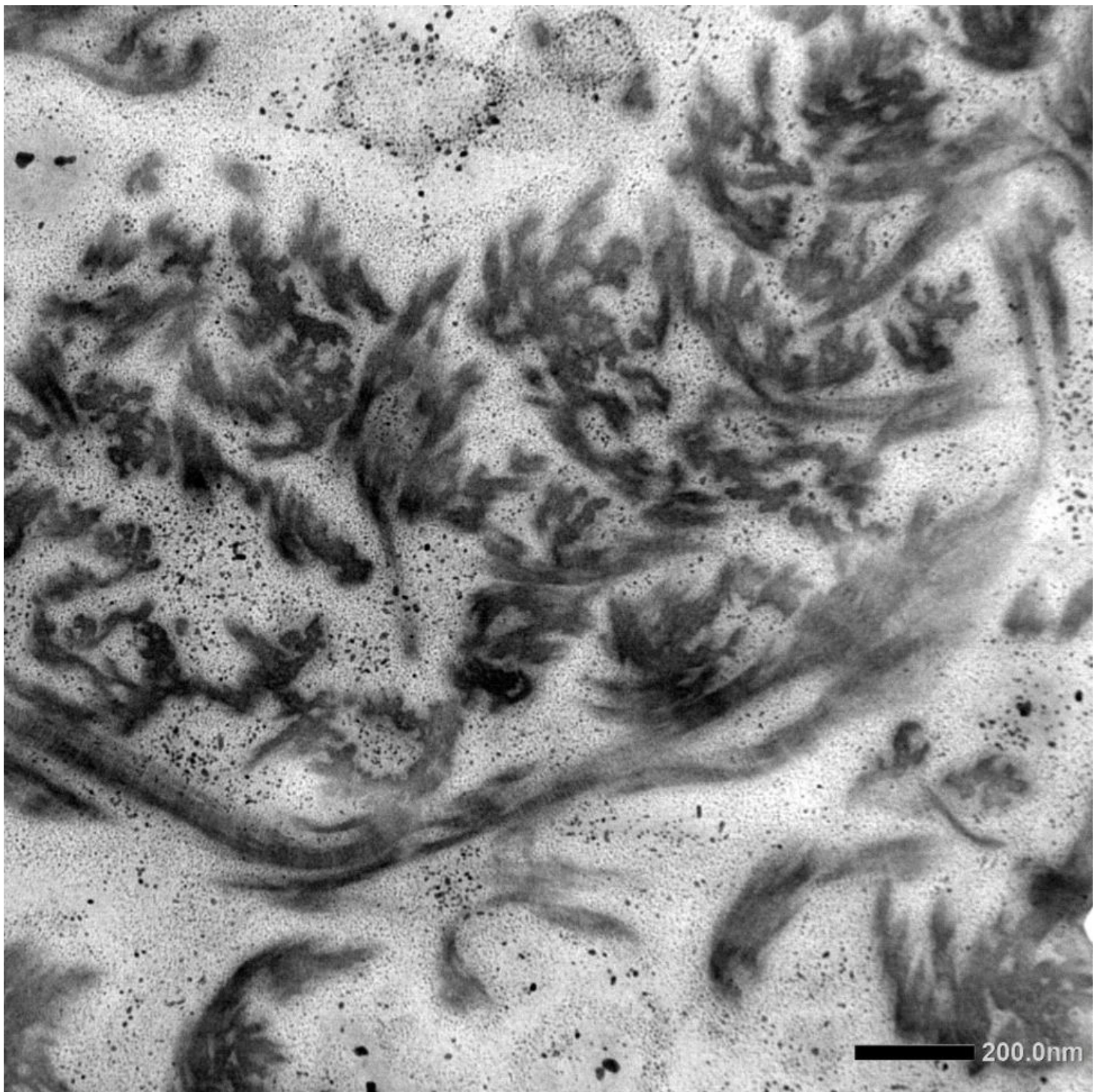
Nephrology is often considered a difficult specialty, not only because of its physiological complexity but also because of the images associated with it, which often include abstract images that are challenging to interpret.
BMC Nephrology launched an image competition in September 2025, where all accepted manuscripts entered the competition and their images were reviewed and scored by the Guest Editors of the collection and Lead Editor of the journal. The winners received APC waivers for their submissions. The images were evaluated based on pre-defined criteria including alignment with the scope of the journal, image quality and originality, as well as the specific clinical case. This collection brings attention not only to nephrology as a discipline rich in complexity and visual interest, but also to the individuals behind it, as each image represents the unique story of a patient.
The first place was assigned to “The Glomerulus in Bloom”, featuring an electron microscopy image of collagenofibrotic glomerulopathy in a 71-year-old patient with chronic kidney disease and nephrotic-range proteinuria. The second place was assigned to an electron microscopy of proximal tubular cells with clear-appearing vacuoles corresponding to distended lysosomes, from a 49-year-old patient with a history of hypertension, type 2 diabetes mellitus and obesity. Finally, the third place describes a case of kidney stone in a 31‑year‑old woman with primary hyperoxaluria, showing two urine microscopy images.
This initiative aims to reshape the perception of nephrology, highlighting its beauty and variety of clinical cases, including electron microscopy images of biopsies representing interventional approaches, but also images that are part of non-interventional domains of nephrology such as urine microscopy.
I warmly recommend reading the full editorial to learn more about the winners of the competition.

Follow the Topic
-
BMC Primary Care
Previously known as BMC Family Practice, this is an open access, peer-reviewed journal that considers articles on all aspects of primary health care research.
-
BMC Nutrition
BMC Nutrition is an open access, peer-reviewed journal that considers articles on all aspects of nutritional sciences.
-
BMC Nephrology
This is an open access journal publishing original peer-reviewed research articles in all aspects of the prevention, diagnosis and management of kidney and associated disorders, as well as related molecular genetics, pathophysiology, and epidemiology.
-
BMC Pediatrics
This is an open access journal publishing peer-reviewed research articles in all aspects of health care in neonates, children and adolescents, as well as related molecular genetics, pathophysiology, and epidemiology.
-
BMC Ecology and Evolution
An open access, peer-reviewed journal interested in all aspects of ecological and evolutionary biology.





Related Collections
With Collections, you can get published faster and increase your visibility.
Evolution of disease: From pathogens to proliferating cells
Evolution of disease: From pathogens to proliferating cells is a special Collection that explores how evolutionary processes shape health and disease—from infectious microbes to cancerous cells. We invite research within the discipline of evolutionary medicine that examine how forces such as natural selection, genetic drift, host-pathogen coevolution, and environmental change contribute to disease susceptibility, resistance, and progression. We welcome submissions that deepen our understanding of disease as a dynamic outcome of evolutionary interactions.
Topics of research may include but are not limited to research which uses evolutionary principles to understand:
1. Pathogen evolution, resistance, and host interactions
•
The evolution of antibiotic, antiviral, antifungal, and antiparasitic resistance
•
Mechanisms of immune evasion, persistence, and transmission
•
Experimental evolution and molecular insights into pathogen adaptation
•
Host-pathogen coevolution and the impacts of medical or environmental interventions
•
Comparative host-pathogen dynamics across species
2. Evolutionary mismatch and modern disease
•
Evolutionary insights into metabolic disorders, autoimmune conditions and cancer
•
When a previously advantageous trait becomes maladaptive due to change in the environment
3. Evolution of cancer
•
Evolutionary and ecological models of cancer progression and resistance
•
Comparative oncology: insights from cancer-resistant and long-lived species
•
Somatic evolution, immune escape, and tumor heterogeneity
4. Genetic variation, adaptation, and disease susceptibility
•
Adaptive and maladaptive genetic variants in human and animal populations
•
Pleiotropy and trade-offs in immune function, metabolism, and reproduction
•
Population genetics, admixture, and the evolutionary roots of health inequality
5. Microbiome evolution and host symbiosis
•
Coevolution and community ecology of host-associated microbiota
•
Functional evolution in microbial genomes and implications for host health
•
Microbiome shifts due to modern environments, drugs, or host genetic factors
6. Viral evolution and endogenous elements
•
Evolutionary arms races between hosts and viruses
•
Evolution and function of endogenous viral elements in animal genomes
•
Phylogenomic approaches to uncover ancient viral influences on host evolution
7. Experimental and computational approaches
•
Experimental evolution in microbial or model systems
•
Genomics, phylogenomics, and systems biology in disease evolution
•
Machine learning and AI in evolutionary medicine research
Publishing Model: Open Access
Deadline: Dec 04, 2026
Nighttime ecology and evolutionary adaptations to low-light environments
BMC Ecology and Evolution welcomes submissions of research exploring the remarkable adaptations and ecological dynamics that enable life to flourish in the dark and low light environments. Contributions will explore evolutionary adaptations such as sensory specialization (e.g., night vision, echolocation, bioluminescence, heat-sensitive pits, and specialized hairs) that allow organisms to navigate, forage, and communicate in low-light conditions from caves to the deep sea. The collection will also investigate behavioral and physiological mechanisms, including circadian rhythm adjustments and predator-prey interactions, that are essential for survival in nocturnal niches.
Submissions on the impact of anthropogenic influences, such as light pollution, on nocturnal ecosystems and biodiversity are encouraged. The Collection also welcomes research on nighttime bioacoustics and soundscapes, examining how sound is used to adapt to and shape nocturnal environments. Contributions discussing the role of citizen science in advancing our understanding of nighttime ecology are also encouraged.
Publishing Model: Open Access
Deadline: Nov 20, 2026