Highlights of the BMC Series - [November] [2025]
Published in Healthcare & Nursing, Microbiology, and Genetics & Genomics

![Highlights of the BMC Series - [November] [2025]](/cdn-cgi/image/metadata=copyright,fit=scale-down,format=auto,quality=95/https://public-storage.zapnito.com/KJ23Dfoa3_d_8zJVbC4yDwSwHhfW3QLkuym1nU3dhMU)
BMC Plastic and Reconstructive Surgery - The systemic adverse effects of endoscopic thoracic sympathectomy are underrecognized: a questionnaire-based study
Endoscopic thoracic sympathectomy (ETS) is widely used to treat excessive sweating and facial blushing—but how well do we understand its full systemic impact?
A pioneering study in BMC Plastic and Reconstructive Surgery offers the first comprehensive assessment of ETS related adverse effects, challenging long standing assumptions. Using the validated Chang Gung Sympathetic Function Questionnaire, researchers compared adults who had undergone ETS with healthy controls and uncovered striking findings. Beyond the familiar issue of compensatory sweating—reported by more than 80% of patients—ETS was associated with broad disturbances affecting thermoregulation, vascular function, skin sensitivity, mood, cognition, and even gastrointestinal and urogenital health.

These results raise important questions: Are the systemic consequences of ETS more extensive than previously recognized? And should preoperative counseling better reflect these risks?
Overall, the study makes one message clear: ETS is far from a localized intervention. Its effects ripple across multiple organ systems, influencing daily functioning and quality of life. The authors highlight the need for more selective surgical approaches, stronger patient communication, and further research into alternative or reconstructive options.
BMC Infectious Diseases - Impact of long COVID phenotypes on quality of life following symptomatic omicron infection in Brazil: a machine learning analysis
Persistent or newly emerging symptoms after SARS CoV 2 infection—commonly referred to as long COVID—remain a major global health challenge, and their heterogeneity and impact on quality of life are still not fully understood.
A new study published in BMC Infectious Diseases provides one of the most detailed examinations to date of long COVID in adults recovering from Omicron infection in Brazil. Among 2,989 patients, 38.6% continued to report symptoms three months after infection.
To better understand these prolonged effects, the researchers used a machine learning clustering approach and identified three distinct long COVID phenotypes, each marked by different symptom patterns and levels of severity. Cluster 1 showed a moderate symptom burden with memory issues, concentration difficulties, and fatigue. Cluster 2 included fewer symptoms, dominated by fatigue and cough. Cluster 3 was the most severe, with high rates of fatigue (89.9%), memory loss (88.4%), and anxiety (64.6%), and the lowest HRQoL scores on the EQ 5D 3L index.
These findings raise important questions—why some individuals develop severe multisystem symptoms while others recover more smoothly, and whether early clinical indicators can help identify those at highest risk—while also underscoring the need to recognize long COVID heterogeneity and tailor follow up care to each symptom profile.
BMC Health Services Research - Integrating an occupational therapist into a primary health care team: a mixed-method evaluation of a home-based service delivery
Occupational therapy focuses on helping people engage in everyday activities by improving functional capacity, autonomy, and participation in real life environments, including at home.
A new study in BMC Health Services Research examines what happens when a primary care team integrates an occupational therapist (OT) into its home based care service for the first time. Using interviews, focus groups, and a 12 month review of patient records, the researchers found that adding an OT not only proved feasible but also strengthened team coordination, enhanced patient centered care, and broadened available home based interventions. Early challenges did arise, particularly around unclear professional roles and the lack of structured referral criteria.

Patient data revealed that those served were, on average, 88 years old with multiple chronic conditions, and nearly half had severe functional dependency. OTs most often performed risk assessments and home adaptation interventions, with the highest needs patients receiving the most extensive support.
These findings raise key questions about scaling this model—how teams can better define the OT’s role from the outset and what systems are needed to support consistent referrals and long term sustainability—while also showing that integrating an OT can significantly enrich home based primary care when supported by clearer structures and planning.
BMC Medical Genomics - RNA sequencing provides functional insights and diagnostic resolution in previously unsolved rare disease cases
For families facing rare diseases, even advanced genetic tests like exome or genome sequencing don’t always provide answers.
A new study in BMC Medical Genomics highlights how RNA sequencing (RNA seq) is beginning to bridge this diagnostic gap by revealing functional changes in gene expression and splicing that DNA testing alone cannot detect. Reviewing 30 previously unsolved cases from the Utah Penelope Program and the NIH Undiagnosed Diseases Network, the researchers found that RNA seq identified critical transcript level abnormalities—including exon skipping, cryptic splice site activation, and intron retention—that clarified the pathogenicity of hard to interpret variants.
They also showed that RNA seq can illuminate X inactivation patterns and dosage effects, helping confirm the clinical impact of copy number variants. In multiple cases, this functional evidence led to the reclassification of variants of uncertain significance, bringing long awaited diagnostic resolution.

This raises important questions: How many more unsolved rare disease cases could be resolved if RNA seq became standard practice? And should clinicians be using transcriptomics earlier—especially when DNA results are inconclusive?
The study’s message is clear: integrating RNA seq into clinical workflows doesn’t just add data; it adds clarity. By revealing the molecular consequences of variants, RNA seq has the power to reshape rare disease diagnostics and support more precise genetic counseling and care.
BMC Women's Health - Intravaginal boric acid treatment for recurrent bacterial vaginosis: short-term effects on vaginal health parameters and patient satisfaction
Recurrent bacterial vaginosis (BV) is a stubborn and frustrating condition for many women, especially when standard treatments like metronidazole or clindamycin fail to stop symptoms from returning.
A new study in BMC Women’s Health takes a closer look at an alternative therapy: intravaginal boric acid, used daily for 14 days in women who had experienced at least three BV episodes in the past year.
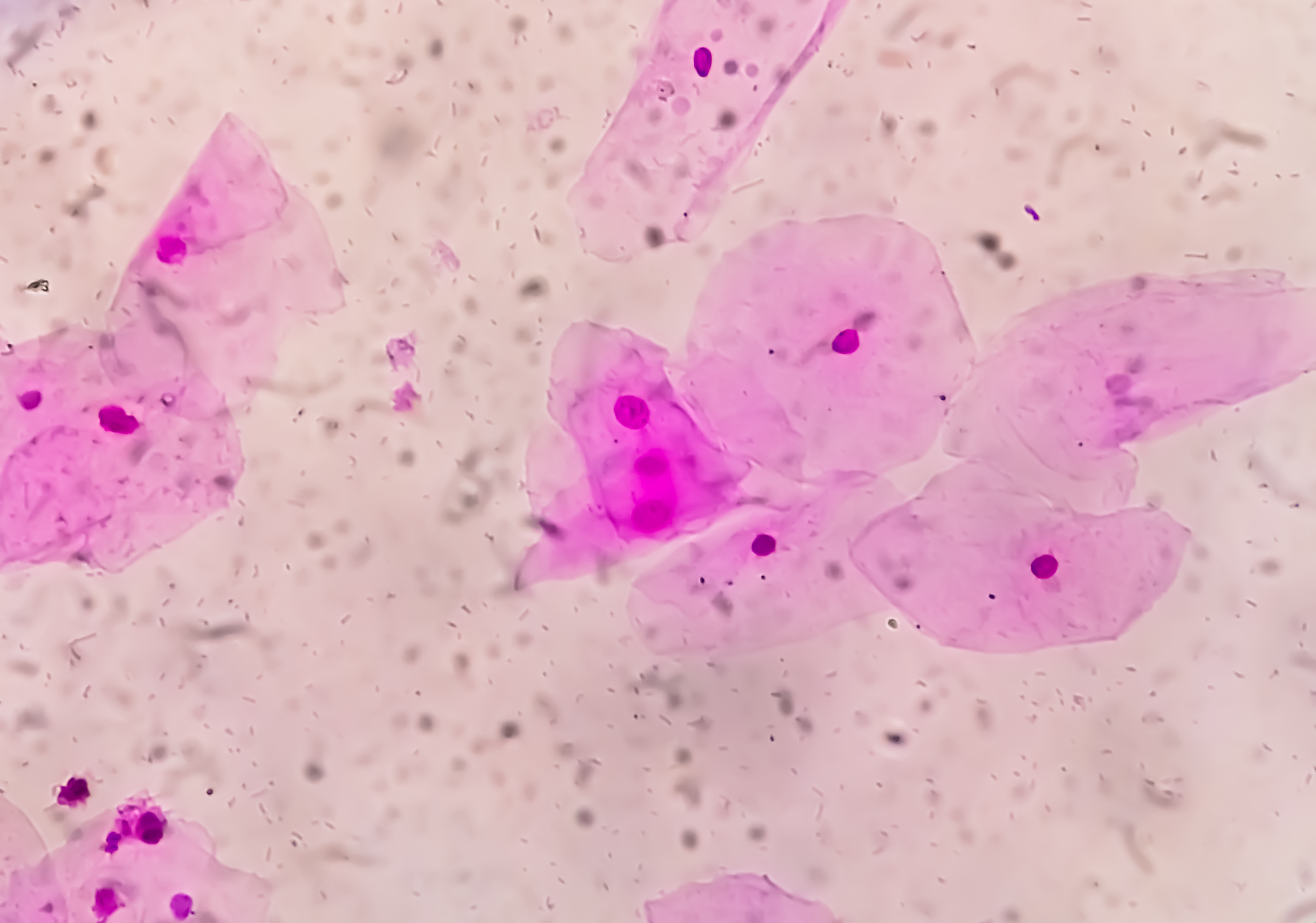
The researchers analyzed the records of 52 women treated between 2022 and 2023 and found striking short term improvements. Nugent scores—a key indicator of BV—fell sharply from 7.8 to 3.1, while the proportion of clue cells dropped from 68.4% to just 8.3%. The Vaginal Health Index improved dramatically, and women also reported better sexual experiences and significantly reduced sexual distress. Vaginal odor, one of the most bothersome symptoms, plummeted from 92.3% to only 1.9%.
This naturally raises some questions: Could boric acid be a reliable option for women trapped in cycles of recurrence? And should clinicians consider it earlier when conventional therapies fail?
Although results are encouraging, the authors caution that the study’s retrospective design and short follow up mean more research is needed before drawing firm conclusions. Still, the findings offer hope for women seeking better BV solutions.
Although results are encouraging, the authors caution that the study’s retrospective design and short follow up mean more research is needed before drawing firm conclusions. Still, the findings offer hope for women seeking better BV solutions.
Follow the Topic
-
BMC Infectious Diseases
This journal is an open access, peer-reviewed journal that considers articles on all aspects of the prevention, diagnosis and management of infectious and sexually transmitted diseases in humans, as well as related molecular genetics, pathophysiology, and epidemiology.
-
BMC Health Services Research
An open access, peer-reviewed journal that considers articles on all aspects of health services research, focusing on digital health, governance, policy, system quality and safety, delivery and access, financing and economics, implementing reform, and the workforce.
-
BMC Women's Health
This is an open access, peer-reviewed journal that considers articles on all aspects of the health and wellbeing of adolescent girls and women, with a particular focus on the physical, mental, and emotional health of women in developed and developing nations.
-
BMC Medical Genomics
An open access journal publishing original peer-reviewed research articles in all aspects of functional genetics and genomics, genome structure, genome-scale population genetics, epigenetics and epigenomics, proteomics, systems analysis, and pharmacogenomics in relation to human health and disease.
-
BMC Plastic and Reconstructive Surgery
BMC Plastic and Reconstructive Surgery is an open access, peer-reviewed journal publishing research in all areas of plastic and reconstructive surgery, including clinical, translational and basic science research.





Related Collections
With Collections, you can get published faster and increase your visibility.
Personalized medicine in infectious diseases
BMC Infectious Diseases invites submissions for a Collection on Personalized medicine in infectious diseases.
The field of personalized medicine is rapidly advancing, particularly among infectious diseases, where the traditional ‘one-size-fits-all’ treatment approaches are increasingly inadequate. As our understanding of the genetic, environmental, and lifestyle factors influencing disease susceptibility and treatment response grows, this Collection aims to explore innovative strategies and technologies that can enhance the application of personalized medicine in combating infections.
Recent advancements in genomics, pharmacogenomics, and bioinformatics are transforming the application of personalized approaches for infectious diseases. These developments have enabled the identification of specific biomarkers that inform individualized treatment strategies, improving patient outcomes and minimizing adverse effects. In parallel, advances in molecular diagnostics and tailored antimicrobial therapies offer new opportunities to address the escalating challenge of antimicrobial resistance.
Improved understanding of host-pathogen interactions and the genetic determinants of infections may support the development of targeted antiviral and antimicrobial strategies that enhance their effectiveness, while limiting the emergence of resistance. Research in this area may also enable personalized antimicrobial dosing and optimized treatment guidelines that balance individual patient benefits with broader public health considerations.
This Collection welcomes original research articles on topics including but not limited to:
- Tailored antimicrobial therapy in infectious diseases
- Patient-specific interventions to improve clinical outcomes
- Personalized strategies to address antimicrobial resistance
- Precision medicine approaches in antiviral therapy
- Novel methodologies for disease modelling and therapeutic targeting
- Precision diagnostics, including biomarker validation and metagenomic sequencing
- Model-informed personalized dosing in infectious diseases
- Therapeutic drug monitoring in anti-infective therapy
This Collection supports and amplifies research related to SDG 3 (Good Health and Well-being).
All manuscripts submitted to this journal, including those submitted to collections and special issues, are assessed in line with our editorial policies and the journal’s peer review process. Reviewers and editors are required to declare competing interests and can be excluded from the peer review process if a competing interest exists.
Publishing Model: Open Access
Deadline: Dec 16, 2026
Tuberculosis and co-infections: diagnostics, management, and treatment
BMC Infectious Diseases invites submissions for a Collection on Tuberculosis and co-infections: diagnostics, management, and treatment.
Tuberculosis (TB) remains a leading cause of morbidity and mortality worldwide, particularly in regions with high prevalence rates and co-infections. The interplay between TB and various co-infections (including bacterial, viral, parasitic and fungal), complicates diagnosis and treatment strategies. Advances in molecular diagnostics and imaging techniques have improved our understanding of how these co-morbidities affect TB pathogenesis and treatment outcomes. However, the challenge of managing drug-resistant TB adds an additional layer of complexity, necessitating a comprehensive approach that integrates the latest research findings with clinical practice.
Research into TB of all stages and its co-infections is crucial for addressing the rising incidence of drug resistance and improving patient outcomes. Recent studies have identified critical biomarkers for early detection and prognosis, highlighting the role of rapid diagnostic tools in the clinical setting. Additionally, understanding the mechanisms of co-infections has led to tailored treatment regimens that maximize efficacy while minimizing adverse effects. Nonetheless, gaps remain in our knowledge of optimal management strategies for these complex cases, emphasizing the need for ongoing research in this field.
Future research endeavors should focus on the development of more effective diagnostic techniques and treatment protocols that consider the multifaceted interactions between TB and its co-infections. Innovations in personalized medicine may lead to targeted therapies that address specific pathogen interactions, ultimately enhancing patient recovery rates. Moreover, collaborative efforts between public health entities and research organizations could pave the way for comprehensive TB surveillance systems, fostering the identification of emerging trends in co-infection patterns.
This Collection welcomes original research articles on topics including but not limited to:
- Diagnostic innovations for Tuberculosis and co-infections
- Management strategies for drug-resistant Tuberculosis
- Interaction between Tuberculosis and HIV
- Tuberculosis and diabetes comorbidity
- Tuberculosis in the context of viral hepatitis and COVID-19
This Collection supports and amplifies research related to SDG 3 (Good Health and Well-being).
All manuscripts submitted to this journal, including those submitted to collections and special issues, are assessed in line with our editorial policies and the journal’s peer review process. Reviewers and editors are required to declare competing interests and can be excluded from the peer review process if a competing interest exists.
Publishing Model: Open Access
Deadline: Jan 27, 2027