Highlights of the BMC Series - September 2026
Published in Microbiology, Public Health, and Zoology & Veterinary Science
BMC Women's Health: Measurement of cervical cancer quality indicators using a population-based linked dataset in New South Wales, Australia
Cervical cancer care requires consistent monitoring to ensure patients receive timely, effective treatment. Quality indicators help assess healthcare performance, identify gaps in clinical practice, and improve patient outcomes. However, measuring these indicators across large populations remains challenging because of limitations in available healthcare data.
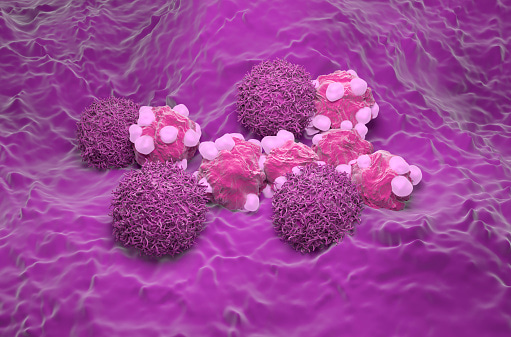
A recent study in BMC Women's Health examined whether linked population-based health records could effectively measure cervical cancer care quality in New South Wales, Australia. Analysing data from 527 patients, researchers found that only 16 of 93 published quality indicators could be measured using existing datasets. Furthermore, just two of eight indicators with established benchmarks met their targets. Survival rates at one, three, and five years were 87%, 71%, and 64%, respectively. Increasing age, Australian birth, advanced cancer stage, and squamous cell histology were associated with poorer survival.
These findings highlight significant limitations in using existing population-level datasets to evaluate cancer care. The researchers emphasize the need for more detailed institutional and multidisciplinary data collection to strengthen quality monitoring and identify opportunities for improvement. Despite gaps in meeting certain benchmarks, cervical cancer survival in New South Wales remained comparable to other jurisdictions.
BMC Pregnancy and Childbirth: In search of social belonging: a qualitative study of drivers of alcohol use and barriers to alcohol reduction among pregnant women in South Africa
Alcohol consumption during pregnancy remains a serious public health concern, particularly in communities where drinking is deeply embedded in social relationships and cultural practices. In South Africa, understanding the social pressures and structural challenges influencing maternal alcohol use is essential for developing effective prevention strategies.

A recent qualitative study in BMC Pregnancy and Childbirth explored factors contributing to alcohol use during pregnancy in Saldanha Bay, a community in South Africa's Western Cape. Through discussions with healthcare providers and community leaders, alongside interviews with male partners and drinking peers, researchers identified six interconnected themes. Partner drinking strongly influenced women's alcohol consumption, while the desire for social acceptance and fear of isolation often outweighed pregnancy-related health concerns. Misinformation, poverty, violence, and emotional stress further complicated efforts to reduce drinking. Participants also expressed support for peer-led interventions involving trusted women with lived experience.
The findings suggest that addressing alcohol use during pregnancy requires more than individual behavioural change. Researchers recommend community-based interventions that actively engage partners, challenge misinformation, and provide sustained, non-judgmental support throughout pregnancy, helping women make healthier choices without compromising their sense of social belonging.
BMC Zoology: The scent of love: unlocking the power of fertile odour to boost ruffed lemur conservation
Conservation breeding programmes play an important role in protecting endangered wildlife, but reproducing natural mating conditions in captivity can be challenging. For ruffed lemurs, environmental differences between zoos and natural habitats may influence reproductive behaviour, making innovative approaches to breeding enrichment particularly valuable.

A recent study in BMC Zoology investigated whether scents associated with female fertility could encourage reproductive behaviour among captive ruffed lemurs. Researchers identified 12 volatile compounds characteristic of fertile female red ruffed lemurs and used these findings to develop a biologically relevant scent enrichment. The enrichment was introduced to four zoo-housed groups of red and black-and-white ruffed lemurs. Behavioural observations and hormonal measurements revealed mixed effects on animal welfare, but sexual behaviours increased significantly. Notably, mounting behaviour was observed in males, and two females became unexpectedly pregnant following the study. Although testosterone levels increased, the change was not statistically significant.
These findings suggest that fertility-related scent enrichment could offer a promising approach to improving conservation breeding practices. By incorporating naturally occurring reproductive cues into captive environments, zoos may be able to encourage mating behaviour and potentially support the long-term conservation of ruffed lemurs.
BMC Infectious Diseases: Pneumococcal serotype distribution and diagnostic yield of serotype-specific urinary antigen detection in adults with CAP in Switzerland, 2016–2021: a prospective cohort study
Pneumococcal pneumonia remains a major cause of illness and death among adults worldwide. Although vaccination has reduced disease burden, changes in circulating bacterial strains and limitations in conventional diagnostic methods continue to challenge effective disease detection and prevention.
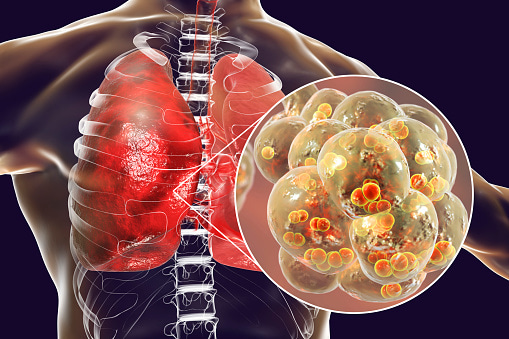
A recent study in BMC Infectious Diseases investigated pneumococcal strain distribution and diagnostic accuracy among 234 adults with community-acquired pneumonia in Switzerland. Researchers evaluated a serotype-specific urinary antigen detection test alongside conventional diagnostic methods. Among 161 patients with results from both approaches, adding the new test increased pneumococcal detection from 18.6% to 29.2%. Serotypes 3, 8, and 11A were most frequently identified. Importantly, the proportion of detected serotypes not covered by the older PCV13 vaccine increased substantially during 2020–2021. Based on the observed strain distribution, the newer PCV20 vaccine offered broader potential coverage than PCV13.
These findings highlight the value of enhanced diagnostic testing for identifying pneumococcal pneumonia and monitoring changing bacterial strains. Although based on relatively few cases, the results suggest that higher-valency vaccines could strengthen adult pneumonia prevention strategies and support more informed vaccination policies.
BMC Geriatrics: Suicidal ideation and associated factors in early and late onset late life depression
Depression among older adults is a significant mental health concern, particularly because of its association with suicidal thoughts and behaviours. Understanding whether depression beginning earlier or later in life influences suicidal ideation could help clinicians identify vulnerable individuals and improve mental health support.

A recent study in BMC Geriatrics examined suicidal ideation among 100 adults aged 60 years and above diagnosed with major depressive disorder. Participants included 51 individuals with early-onset depression and 49 with late-onset depression. Researchers found significantly higher suicidal ideation scores among those with early-onset depression. However, further analyses revealed that the number of previous depressive episodes was positively associated with suicidal thoughts, while depression severity showed no statistically significant association. Individuals with recurrent depression also reported significantly greater suicidal ideation, suggesting that recurrence history may be more influential than the age at which depression first develops.
These findings highlight the importance of considering patients' lifetime depression history when assessing suicide risk in older adults. However, the relatively small sample and overlapping effects of depression onset and recurrence warrant cautious interpretation. Further research could help clarify these relationships and inform more targeted mental health assessments.

Follow the Topic
-
BMC Infectious Diseases
This journal is an open access, peer-reviewed journal that considers articles on all aspects of the prevention, diagnosis and management of infectious and sexually transmitted diseases in humans, as well as related molecular genetics, pathophysiology, and epidemiology.
-
BMC Women's Health
This is an open access, peer-reviewed journal that considers articles on all aspects of the health and wellbeing of adolescent girls and women, with a particular focus on the physical, mental, and emotional health of women in developed and developing nations.
-
BMC Geriatrics
BMC Geriatrics is an open access journal publishing original peer-reviewed research articles in all aspects of the health and healthcare of older people, including the effects of healthcare systems and policies.
-
BMC Pregnancy and Childbirth
This is an open access, peer-reviewed journal that considers articles on all aspects of pregnancy and childbirth. It welcomes submissions on the biomedical aspects of pregnancy, breastfeeding, labor, maternal health, maternity care, trends and sociological aspects of pregnancy and childbirth.
-
BMC Zoology
This is an open access, peer-reviewed journal that considers articles on zoology, including comparative physiology, mechanistic and functional studies, morphology, life history, animal behavior, signaling and communication, cognition, parasitism, systematics, biogeography and conservation.





📢 Introducing: # Mental Health
Mental Health is a Topic created to increase visibility and impact of research in this area and facilitate exchange amongst researchers.
Continue reading announcementRelated Collections
With Collections, you can get published faster and increase your visibility.
AI and geriatric care
BMC Geriatrics is inviting submissions to our Collection on AI and geriatric care.
The integration of Artificial Intelligence (AI) into geriatric care represents a transformative approach to addressing the complexities of aging populations. As the world faces an increasing number of older adults, the need for innovative solutions to enhance healthcare delivery for this demographic is paramount. AI technologies, including machine learning and natural language processing, are being explored for their potential to improve diagnostics, personalize treatment plans, and streamline caregiving processes, among other applications. This Collection aims to explore the intersection of AI and geriatric care, highlighting research that examines the applications and implications of AI in the field of gerontology.
Advancements in AI are beginning to show promise in healthcare, with early applications emerging in geriatric settings. From predictive analytics that identify health deterioration or predict fall-risk to AI-driven tools that assist in daily caregiving tasks, these innovations hold potential to improve both the quality of care and the patient experience. A foundation of ethical AI practices is also crucial, as the application of AI in geriatric care remains an emerging area that requires careful consideration. Beyond technical challenges around technology integration and adoption, it is essential to ensure that the deployment of this technology respects the dignity and autonomy of older adults, resists entrenching bias and discrimination of existing health inequities, and considers accessibility and cost. Multidisciplinary research is needed to understand how AI can be effectively and ethically integrated into geriatric care.
As research continues in this area, AI systems capable of real-time monitoring and intervention are moving closer to reality. These advancements may enable more personalized care planning and improve communication between clinicians, caregivers, and older adults. Realizing tangible benefits in terms of health and quality of life will depend on rigorous evaluation, thoughtful implementation, and sustained engagement with end users, including clinicians, older adults, and caregivers.
Topics of interest include but are not limited to:
- Applications of AI in geriatric healthcare
- Machine learning for predictive analytics in aging
- Integration of AI with existing wearable or sensor-based technologies
- Ethical considerations in AI for gerontology
- AI-driven tools for daily caregiving tasks
- Balancing innovation with compassionate, human-centered care
BMC Geriatrics focuses on research related to health and healthcare in adults aged 60 and older.
All manuscripts submitted to this journal, including those submitted to collections and special issues, are assessed in line with our editorial policies and the journal’s peer-review process. Reviewers and editors are required to declare competing interests and can be excluded from the peer review process if a competing interest exists.
Publishing Model: Open Access
Deadline: Jan 22, 2027
Health disparities in aging: addressing inequities in geriatric care
BMC Geriatrics is inviting submissions to our Collection on health disparities in aging: addressing inequities in geriatric care
Health disparities pose a significant challenge in geriatric care, as older adults from diverse backgrounds face inequities in access to services, quality of care, and health outcomes due to factors such as socioeconomic status, geographic location, and cultural differences. Addressing these disparities requires integrating social determinants of health into care models, fostering cultural competence among providers, and implementing community-based interventions that promote equity. Recent research underscores the importance of collaborative efforts among healthcare systems, policymakers, and community organizations to ensure that aging populations receive appropriate, equitable care tailored to their unique needs.
Potential topics of interest include, but are not limited to:
- Socioeconomic determinants of health in aging, such as income, wealth, education and working conditions
- Geographic and environmental disparities in geriatric care, including differences in urban and rural healthcare and environmental stressors
- Gender, racial, and ethnic disparities in geriatric care
- Inequalities in the provision of and access to social care, and the consequences for health
- Barriers to care, such as language, cost, or transportation
- Culturally competent care for older adults
- Community-based interventions to reduce health disparities
BMC Geriatrics focuses on research related to health and healthcare in individuals aged 60 and older.
This Collection supports and amplifies research related to SDG 1: No Poverty and SDG 3: Good Health & Well-Being.
Publishing Model: Open Access
Deadline: Nov 09, 2026