Host Cell Metabolism Goes Viral: Unveiling How HEV Hijacks Your Cells
Published in Chemistry, Microbiology, and Cell & Molecular Biology
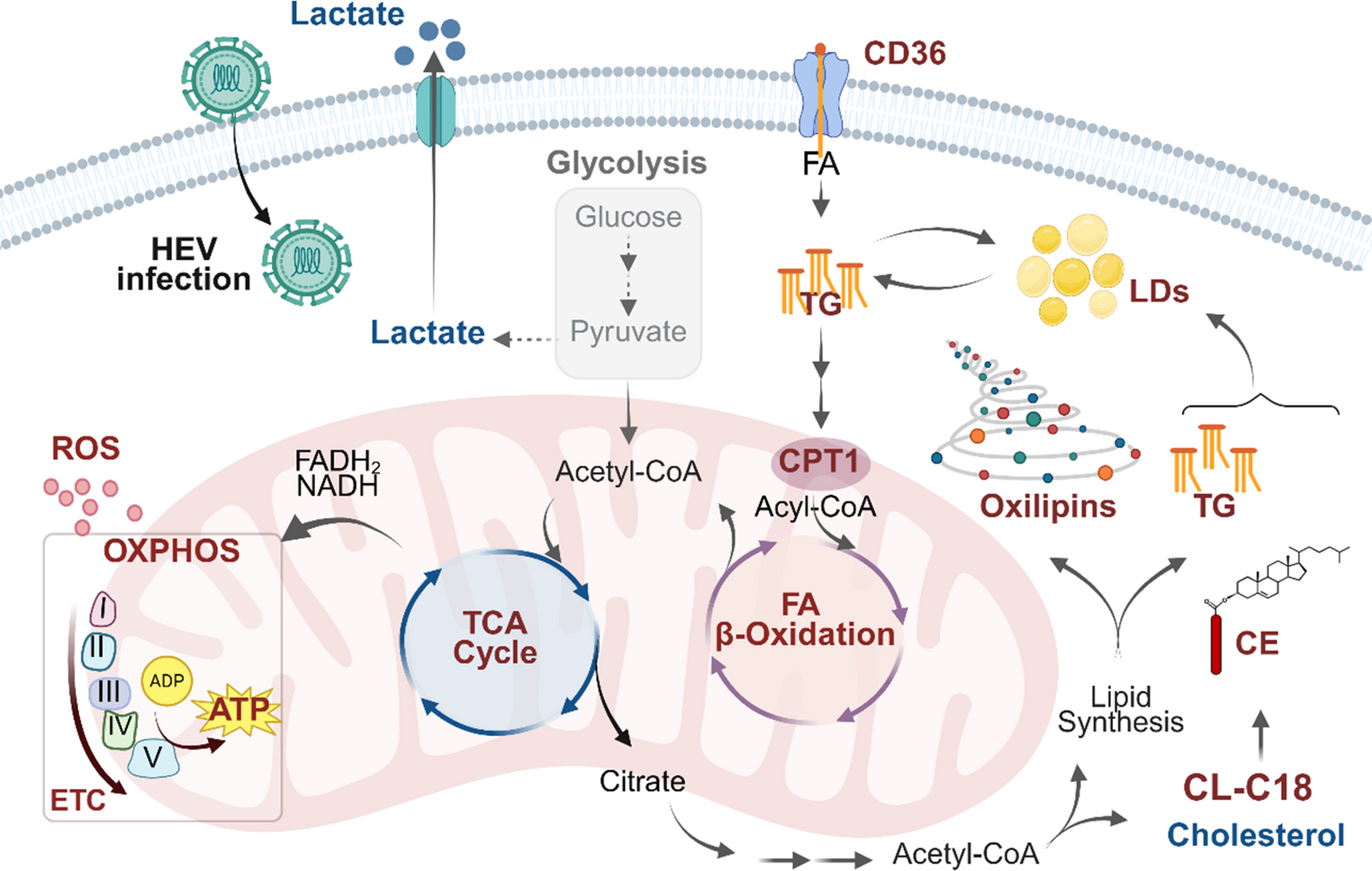

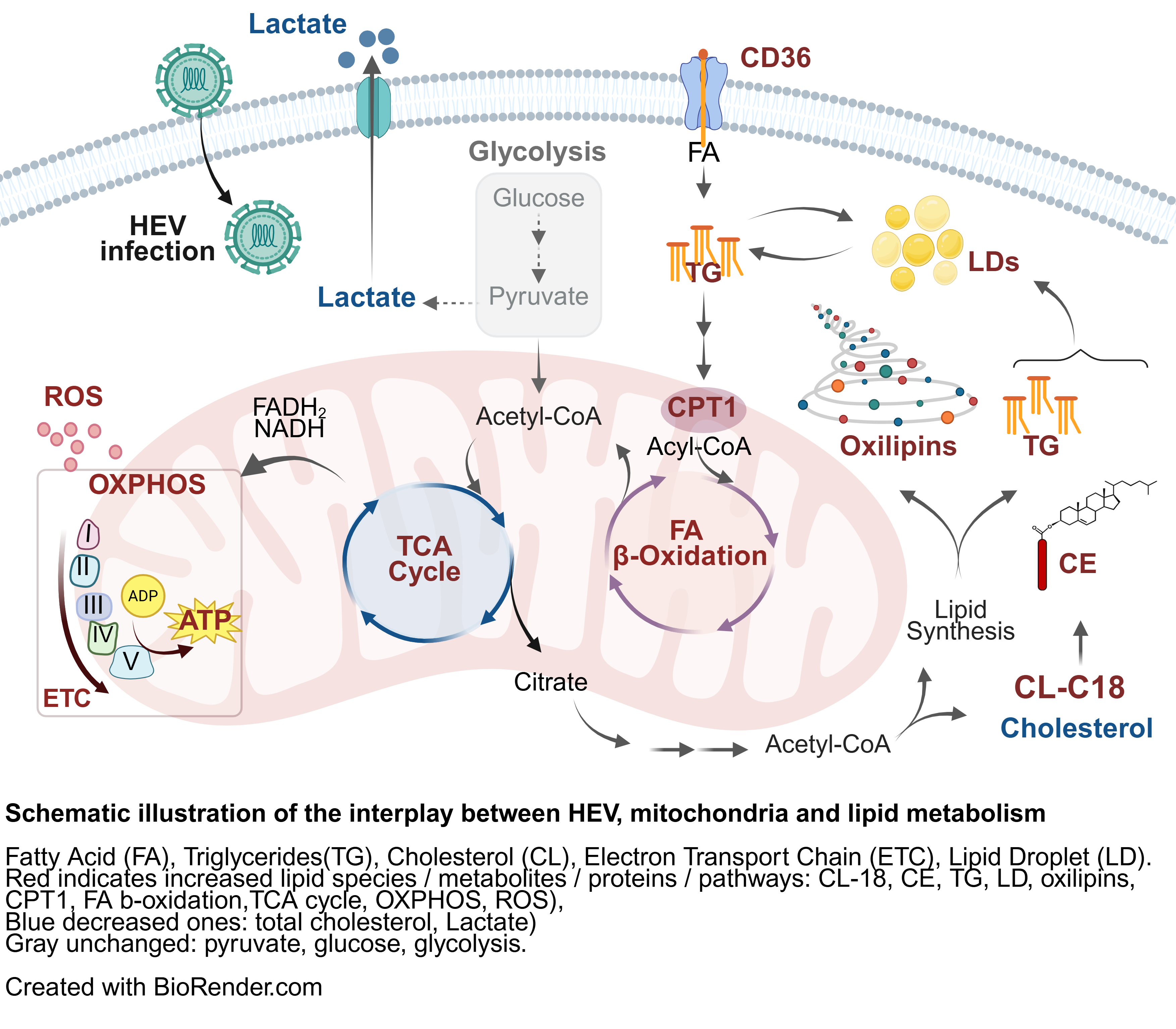
Our latest study (Glaziou et al., 2026, Mol Cell Life Sci) reveals that HEV hijacks host cell metabolism to fuel its replication:
- TCA cycle, mitochondrial oxidative phosphorylation (OXPHOS), fatty acid metabolism, and β-oxidation, are extensively rewired.
- Lipid storage organelles expand, long-chain neutral lipids accumulate, and pro-inflammatory oxylipins surge.
- HEV relies on lipid-fuelled OXPHOS rather than glycolysis.
- Distinct metabolic programs for HEV-1 versus HEV-3, aligning with their differential pathogenicity.
These findings highlight critical host metabolic vulnerabilities exploited by HEV and provide a roadmap for targeting metabolic hubs as therapy.
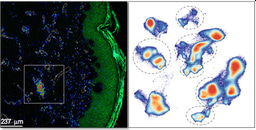
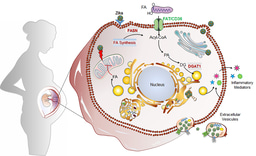
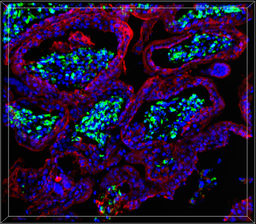
Interestingly, while our previous work in placental models (Gouilly et al., 2018, Nat Commun) showed HEV-1 triggers inflammatory damage at the maternal-fetal interface, the placenta is a highly active metabolic organ, and how HEV reshapes its metabolism remains an exciting question for future studies.
Takeaway: HEV doesn’t just infect—it reprograms, fuels, and manipulates host metabolism to thrive. Understanding these strategies could point to novel therapeutic interventions.

Follow the Topic
-
Cellular and Molecular Life Sciences
Cellular and Molecular Life Sciences (CMLS) is a multidisciplinary Open Access journal covering the latest aspects of biological and biomedical research.

Related Collections
With Collections, you can get published faster and increase your visibility.
Tumor Microenvironment-Driven Cancer Plasticity, Metastasis, and Therapeutic Adaptation
The tumor microenvironment (TME) is a dynamic and multifaceted ecosystem that shapes nearly every aspect of cancer progression, from early tumor evolution to metastatic spread and therapeutic response. Dynamic interactions between tumor cells, stromal components, immune infiltrates, and extracellular matrix structures not only regulate cell migration and invasion but also broader adaptive phenotypes such as metabolic rewiring, immune escape, therapy resistance, and phenotypic plasticity. Recent advances in single-cell omics, live-cell imaging, spatial transcriptomics, and functional modeling systems (e.g. organoids, organ-on-chip) have illuminated how bidirectional communication within the TME governs these behaviors.
This collection invites cutting-edge research and comprehensive reviews that dissect the cellular and molecular mechanisms by which the TME drives tumor dissemination and adaptive cancer cell states. We welcome interdisciplinary contributions spanning molecular oncology, immunology, systems biology, and bioengineering, with an emphasis on translational insights that inform therapeutic targeting of TME-driven and immune-regulatory pathways in cancer.
Topics of Interest
- Cellular and molecular mechanisms of tumor microenvironment–driven cancer plasticity
- Tumor cell dissemination, invasion, and metastatic niche formation
- Stromal-tumor-immune cell crosstalk in cancer progression
- Metabolic reprogramming and nutrient competition within the TME
- Immune evasion, immunosuppression, and checkpoint regulation
- Extracellular matrix remodeling, mechanotransduction, and tissue stiffness
- Epithelial-mesenchymal transition (EMT), hybrid states, and phenotypic switching
- Therapy-induced adaptive phenotypes and drug resistance mechanisms
- Tumor dormancy, persistence, and metastatic reactivation
- Spatial transcriptomics, single-cell multi-omics, and in vivo imaging approaches
- Organoid, organ-on-chip, and computational models of TME dynamics
- Systems biology and AI-driven modeling of tumor ecosystem evolution
- Therapeutic targeting of TME-mediated signaling and adaptive pathways
- Translational strategies to overcome metastasis and therapy resistance
This Collection focuses on how tumor microenvironmental signals shape metastatic competence, adaptive cancer cell states, and resistance-associated phenotypes across molecular, cellular, and systems scales.
Publishing Model: Open Access
Deadline: Mar 31, 2027