How does urbanization and climate change affect the distribution of wildlife disease? A multi-city approach to understanding sarcoptic mange in urban coyotes
Published in Ecology & Evolution and Zoology & Veterinary Science

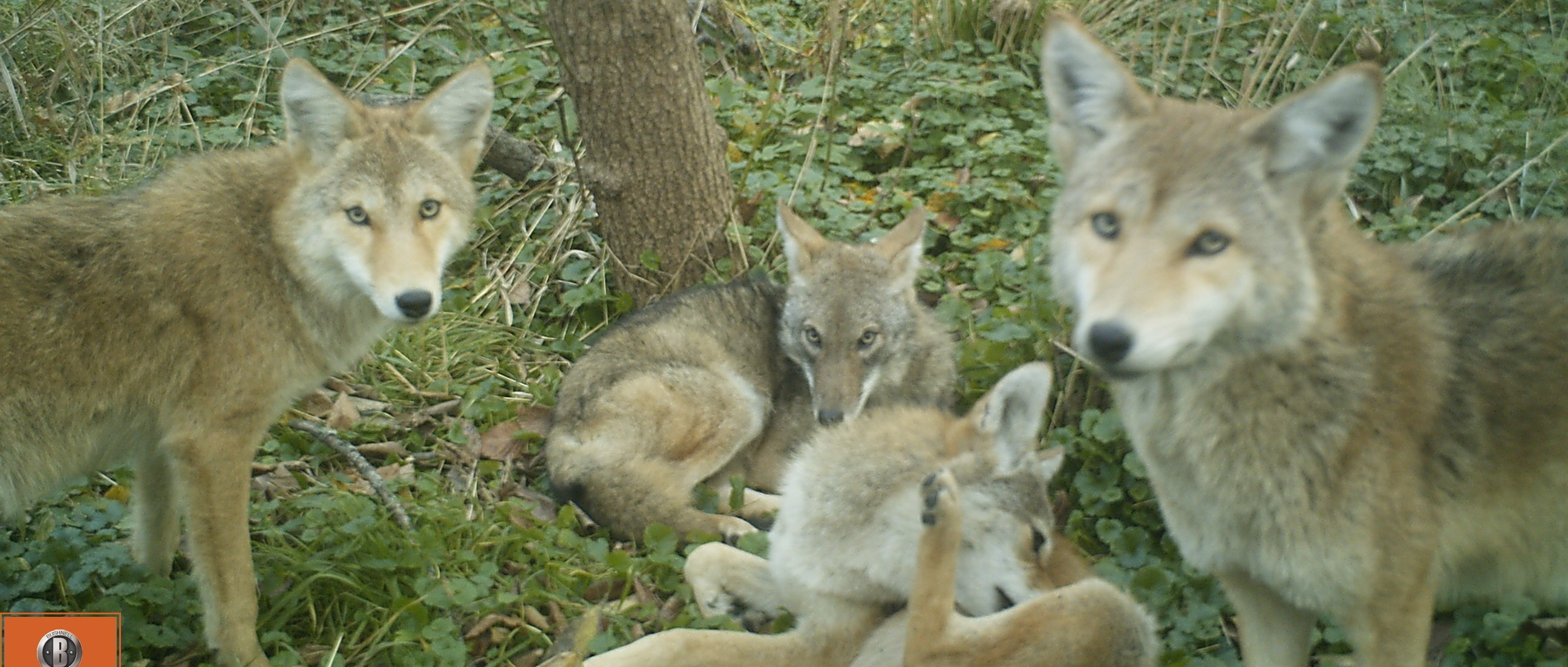

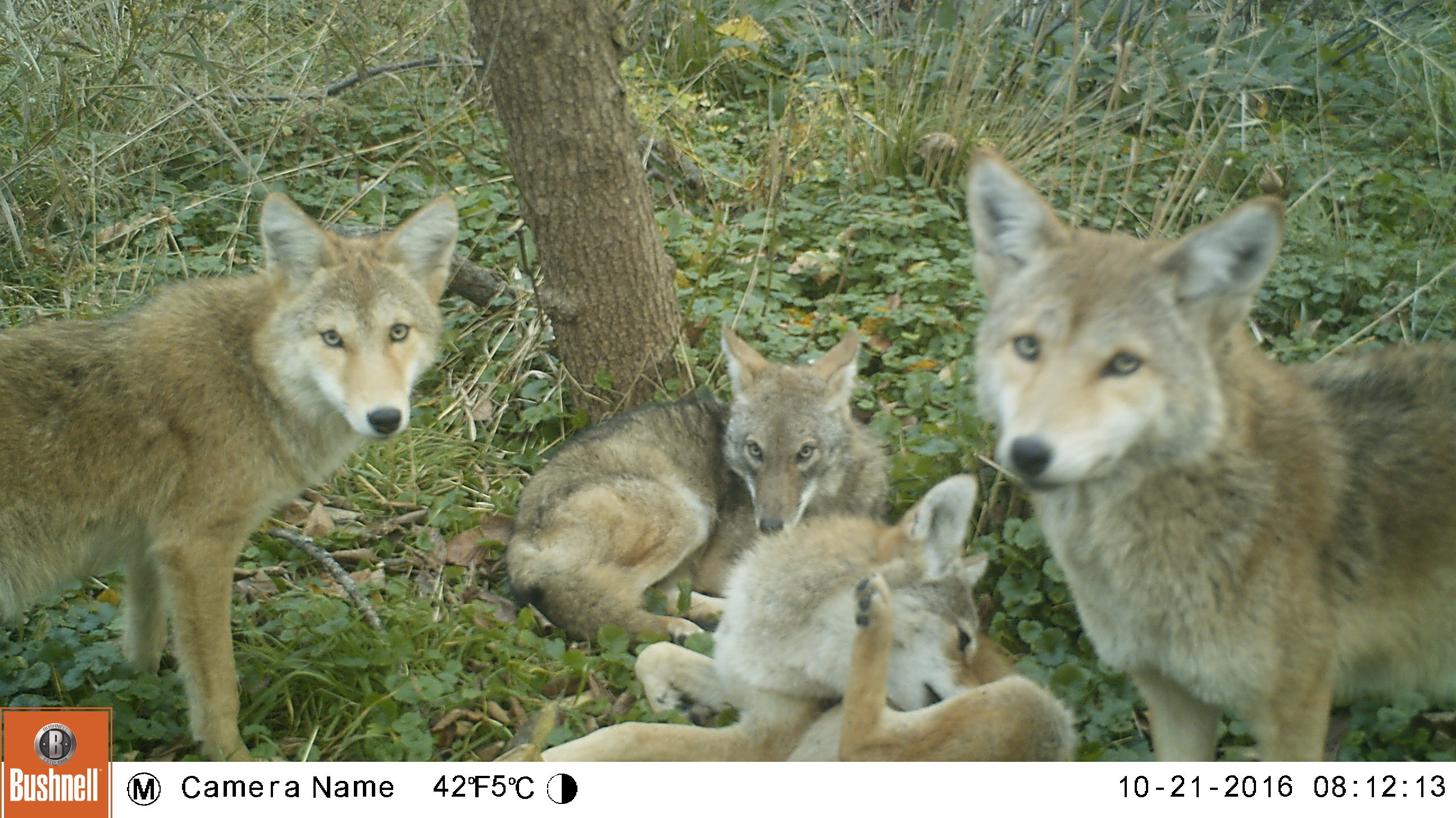
During her PhD, co-lead author Dr. Maureen Murray was studying urban coyotes in Edmonton, Alberta, CA and found something she didn’t anticipate - GPS-collared coyotes losing their hair from sarcoptic mange used residential areas over five times more often than visibly healthy coyotes. This was an interesting pattern, but with only 19 GPS-collared animals, it was hard to extrapolate those findings to an entire city. Six years later, she was still wondering about this pattern, and an opportunity struck to further explore this question. Maureen noticed that you could identify signs of mange on coyotes from camera trap data her coworkers at the Lincoln Park Zoo’s Urban Wildlife Institute had collected throughout Chicago, Illinois, USA for many years. The large spatial coverage of the over 100 cameras throughout Chicago allowed Maureen and Dr. Mason Fidino to identify spatial correlates of where coyotes with and without mange were located. We found that, at least in Chicago, mangy coyotes were detected more often in forested residential neighborhoods compared to their visibly-healthy counterparts (Murray, Fidino, et al. 2021). That result aligned with what was found in Edmonton, but our team still wondered: what about other cities? Could this finding be universal?
One of the most challenging aspects of field research is understanding whether your results are specific to the idiosyncrasies of your study location or if they can be generalized to different contexts and locations. In urban ecology, our results can be influenced by our city's climate, the configuration of development and green space, and even the habitat in surrounding areas. One approach to creating more generalizable results is to collect data in multiple cities using standardized methods. Our team leads the Urban Wildlife Information Network, an urban biodiversity monitoring network that currently has 60+ partners in 10+ countries systematically collecting data on wildlife along urban gradients. This approach enabled Maureen and co-lead author Dr. Tiziana Gelmi Candusso to examine social and ecological factors associated with sarcoptic mange in urban coyotes in cities across the United States and Canada, and whether large-scale factors at the city-scale are correlated to those patterns.
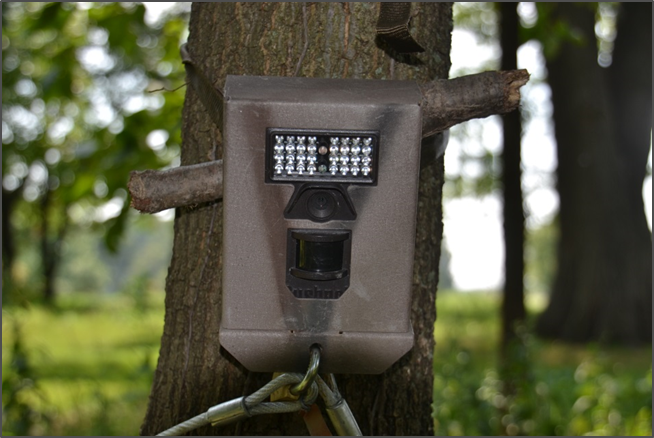
Urban Wildlife Information Network partners use camera traps to monitor medium to large mammals along urban gradients in over 10 countries. Credit: Lincoln Park Zoo
We were interested specifically in where coyotes are more likely to have signs of sarcoptic mange because it is a disease of growing concern for wildlife conservation and human-wildlife conflict. More than 150 species of mammals can be infected with sarcoptic mange, which is caused by the mite Sarcopties scabiei and leads to hair loss, skin thickening, lesions, and secondary infections. Mange outbreaks can cause population declines, including in endangered species. Animals with mange can also be more likely to use residential areas, potentially because their weakened physical state makes them more likely to take risks and be less wary of people. This means that coyotes with mange may be more likely to interact with people or their pets, possibly increasing conflict between humans and wildlife. As such, knowing where coyotes with mange are most likely to be located in a city, or if the design of a city can influence mange distribution, can help inform strategies for urban planning or wildlife management to prevent parasite transmission.
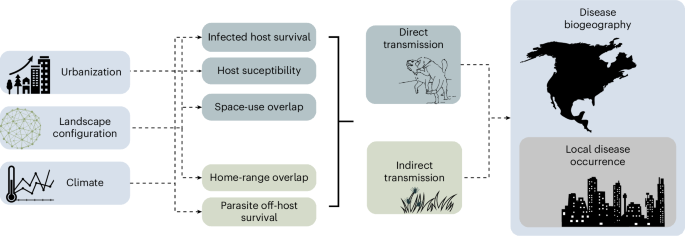
We found that, within cities, coyotes were less likely to be detected in areas with more intense urban development. Conversely, coyotes with signs of mange were more likely to be detected in more urbanized areas, especially in cities predominantly surrounded by cropland instead of forest, potentially because they are relegated to using cities due to lack of surrounding resources. Leveraging landscape connectivity assessments from Dr. Gelmi-Candusso, we also found that coyotes with signs of mange were more likely found near movement corridors, making these potential mite transmission hotspots, but only when a city’s landscape connectivity was limited, as we discovered when zooming out to the continental scale. These opposing relationships between connectivity and mange at different scales may be because corridors are places where many different individuals travel and could transmit mites to other coyotes, particularly if there are few options for movement corridors.
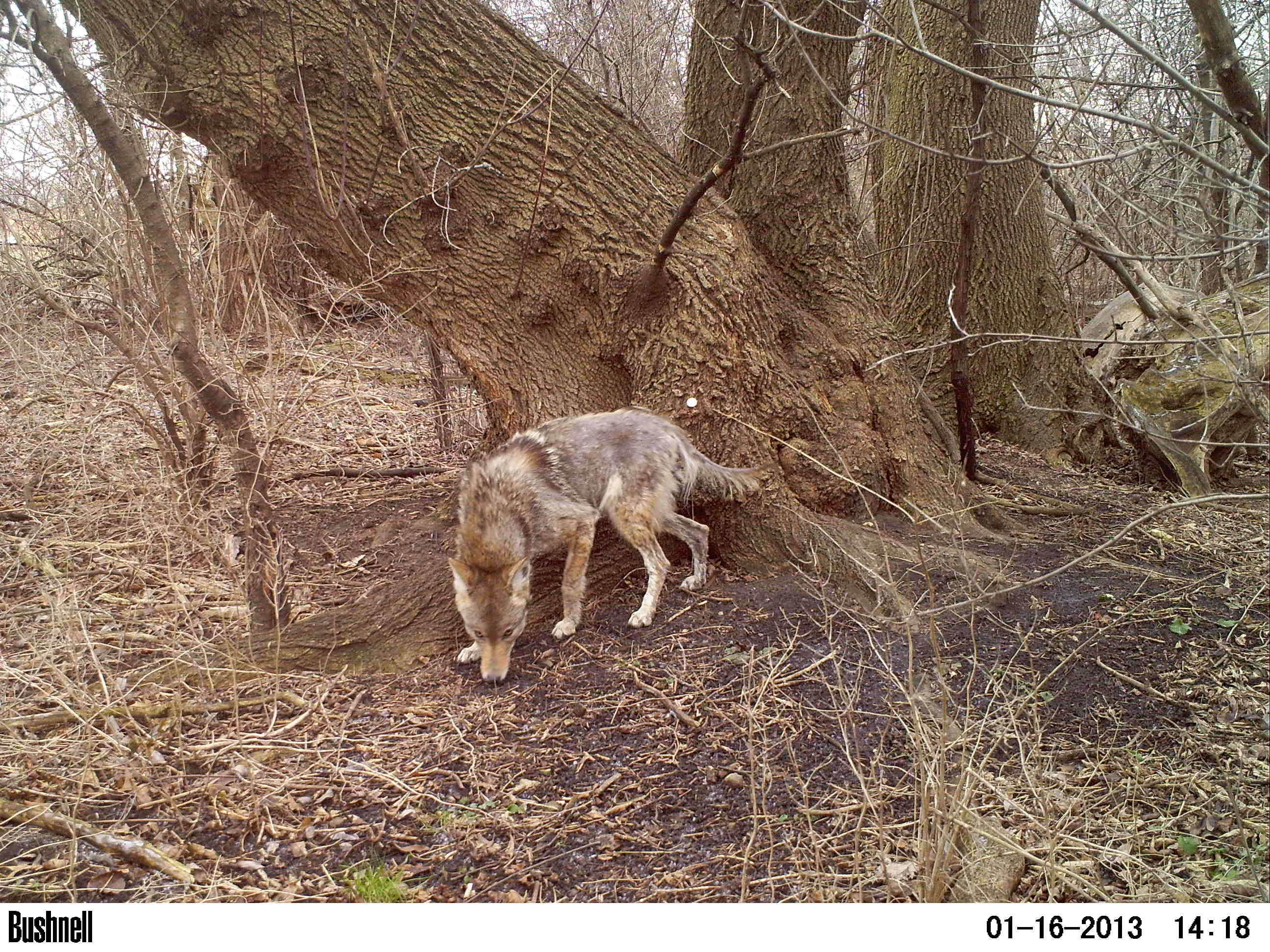
When comparing cities throughout the continent, we found that coyotes with mange were detected at more sites in cities with more dense urban development and fewer movement corridors. This is potentially because coyotes are constrained to the fewer remaining habitat patches in those cities, and more likely to share space and transmit parasites. Mange was also more common in cities with warmer winters, likely because diseased coyotes and their mites are more likely to survive longer, during which time mites can be transmitted to other coyotes. When we consider climate change, and urban growth, based on the least and most sustainable scenarios we are more likely to encounter defined by the International Panel of Climate Change (IPCC) we predicted that the number of sites with mangy coyotes would increase in 9 of our 10 cities.
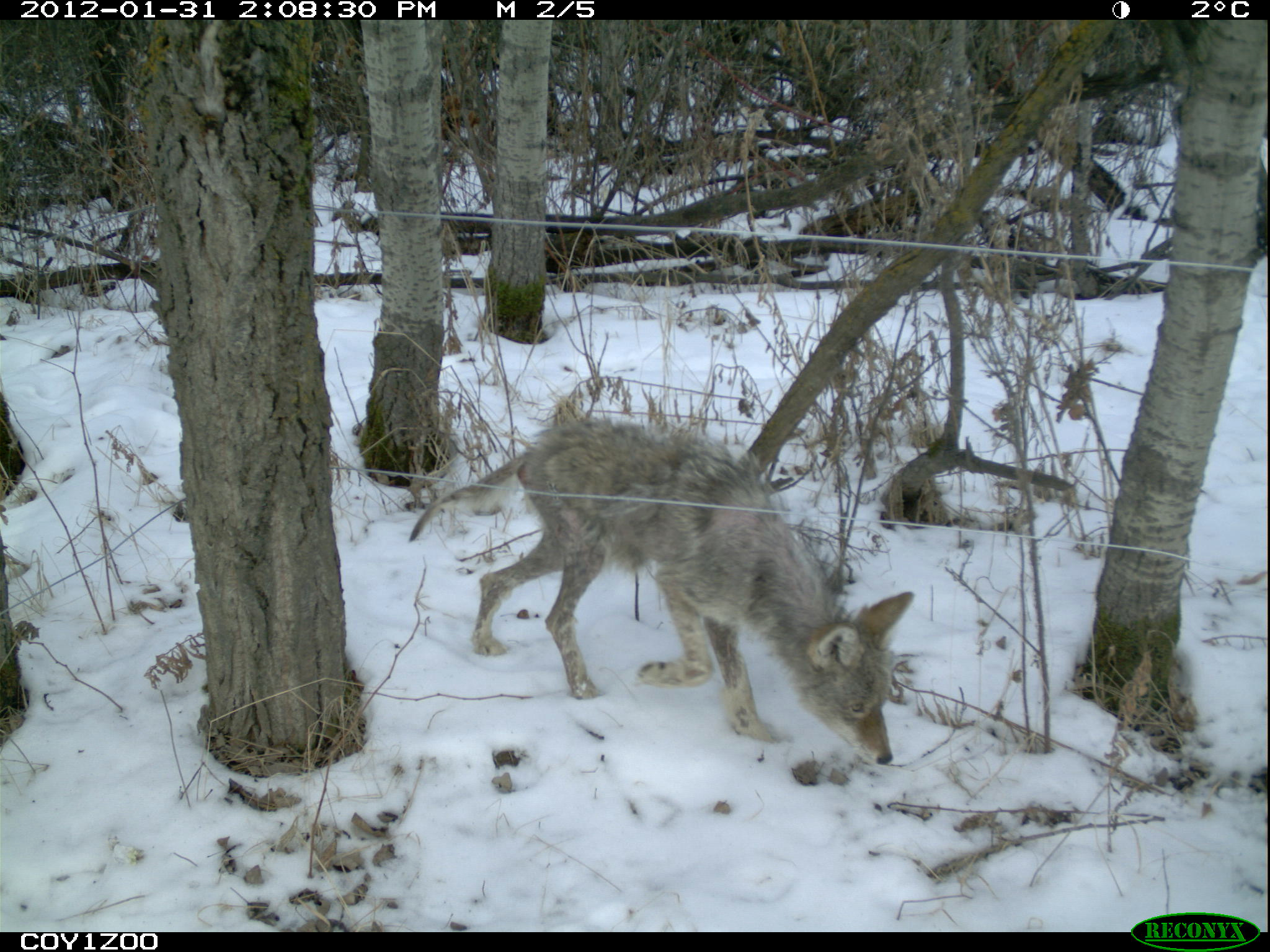
Our results suggest several recommendations to prevent the transmission of sarcoptic mange and its negative consequences for people and conservation. Maintaining or increasing landscape connectivity in cities increases the number of pathways animals have to move within a city, which reduces the likelihood animals carrying a disease will encounter animals without mange. This can be done by restoring habitat areas, or by increasing vegetation diversity within cities This is particularly important in rapidly warming cities where cold winters previously limited the survival of mangy animals and their mites. Further, areas with relatively higher risk for mangy coyotes, such as green spaces in more urban areas or movement corridors, should be priorities for disease monitoring to identify and anticipate mange outbreaks. This is particularly true for cities where milder winters are becoming more common, where proactive management of the disease will have to be prioritized.
Scaling up from individual coyotes to populations across North America was made possible through multi-city collaborations like the Urban Wildlife Information Network. Supporting long-term wildlife monitoring efforts, with standardized data collection methods across cities and continents, will be essential to continue to understand how urbanization and climate change affects wildlife disease dynamics and guide policies to make healthier cities for wildlife, pets, and people.
Follow the Topic
-
Nature Cities
This journal aims to deepen and integrate basic and applied understanding of the character and dynamics of cities, including their roles, impacts and influences — past, present and future.