Hunting potential PETases in mangrove-derived microbial communities: A scientific journey in two countries
Published in Ecology & Evolution, Microbiology, and Cell & Molecular Biology




The Initial Stages
This long but fruitful scientific journey began in 2021, when I decided to establish a new research line—microbial transformation of plastics—within my former group at Universidad de los Andes (UniAndes) in Bogotá, Colombia.
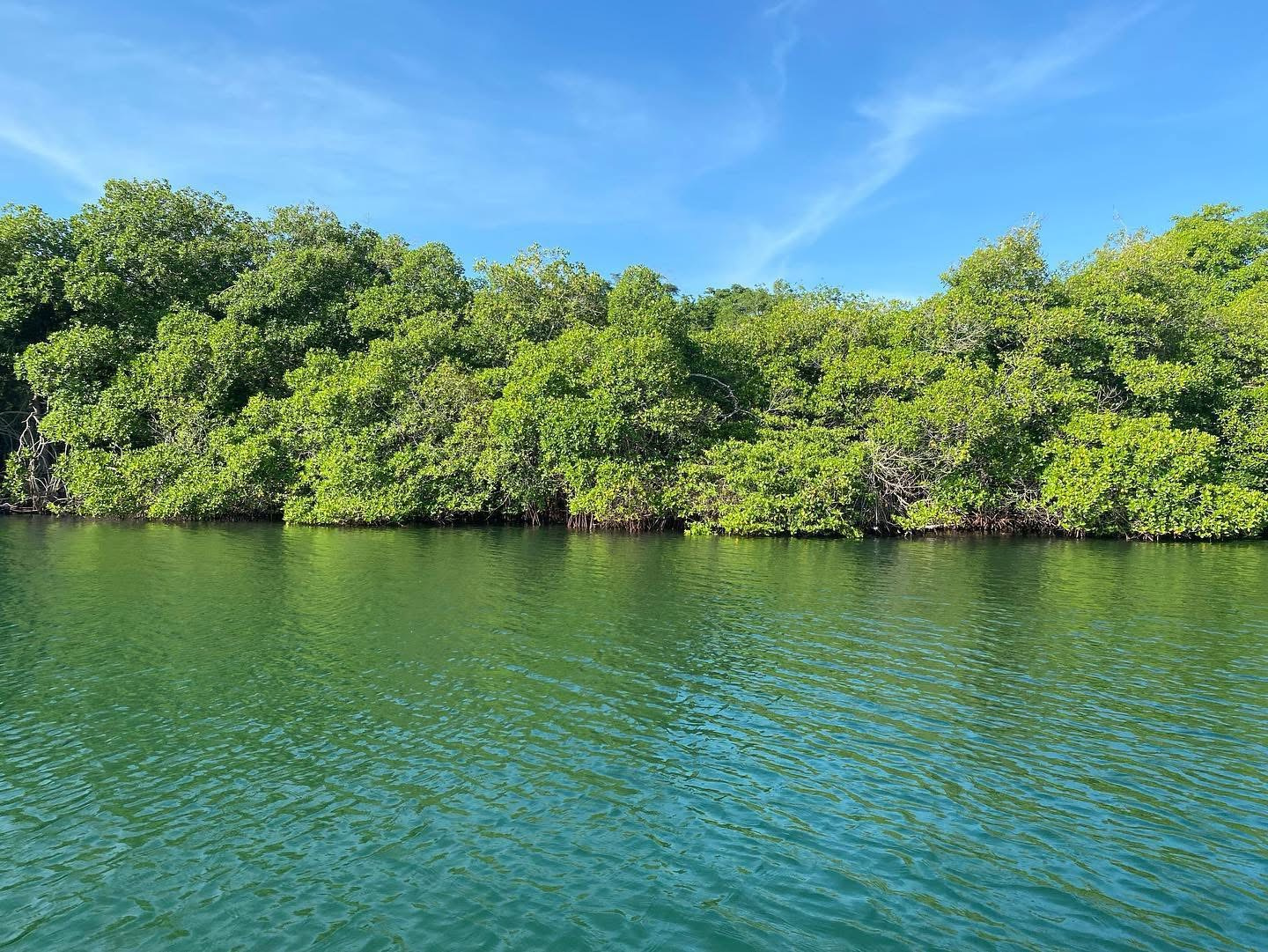
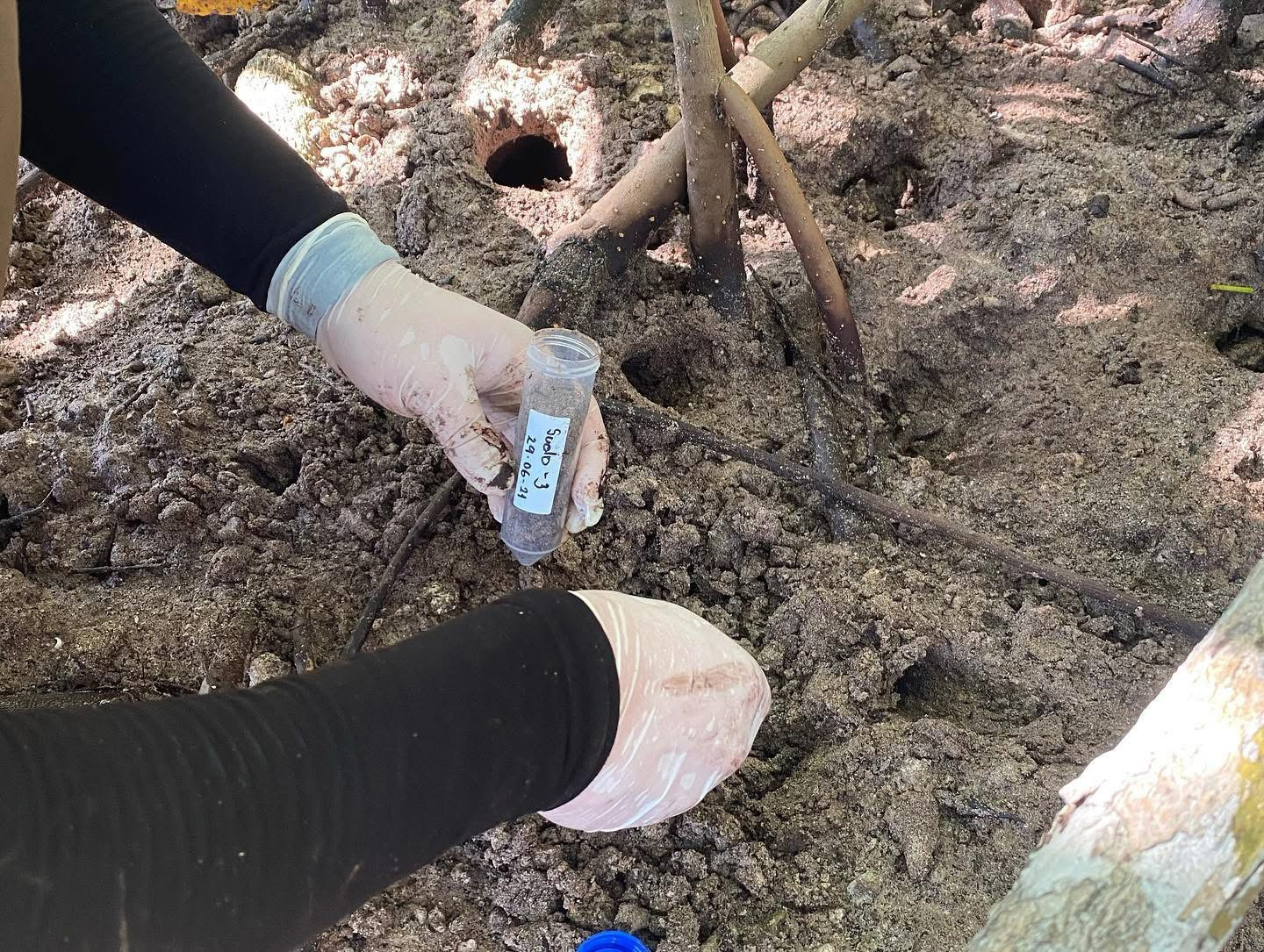
Later that year, together with a master’s student, Felipe Sierra, we traveled from Bogotá to Cartagena with the initial goal of building an experiment to better understand how mangrove soil–derived microbial communities respond to inputs of microplastics, plant biomass, and seawater. Working with limited resources, we carried out a sampling campaign in a polluted mangrove ecosystem (Fig. 1). We then designed a microcosm experiment, which was set up at Universidad Tecnológica de Bolívar with the support of Dr. Carolina Rubiano (Fig. 2).
Interestingly, without having intentionally planned it, the incubation conditions created a gradient of desiccation and salinity—an unexpected factor that ultimately proved crucial to our findings.
%209.53.49%E2%80%AFp.%C2%A0m..png)
Boosting Research Through Collaborations
As the initial budget was limited, I decided to share our ideas, hypotheses, and experimental design with colleagues, that work on this topic, in search of both scientific and financial support. During these discussions, Dr. Alexandre Rosado from King Abdullah University of Science and Technology (KAUST) and Dr. Annika Vaksmaa from the Royal Netherlands Institute for Sea Research generously offered to support the DNA sequencing of our project.
Throughout 2022, we refined our research objectives and conducted the first bioinformatic analyses to explore community profiles and emerging trends within the microcosms. To ensure robust and reproducible results, we decided to parallelize the analysis of bacterial 16S rRNA gene and fungal ITS2 datasets. These efforts were carried out at UniAndes (with Felipe Sierra and under supervision of Dr. Alejandro Reyes) and at Penn State University (with Dr. Francisco Dini-Andreote and Dr. Gordon Custer). In addition, Dr. Lucas Mendes joined the team, contributing his expertise in co-occurrence network analysis. These discussions and collaborations proved essential to the development and success of our paper.
Findings from metagenomes and the PETase Hunters
In 2023, I moved to KAUST in Saudi Arabia, seeking new opportunities for both life and science. Despite the transition, I continued co-supervising my final master’s student, María Fernanda Peña-Valencia, in close collaboration with Dr. Reyes at UniAndes. Her work focused on genome-resolved analyses, providing key insights into the functional potential of salt-tolerant (halophilic) microorganisms enriched during the microcosm experiments. These results helped us better understand how specific microbial groups adapt and thrive under the experimental conditions. However, a real turning point came when we expanded our analysis to gene catalogs derived from the full metagenomic dataset.
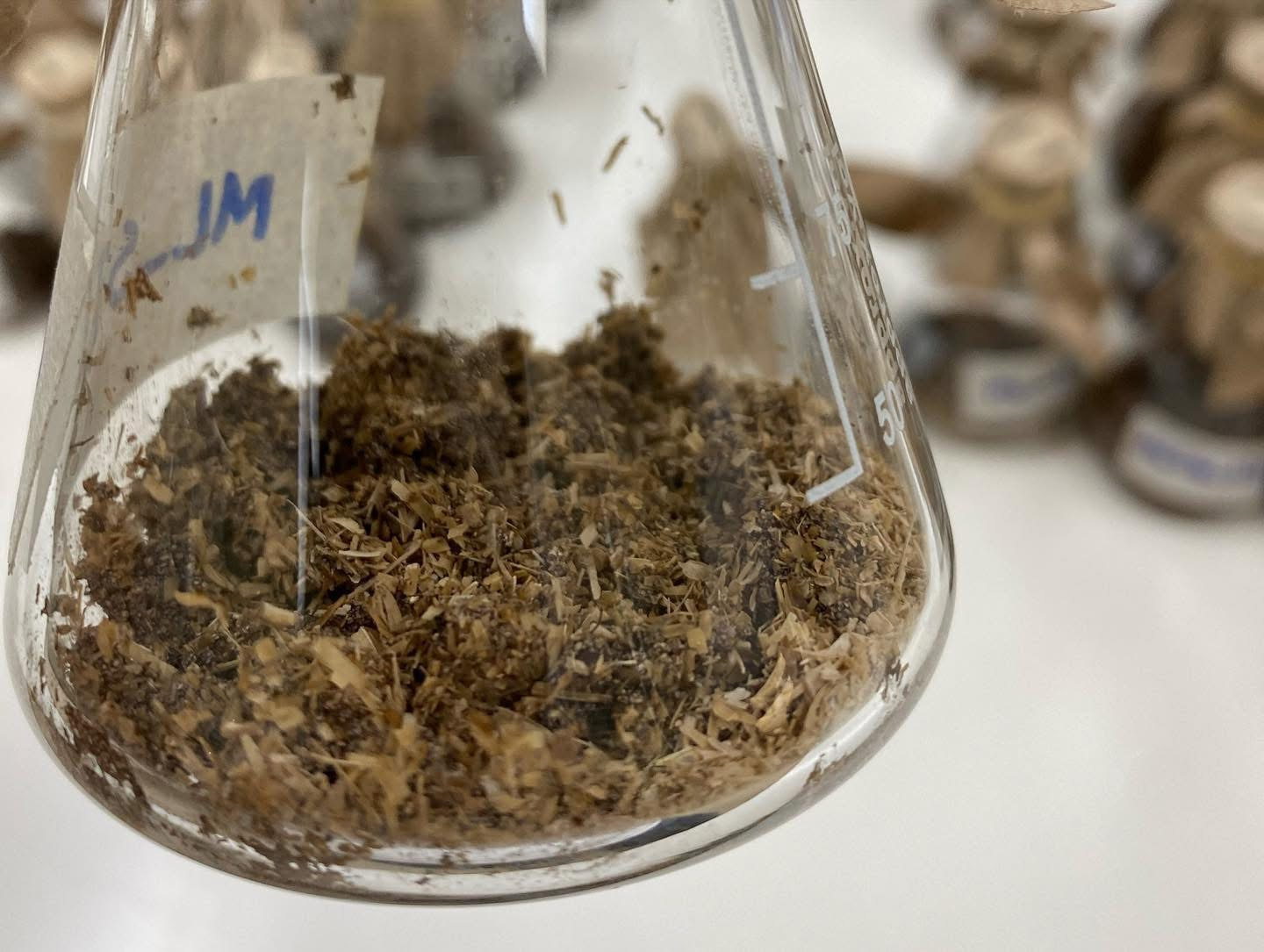
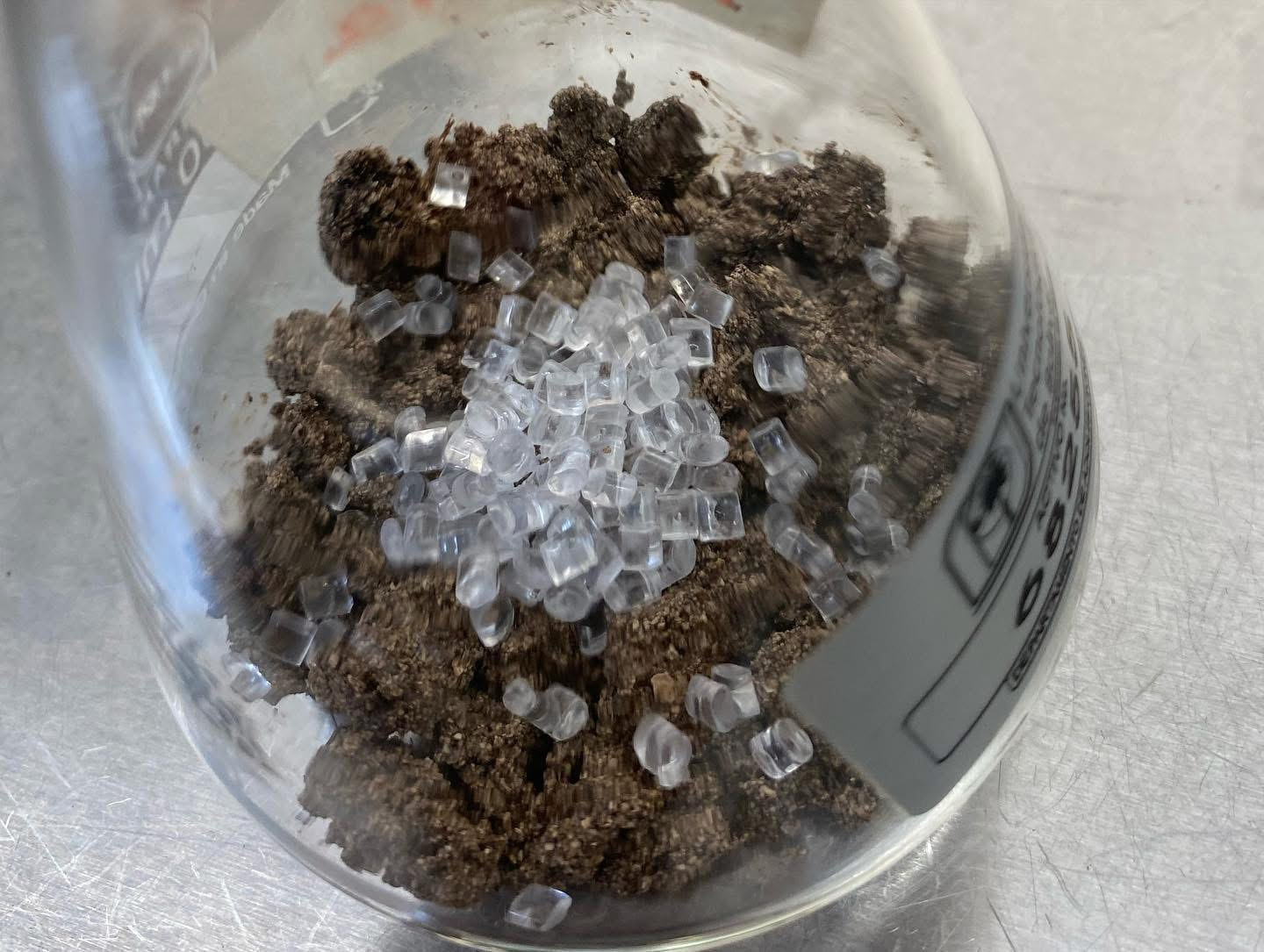
As reflected in the title of our article, we discovered a higher number of enzymes predicted to depolymerize polyethylene terephthalate (PETases) in plant biomass-amended microcosms compared to those amended with PET particles itself—a surprising and thought-provoking result (Fig. 3 and 4). This breakthrough was made possible thanks to the efforts of our “PETase hunters,” Dr. Jay Gutierrez and Dr. Semidán Robaina-Estévez, who joined the team toward the end of 2024 and brought fresh energy and expertise to the project.
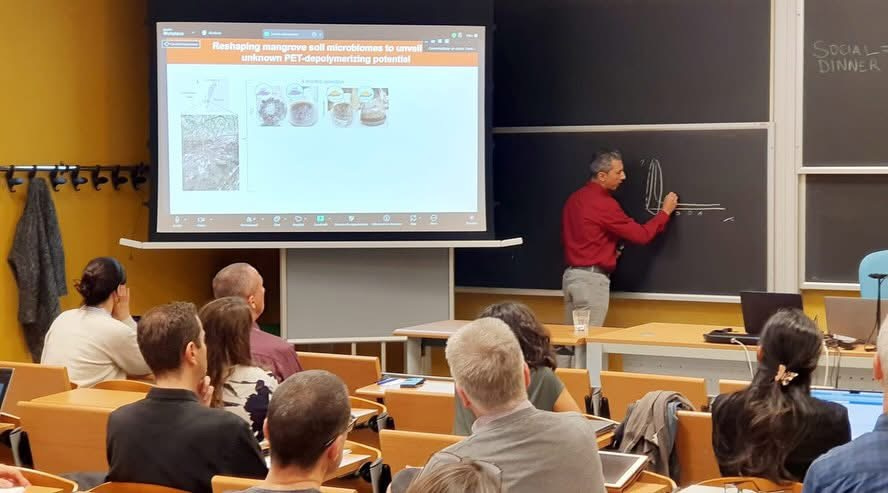
The final touch came from Onur Turak, a PhD student at University of Bayreuth, whom I met during a workshop in Trieste (Italy) in May 2025 (Fig. 5). He carried out a comparative analysis, evaluating our predicted halophilic PETases against an enzyme representing a newly described family of halophilic PETases . These contributions truly felt like the cherry on top—bringing the story full circle and elevating the impact of our findings.
|
|
My Personal Journey and View
During this journey, I became a father, transitioned from Associate Professor at UniAndes to Research Scientist at KAUST, and moved with my family from Colombia to Saudi Arabia. These were profound changes—ones that demanded adaptability (much like the mangrove soil-derived microbes we studied) and resilience, all in pursuit of both professional and personal growth.
More than a scientific contribution, this manuscript reflects my structured thinking, passion for microbiology, and leadership. But beyond the science, this project has meant much more to me. It has taught me about teamwork, persistence, and the importance of believing in myself as a scientist. It reminded me not to give up, even when things don’t go as planned or when challenges feel overwhelming. Throughout this experience, I was reminded once again that collaboration is not just a component of science—it is at the heart of meaningful and lasting success.
Moreover, this paper represents one of the most significant achievements of my career, and I am deeply grateful to everyone who accompanied me along the way—institutions, colleagues, and, most importantly, my family. A special mention to Dr. Rosado who has hosted my ideas and supported this scientific adventure the last three years at MEGBLab.
Above all, I hope this story can inspire young scientists, specially those with limited resources, to pursue their ideas with determination and to embrace the power of curiosity, collaboration, and critical thinking. This project has become a story —a journey I hope to share with pairs, students, and one day, with my daughter.
Beyond this paper
This manuscript tells the story of a journey—one where we explored how inducing changes in mangrove soil microbial communities can open new paths for discovering halophilic PET-active enzymes. As discussed in our previous review article, this study can serve as a starting point for further microbiome engineering strategies aimed at increasing the likelihood of identifying novel PETases. At the same time, this is only the beginning. We are now looking for financial support to further characterize these predicted enzymes and compare them with benchmark PETases, with the hope of understanding their true potential for industrial applications.
I am microbial ecologist with a strong background in applied microbiology, and engineering of environmental microbiomes to transform plant biomass and plastics. I can easily turn basic research in high-quality scientific stories for publication. I am interested in metagenomics, enzymology, prokaryotic systematics, and conservation of microbial species.
Follow the Topic
-
Nature Communications
An open access, multidisciplinary journal dedicated to publishing high-quality research in all areas of the biological, health, physical, chemical and Earth sciences.
Related Collections
With Collections, you can get published faster and increase your visibility.
Women's Health
Publishing Model: Hybrid
Deadline: Ongoing
Tumor Microenvironment Crosstalk and Therapeutic Implications
Publishing Model: Hybrid
Deadline: Nov 02, 2026