Intersecting Identities, Shared Struggles: Black LGBTQIA+ Voices in the Fight for Health Equity (SDG 3)
Published in Social Sciences, Sustainability, and Public Health
Podcast editor: Isaac Nieman, Senior Video Content Creator, Caprice Holdings. For freelance work please contact isaacnieman@hotmail.com
Audio transcription available below the biographies of our speakers.
Follow-up Q&A:
ISF: What changes would you like to see in health policy or public health services to better support Black LGBTQ+ individuals?
CM: I’d love to see more queer healthcare workers involved in designing and shaping health policies and services for queer communities. Representation matters—especially in spaces where trust and understanding are essential.
It would also be great to have dedicated clinic days specifically for queer individuals, led by queer healthcare providers. This could help create safer, more affirming environments, which are often missing in mainstream health services.
Finally, we need more awareness campaigns tailored to queer communities. Many people aren’t captured in formal health databases, so getting them timely information or support is really difficult. Outreach must be more inclusive, visible, and community-driven if we’re serious about equitable health access.
ISF: Have you noticed any positive shifts in how the wider Black or Afro-Caribbean community is engaging with LGBTQ+ identities?
CM: Not so much from the older generation, but definitely from millennials—and especially Gen Z—who tend to be more accepting of others. I think one of the biggest drivers of this shift is the visibility of openly queer people who serve as icons and role models. When people see someone like them living freely and authentically, it makes a huge difference. The more open we are, the more acceptance I see.
ISF: What conversations are happening within Black families, churches, or community groups around queerness that show progress? If not, what would you like to see and say to them?
CM: Honestly, I don’t see many conversations happening in churches—they still often default to silence, denial, or, worse, things like deliverance or conversion therapy. In my own Black family, my mum is in complete denial. She knows, but refuses to talk about it, almost like it’s just too much for her to process.
On the other hand, my siblings are incredibly open and supportive. Talking with them about my sexuality feels completely normal—and that’s been amazing.
I believe we really need to start having these conversations in the Church. That’s where so much of the community’s moral guidance begins and ends, so it’s only fitting that we use religion as a vehicle for progress. How will that happen? I’m not sure yet—but it has to start somewhere.
ISF: How are younger generations in the Black community leading the way in creating more inclusive and affirming spaces?
CM: I love Gen Z! They take up space unapologetically, refuse to live in fear, and do everything loud and proud. They're breaking generational cycles of trauma and will be instrumental in building truly inclusive spaces for Black LGBTQ+ folks. They’re not waiting for permission—they’re creating change right now.
ISF: What do you think is the impact of representation in media—TV, film, literature—on how the Black LGBTQ+ experience is perceived both within and outside the community?
CM: Media representation is so important! I actually came out after watching The Greatest Showman. The character of the bearded woman really resonated with me—it inspired deep reflection and ultimately gave me the courage to come out while living in Nigeria, a country where being LGBTQ+ is criminalized with up to 14 years in prison.
That’s the power of storytelling. We need more Black queer narratives in mainstream media—on streaming platforms, YouTube, and even free-to-air networks. These stories have a massive impact on Black queer teens and young adults searching for strength, visibility, and validation. Representation can literally save lives.
ISF: What brings you joy about being part of both the Black and LGBTQ+ communities?
CM: When I was younger, I used to hate being an “other”—Black, African, Bisexual, Female... all the identities society often side-lines, rolled into one.
Now, I love it. I love the inside jokes, the deep friendships, the solidarity. I love going to events like Black Pride and seeing other Black queer women living boldly and authentically. There’s even a strange beauty in the shared traumas we’ve experienced—they’ve created bonds that feel stronger than blood.
I walk in my truth now, fully embracing the complexity of my identity. Being “other” makes me whole—and so much more interesting.
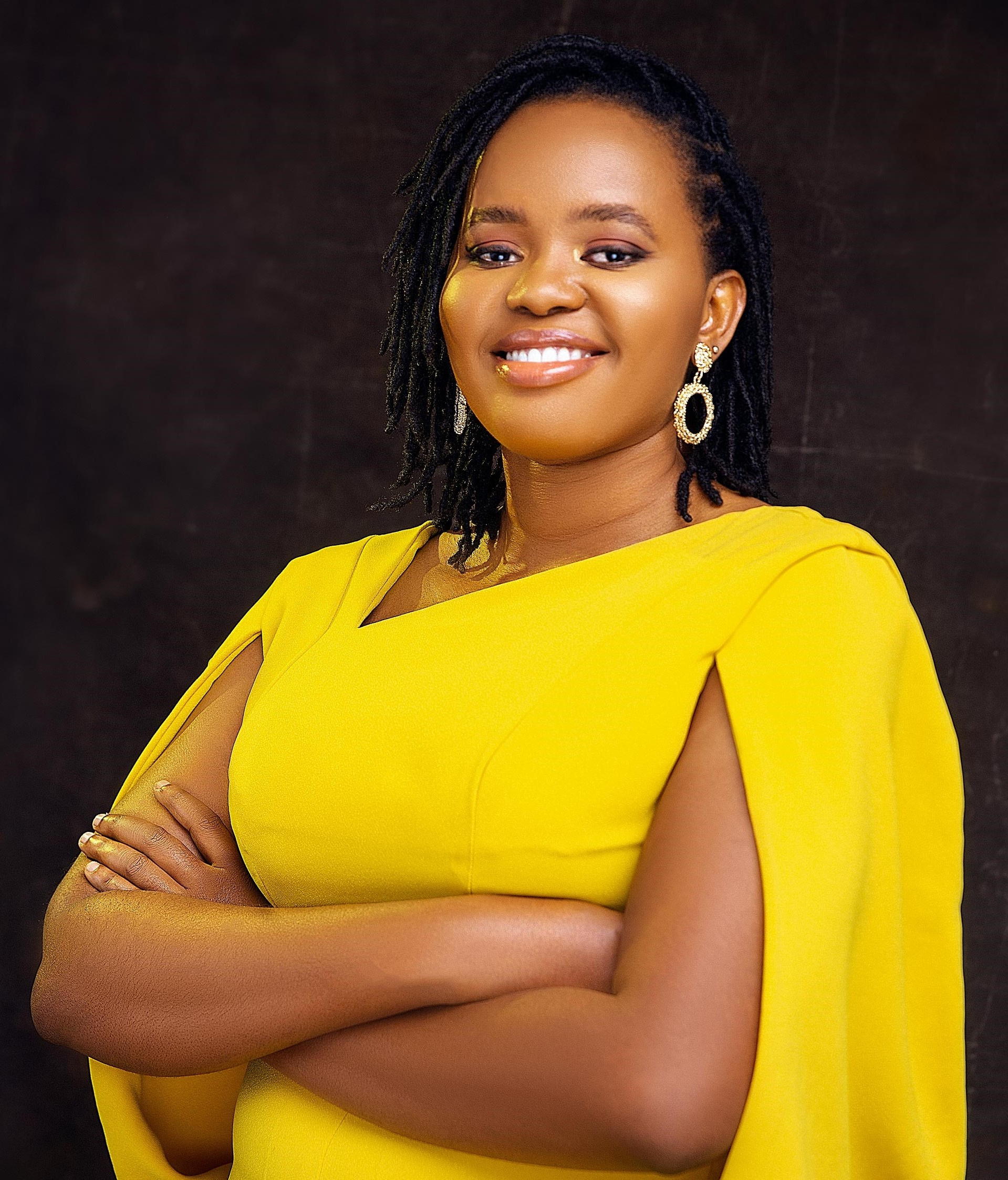 Chima Mmeje is a community leader and advocate committed to building platforms centred on equity, access, and belonging. She is the founder of the Freelance Coalition for Developing Countries, which supports and trains underrepresented BIPOC marketers. Chima also leads The Sinner’s Church, a community that empowers queer individuals to reclaim their Christian faith on their own terms.
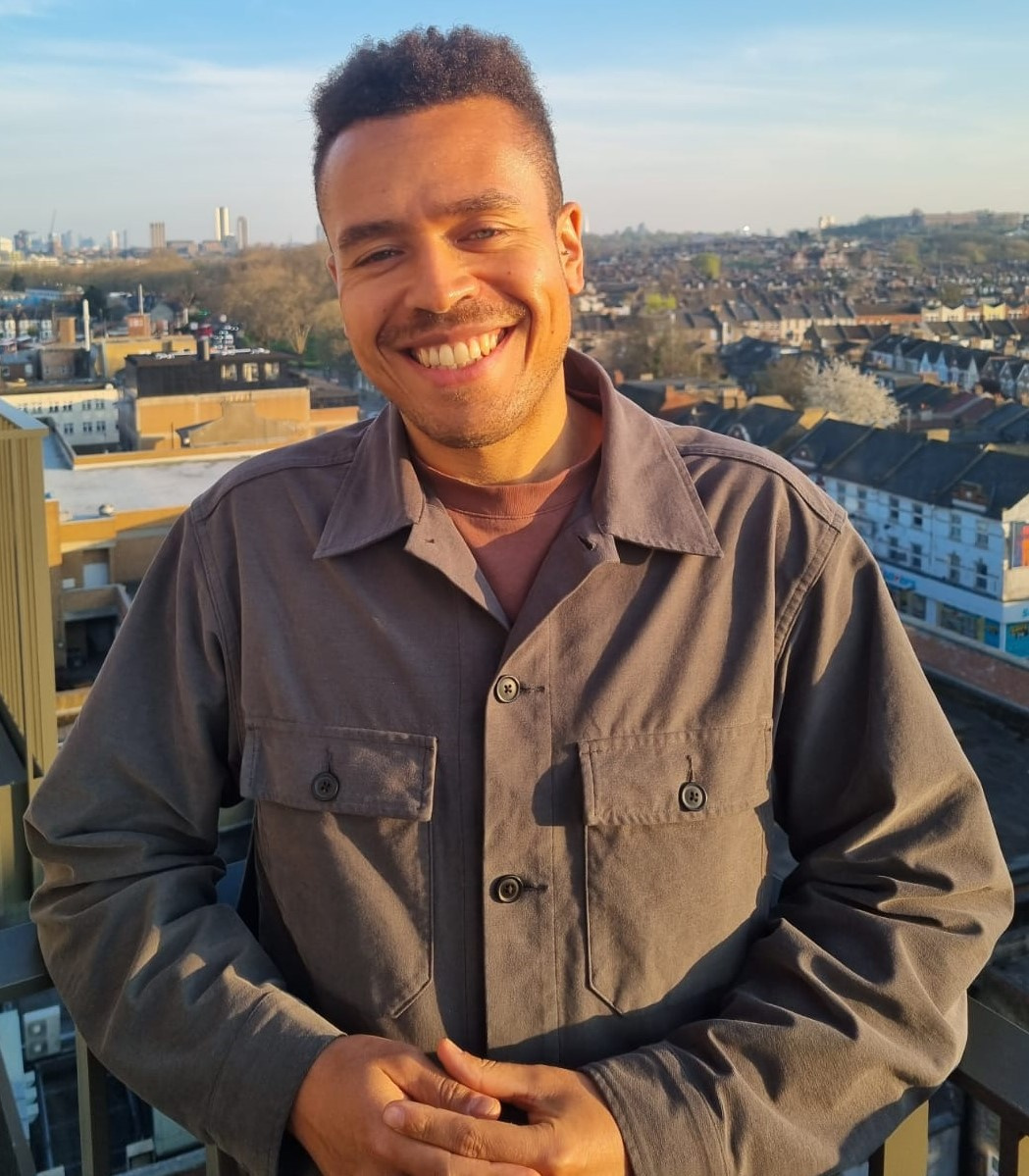
Tommy Gough is a London-based analyst who has been working in investigations and intelligence for the last three years. Prior to moving to London, he spent a year and a half in Shanghai before returning to the U.K. to study a master’s degree in Contemporary Chinese Studies at the University of Oxford. He also has a BA in modern languages from Durham University and is an aspiring fantasy writer. He grew up near Manchester with a Jamaican mother and an English father.
Audio transcription:
ISF: Hello everyone, thank you for tuning in to our podcast. I'm here with Chima Mmeje and Tommy Gough to explore how they navigate being part of the LGBTQ+ communities as well as part of the Black community. I'd like to hand over to Chima first to talk about herself—what she does and who she is.
CM: Hi India, thank you so much for having me. My name is Chima Mmeje, and I’m a content marketer with a SaaS company called Moz. I’m queer, and I’ve been out for—I don’t know—maybe about five years, since I was in Nigeria. And yeah, that’s a little bit about me. And in case my girlfriend is listening to this, I have a wonderful partner as well.
ISF: Thank you, Chima. And Tommy, welcome—thank you so much for joining us too. I can’t wait to speak to you both.
TG: Hi, my name is Tommy Gough. I’m a consultant in the investigations and disputes field. I’ve been out for what feels like most of my life now. I think I came out when I was 14 or 15—15, maybe. And yeah, that’s me.
ISF: Thank you so much. So of course, I want to jump right in and explain to some of our colleagues why we’re here today, what we can change, and why we need to address the issue of reconciling being part of both the Black community and the LGBTQ+ communities—and the challenges you face on a day-to-day basis.
How do you both navigate being part of both the Black community and the LGBTQ+ communities? How do you face these challenges, and how does it inform your understanding of mental health and wellbeing?
TG: I’ll start with this one. I think being Black and queer comes with a lot of intersectional challenges. When you’re part of the Black community, you’re already marginalised in this country—if you’re from the UK. And unfortunately, something that exists within a lot of Black communities is homophobia and prejudice toward members of the LGBTQ+ community.
And the same is true of the queer community—within those spaces, there may also be racism.
So you’re kind of walking this tightrope. It feels like you exist between both of those spaces, and you have to try to meet the expectations of both—conform to what’s expected of you as part of your Black identity and your gay or queer identity. And it is very challenging. It’s not easy to come to terms with that, especially growing up—for a lot of people who come out when they’re younger, like I did, it’s not easy.
And I think for me, I found a lot of solace in art. That’s kind of how I came to accept my identity. I like writing, reading, and art—and that’s always been a huge platform for queer Black creatives. So that was my first port of call growing up: going to the library, looking for those authors. And today, I’m still the same—going to exhibitions by queer Black artists who celebrate the intersection of these identities that we share.
In terms of mental wellbeing more specifically, as I said, there’s so much positivity and joy that you can draw from art. Of course, there are mental health challenges with any path in life, whether you’re straight, gay, or whatever. But with this identity, you might experience more challenges growing up.
Even today, I think it’s still very common that Black people and queer people are disproportionately affected by anxiety, depression, and things like that.
There are a lot of resources and community-driven initiatives. I know the London LGBTQ+ Centre does a lot of really good work around promoting mental health and positivity.
ISF: And I find it particularly interesting—you have an additional layer to navigate, being mixed race. That’s a whole other thing. As mixed race people, you don’t quite fit into one group, and here you are, facing all these other pressures of having to conform.
Thank you so much for sharing your experiences. I think it gives us a lot to think about in terms of how we make everyone feel included when they’re navigating these intersectionalities.
Chima, do you have anything to add?
CM: So I'm coming at this from the lens of someone who lived in Nigeria until only three years ago. And in Nigeria, when people say they don’t see colour, that’s something white people say, and it’s usually racist. But when I say I don’t see colour, it’s because I came from a country where there are only Black people—so I literally did not see colour.
What that meant was that I had a very tunnel-vision view of what Blackness looked like. To me, it was the colour of my skin. But it's also interesting, because there was colourism within that. I grew up seeing how light-skinned people had preferential treatment—how, in the media, on all the billboards, it was always light-skinned Black people. That became the gold standard.
So that was one lens I, by default, used to filter Blackness: that being darker-skinned was a problem, and being lighter-skinned was a good thing. There’s a standard of beauty within the Black community, and there’s beauty privilege that comes with that.
So imagine being queer, being dark-skinned, being not conventionally pretty—and having to navigate all of that in that context.
Being Black in that environment is very, very much shaped by religion. You can’t separate the two. It’s steeped in religion. So you’re not just Black—you’re Black and religious. For me, that’s Black and Catholic. And you know what they say about Catholic guilt—it’s a very strong thing. So both of those identities are deeply interconnected for me. I’m navigating all of that, and then later in life, I add queerness on top.
I went through a period where I think I was in denial for the longest time. I knew I liked girls when I was probably around five years old. I had a crush on this girl who was sixteen. But I didn’t think too much about it until later in life. And then the first thing I thought was, “Oh, one more thing to navigate.”
Because in Nigeria—I’ve seen videos of people killing queer people. They beat them up, put tyres around them, burn them alive. For the girls, they strip them naked and force them to perform sexual acts in front of the people beating them. So imagine watching all of that kind of trauma, and it’s just running through your head: if you come out, this could be your fate.
That was the way I filtered queerness—through fear. Queerness meant death. Queerness meant not being able to hold your partner’s hand in public, not being able to go on dates, constantly watching your back, being paranoid.
ISF: And having to repress that...
CM: Yes, I had to repress that. I tried for so long. And now I realise that even when I dated guys—I’m bisexual—but I didn’t date men because I wanted to. I dated men because I wanted to mask my queerness. So it would keep people off my back. So when they asked, I could say, “Oh, but I have this ex who’s a guy,” or “that ex who’s a guy.”
There’s a lot of homophobia back home. There’s a lot of homophobia in ethnic communities. And it’s not just verbal homophobia—it’s the kind where they want you dead. Where your family will send you to preachers or churches or places where they do really nasty stuff to try to “convert” you.
All that conversion therapy—they do that back home. I’ve heard about young girls who were beaten by churches to “flog out the gayness” from them. I’ve heard about women being forced to go to churches for—what’s the word? No, not therapy exactly... they call it something else. It’s when they put their hands on you to “heal” you or something. There’s a word for it. But basically, they believe queerness is a spirit. A spirit that can be removed.
Yes, they truly believe that. So they try to pray the gay away. They’ll make you fast for days. All these things that strip you of your personality.
So for me, my early experiences of queerness—and of being Black—were steeped in religion, steeped in hiding, steeped in paranoia.
And it wasn’t until 2020 or 2021—I remember I’d just watched that Hugh Jackman movie about P.T. Barnum... the one with the circus. I can’t remember the name now, but it’s a musical.
TG (off-mic): The Greatest Showman.
CM: Yes! The Greatest Showman. I’d just watched The Greatest Showman, and I felt really inspired by the bearded woman in the movie. I felt inspired by how she was able to live her truth, how she refused to stay hidden. She was visible. Her visibility inspired me to also want to be visible.
So I remember going on Facebook and writing a post: “I’m queer.” And that was how I came out—on Facebook. Then I went on Twitter: “I’m queer.” I updated my LinkedIn with a rainbow flag.
My sister came around and I told her, “I’m queer,” and she was like, “Oh, okay. I thought you were going to say you were a lesbian. I didn’t know you were bi.” And that was it. I came out to all my siblings like that. And the world didn’t end.
Because I’d asked myself one question: When I’m 80, looking back at my life, will I have regrets? Will I have ‘what ifs’? Like, what if I married a man instead of a woman? And I didn’t want to live with that. So instead, I took the risk—while I was still in Nigeria—and chose to live in truth.
And what happened was surprising: my family accepted me. Most of my friends accepted me. I didn’t have to change. But I still had to be careful not to date. Because dating in public exposes you to danger. And I was trying to live, then.
So that’s it. That’s the intersection of queerness for me, as someone who lived in Nigeria:
- Forced paranoia.
- True repression.
- And finally, reconciling my Christianity with my queerness—as something that is not a sin, and not something I should be ashamed of.
ISF: Absolutely. And I’m not sure whether you’ve watched Sex Education—there’s a character called Eric. Unfortunately, when he comes out to his parents, they don’t accept it. It’s very difficult for him. He goes back to Nigeria, and there are all these underground clubs that queer people have to go to. It reminded me of the early 1900s—when men were being arrested for “gross indecency” and things like that.
So it’s really interesting to hear your perspective. Thank you so much for sharing such personal stories. I think we really need to shine a light on these issues and help people understand—especially when different countries still hold onto traditional mindsets that aren’t as progressive. It’s tricky navigating those beliefs.
How has all of this impacted your mental health?
CM: Greatly. I think I struggled for so long with self-love—that was the thing I struggled with the most. I remember asking God, Why did you make me queer? Why didn’t you make me straight, so I could have an easier life?
I saw my queerness as a burden. And that deeply affected how I saw myself—and what kind of love I thought I deserved.
That meant that, for too long, I dated people who saw me as a second choice. Because I didn’t believe I deserved to be someone’s number one. And that was all because I didn’t love myself. And I didn’t love myself because I hadn’t accepted my queerness.
So I spent a long time struggling with that part of my identity. It affected me in so many ways—even how I dressed. I dressed like I didn’t want to be seen. I wore clothes that let me hide. I didn’t want to show my body. I felt really awkward in my body.
It took me a long time to accept myself—and that’s because I hadn’t accepted this core part of me, which was my queerness. I was always living in this anxious state, afraid someone would ask, “Are you queer?” I was very tomboyish back then, so people would wonder. And whenever someone asked, my heart would start racing. I’d panic—I’m about to be outed. I’m about to be outed.
And I would deny it. I knew it was a survival thing—but even while denying it, I felt ashamed. Ashamed for denying my queerness. So yeah—it really affected me.
But the moment I came out, the thing that helped me reconcile my queerness with my religion—and with being Black—was first, believing that I am worthy of love. Also believing that God doesn’t make mistakes. That He loves me exactly as I am.
And most importantly, trusting that I’m not a mistake. That this quote-unquote “lifestyle”—as they like to call it back home—is natural. There is nothing unnatural about me. Once I started believing those truths, it helped me accept myself.
ISF: You have that strength—and that’s another thing. As Black women...
CM: But see how long it took, right? See how long it takes to get there?
ISF: We shouldn’t have to be strong all the time. And for those who don’t have that strength—it’s really hard to get through.
CM: Yeah. That thing you just said—“those who are not strong can’t get through”—that’s why so many people commit suicide back home. They get outed, and they can’t imagine living their life with everyone seeing them as gay. They absolutely cannot imagine that existence. So they take their own lives. Or they turn to drugs as a way to escape.
TG: There are so many negative outcomes. I think… like, my mum is from Jamaica—so that’s my Black side. I remember growing up in a very religious household, so my coming to terms with myself was also shaped heavily by religion.
It seems like we’ve shared some similar kinds of soul-searching—around shame, self-loathing even, and not feeling worthy of love. I remember feeling almost… unclean. That was something I think I picked up from my religious upbringing. I thought, Gosh, how could I have grown up in this family—gone to church since the day I was born—and this is what God has given me?
Something that I believed no one in my family would ever accept. And at that time, I still had strong ties to the church. Family friends, church friends—I felt like I had to hide this part of me from them. I believed if they knew, they’d judge me, or they wouldn’t want me around.
I also felt like it would affect my mum—how she was perceived in the community. I thought people would judge her for having a gay son, especially in a space where no one else was openly queer. Statistically, there must have been others—but they weren’t out.
I remember trying to reconcile this part of myself with my Jamaican heritage. I'd hear about these really tragic, horrific events in Jamaica—the violence toward gay people.
And as a child, I never saw that side of it, of course. I was just visiting my grandma, playing at the beach, having a good time. But as I got older and began thinking more critically, I thought, I can’t share this with my family. Even though my mum knew, I assumed no one else would accept me—because of where they grew up, what they believed, how they were raised. Most are religious. Most are Christian.
But I’ve actually been really fortunate. My family has been supportive of my identity. And I think that’s a good segue into talking about how communities are changing. There’s maybe a bit more positivity from some corners of the Black community now—more empathy toward LGBTQ+ issues.
At the same time, there’s still a lot of stereotyping. Both about being Black and about being queer. There’s a lot of misinformation about queerness in general. And within the Black community, I think there are narratives that haven’t really evolved—ideas that are still being passed down without being challenged.
Your point earlier about the film—visibility and representation are so important. Seeing people you can relate to makes a difference. That kind of representation helped my family, too, when they were trying to understand my identity. Seeing Black queer people in the media—not just stereotypes—helped shift perspectives.
Like, yes, you can be queer and religious. You can still live a full, peaceful life. I personally don’t identify as religious anymore—but I know queer people who do, and who’ve found peace with it.
ISF: It’s interesting because you can’t generalise. Some people from the Black community are deeply empathetic, while others aren’t. It really depends on the person—their experiences, their values, their personality.
Have either of you—or people in your communities—faced barriers when accessing healthcare because of your identity? Of course, we already know there’s a stigma in general, and that it's harder for Black people to access healthcare. Mortality rates among Black women are evidence of that. But have you experienced any of this personally?
CM: So I think in Nigeria—and I keep bringing it up because it’s where I’ve lived most of my life—it's really dangerous.
You don’t even go to the hospital when you need help. Let’s say you’re entering a new relationship. The first thing you should be doing is getting tested, talking about sexual health. But how do you do that as a queer person in a country where—well, I don’t want to say everyone, but most people, including those in the healthcare system, are deeply homophobic?
That’s why people get infected—because they don’t feel safe accessing healthcare.
So the first barrier is safety. It’s not just that healthcare isn’t available—it’s that it’s not safe to try. You don’t feel safe even walking into the room, let alone telling a doctor that you’re queer.
Usually, the only queer people who can safely access healthcare are the rich ones—because, like in most places, money offers a level of protection. But for the average queer person? If they want to go to a government hospital and talk to a doctor about something specific to their identity… they just can’t.
The other barrier is visibility. There just aren’t any healthcare programs tailored to the unique issues queer people face—not when I lived in Nigeria, anyway. You didn’t see queer doctors, or queer nurses, or queer healthcare providers who had lived experience.
And unless you’ve lived that experience, how can you build systems to support it? How can you fix something you don’t even know exists?
That gap is huge—queer people creating healthcare for queer people just wasn’t a thing back home. And there’s another big barrier: fear.
There’s judgment—even if you’re straight. You go to the hospital and say you have an STI, and you’ll see the judgment on their faces. From people who are supposed to be neutral and provide medical advice.
A lot of the advice you get is shaped by religion or personal bias—not what’s best for your health.
So, yeah—there are so many roadblocks when it comes to accessing healthcare as a queer person in Nigeria. Since I’ve been in the UK, though, it’s been a different experience. When I got with my girlfriend, we went to an NHS clinic to get tested—no problem. Easy. I’ve seen my GP and received support. I’ve even accessed queer therapy. There’s just more support here for me, as a Black queer person.
But there’s still one thing I’ve noticed as a Black woman, which is really interesting—how people treat you when you’re in pain. They expect you to be able to handle it.
I’ve had two surgeries in the past year. After the first one, they didn’t give me enough… what’s the thing they’re supposed to give you, so you don’t wake up in pain?
ISF: Anaesthetic?
CM: Yes—anaesthetic. They didn’t give me enough. I woke up in so much pain. I was screaming—it was the most unimaginable pain I’ve ever felt. And it was all white nurses. I kept telling them, I’m in pain. I’m in pain. I need medication. And they just micro-dosed it. They didn’t believe me. There’s this inherent bias—that Black women can “handle” pain. I had to advocate for myself constantly. By the time I had the second surgery, I was very clear: You need to give me enough pain medication. Because—even though I’m Black—I feel pain too.
That’s been the most unique thing I’ve noticed—having to fight to be believed. Having to speak up constantly.
ISF: That’s really interesting. Actually, there’s a great book by Dr. Annabel Sowemimo called Divided, which focuses on decolonising healthcare. It discusses how Black women have historically been denied adequate pain medication, like epidurals during pregnancy. The perception that Black women are inherently stronger or have “harder skin” leads to assumptions that we don’t feel pain the same way. It’s horrifying to hear that you’ve had to experience that kind of bias in the UK today. The constant idea that Black women are strong and have higher pain thresholds and don’t need looking after is just absurd.
Tommy, would you like to add anything to that?
TG: Yeah, definitely. From my experience, especially within Black communities, there’s a real fear or stigma around accessing certain healthcare services. For me, growing up, words like “anxiety,” “depression,” or “therapy” just weren’t part of the conversation. If you had a problem, you prayed about it. So, there was a cultural barrier that made it hard to seek mental health support, even though the NHS provides access.
Queer people also have their own fears around healthcare, often connected to safety. When you’re marginalised — doubly marginalised, even — having a safe space to access care is crucial, but not always guaranteed.
My partner is a mental health social worker, and I know there are efforts to provide extra training to support vulnerable groups, including Black and queer communities. It’s not perfect, but it’s a start.
One positive thing I’ve experienced in the UK is being able to choose a therapist based on preference — like selecting a Black therapist or a queer Black therapist. When I last had therapy, I was able to talk to a queer Black therapist, and that made a huge difference. It felt like being truly seen and understood, which I never had growing up.
ISF: Absolutely, especially since it’s so much harder for us to get into these jobs in the first place—we often have to work twice as hard.
So, what advice would you give to someone struggling to reconcile their Afro-Caribbean identity with their LGBTQ+ identity?
CM: When I was thinking about coming out, I told myself this: Imagine you’re 70 or 80 years old. You married someone of the opposite gender, you have grandkids, but your life is filled with regret and “what ifs.” You think about what could have happened if you’d married someone of the same sex, and all the people you tried to protect — your parents, aunties, uncles — have passed away. New people have come into your life, and they don’t carry those same judgements.
If you picture that, and you feel regret, you realise that all those sacrifices you made to protect others didn’t really matter — they lived full lives anyway. So now, imagine yourself five years from now, having married the love of your life, same sex. Some people may judge you, but eventually, they move on. You are happy, fulfilled, and have no regrets. That’s the future I’d choose.
It’s scary — when you come out — but it’s worth it. Start with one person you trust. For me, it was my sister. When I told her I was bisexual, she said, “Oh, I thought you were gay.” That was it — so much easier after that.
So, ask yourself: do you want a life full of regrets, or do you want to live one day in your truth?
ISF: That’s beautiful, thank you. Tommy, would you like to add anything?
TG: That was really poetic. I’m not sure I can top that. I’d say that when you’re Black and queer, your inner child has a lot of healing to do. For many of us, there’s trauma from growing up, and we spend a lot of time trying to protect that vulnerable little version of ourselves.
But time does heal wounds. There’s space for everyone who’s queer and Black to find their community and their place. For me, that was through writing, art, and creative expression — and I know it’s a source of joy and inspiration for many queer Black creatives in music, fashion, dance, literature, and more.
One thing that stuck with me was when I wasn’t fully out, my aunt said something small but powerful. She told me about new neighbours — a gay couple — and praised how successful and happy they seemed. It made me feel uplifted and hopeful. It showed me that it’s possible to live a “normal” and happy life, even if it takes time.
For some, life might be easier if you’re born into wealth and privilege, but for most of us, we’ll get there in the end.
ISF: Absolutely. Thank you both so much — this has been amazing and so helpful.
And just to add, there’s now a surge of novelists and playwrights from queer Black communities. My friend Warona Jay just published her first novel exploring these themes, The Grand Scheme of Things. There’s also the play For Black Boys Who Have Considered Suicide When the Hue Gets Too Heavy — it includes navigating being a gay man presenting a certain way among friends, and it’s incredible.
More people should watch these shows, read these books, and hear these stories — especially through platforms like this podcast. Thank you both again for joining me today. It’s been wonderful.
TG: Thank you for having us.
CM: Thank you.
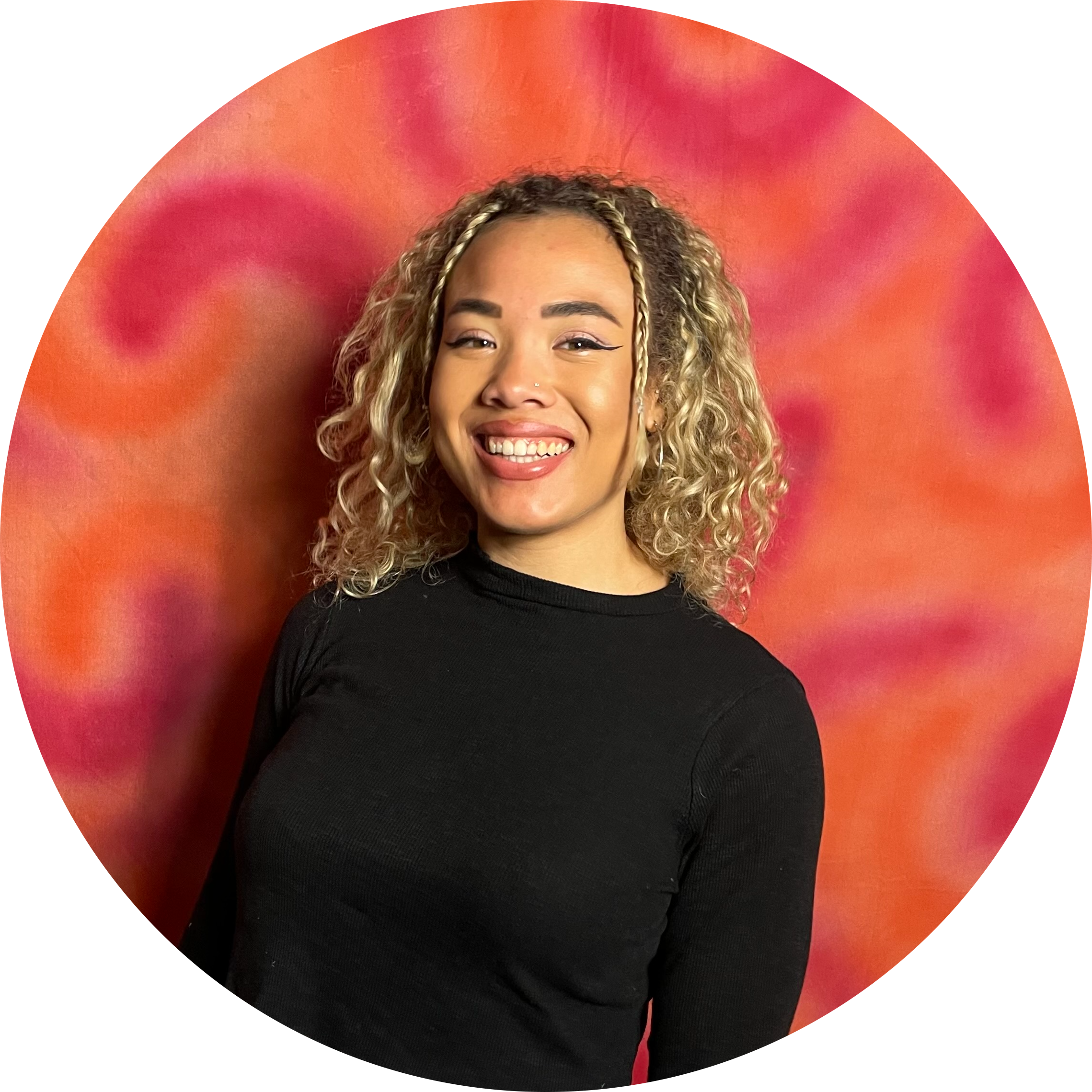
India completed her BA in Classics (Latin and Greek) in 2019, graduating with First Class honours. She then pursued a postgraduate MA, which she completed in 2020 with Distinction. In 2021, she joined Springer Nature as an Editorial Assistant, progressing to Production Editor in 2022, and becoming an Associate Publisher in 2023. She is also one of the leaders of Springer Nature's Black Employee Network.
Follow the Topic
📢 Introducing: # Mental Health
Mental Health is a Topic created to increase visibility and impact of research in this area and facilitate exchange amongst researchers.
Continue reading announcement