Islamic Jurisprudence, Biomedical Ethics, and the Social Construct in Relation to Intersex People
Published in Social Sciences, Behavioural Sciences & Psychology, and Philosophy & Religion

In Islamic jurisprudence, intersex people are known as khuntha – those who have both male and female reproductive organs. To determine the sex of a child, it is necessary to analyze certain symbols at birth or immediately after. Determining the sex of a newborn and its future role in society (male or female) accurately is of great importance in the Middle East.
Once the sex is determined, the child will be considered to have that sex in all legal decisions, including inheritance issues. Every effort must be made to determine the sex of khuntha, since many rituals, rights, and responsibilities are gendered, including prayers, marital roles and responsibilities, washing the dead, and inheritance. However, it is sometimes difficult to determine which sex is dominant in a child, which is why such children are called "khuntha mushkil" (difficult). Therefore, parents of intersex people in the Middle East often resort to surgical methods to assign the "correct" sex, and then raise the child according to their social and economic needs.
In 2012, the Islamic Council for Fatwa Bayt al-Maqdis (2012) issued a Fatwa which advises (1) confirming any health risk conditions; (2) considering surgery only as a last resort; (3) ensuring high probability of benefits by assigning a gender; (4) obtaining patient acceptance of the surgical treatment; and (5) securing the availability of skilled surgeons and their assistants. Yet, both parents and doctors are often unaware not only of the rules for treating intersex people, but also of Islamic bioethics in relation to this sensitive theme.
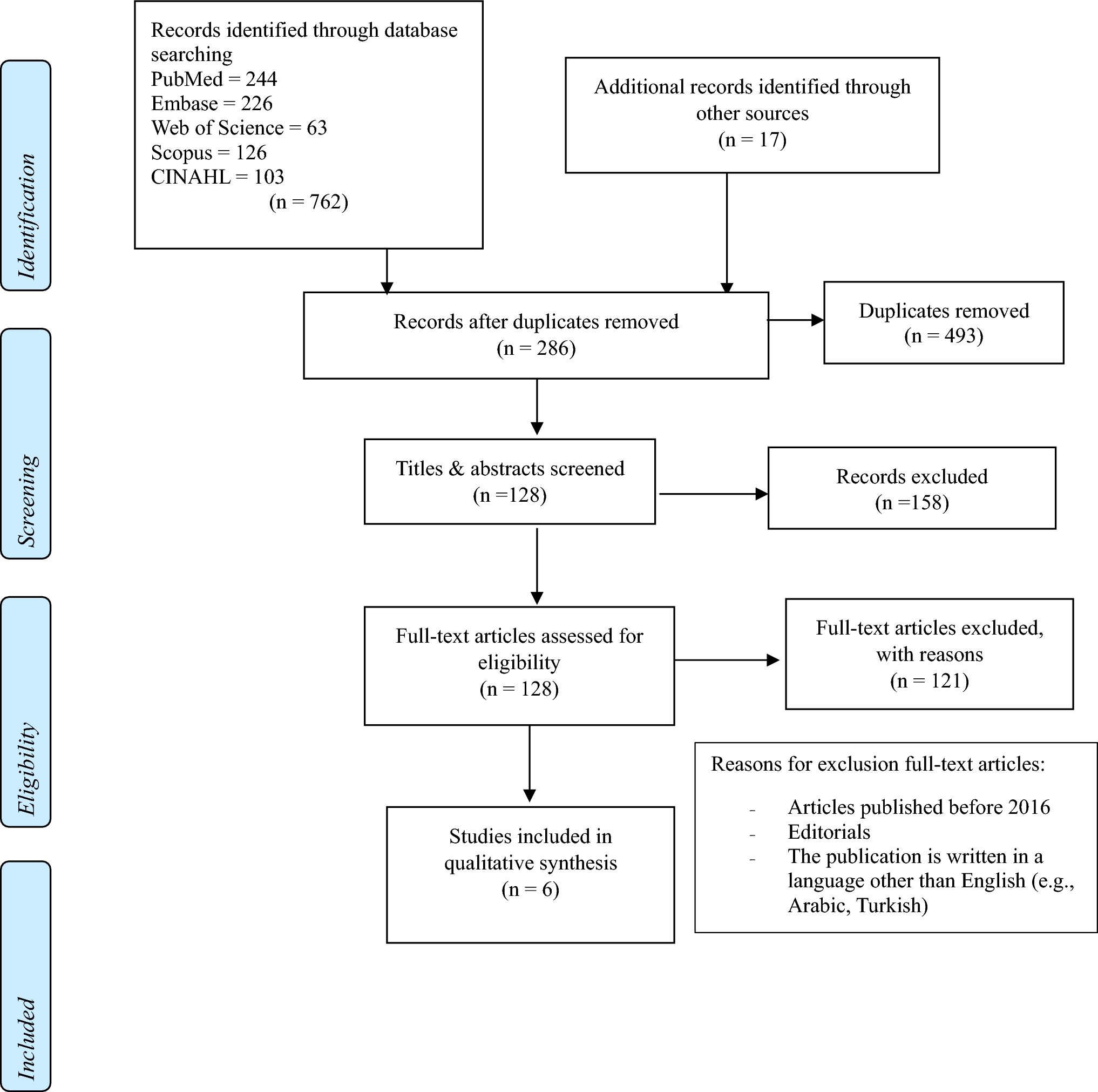
In this article, I aimed to gain a deeper understanding of the existing literature on intersex individuals in the Middle East and North Africa (MENA) region, specifically how they are perceived, accepted, and treated by their families, communities, and healthcare providers. Three themes have emerged from the data I collected and analyzed: (i) Islamic jurisprudence and khuntha people; (ii) biomedical ethics and khuntha people; (iii) social construct and khuntha people.
These themes highlight the fact that despite progress in scientific and public interest in equal rights and opportunities for all, in the MENA region, people of sexual and gender diversity continue to be stigmatized within their families, communities and, most concerning, by health care providers. Moreover, doctors, as the central actors dealing with the bodies of newborn children, continue their experiments, often without informing or educating parents about the long-term consequences for their child. In contrast, if doctors and society were equally aware of the importance of puberty, when all major organs and systems of the body mature, including those involved in sexual and reproductive maturity, khuntha people could make decisions about sex assignment procedures (based on their already formed gender identity) and the consequences would be less devastating.
In essence, the authors of the studies I reviewed unanimously urge parents to adhere to the principles of Islamic law by delaying the decision to choose the sex of the child until puberty and the appearance of secondary sexual characteristics, which is consistent with Islamic bioethical principles. My further analysis revealed even more alarming patterns. Despite the socio-ethical and parental stigmatization of khuntha children and the parents’ attempts to correct their child’s sex and gender, children experience even greater social stigmatization after puberty and into adulthood, when their true gender identity is formed and does not correspond to their sex. This leads to adjustment and self-esteem issues, infertility, and/or uncertainty about gender identity. Moreover, children and families who experience this are described as being subject to shame and fear of negative reactions, which can lead to lifelong social isolation.
Alas, despite these detrimental long-term consequences, gender assignment is often based on specific needs, often driven by socio-cultural factors. For example, an intersex individual may be assigned male with the expectations that “they will help the family economically in the future,” as stated in the study by Chabbouh et al. (2023).

Follow the Topic
-
Archives of Sexual Behavior
This journal is the official publication of the International Academy of Sex Research (IASR) and publishes scientific research on sex, gender, and sexuality.