Marine peptides in lymphoma: surgery at molecular level for therapeutic understanding
Published in Chemistry, Research Data, and Biomedical Research

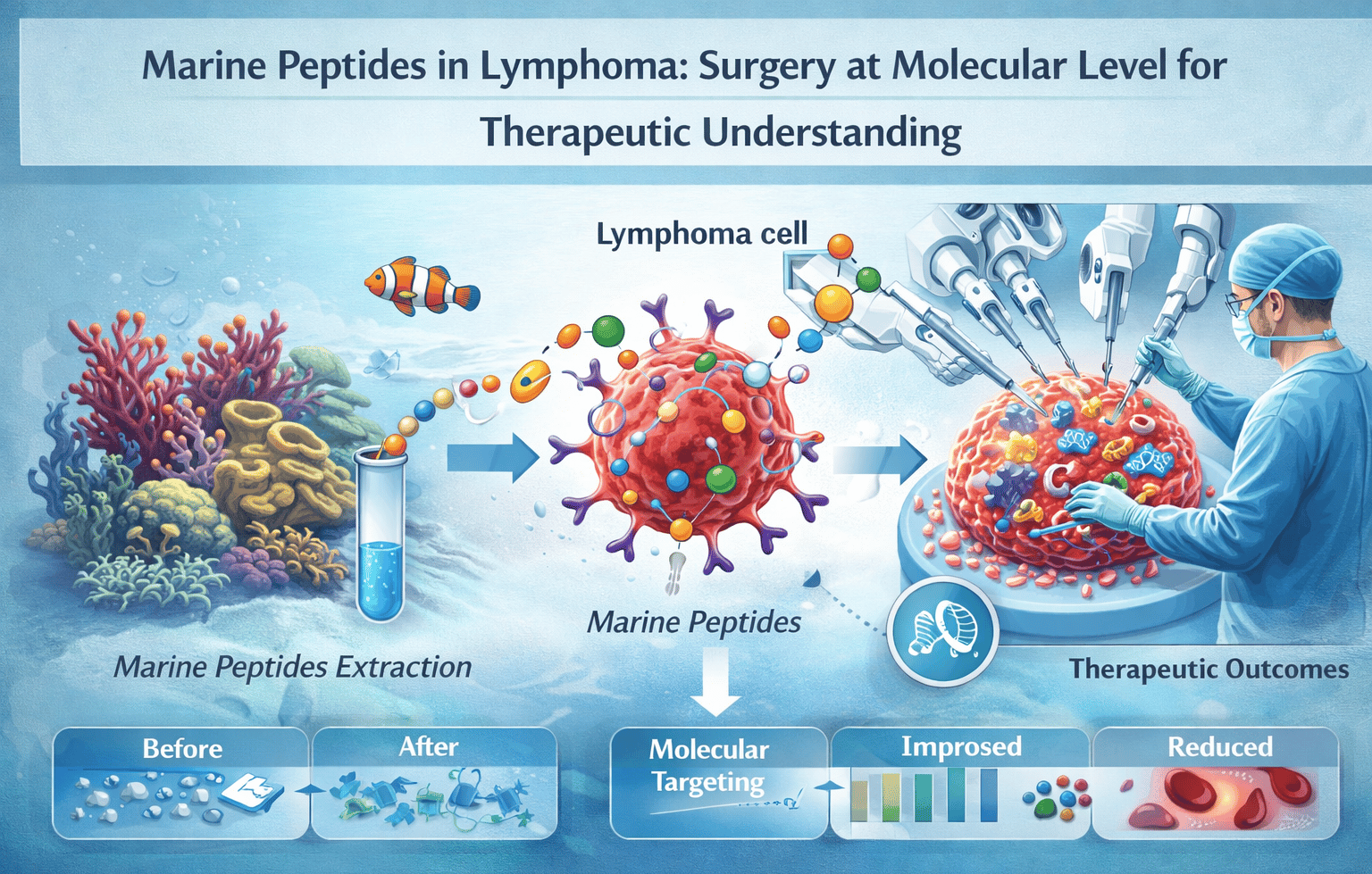




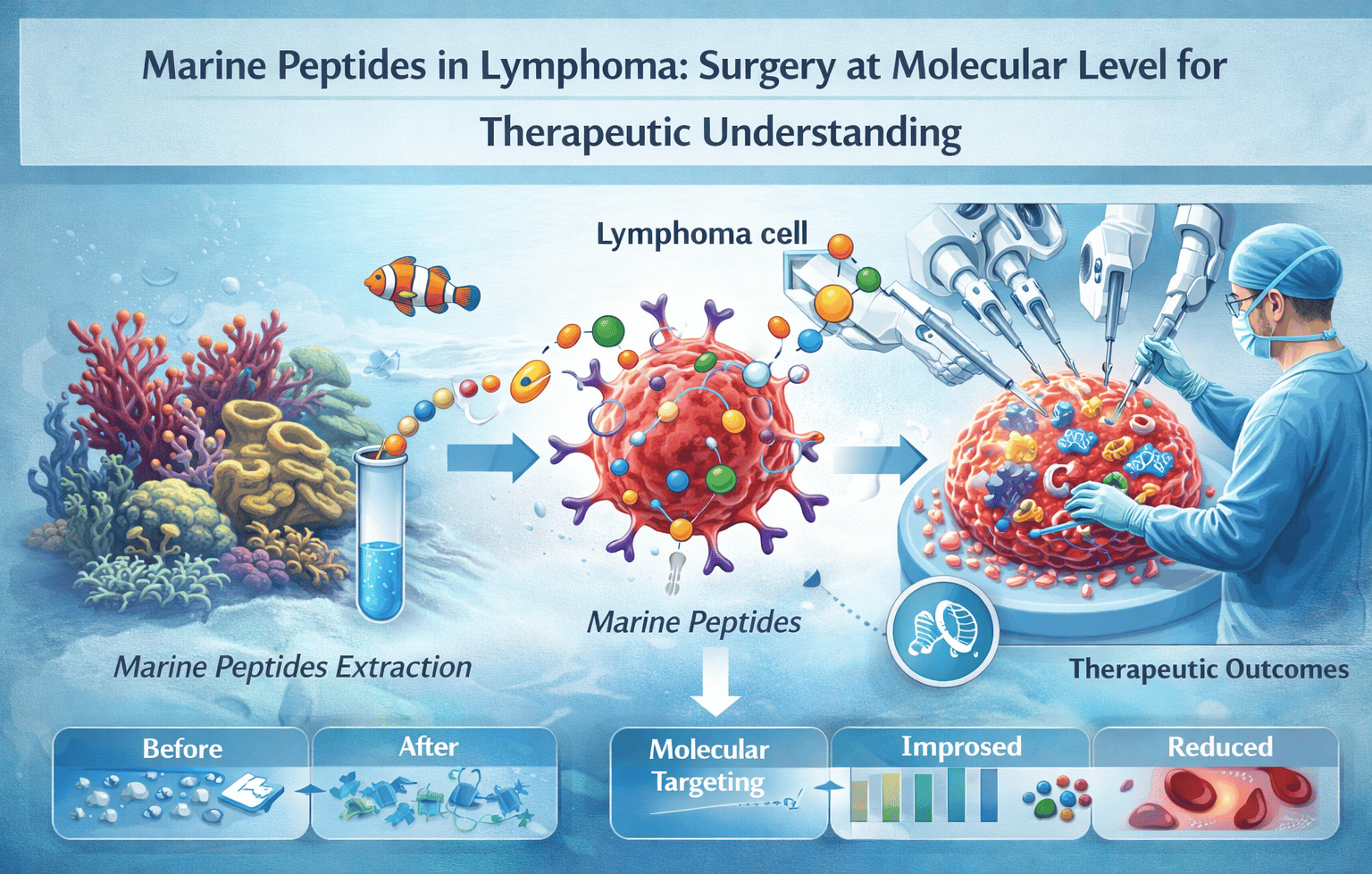
Marine Peptides in Lymphoma: Surgery at the Molecular Level
As a researcher working at the intersection of natural products and cancer biology, I often ask a simple question: can nature teach us to treat cancer more precisely and more gently? My recent work exploring marine peptides in lymphoma has convinced me that the answer may well be yes.
Lymphoma, the most common cancer of the blood and lymphatic system, remains a global health challenge. While chemotherapy and targeted drugs have saved countless lives, many patients still face relapse, drug resistance, or severe side effects. These realities continue to motivate researchers like me to search for alternatives that are not only effective, but also safer and more selective.
This is where the ocean enters the story.
Why Look to the Sea for Cancer Solutions?
The marine environment is one of the most chemically diverse ecosystems on Earth. Organisms living under extreme conditions—high pressure, low light, intense competition—have evolved powerful molecular tools to survive. Many of these tools take the form of small proteins called peptides.
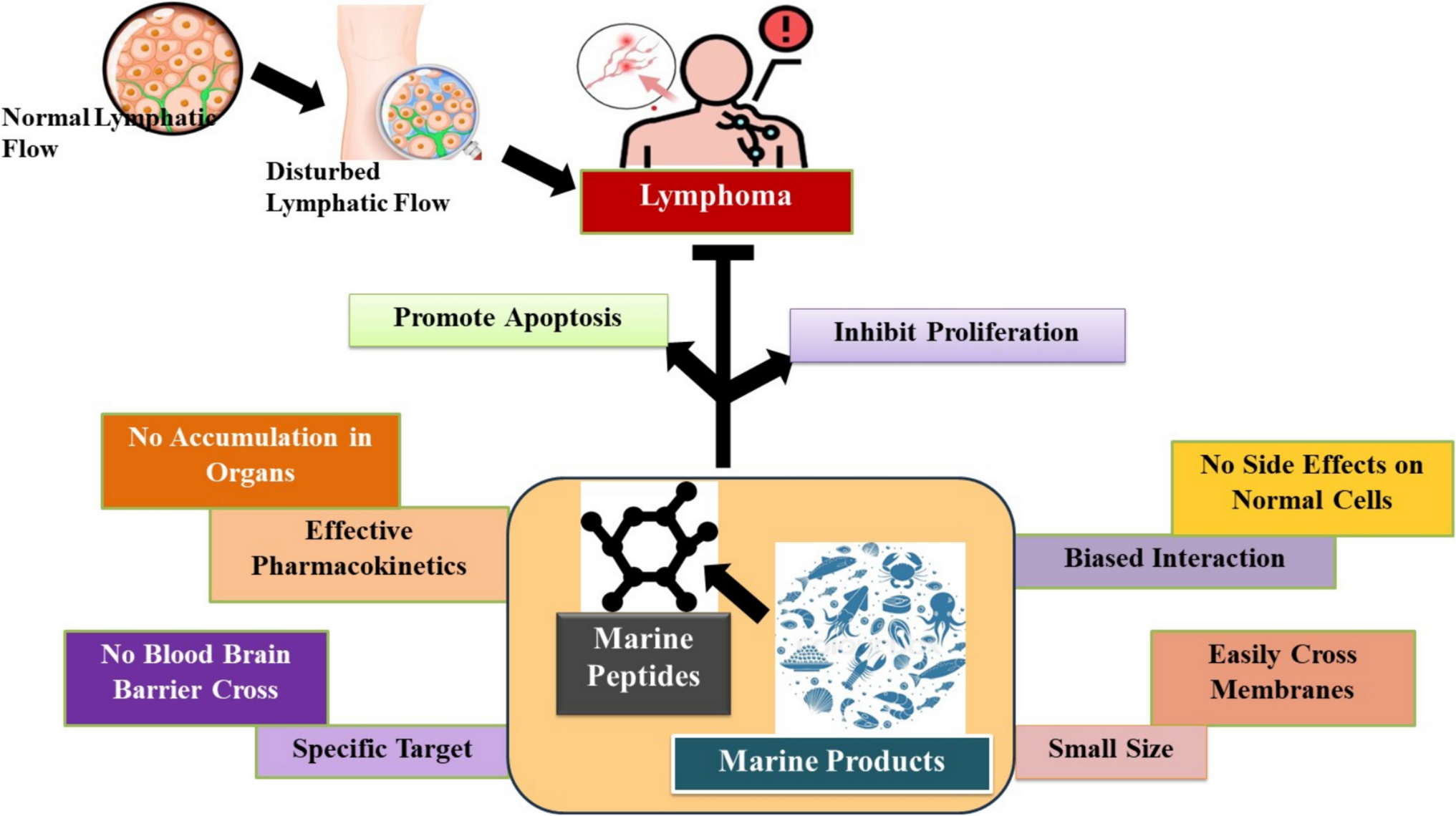
What fascinates me about marine peptides is their precision. Unlike conventional chemotherapy, which often affects healthy and cancerous cells alike, these peptides can behave like molecular surgeons—interacting with specific targets inside cancer cells while sparing normal tissues.
During my research, I became increasingly intrigued by how these peptides could reshape the way we think about lymphoma treatment.
Understanding Lymphoma Without the Jargon
Lymphoma arises from immune cells that normally protect us from infection. When these cells grow uncontrollably, they disrupt the lymphatic system—a network of lymph nodes, vessels, and organs critical for immune defense.
Current treatments work by killing rapidly dividing cells or blocking certain signaling pathways. While effective, they often come with trade-offs: toxicity, immune suppression, and limited options once resistance develops. This makes lymphoma an ideal candidate for targeted and biologically inspired therapies.
Marine Peptides as Molecular Surgeons
What makes marine peptides so compelling is their multifunctional nature. Rather than relying on a single mechanism, they can attack cancer cells on several fronts.
In our review, we explored how marine peptides:
- Reduce cancer cell survival
- Trigger programmed cell death (apoptosis)
- Halt the cell cycle, preventing uncontrolled growth
- Disrupt microtubules, which cancer cells need to divide
- Damage cancer cell membranes directly
- Alter mitochondrial function and increase oxidative stress
- Modulate immune responses against lymphoma cells
This combination of actions is especially promising in drug-resistant or relapsed lymphoma, where cancer cells have learned to evade single-target drugs.
What Makes Peptides Different from Traditional Drugs?
One of the most encouraging aspects of marine peptides is their selectivity. Many peptides interact preferentially with cancer cell membranes, which differ in composition and charge from normal cells. This allows peptides to recognize and attack malignant cells more effectively.
From a researcher’s perspective, this selectivity is exciting because it suggests the possibility of lower toxicity, fewer side effects, and improved patient quality of life—goals that are sometimes overlooked when treatment success is measured only in survival statistics.
Antibody–Drug Conjugates: A New Frontier
One of the most innovative developments discussed in our work is the use of marine peptides in antibody–drug conjugates (ADCs). In simple terms, ADCs act like guided missiles: an antibody delivers a toxic payload directly to cancer cells.
Marine peptides are proving to be excellent payloads due to their potency and ability to disrupt critical cellular structures. When combined with antibodies that recognize lymphoma-specific markers, these peptides offer a powerful strategy to enhance precision while minimizing collateral damage.
Seeing how natural marine molecules are being integrated into advanced biotechnological platforms has been one of the most inspiring aspects of this research journey for me.
Synergy Instead of Replacement
It is important to emphasize that marine peptides are not necessarily meant to replace existing lymphoma therapies. Instead, they may work alongside current treatments, enhancing effectiveness or overcoming resistance.
Several studies suggest synergistic effects when peptides are combined with conventional anti-lymphoma drugs. This opens the door to combination therapies that use lower drug doses while achieving better outcomes—something patients and clinicians alike are eager to see.
Reflections from the Research Process
Writing this review made me reflect on how far cancer research has come—and how much further it can go by learning from nature. As someone trained in pharmacognosy, I find it deeply satisfying to see natural compounds move from ecological curiosity to serious therapeutic candidates.
This work also reminded me that innovation often happens at boundaries: between marine biology and oncology, between traditional natural product research and modern molecular medicine.
Challenges Still Ahead
Despite their promise, marine peptides face practical hurdles. Issues such as large-scale production, stability, delivery, and regulatory approval remain significant. Translating laboratory success into clinical reality is never straightforward.
However, the rapid advances in peptide synthesis, drug delivery systems, and biotechnology give me confidence that these challenges are surmountable.
Looking Toward the Future
Marine peptides represent a new way of thinking about cancer therapy—not as blunt force, but as precise molecular surgery. For lymphoma, a disease marked by complexity and recurrence, this approach could be transformative.
As a researcher, I believe that exploring marine-derived peptides will not only expand our therapeutic toolbox but also inspire a more nuanced, biology-driven approach to cancer treatment. The ocean has spent millions of years perfecting molecular strategies for survival—perhaps it is time we listened more closely.
Follow the Topic
-
Naunyn-Schmiedeberg's Archives of Pharmacology
This is a dedicated platform for new and significant information on drug action and toxicity of chemical compounds.

Related Collections
With Collections, you can get published faster and increase your visibility.
Drug Repurposing
Publishing Model: Hybrid
Deadline: Ongoing
Clinical Pharmacology and Pharmacovigilance
Publishing Model: Hybrid
Deadline: Ongoing