Microplastic exposure reduces productivity in freshwater integrated multi-trophic aquaculture systems
Published in Ecology & Evolution, Sustainability, and Agricultural & Food Science
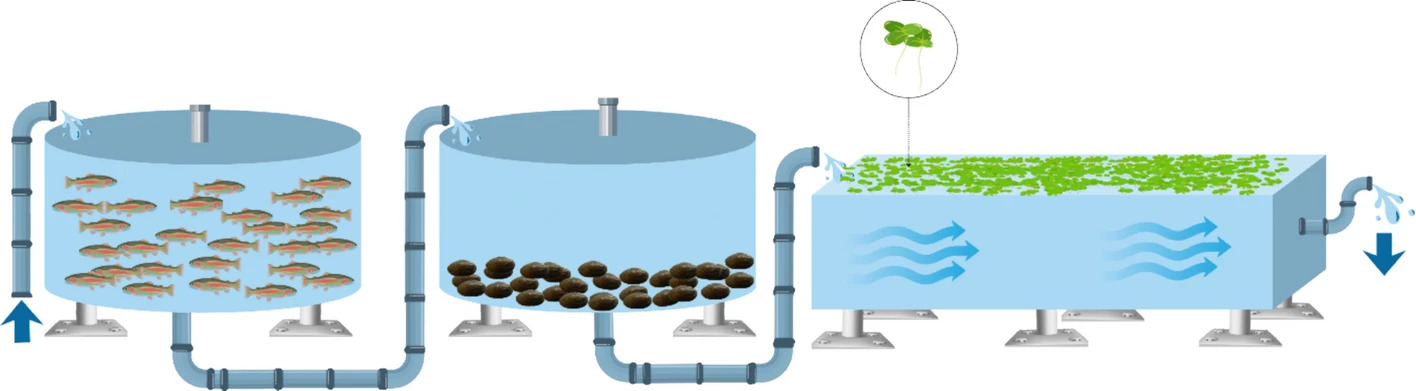
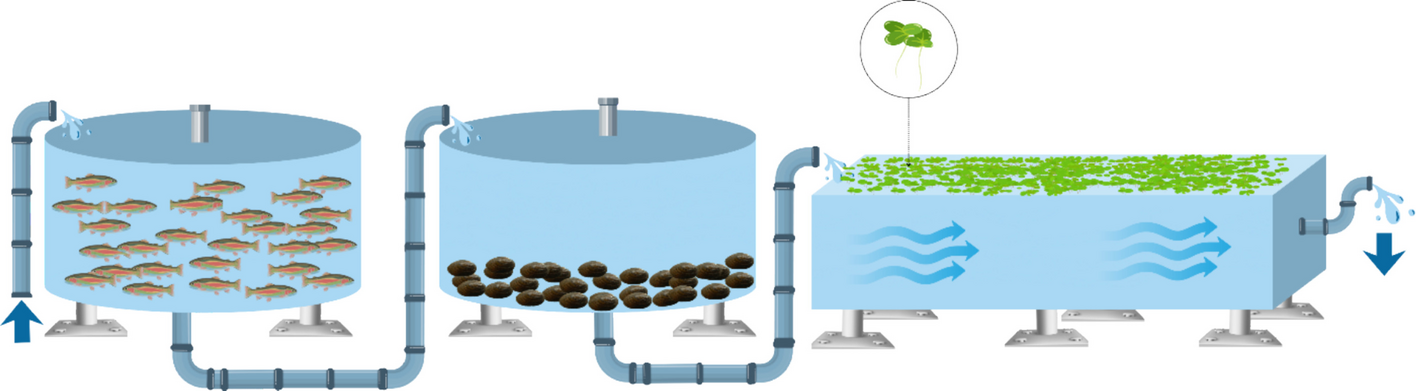

Freshwater IMTA systems are increasingly promoted as sustainable aquaculture models because they improve nutrient recycling and support biomass production across multiple trophic levels. However, the consequences of microplastic contamination for the overall productivity of such systems remain insufficiently understood.
In this study, we experimentally evaluated the effects of polyethylene microplastic exposure delivered through feed, water, and combined pathways in a freshwater IMTA system composed of rainbow trout (Oncorhynchus mykiss), freshwater mussels (Unionidae), and duckweed (Lemna minor). The exposure phase lasted 45 days and was followed by a 45-day depuration period.
The results showed that microplastic exposure generated measurable but route-dependent effects across trophic compartments. Fish growth responses were modest overall, although transient reductions in average daily gain and feed efficiency were observed in exposed groups during the exposure phase. Freshwater mussels showed lower per-capita filtration performance under combined exposure, while duckweed biomass production was reduced most clearly in the combined treatment. When these responses were integrated at the system level, the combined feed- and water-borne exposure produced the greatest reduction in overall IMTA productivity.
These findings suggest that microplastic contamination may alter biomass distribution and functional performance in freshwater integrated aquaculture systems, especially when multiple exposure routes occur simultaneously. The study contributes to a better understanding of how emerging contaminants influence sustainable aquaculture design, trophic interactions, and system resilience.

Follow the Topic
-
Aquaculture International
Aquaculture International is a peer-reviewed journal that publishes research on all aspects of aquaculture. It examines the biology, physiology, pathology and genetics of cultured aquatic species.

Related Collections
With Collections, you can get published faster and increase your visibility.
Sustaining Life Below Water: Conserving, managing, and protecting our marine and freshwater resources
In support of the UN Sustainable Development Goal SDG14 we are calling for submissions for this new collection on Sustaining Life Below WaterPlastic waste, overfishing, ocean acidification, increasing eutrophication are some of the major threats endangering our oceans, rivers and lakes. With this collection we aim to create a cross-disciplinary home for research articles, perspectives, and emerging topics addressing the conservation and sustainability of the use of our marine and freshwater resources. By putting scholarship supporting this UN Goal in the spotlight we hope to increase the scientific knowledge and awareness of the targets and indicators set by the UN Goal such as reducing marine pollution, strengthening resilience, restoring coastal ecosystems, minimizing the impacts of ocean acidification, reducing destructive fishing practices, providing access for small-scale fishers to marine resources and markets and more.
We call for submissions on (but not limited to) the following topics:
•Biotelemetry and bio-logging
•Dam removal policy and development
•Economic benefits to Small Island developing States and least developed countries through sustainable management of fisheries, aquaculture and tourism
•Effects of reef degradation on ecosystem goods and services
•Environmental DNA and RNA
•Environmental flows
•Fish migration and passage
•Fisheries-induced evolution
•Floodplain management
•Hydropower mitigation
•Links between reef health and human health
•Methods and case studies and their scientific assessment, to manage, protect, and restore wetlands, to prevent and significantly reduce wetland pollution, in particular from land-based activities, including sedimentation from poor land-use, plastic and nutrient pollution
•Physiology and health of wild fish
•Preventing and reducing (plastic) pollution/waste in particular from land-based activities, including marine debris and nutrient pollution
•Policy development in river and lake management
•Reducing/minimizing ocean acidification
•Regulating harvesting, ending of overfishing and destructive fishing practices, and science-based management plans to restore fish stocks
•Restoration goals in lake management River and lake restoration
•Strengthening resilience and restoration of coastal ecosystem Understanding and improving sustainable use of coral reef resources.
How to submit? Please use the Submit to this journal link from the participating journals. These journals can be viewed in the right menu. During submission you will be asked if you would like your article to be included in a Topical Collection. Select ‘Yes’ and select the name of this collection from the drop down menu: TC: Sustaining Life Below WaterSubmissions to the collection may be original research articles, perspectives or review articles. Please read the submission guidelines for each journal before submitting. Each submission will undergo thorough and rigorous peer review according to each journal’s peer review editorial policy. Accepted articles will be published in their respective journal and will benefit from being cross-linked as well on the collection page.
The following journals are participating in this collection:
•Aquatic Ecology
•Aquaculture International
•Aquatic Sciences
•Coral Reefs
•Environmental Biology of Fishes
•Estuaries and Coasts
•Fish Physiology and Biochemistry
•Fisheries Science
•Hydrobiologia
•Journal of Applied Phycology
•Journal of Coastal Conservation
•Journal of Ocean University China
•Limnology
•Marine Biology
•Marine Biotechnology
•Maritime Studies
•Ocean Science Journal
•Reviews in Fish Biology and Fisheries
•Thalassas: An International Journal of Marine Sciences
•Wetlands Ecology and Management
Publishing Model: Hybrid
Deadline: Ongoing
Innovations in disease control and diagnosis
The journal Aquaculture International publishes a continuous Topical Collections on Innovations in disease control and diagnosis. We now call for papers covering Innovations in disease control and diagnosis. Some examples of review or original research papers that would be relevant to this call include:
• Developments in adjuvants for use with injectable vaccines
• Developments in oralisers to increase the effectiveness of oral vaccines
• New non specific immunostimulants and their effectiveness at controlling disease
• The use of probiotics, prebiotics and medicinal plant products in field situations
• Probiotic, prebiotic and/or medicinal plant combinations
• Determination of the active components of medicinal plants leading to studies with purified compounds to determine their effectiveness for disease control
• Effective dosages, longevity of protection, and the ideal time to use these disease control agents
• New methods of disease diagnosis
• The value of diagnosis in effecting disease control
HOW TO SUBMIT? Submit your article to one of the Topical Collection via Snapp – New Editorial Manager or by clicking on the Submit manuscript button on the home page of Aquaculture International During submission you will be asked if you are submitting to a Topical Collection.Publishing Model: Hybrid
Deadline: Ongoing