Non-Dutch gut microbiome cohorts should not be forgotten
Published in Biomedical Research

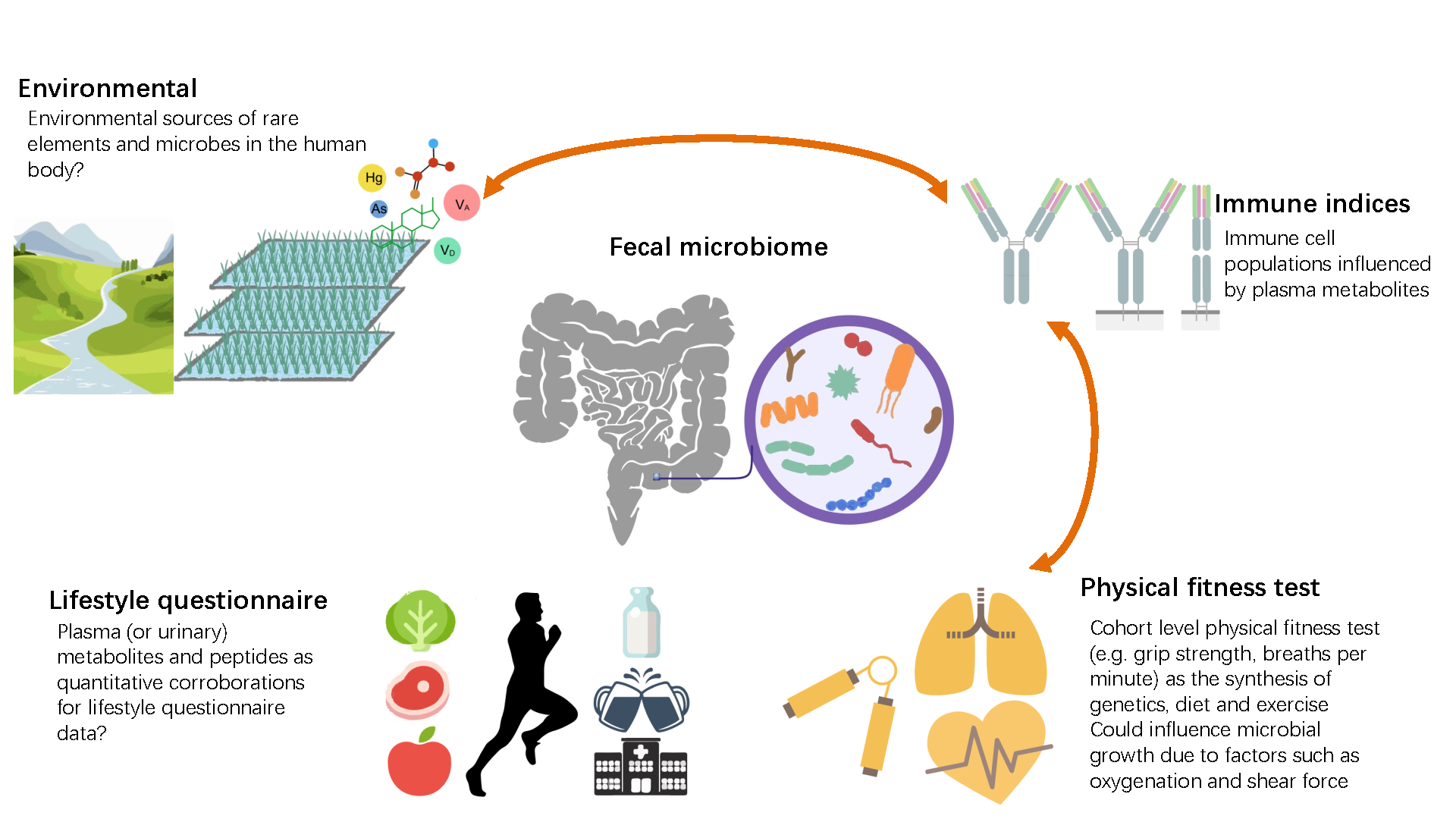

We later split the rejected Cell manuscript into 3 stories to support a local journal:
The cohort with fecal microbiome and other data—doi.org/10.1016/j.medmic.2021.100039
Fecal disease markers—doi.org/10.1016/j.medmic.2021.100037
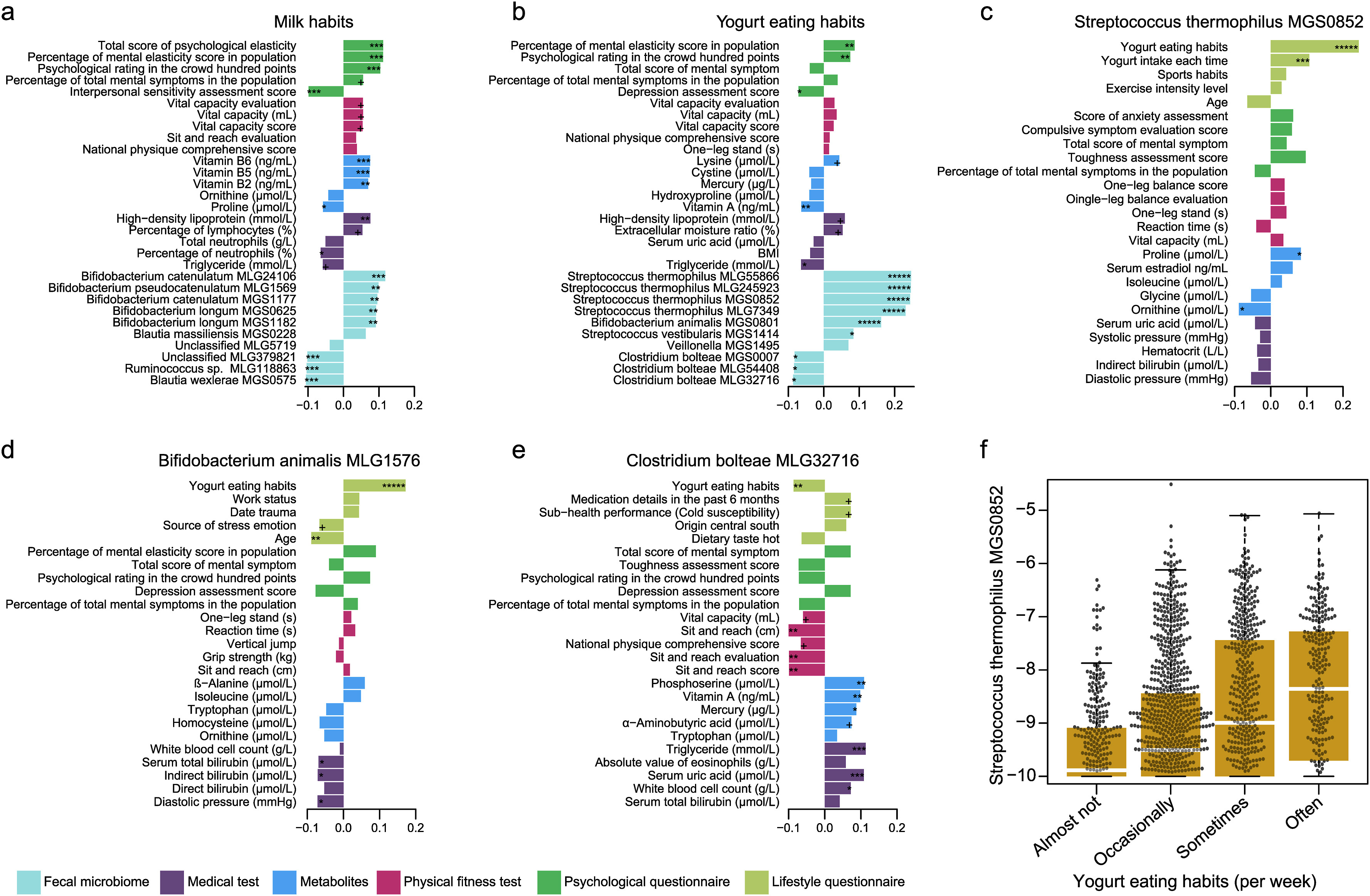
Fecal microbiome associations with dairy or yogurt, sleep, physical fitness test and exercise data—doi.org/10.1016/j.medmic.2021.100038

Fortunately our M-GWAS and MR studies for the fecal, oral, cervicovaginal, urinary, and nasal microbiomes gradually got published.
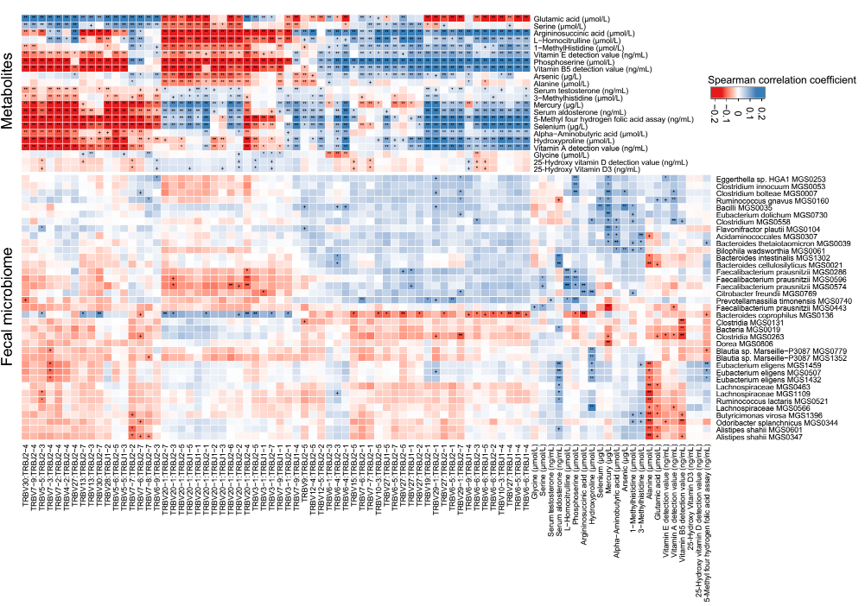
The PBMC immune repertoire data were collected by the Liu group at BGI. And we still do not fully understand what cells and molecules led to the associations with the microbiome.
Fecal—doi.org/10.1101/585893
Cervicovaginal—doi.org/10.1101/533588
Oral—unpublished, other data at doi.org/10.1016/j.isci.2022.105839
Our long-term goal has always been “Better health with a better managed microbiome”. So there is a lot more to do. And good luck to the other cohorts around the world!