Now, Let's Do Environmental Surveillance Proper!
Published in Earth & Environment and Microbiology
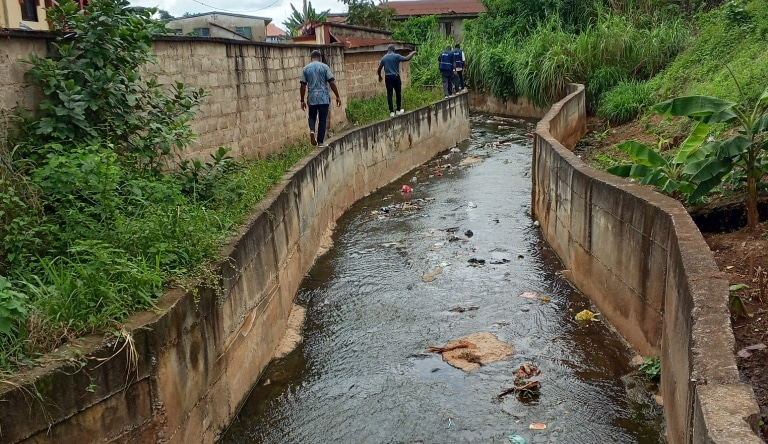

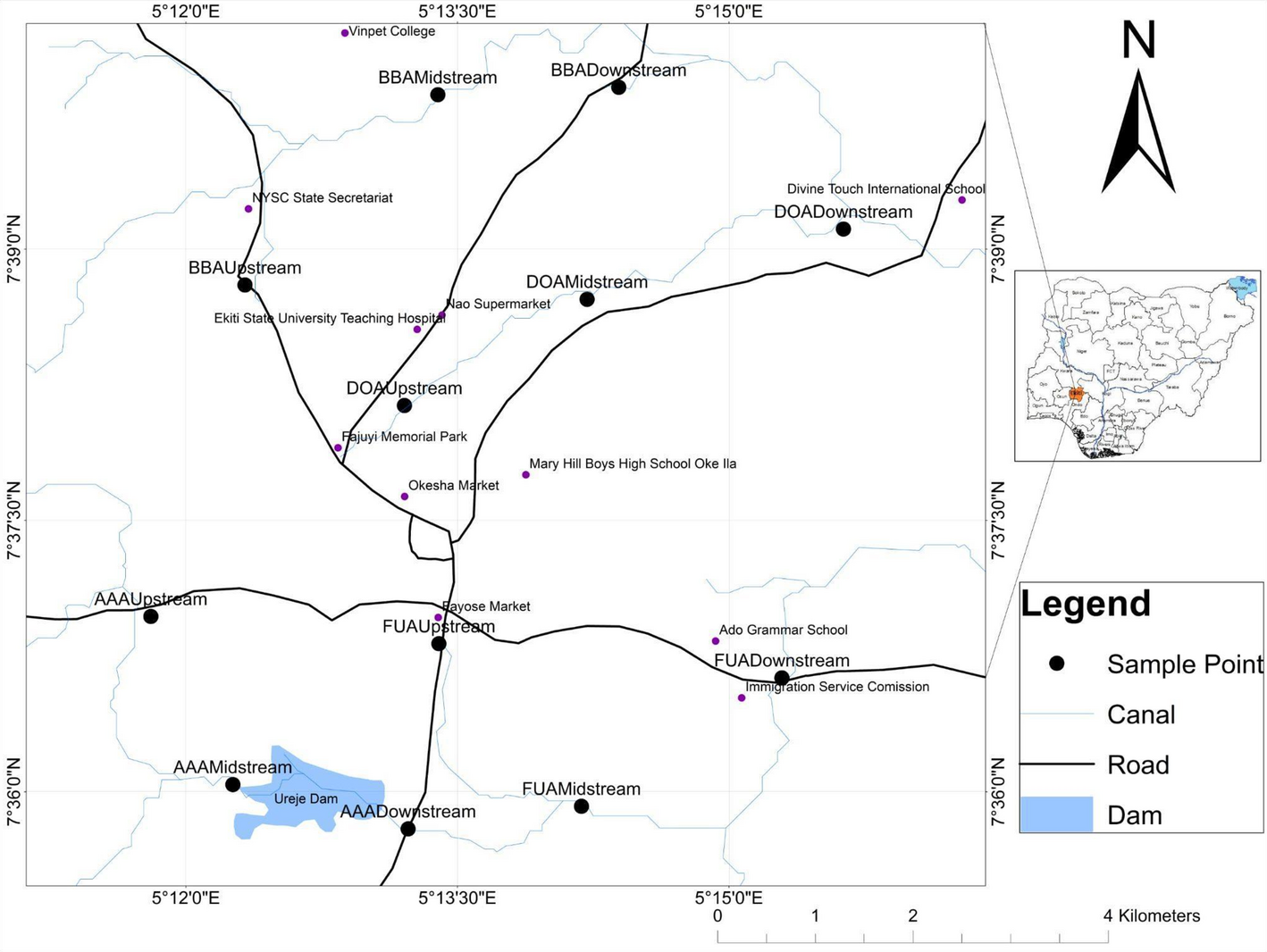

My first paper in Springer Nature was "Investigation of the water-use behaviours of households in proximity to water canals in Ado-Ekiti, Nigeria" (https://doi.org/10.1007/s43832-025-00282-2). I had actually worked on four surface water canals, but the sheer size of the data made me publish only the results for two canals for my subsequent second paper.
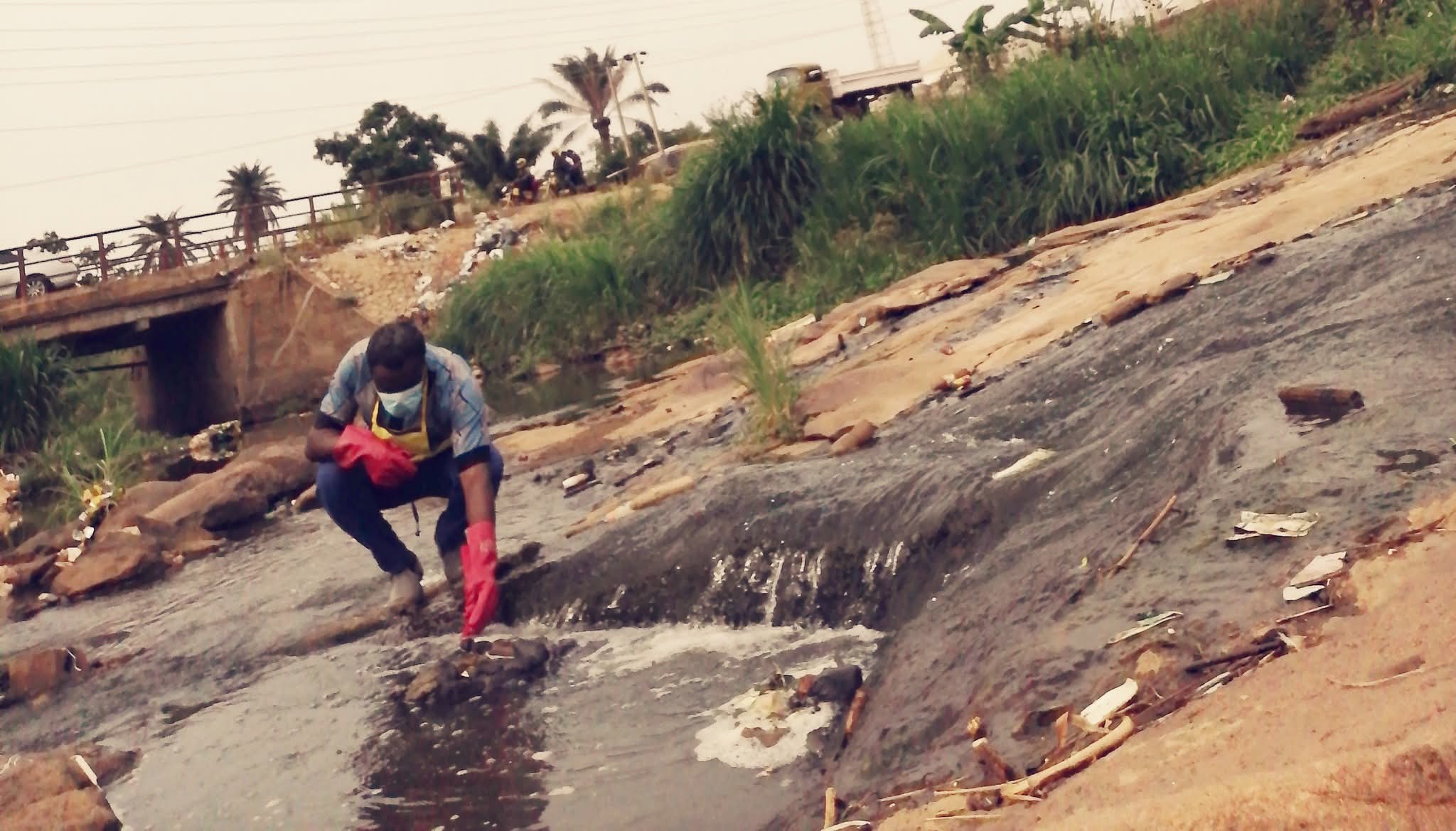
Due to this, I had, and still have, extensive knowledge of the vast areas under study and even beyond, having been investigating water canals in Ekiti State, Nigeria, since 2018. Because of this, I had planned to begin extensive communication work at my firm, MicroBiotics NG (www.microbiotics.com.ng), to start sharing my findings. But a few days after my second article was published in September 2025, I received a call that changed a lot of things.
The Director of the World Health Organisation's National Polio Laboratory in UCH, Ibadan, Nigeria, where I did all my virological assays, had recommended me to a National Environmental Surveillance Officer for the same World Health Organisation for wastewater and environmental surveillance in Ekiti State.
Wastewater and environmental surveillance (WES) is disease surveillance using samples from sewage or other environmental waters impacted by human waste, having the potential to provide information alongside other forms of disease surveillance to fill gaps in other surveillance data and inform the public health response.

Because of my detailed knowledge of all those interconnected canals that cut across the city, the sites of sample collections and expertise in the collection, transportation and laboratory handling/analyses of these samples, I was recommended to Dr. Kabir. He was one of the most enthusiastic, brilliant and hard-working field officers I've ever worked with, demonstrating zeal, strength and immense knowledge while humbly and firmly leading our team, which now consisted of the State Disease Surveillance and Notification Officer and the WHO State Surveillance Officer representative.
Together, we were able to, for three days, investigate nearly 15 sites for potential ES sample collection, finally picking two sites. Of course, it was tough work, but I'm used to fieldwork and environmental surveillance. And the activity also presented an opportunity to learn so much, as Dr. Kabir took time to provide on-the-job training and even shared many journal articles with me. It was indeed a very productive and exciting activity for me, as I got to really apply the knowledge gained while carrying out my PhD research, which led to the publications provided above.
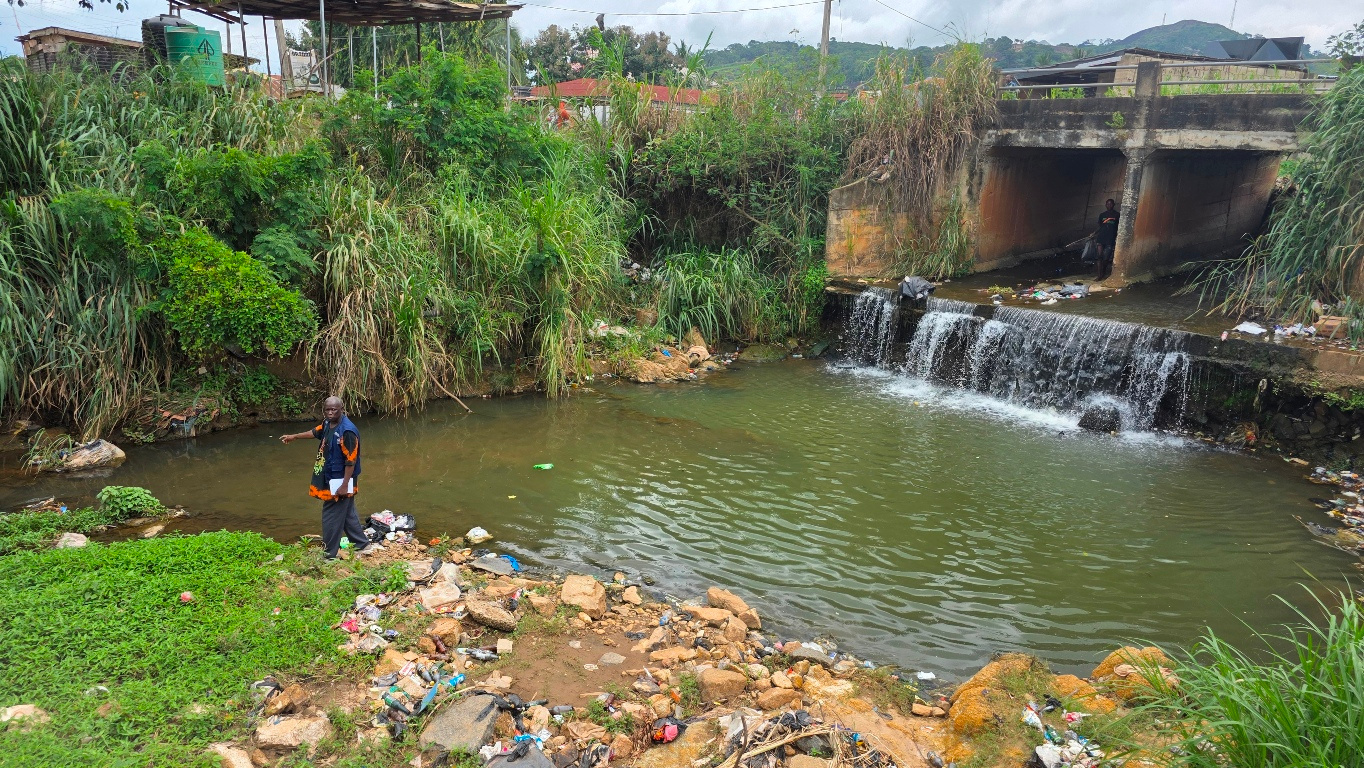
And as a public health virologist with a focus on environmental surveillance of surface water in my state, Ekiti State and beyond, I am looking forward to many more public health adventures in this area of specialisation. Most particularly, to share the knowledge and communicate more with the public about the importance of the work that I do.

Follow the Topic
-
Discover Water

This journal is part of the Discover journal series. It is an open access, community-focussed journal publishing research from across all fields relevant to water research.
-
Discover Applied Sciences

This is a multi-disciplinary, peer-reviewed journal for the disciplines of Applied Life Sciences, Chemistry, Earth and Environmental Sciences, Engineering, Materials Science and Physics, fostering sound scientific discovery to solve practical problems.
Related Collections
With Collections, you can get published faster and increase your visibility.
Earth and Environmental Sciences: Crop Diversification for Resilient Ecosystem
Crop diversification is a strategic approach in agriculture that involves cultivating a range of different crops on a farm rather than relying solely on one type of crop. This practice offers numerous advantages, including reducing the risk of crop failure due to pests, diseases, or adverse weather conditions. By growing a variety of crops, farmers can also maintain soil health and fertility more effectively, as different crops have varying nutrient requirements and growth patterns. Moreover, crop diversification provides farmers with opportunities to tap into diverse markets, stabilize their income throughout the year, and contribute to environmental sustainability by promoting biodiversity and reducing reliance on chemical inputs. Overall, crop diversification is a key aspect of modern farming practices aimed at enhancing resilience, profitability, and ecological stewardship. Along with this, a resilient ecosystem is one that demonstrates the capacity to withstand and recover from disturbances while maintaining its essential functions and supporting biodiversity. These ecosystems possess several key characteristics that contribute to their resilience. Firstly, they have high levels of biodiversity, including a variety of species with different functions and niches. This diversity helps buffer against environmental changes and increases the likelihood that some species will thrive even under adverse conditions. Additionally, resilient ecosystems often exhibit strong ecological connectivity, allowing for the movement of species and genetic material across landscapes, which promotes adaptation and enhances overall resilience. They also tend to have robust feedback mechanisms and adaptive management strategies in place, enabling them to respond flexibly to disturbances and incorporate new information into their resilience strategies. Overall, resilient ecosystems play a crucial role in sustaining life on Earth by providing essential services such as clean air and water, climate regulation, and habitat for wildlife, while also supporting human well-being and livelihoods.
In this Topical Collection, we invite novel research and constrictive review works that share new insight results on the subject, as well as establish a positive discussion about the Crop Diversification for Resilient Ecosystem.
Major themes include:
- Ecosystem services for soil health management
- Biodiversity conservation for ecosystem resilience
- Sustainable soil health management through crop diversification
- Climate resilience farming for ecosystem management
- Reduced pesticide dependency through crop management
- Water quality management for enhancing nutrient use efficiency
- Crops nutritional dietary diversity
- Food security through crop management
- Economic stability through crop management
- Ecosystem services and crop risk management
- Crop diversification through building resilient ecosystems
- Water management through crop diversification
- Sustainable agriculture through
- Cultural Heritage and crops diversification
This Collection supports and amplifies research related to: SDG 2, SDG 15
Publishing Model: Open Access
Deadline: Jun 30, 2026
Engineering: Energy Management System
Publishing Model: Open Access
Deadline: Jun 30, 2026




Please sign in or register for FREE
If you are a registered user on Research Communities by Springer Nature, please sign in