Oral Health and Noncommunicable Diseases
Published in Sustainability and General & Internal Medicine

Explore the Research

 Nature
UN-perseverance pays off - British Dental Journal
British Dental Journal - UN-perseverance pays off
When we think of noncommunicable diseases (NCDs) we may not always consider the impact good oral health can have. Yet, this was part of the agenda last September when the United Nations (UN) General Assembly met to discuss the prevention and control of NCDs and the promotion of mental health and wellbeing: HLM4: On the road to 2025 and beyond.
When we look at the stark fact that “every 2 seconds, someone under the age of 70 dies from an NCD” it is no surprise that Sustainable Development Goal 3 includes combatting NCDs in its objective to ensure healthy lives and well-being for all. What is clear is that most of these deaths could be prevented with the correct systems and measures in place.
The outcomes of this meeting were adopted on 15 December 2025, and a political declaration was made “on the prevention and control of noncommunicable diseases (NCDs) and the promotion of mental health and well-being”. Resulting in the UN General Assembly committing to accelerating the implementation of a priority set of evidence-based, cost-effective and affordable actions.
What was especially significant was that for the first time at a United Nations high-level meeting, oral health was specifically recognised:
“…oral diseases are a major health and economic burden in many countries and impact people across their lifetime, causing pain, discomfort, disfigurement and even death, that untreated dental caries (tooth decay) in permanent teeth is among the most common health conditions, and that oral diseases are largely preventable and caused by a range of modifiable risk factors, requiring a continuing focus on social, environmental and population strategies, and can contribute to other noncommunicable diseases…”
Many organisations, such as the FDI World Dental Federation, and its members and partners, including national societies such as the British Dental Association, saw years of sustained activity and advocacy come to fruition. For a long time, they have been vocal about the importance of good oral health as part of overall general health.
In an Editorial published in January the Editor of the British Dental Journal, Professor Philip Preshaw, discusses the impact of this new action in greater detail. Since oral diseases are a major economic burden in many countries, but at the same time are largely preventable, it would be nonsensical not to tackle these as part of the mission to prevent and control NCDs.
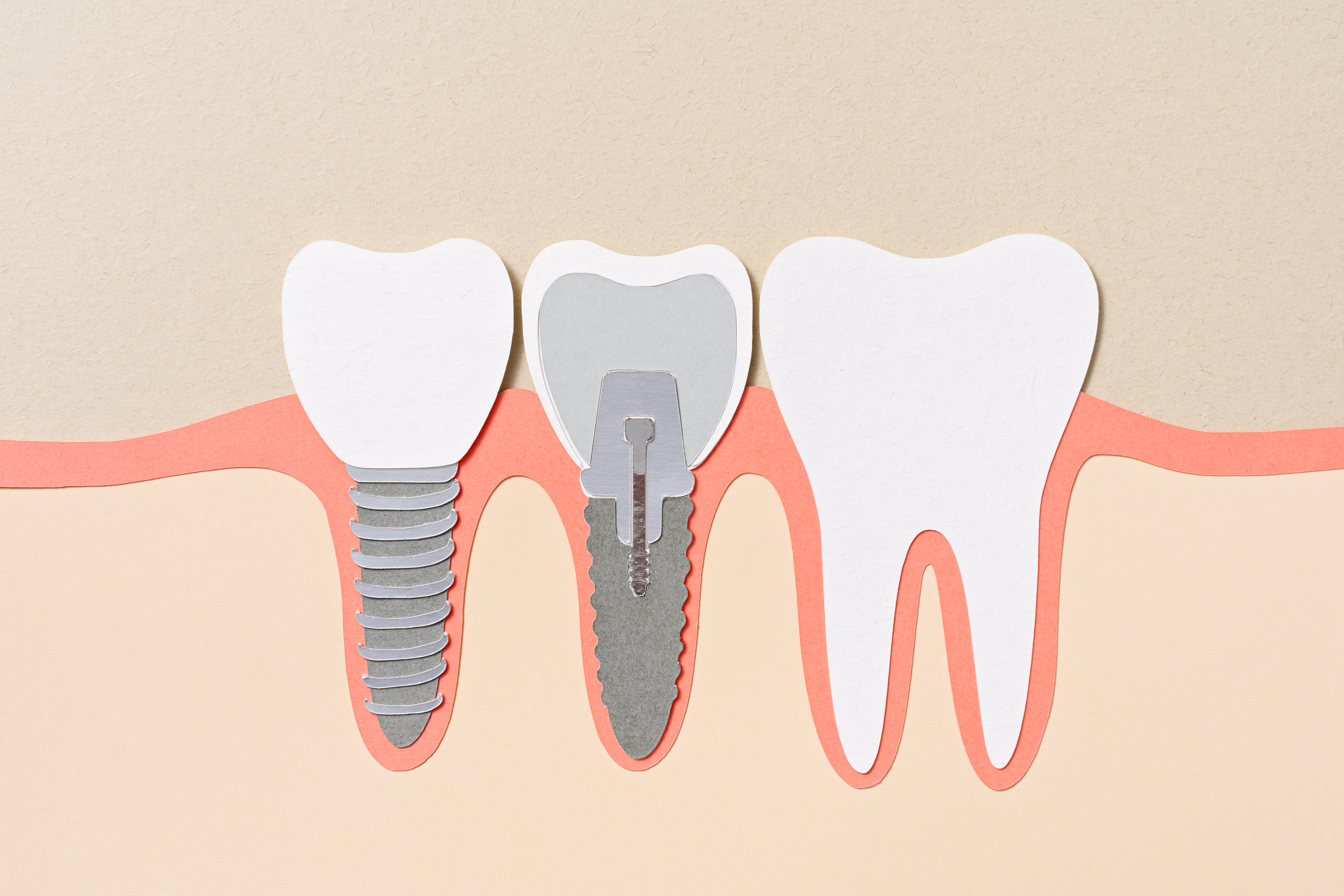
Oral diseases are among some of the most common and preventable NCDs worldwide, and further discussions on this can be found in the BDJ Portfolio, such as on dental caries (discussed in this paper in the British Dental Journal) , and periodontal disease (discussed in this paper in the BDJ and this one in Evidence-Based Dentistry).
When exploring how we can support and achieve the goals and objectives of SDG 3 it is evident we need a unified approach. Poor oral hygiene not only contributes to NCDs, but can also impact a person’s mental health, which could lead to issues with substance abuse. Tied in with this we need to ensure universal health coverage, support and financing, so that everyone has the means and opportunity to receive vital treatment.
This blog was written as part of February’s upcoming SDG 3 Newsletter on Non-Communicable Diseases. To read the full newsletter as soon as it lands, follow Alice Coe and Virginia Mercer on Research Communities.
Follow the Topic
-
British Dental Journal
This is an international, peer-reviewed journal for the dental community, published by Springer Nature on behalf of the British Dental Association.
📢 Introducing: # Mental Health
Mental Health is a Topic created to increase visibility and impact of research in this area and facilitate exchange amongst researchers.
Continue reading announcementRelated Collections
With Collections, you can get published faster and increase your visibility.
Periodontology
Publishing Model: Hybrid
Deadline: Dec 31, 2026
Fluoride
Publishing Model: Hybrid
Deadline: Dec 31, 2026