PCR‑based RFLP and ERIC‑PCR patterns of Helicobacter pylori strains linked to multidrug resistance in Egypt
Published in Biomedical Research
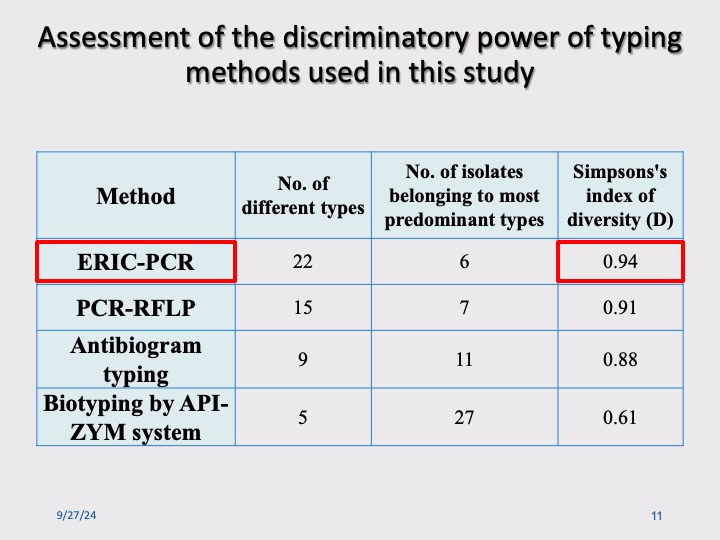

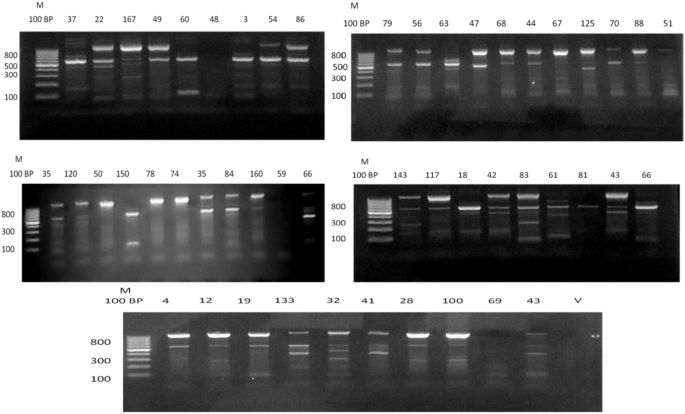

- In Egypt, the high prevalence of multidrug resistant H. pylori underscores the urgent need for infection control measures to limit the spread of this bacteria, particularly in the GIT endoscopy units.
- Phenotypic characterization methods including biotyping and antibiogram typing had low discriminatory power, and accordingly genetic variations among H. pylori isolates has been not evident.
- The genotyping techniques including ERIC-PCR and PCR-RFLP presented rapid, sensitive and relatively simple tools, with high discriminatory power for typing H. pylori isolates.
- Some clinical digestive disorders including gastritis, gastric ulcer, duodenal ulcer, duodenitis and GERD can correlate with different strains of H. pylori using different phenotypic and genotypic methods.
- Further studies are required to explore the relationship between H. pylori genotypes and antibiotic resistance.
- Studies should be conducted for subtyping of H. pylori using reliable and more powerful molecular methods such as PFGE, AFLP and plasmid profile analysis.
Our results show that two factors contribute to the increased resistance of H. pylori to the conventional therapy seen in Egypt: 1. MTZ and Am are inexpensive and available drugs being abused by patients; 2. The regional prescribing practice of Macrolids commonly used to treat upper respiratory and urinary tract infections; ERIC-PCR acquired high discriminatory power for identifying infectious H. pylori sub-types; some clinical disorders including gastritis, peptic ulcer, deuodenal ulcer and GERD can correlate with different H. pylori strains using phenotypic and genotypic methods. Also, we described the relationship between isolates, phenotyping, genotying and the clinical outcome.

Follow the Topic
-
Scientific Reports
An open access journal publishing original research from across all areas of the natural sciences, psychology, medicine and engineering.

Related Collections
With Collections, you can get published faster and increase your visibility.
Cancer Prevention and Control
Publishing Model: Hybrid
Deadline: Feb 19, 2027
Healthy Aging
Publishing Model: Open Access
Deadline: Dec 31, 2026