Phytochemical diversity, ethnomedicinal and therapeutic potential of the Genus Verbesina: A concise review
Published in Social Sciences, Bioengineering & Biotechnology, and Research Data
Following the Leaves: What Studying Verbesina Taught Me About Ethnomedicine, Science, and Responsibility
Some research journeys begin in state-of-the-art laboratories. Mine began much earlier—while listening to stories.
As a pharmacognosy researcher, I have always been fascinated by how traditional knowledge survives across generations. Long before I started working with chromatograms and bioassays, I was intrigued by how communities trust certain plants for healing, even when modern science has yet to explain why. That curiosity eventually led me to the genus Verbesina—a group of plants that quietly sits at the intersection of tradition, chemistry, and conservation.
What started as a “concise review” quickly became a deeply reflective research experience.
Why Verbesina Caught My Attention
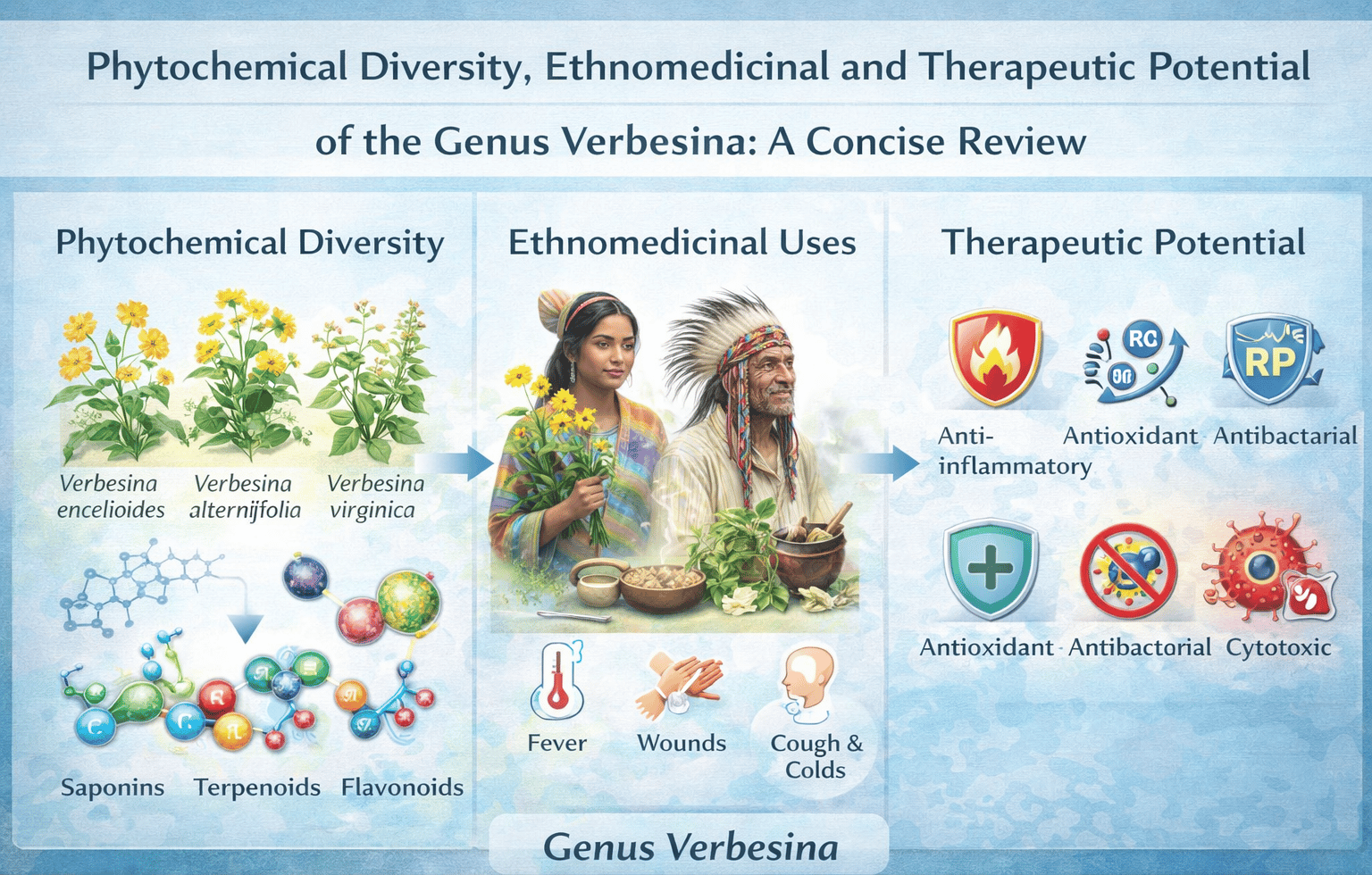
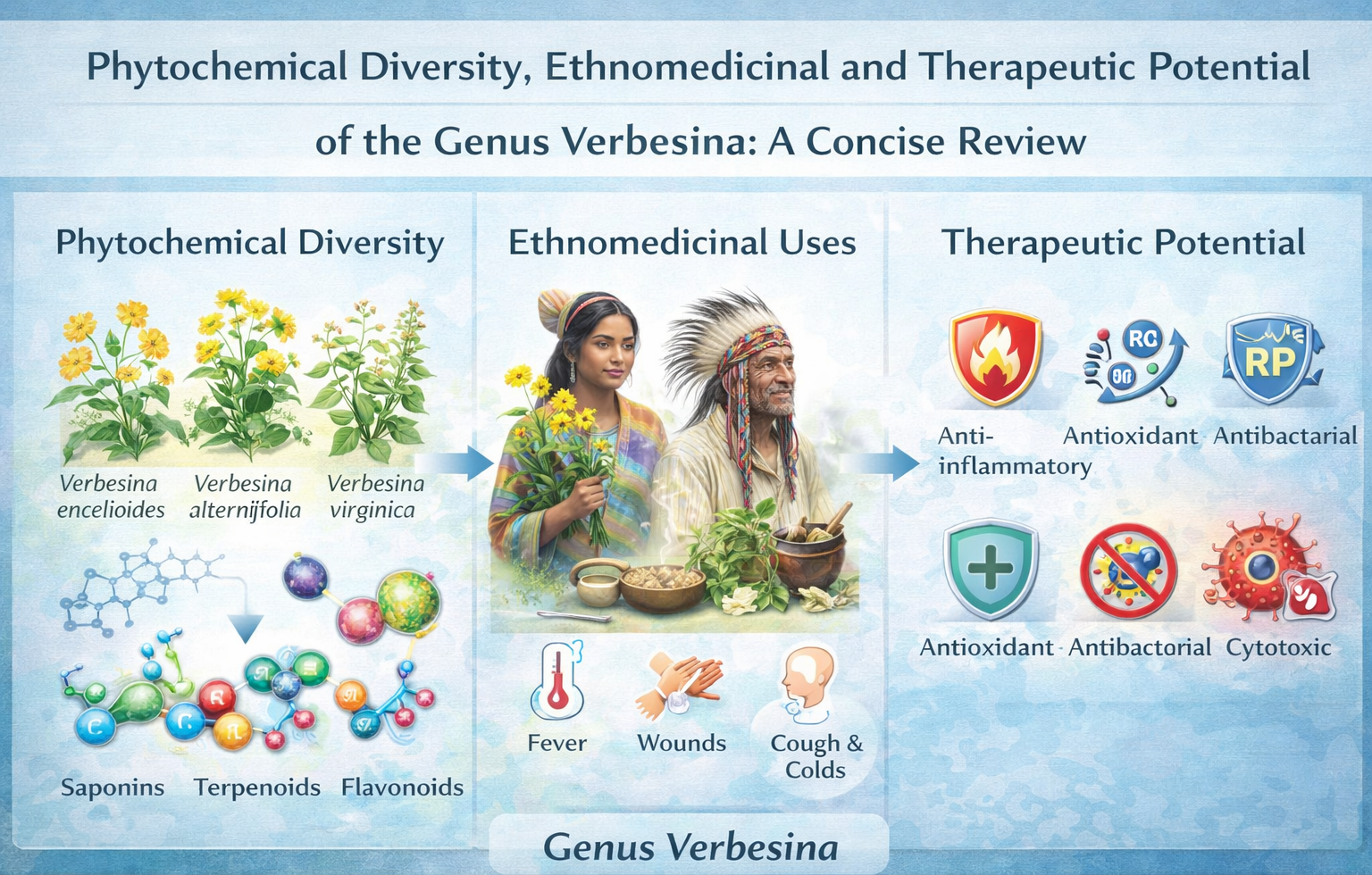
The Verbesina genus belongs to the Asteraceae family and includes more than 300 species found across diverse geographical regions. On paper, this sounds like a taxonomic detail. In reality, it represents a remarkable diversity of growth habits, floral forms, and—most importantly—medicinal uses.
During my early literature searches, I noticed something striking: Verbesina species repeatedly appeared in ethnomedicinal records across cultures, used for pain, inflammation, infections, fever, wounds, and gastrointestinal disorders. Yet, compared to other medicinal genera, they remained relatively underexplored in modern pharmacological research.
That gap intrigued me. Why were so many communities using these plants, while science had only scratched the surface?
Bridging Traditional Knowledge and Modern Science
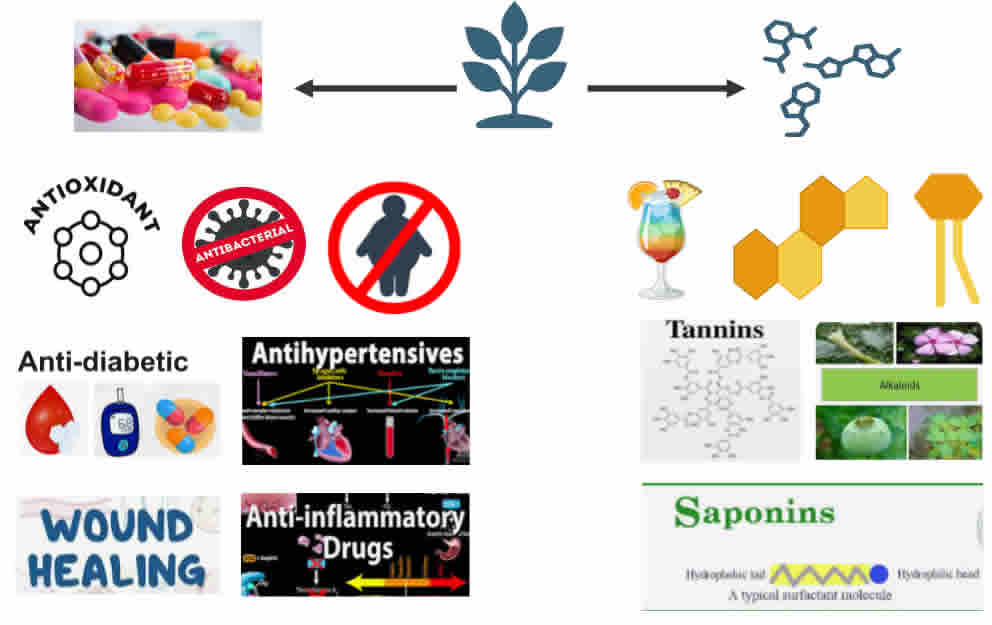
One of the most rewarding aspects of this work was tracing how traditional uses align with phytochemical findings. As I reviewed chemical profiles of different Verbesina species, patterns began to emerge—flavonoids, terpenoids, sesquiterpene lactones, phenolic acids—compounds we already know can influence inflammation, oxidative stress, and microbial growth.
Seeing traditional claims supported, even partially, by pharmacological evidence felt validating—not just scientifically, but culturally. It reinforced an idea I strongly believe in: traditional medicine is not “unscientific”; it is often pre-scientific, waiting to be explored with modern tools.
At the same time, the review reminded me how cautious we must be. Not every traditional use translates directly into safe or effective therapy. Scientific validation is not about dismissing tradition—it is about strengthening it.
Moments That Changed How I See Research
While compiling this review, I realized that writing about plants is never just about plants. It is about people—healers, communities, researchers, and future patients.
One moment stood out to me: reading reports that highlighted not only therapeutic potential but also toxicity concerns and dosage uncertainties in some Verbesina species. It was a humbling reminder that “natural” does not automatically mean “safe.”
As researchers, we often focus on discovering benefits. This project taught me the equal importance of identifying risks. Responsible pharmacognosy must balance optimism with evidence.
Conservation: The Question We Cannot Ignore
Another layer of this review that deeply resonated with me was conservation.
Many Verbesina species grow in regions facing ecological pressure—deforestation, climate change, and overharvesting. The irony is uncomfortable: the very plants that could support human health may be threatened by human activity.
Writing about sustainable harvesting and conservation was not an academic obligation; it felt like a moral one. If drug discovery is the goal, sustainability must be part of the strategy from the beginning—not an afterthought.
This realization reshaped how I think about “therapeutic potential.” A plant’s value is meaningless if it cannot be protected.
Collaboration Makes the Science Stronger
One section of the review I felt especially connected to was the acknowledgment of collaborative research. No meaningful progress in medicinal plant research happens in isolation.
This project relied on the work of ethnobotanists, chemists, pharmacologists, ecologists, and traditional knowledge holders. Reviewing their contributions reminded me that interdisciplinary collaboration is not optional—it is essential.
As a researcher, I often work within a specific scientific niche. This review pushed me to step back and appreciate the broader ecosystem of knowledge that makes Pharmacognosy possible.
What This Review Gave Me as a Researcher
Beyond the data, figures, and references, this work gave me clarity.
It reaffirmed why I chose this field: to explore nature thoughtfully, respectfully, and responsibly. It reminded me that impactful research does not always mean discovering something entirely new—it can also mean connecting existing knowledge in meaningful ways.
For early-career researchers reading this, I want to share one lesson this project taught me: reviews are not “secondary” science. When done carefully, they shape future research directions, highlight neglected questions, and build bridges between disciplines.
Looking Forward
The story of Verbesina is far from complete. This genus offers promising opportunities for drug discovery, but also urgent questions about safety, standardization, and sustainability.
I hope this work encourages deeper pharmacological studies, conservation-focused research, and respectful engagement with traditional knowledge systems. Personally, it has strengthened my commitment to conducting research that is not only scientifically rigorous, but ethically grounded.
Final Reflections
Studying Verbesina reminded me that plants are more than chemical reservoirs—they are part of cultural histories, ecological systems, and future healthcare possibilities.
As researchers, our role is not just to extract data, but to listen carefully—to science, to tradition, and to the environment that sustains both.
That, to me, is what meaningful research looks like.

Salman Ahmed (ORCID: 0000-0003-2033-0181) holds a B.Pharm. degree from the University of Karachi, Pakistan, and a PhD and M.Phil. in Pharmacognosy from the same institution. He has gained valuable experience in the pharmaceutical industry, having worked at Helix Pharma, Pharm Evo (Pvt.) Ltd., and Searle Pakistan Ltd. Currently, he holds the position of Assistant Professor in the Department of Pharmacognosy at the Faculty of Pharmacy, University of Karachi, Pakistan.
Salman Ahmed has made significant contributions to the field with a decade-long career dedicated to teaching Pharmacognosy, also known as Natural Products Sciences. He has authored 125 research papers with an impact factor of 100 with 2297 citations, a h-index of 24, and an i10-index of 59. He has secured multiple research grants in Pharmacognosy (2021, 2018, 2016, and 2014) to study plants traditionally used for analgesic, anti-inflammatory, diuretic, and antidiarrheal purposes and their effects on digestive enzymes. Additionally, he has authored seven books and presented 16 posters at national and international conferences. Salman Ahmed's expertise is acknowledged by various esteemed journals published by Elsevier, Springer Nature, Wiley, MDPI, Hindawi, and Dove Medical Press Limited, as he serves as an invited reviewer for these publishers.
Scientific Achievements (2011–2015): He pioneered a cost-effective copper sulfate-induced chick emesis model for evaluating natural antiemetics. His research explores antiemetic, analgesic, and anti-inflammatory properties in Pakistani plants, herbs, and spices, reporting fixed oil's analgesic effects and discovering Bergenin as an antiemetic. He authored two state-of-the-art reviews on natural antiemetics, "Antiemetic effects of bioactive natural products" and "Natural antiemetics- an overview". He was awarded Nishan-e-Zafar by the University of Karachi in 2014.
Scientific Achievements (2016–2024): Dr Salman Ahmed pioneered glass slide models to grow Whewellite, Brushite, and Urate crystals for the evaluation of antiurolithiatic and anti-gout drugs, presenting key findings at international conferences such as MMDR-7, STEP-5, ISNPC-14, and ISNPF-2. His book “How to Grow Urinary Stone and Gouty Crystals on Glass Slide” provides detailed methodologies for replicating crystal growth in vitro and discusses the implications for understanding crystal morphologies, disease mechanisms and developing herbal treatment strategies.
Dr Ahmed's research highlights the antiurolithiatic potential of pentacyclic triterpenes and polyphenols. These compounds inhibit calcium oxalate crystallization, reduce oxidative stress, and modulate inflammation. They also promote nephroprotection, diuresis, and ACE inhibition, advancing natural therapeutics for kidney stone prevention.
His contributions include “Glossary of Globally Used Herbs and Animals for Urolithiasis” (2024), a comprehensive book exploring medicinal plants covering botanical families from A to Z and animal-based remedies covering their historical use, mechanism of action, and therapeutic spectrum against Whewellite, Brushite, and Urate crystals separately. His research on antiurolithiatic formulations compiles mono- and polyherbal remedies from diverse regions, including Appalachia, Canada, India, and the Middle East. His work provides critical data for future phytochemical, pharmacological, and toxicological studies, aiding in the discovery of safer, more effective treatments for kidney stones.
Additionally, he explores the anticancer potential of marine peptides against breast, ovarian, cervical, malignant melanoma, prostate, neuroblastoma, glioblastoma, leukemia and lymphoma, advancing natural therapeutics for cancer treatment.