Poor sleep reprograms the human immune landscape toward inflammatory, aging and autoimmune phenotypes
Published in Healthcare & Nursing

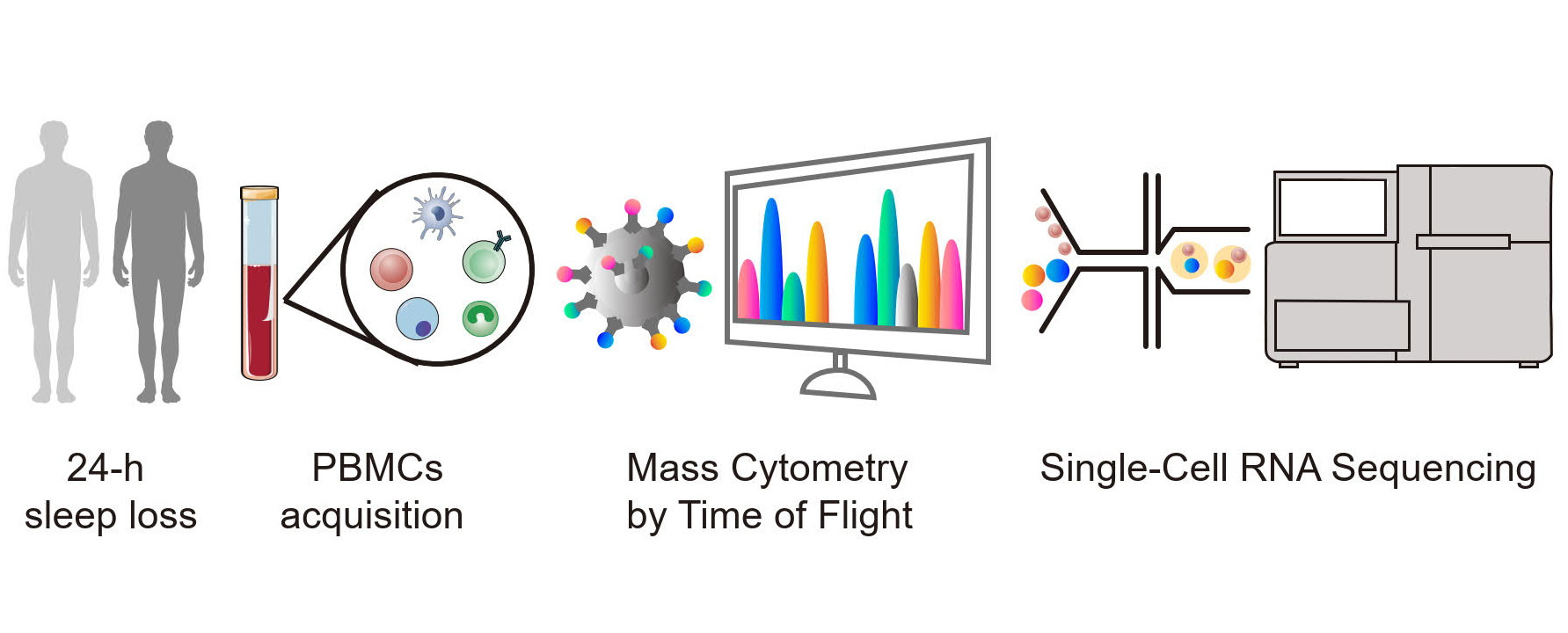

An important public health issue.
Sleep is an indispensable attribute of life. However, the poor sleep experiences, including poor sleep quality and acute sleep loss after staying up (SU), are common among collegiate athletes1. Poor sleep has been reported to associate with higher incidence of autoimmune diseases, tumors and infections2-4. In addition, prolonged habitual sleep deficiency lead to chronic, systemic, low-grade inflammation and is associated with various inflammation-related diseases, such as diabetes and atherosclerosis5,6. Therefore, a comprehensive and systematic study of the effects of poor sleep on the immune system is essential to understand the immune mechanisms underlying the increased risk of related diseases.
Exploring new avenues in in immunological studies.
Previous studies have reported important observations about the composition and functional alterations of immune cells after poor sleep, primarily based on flow cytometry and functional profiling according to cytokine induction7,8. However, these approaches are biased by the limitations of known markers available to identify, isolate, and manipulate the pooled cell populations. The unbiased high-throughput single-cell technologies provide unique opportunities to uncover gene expression and gain insights into the molecular mechanisms associated with disease. In previous studies, we have used single-cell techniques to construct immune atlas of aging and sex, expanding our understanding of the mechanisms of aging- or sex-associated diseases9,10. Single-cell technologies open new avenues in many research fields but are particularly important for analyzing the impact of poor sleep on human immune cells in an unbiased and global fashion.
Uncovering the blood immune ecosystem effected by poor sleep.
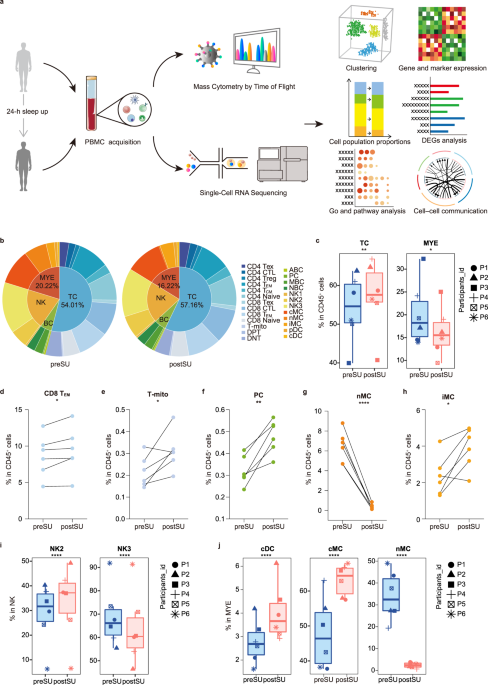
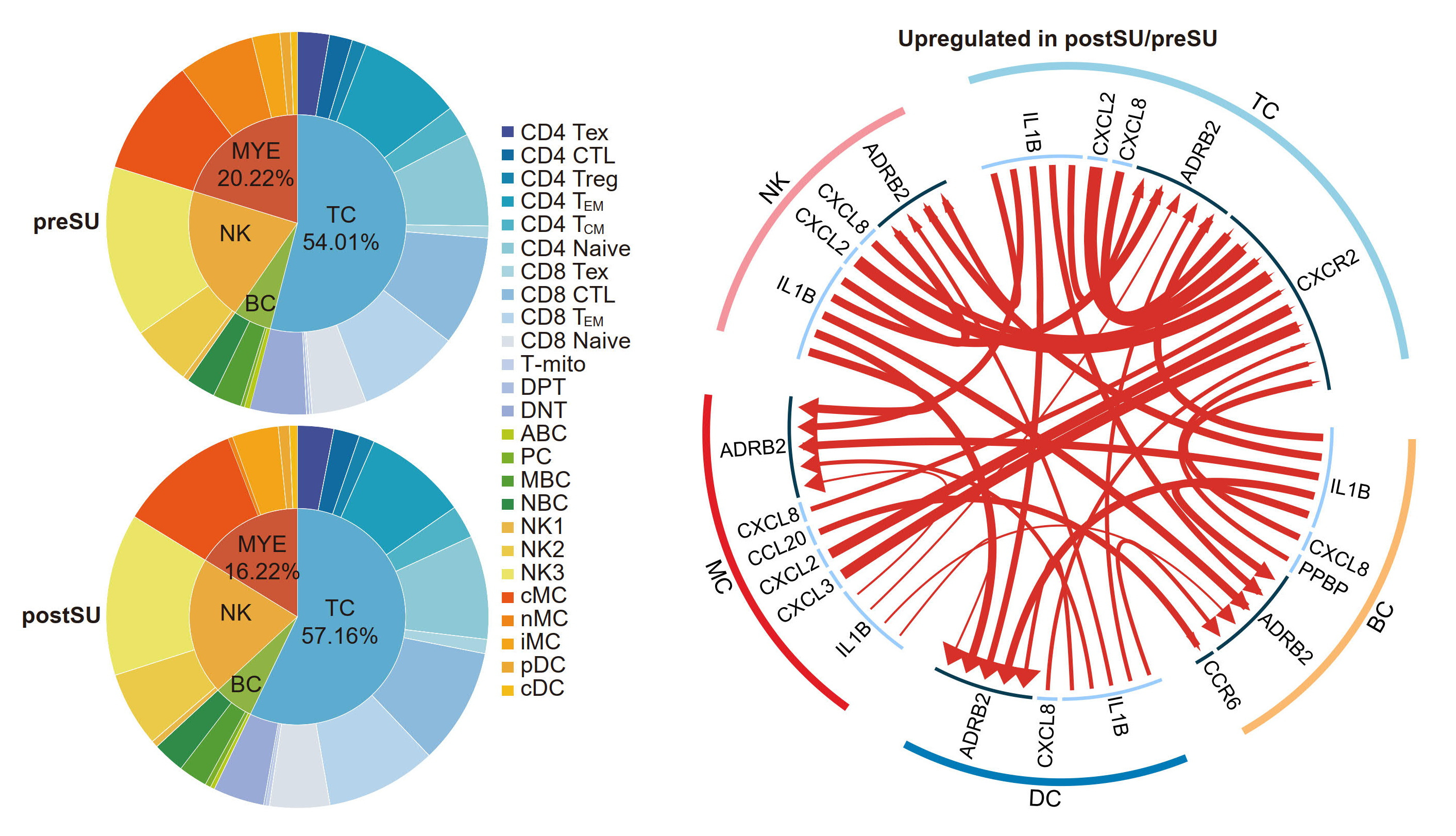
In our recent paper published in Communications Biology, we have shown how poor sleep influenced the blood immune system. Using mass cytometry and single-cell RNA sequencing, we obtained a comprehensive depiction of the impact of poor sleep on the immune system in terms of cell type composition, subset-specific gene expression, enriched pathways, transcriptional regulatory networks, and cell–cell communication. We found that the immune cell landscape was reprogrammed by poor sleep and was characterized by T cell polarization skewed effector and exhausted T cell phenotypes, along with decreased late NK3, and increased plasma cell and inflammatory myeloid cells subsets. In addition, the expressions of markers and genes, which were implicated in autoimmune response, inflammatory pathways and cellular senescence, were upregulated in a subtype-specific manner with poor sleep. Cytotoxic cells also lost their immune activity and exhibited a phenotype associated with infection, tumor development, and inflammation after poor sleep. Notably, the aberrant transcriptional regulatory networks and cell-cell communication patterns supported the immune dysfunction observed after poor sleep. These findings could potentially give advanced insights for understanding the potential immune mechanisms by which poor sleep causes higher incidence of autoimmune diseases, tumors and infections.
The take home message.
In recent years, the common poor sleep experiences among populations have confronted us with the detrimental effects of poor sleep on human health11. Sleep deficiency or disorder leads to a state of suboptimal health with a debilitated immune system, rendering people more susceptible to various diseases. The great importance of this research arises from the need to characterize the single-cell alterations before and after poor sleep. In describing the key cellular and molecular differences, such as effector CD4+ T cell, late NK and cDC2 subsets, we could potentially give advanced insights into the potential mechanisms and targets of pathologic conditions induced by poor sleep.
References
- Mah, C. D., Kezirian, E. J., Marcello, B. M. & Dement, W. C. Poor sleep quality and insufficient sleep of a collegiate student-athlete population. Sleep Health 4, 251-257 (2018).
- Hsiao, Y. H. et al. Sleep disorders and increased risk of autoimmune diseases in individuals without sleep apnea. Sleep 38, 581-586 (2015).
- Kakizaki, M. et al. Sleep duration and the risk of breast cancer: the Ohsaki Cohort Study. Br. J. Cancer 99, 1502-1505 (2008).
- Cohen, S., Doyle, W. J., Alper, C. M., Janicki-Deverts, D. & Turner, R. B. Sleep habits and susceptibility to the common cold. Arch. Intern. Med. 169, 62-67 (2009).
- Wang, N. et al. Long-term night shift work is associated with the risk of atrial fibrillation and coronary heart disease. Eur. Heart J. , (2021).
- Tsujimura, T., Matsuo, Y., Keyaki, T., Sakurada, K. & Imanishi, J. Correlations of sleep disturbance with the immune system in type 2 diabetes mellitus. Diabetes Res. Clin. Pract. 85, 286-292 (2009).
- Ackermann, K., Revell, V. L., Lao, O., Rombouts, E. J., Skene, D. J. & Kayser, M. Diurnal rhythms in blood cell populations and the effect of acute sleep deprivation in healthy young men. Sleep 35, 933-940 (2012).
- Gao, T. et al. Role of melatonin in sleep deprivation-induced intestinal barrier dysfunction in mice. J. Pineal Res. 67, e12574 (2019).
- Huang, Z. et al. Effects of sex and aging on the immune cell landscape as assessed by single-cell transcriptomic analysis. Proc. Natl. Acad. Sci. U.S.A. 118, (2021).
- Zheng, Y. et al. A human circulating immune cell landscape in aging and COVID-19. Protein Cell 11, 740-770 (2020).
- Garbarino, S., Lanteri, P., Bragazzi, N. L., Magnavita, N. & Scoditti, E. Role of sleep deprivation in immune-related disease risk and outcomes. Commun Biol 4, 1304 (2021).
Follow the Topic
-
Communications Biology
An open access journal from Nature Portfolio publishing high-quality research, reviews and commentary in all areas of the biological sciences, representing significant advances and bringing new biological insight to a specialized area of research.

Related Collections
With Collections, you can get published faster and increase your visibility.
Healthy Aging
Publishing Model: Open Access
Deadline: Dec 31, 2026
Cell death and inflammatory signalling
Publishing Model: Hybrid
Deadline: Jan 28, 2027