SDG 3 Newsletter: Equity in Health Systems
Published in Social Sciences, Chemistry, and Microbiology

This newsletter issue primarily champions SDG 3.8, Universal Health Coverage.
Trials without borders
As part of International Clinical Trials Day (May 20th), the ISRCTN editorial team explore how breaking down geographic barriers can enable more inclusive trials that better serve diverse patient populations.

Doctors Without Borders: MSF Day London
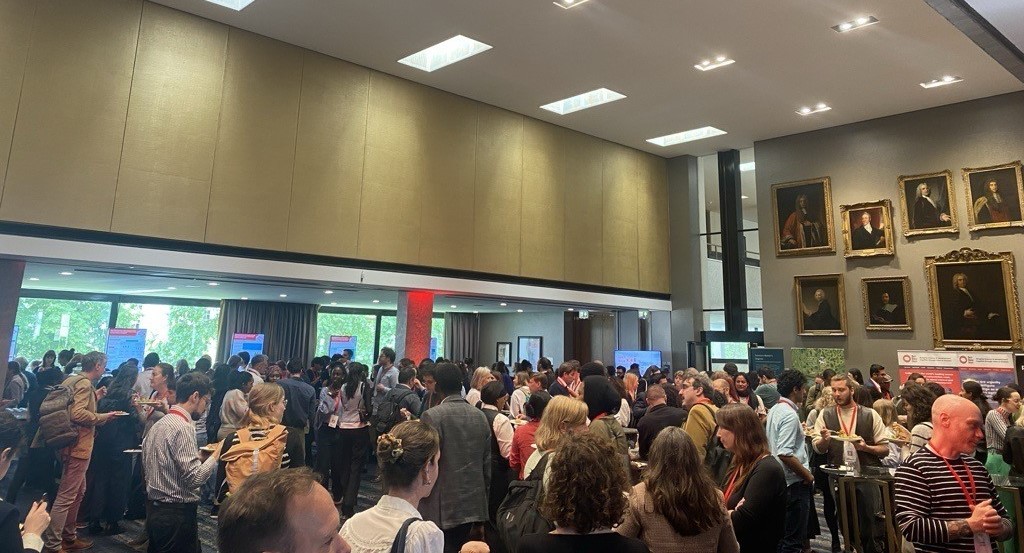
Alongside Médecins Sans Frontières' (MSF's) frontline humanitarian work, MSF plays an important role in advancing research and discussion in global health. Read about MSF Scientifics Days in London, where speakers discussed malnutrition and trauma care in Gaza, malaria vaccines, novel snakebite antivenoms in Ethiopia, maternal healthcare in Pakistan and Sudan, and new approaches for HIV care.
Is the future of healthcare affordable and sustainable? Insights from SDG 1 No Poverty
This is a crucial question for policymakers to address if we are to meet the SDG 3 targets by 2030. This blog kicks off a series by Springer Nature's SDG 1 group investigating links between poverty and (lack of) healthcare access. Don't miss it!
Celebrating Sex Differences to Improve Health for All
Read this interview blog to explore why sex differences research is a key tenet of effective and meaningful health research. When we integrate sex differences into research, we learn more about everyone’s health.
Vaccines: Since the Beginning
To celebrate the 230th anniversary of the first vaccine, let’s take a look at how far we’ve come. Within just a couple hundred years, humanity’s relationship with infectious disease changed forever.

Image: The Temple of Vaccinia, now known as Dr. Jenner’s House. Photo courtesy of the Jenner Trust.
Barriers to equitable maternal healthcare in low- and middle-income countries
Addressing inequalities in maternal healthcare requires coordinated action to ensure no woman is left without access to care particularly in Low- and Middle-income Countries. 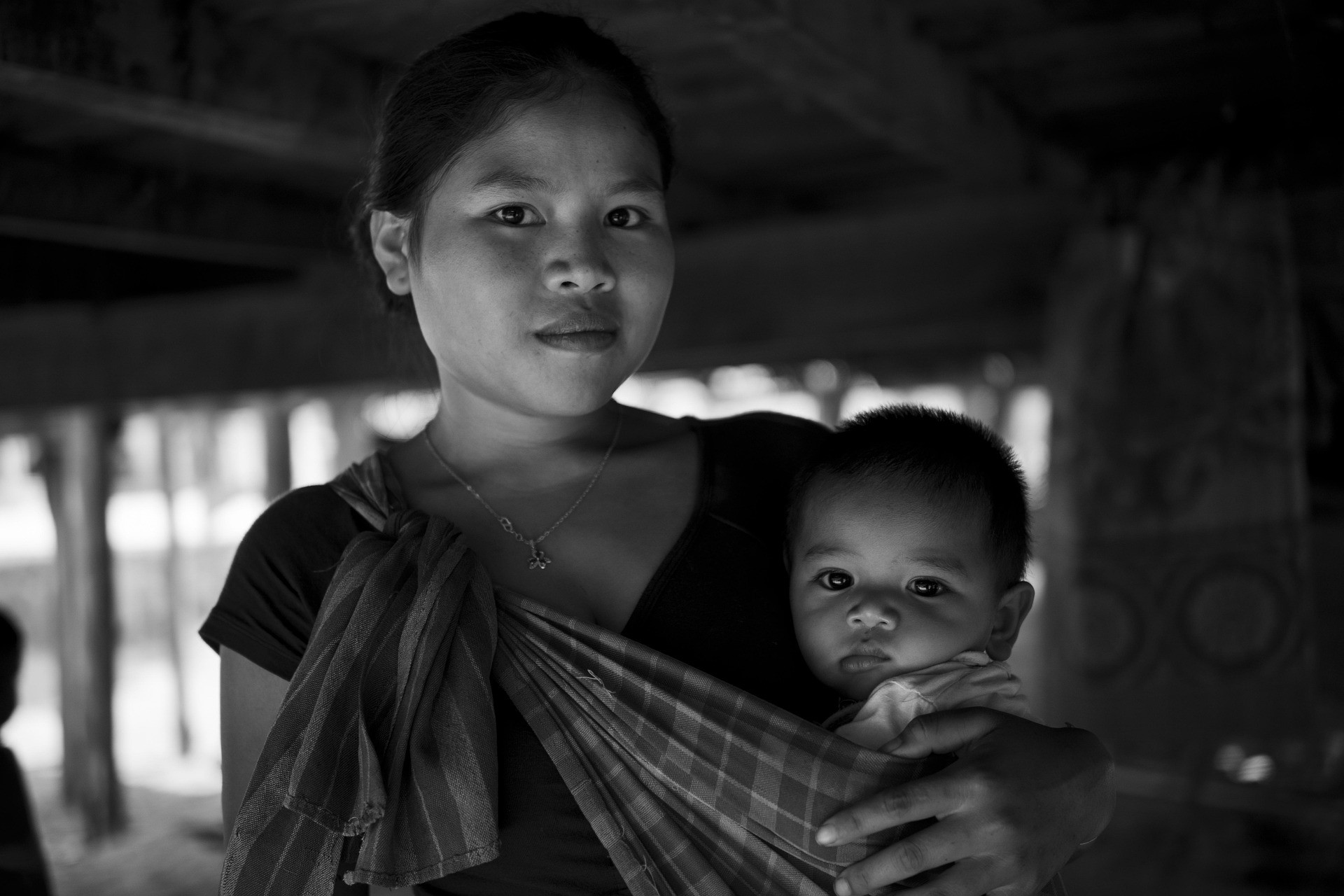
Beyond One-Size-Fits-All: How Doctors, Nurses, and Pharmacists Drive True Health Equity?
To bridge global health disparities, this blog argues doctors, nurses and pharmacists must look beyond the baseline of identical treatment and champion individualised care.
Editors' Perspectives on Pharmaceutical Intellectual Property and Health Equity
Pharmaceutical intellectual property is a controversial issue for health equity because, although it underpins innovation, it can also restrict access to essential medicines for vulnerable populations. This blog highlights Guest Editor perspectives on the biggest challenges the pharmaceutical IP system creates for health equity.

BMC Collections champion equity in health systems
Click the blog to discover relevant research or contribute to BMC's Collections exploring health equity across different contexts, from system-level frameworks to population-specific healthcare challenges.
In Other News...
It's pride month! Collections highlight for LGBTQ+ Health
Check out this exciting new journal. Authors can publish for free until 31 Dec 2026! This blog focuses on the journal's timely collection on Queer, Trans, and Non-binary health in shifting political landscapes.
 World Asthma Day 2026 with the IPCRG
Joe Casson, a Project Support at the International Primary Care Respiratory Group, comments on this year's World Asthma Day theme, "Access to anti-inflammatory inhalers for everyone with Asthma – still an urgent need.” Did you know that 96% of asthma related deaths occur in low-middle income countries? Read his blog to access further resources.
Get involved!
If you would like to be involved with our SDG 3 initiatives, contact me or Virginia Mercer. Follow me, Alice Coe, on Research Communities to be notified of future SDG 3 newsletters.
With special thanks to this newsletter's 25 contributors: Dr. Sofia Ahmed, Mariangela Aloj, Petia Apostolova, Elizabeth Baird, Dr. Jill Becker, Shital Bonde, Dr. Adam Buick, Emma Campbell, Joe Casson, Sophie Gray, Lisa Hodgkinson, Dr. Ezinne Igbokwe, Xiulin Koehler, Amy Joint, Dr. Gabriela Lenarczyk, Tessa Ley, Dr. John Liddicoat, Virginia Mercer, Rita Moreira, Stacey Morgan, Eleana Pegg, India Sapsed-Foster, Kathryn G. Schubert, Priya Sharma, Dr. Brigitte Tenni
Follow the Topic
-
Humanities and Social Sciences Communications
A fully open-access, online journal publishing peer-reviewed research from across—and between—all areas of the humanities, behavioral and social sciences.
-
ISRCTN: The UK’s Clinical Study Registry
A primary clinical trial registry recognised by WHO and ICMJE that accepts studies involving human subjects or populations with outcome measures assessing effects on human health and well-being, including studies in healthcare, social care, education, workplace safety and economic development.
-
Journal of Epidemiology and Global Health
The journal aims to impact global epidemiology and international health with articles focused on innovative scholarship and strategies to advance global health policy.
-
International Journal for Equity in Health
This journal presents evidence relevant to the search for, and attainment of, equity in health across and within countries and publishes research which improves the understanding of issues that influence the distribution of health and healthcare within populations.
-
Global LGBTQ+ Health
Global LGBTQ+ Health is an open access, peer reviewed journal, dedicated to publishing research that advances the understanding and improvement of health outcomes for LGBTQ+ individuals.





📢 Introducing: # Mental Health
Mental Health is a Topic created to increase visibility and impact of research in this area and facilitate exchange amongst researchers.
Continue reading announcementRelated Collections
With Collections, you can get published faster and increase your visibility.
Elimination of infectious diseases of poverty as a key contribution to achieving the SDGs
Publishing Model: Open Access
Deadline: Ongoing
Health Inequities’ Lethal Impact
Advancing our collective understanding of health inequities remains essential for addressing the complex and often lethal consequences of systemic disparities in health outcomes. While significant progress has been made in recognizing the role of social determinants of health (SDOH), there is an urgent need to further investigate the structural injustices that perpetuate income inequality, racial and ethnic disparities, and the disproportionate burden of chronic disease—particularly among historically marginalized and underserved populations.
This Collection centers on the lethal impact of health inequities, with a primary focus on mortality and the systemic conditions that lead to preventable deaths. While morbidity—defined as the burden of disease and disability—plays a critical role in shaping health trajectories, it is the escalation to premature mortality that underscores the urgency of this research. Authors are strongly encouraged to examine how inequities contribute to death and life-shortening outcomes, rather than submitting work that addresses health equity in general without engaging with its fatal consequences.
Recent research has revealed that the relationship between morbidity and mortality is complex and non-linear. Some populations endure prolonged suffering due to chronic conditions, while others face abrupt and avoidable death due to systemic neglect. These patterns reflect the cumulative impact of adverse SDOH, such as housing insecurity, food instability, limited education, and lack of access to timely care.
Communities facing intergenerational trauma, persistent socioeconomic disadvantage, and discrimination—including Indigenous populations and other minoritized groups—are disproportionately affected. Individuals living in areas of high social vulnerability experience significantly higher all-cause mortality rates, and those with multiple concurrent adverse SDOH face the poorest health outcomes.
Ongoing examination of these issues is vital for informing evidence-based decision-making and equipping policymakers with the insights needed to foster equity in health. Beyond identifying policy failures, this Collection seeks to highlight mechanisms for translating research into equitable policy action. By bridging the gap between evidence and implementation, we aim to surface practical pathways for systemic change—whether through legislative reform, community-led initiatives, or integrated health system strategies.
We invite researchers to contribute to this special Collection, Health Inequities’ Lethal Impact. Topics of interest include, but are not limited to:
-Structural injustice and health
-The role of income inequality in health outcomes
-Racial and ethnic disparities in chronic disease
-Health inequities in Indigenous communities
-Policy interventions for reducing preventable deaths
-Mechanisms for translating evidence into equitable policy action
-Social determinants of health and morbidity
-Community-based approaches to health equity
-Examining policy failures in health systems
-Intersections of morbidity and mortality in vulnerable populations
This Collection supports and amplifies research related to SDG 3, Good Health and Well-Being and SDG 10, Reduced Inequalities, reinforcing the global imperative to ensure equitable access to health.
All submissions in this collection undergo the journal’s standard peer review process. Similarly, all manuscripts authored by a Guest Editor(s) will be handled by the Editor-in-Chief. As an open access publication, this journal levies an article processing fee (details here). We recognize that many key stakeholders may not have access to such resources and are committed to supporting participation in this issue wherever resources are a barrier. For more information about what support may be available, please visit OA funding and support, or email OAfundingpolicy@springernature.com or the Editor-in-Chief.
Publishing Model: Open Access
Deadline: Nov 02, 2026