T cells in amyotrophic lateral sclerosis
Published in Biomedical Research

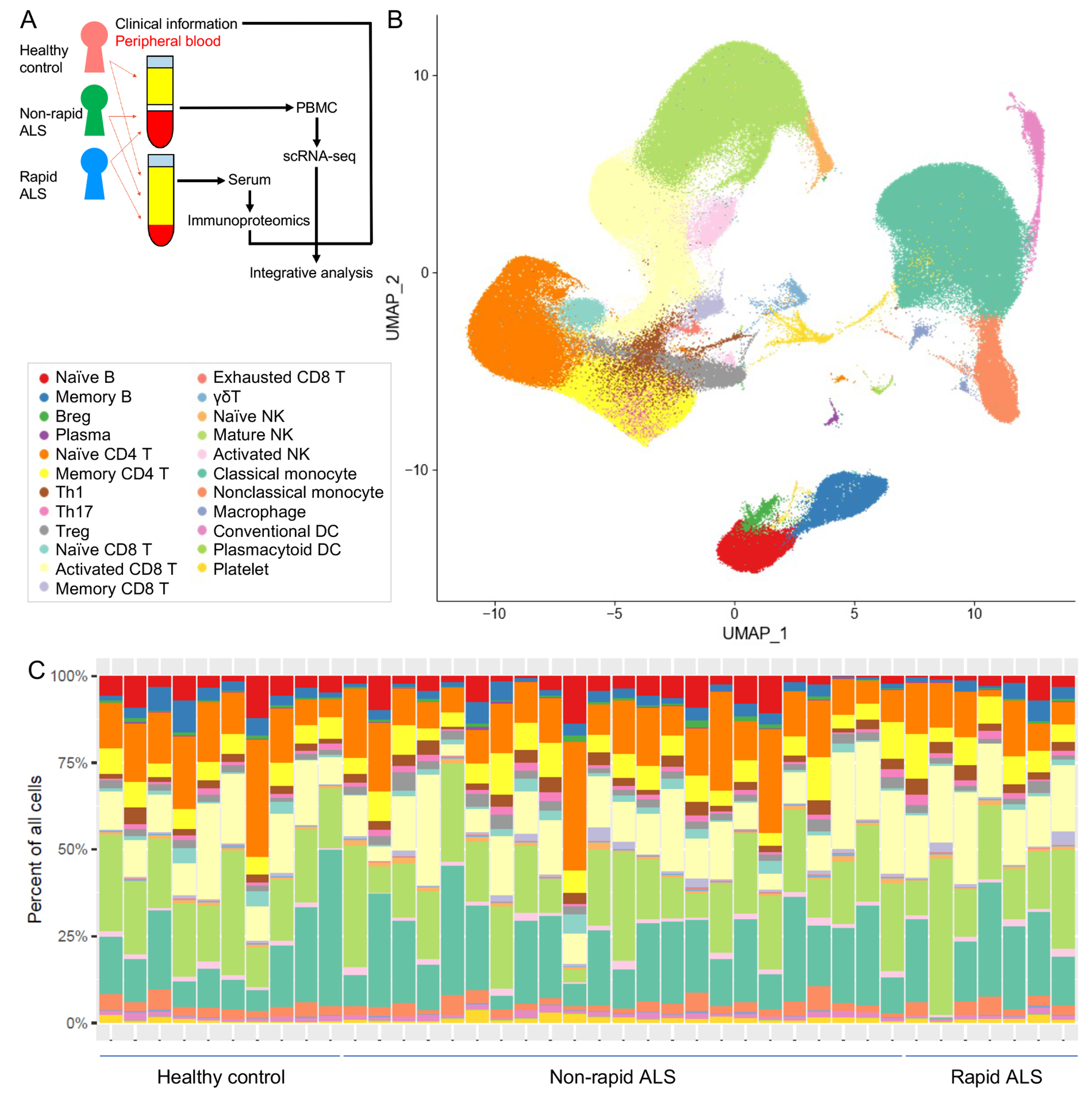

Amyotrophic lateral sclerosis (ALS) is a devastating disease that progresses differently for each patient. Scientists have long wondered why some cases worsen rapidly while others advance more slowly. Recent research suggests that the immune system may play a crucial role.
In this study, we analyzed blood samples from healthy individuals and ALS patients with slow and rapid disease progression. Using advanced techniques like single-cell RNA sequencing and proteomics, we discovered significant differences in immune cell types and inflammation-related proteins.
Patients with rapid progression showed a shift in immune cell balance. T helper 17 cells, which promote inflammation, outnumbered regulatory T cells, which typically keep the immune system in check. Effector CD8 T cells, which attack tissues, were more abundant than their naïve counterparts. Proteins like interleukin-17 and CD94 were also elevated and linked to these immune cell changes.
These findings suggest that immune system overactivation may accelerate ALS progression. While further research is needed, this study marks a hopeful step toward understanding ALS and improving patient outcomes.

Follow the Topic
-
Journal of Neuroinflammation
This is a fully open access journal that focuses on interactions of the immune system (and especially the innate immune system) with the nervous system.