Targeted HD-tDCS over left DLPFC to modify cognitive biases in young adults with social anxiety symptoms
Published in Behavioural Sciences & Psychology



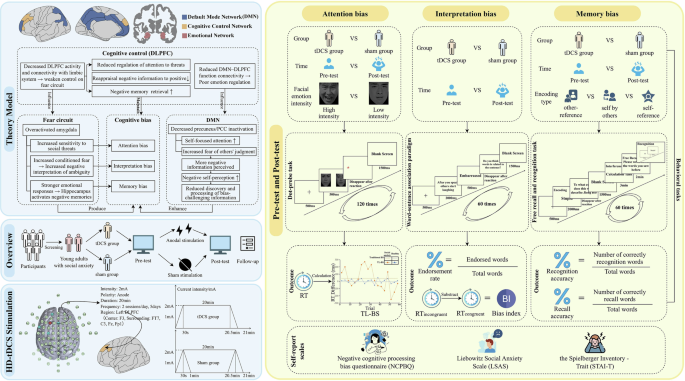

What we already knew and what was missing
Social anxiety is the third most prevalent mental health condition after depression and alcohol abuse [1], particularly common among young adults aged 18 to 24 [2]. From an information-processing perspective, cognitive bias is considered a core factor in the onset and maintenance of social anxiety symptoms, encompassing attention bias, interpretation bias, and memory bias [3, 4]. Neuroscientific research further suggests that hyperactivation of amygdala and the default mode network (DMN), together with dysregulation in the prefrontal cortex (PFC), may underlie these cognitive biases among young adults with social anxiety symptoms.
High-definition transcranial direct current stimulation (HD-tDCS), a non-invasive neuromodulation technique that delivers direct current to specific cortical regions, modulating neuronal excitability [5, 6], can be particularly suitable for modifying cognitive bias and alleviating social anxiety symptoms. Prior studies applying anodal tDCS over the left dorsolateral prefrontal cortex (DLPFC) have reported improvements in attention, interpretation and memory biases among clinical populations [7-9].
However, most cognitive bias intervention studies have employed online stimulation protocols, in which stimulation occurs simultaneously with cognitive training. This approach overlooks offline effects, which are critical for producing long-term cognitive changes and reducing reliance on repeated intervention. Moreover, few studies have directly targeted socially anxious young adults, a group characterized by distinct cognitive patterns, such as attention avoidance, negative interpretation of social cues, and self-referential memory biases [8, 10, 11].
What we did in our study
This randomized controlled trial examined the offline effects of HD-tDCS on attention, intervention, and memory biases among socially anxious young adults. Seventy-four university students with elevated social anxiety were randomly assigned to either an active stimulation group (n=37) or a sham control group (n=37). Each participant completed ten 20-minute stimulation sessions over five consecutive days, with anodal stimulation targeting the left DLPFC. In the active HD-tDCS condition, the current was ramped up to 2mA over 30 seconds, maintained for 20 minutes, then ramped down at the end of the session. In the sham condition, the current was ramped up to 2mA within the first and last 30 seconds to mimic the sensation of stimulation, but no current was maintained during the session.
To assess cognitive biases, we used three behavioral tasks: the dot-probe task, the word-sentence association paradigm, and recognition and free-recall tasks. Participants also completed self-report questionnaires measuring cognitive biases and anxiety symptoms. Both behavioral tasks and self-report questionnaires were administered at baseline (pre-test) and immediately after the final stimulation session (post-test). Self-report measures were assessed again at a 4-week follow-up.
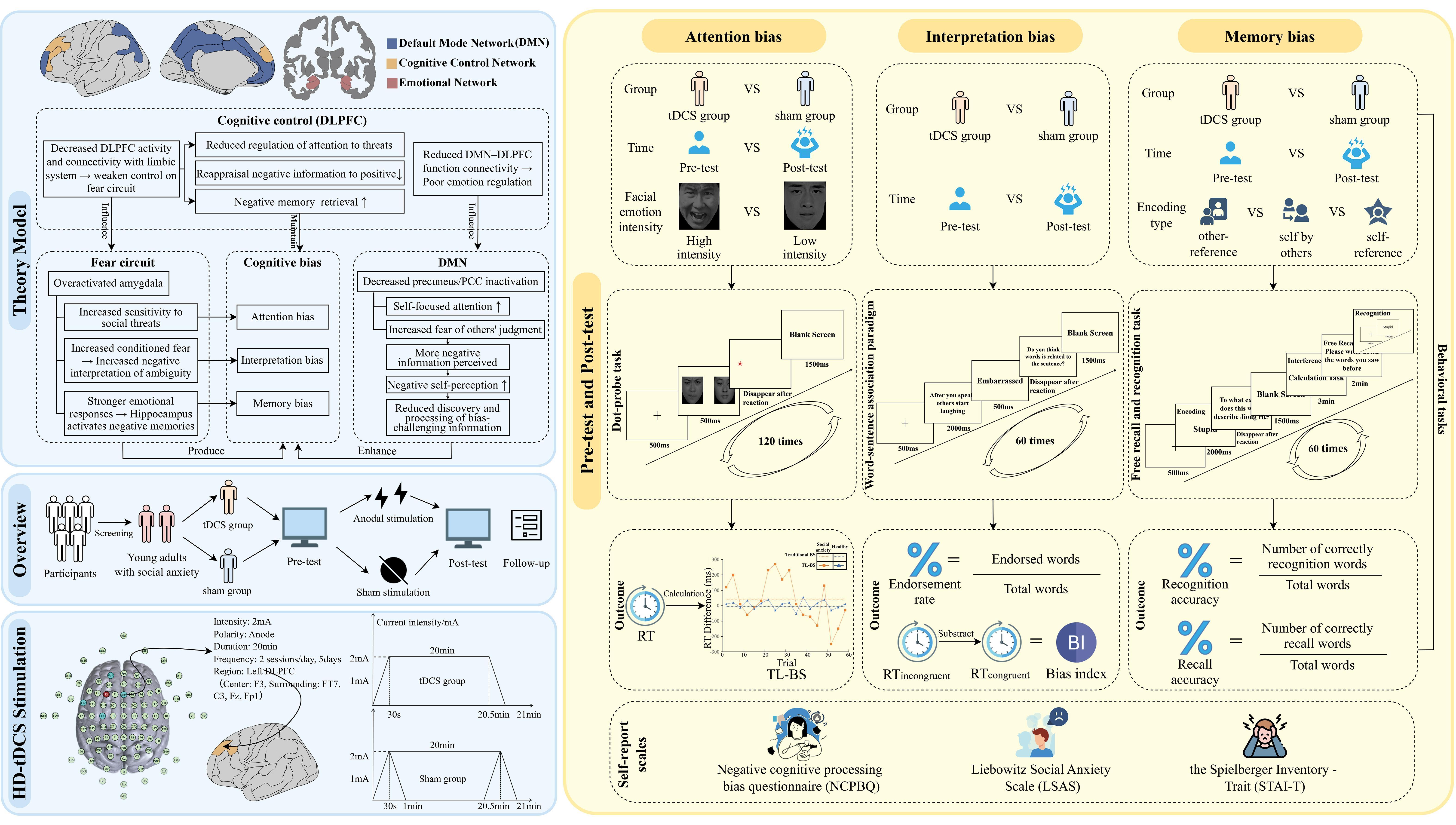
Fig. 1 Overview of the randomized controlled trial
What we found in the behavior…
Participants receiving active HD-tDCS showed significant improvements in behavioral indicators of cognitive bias, including reduced attentional avoidance, negative interpretation bias, and memory bias after the 10-session intervention. In contrast, no comparable changes were observed in the sham group. Interestingly, HD-tDCS improved attentional processing particularly for low-intensity emotional facial expressions, whereas no significant effects were found for high-intensity expressions. HD-tDCS also enhanced memory performance, especially for self-referential information.
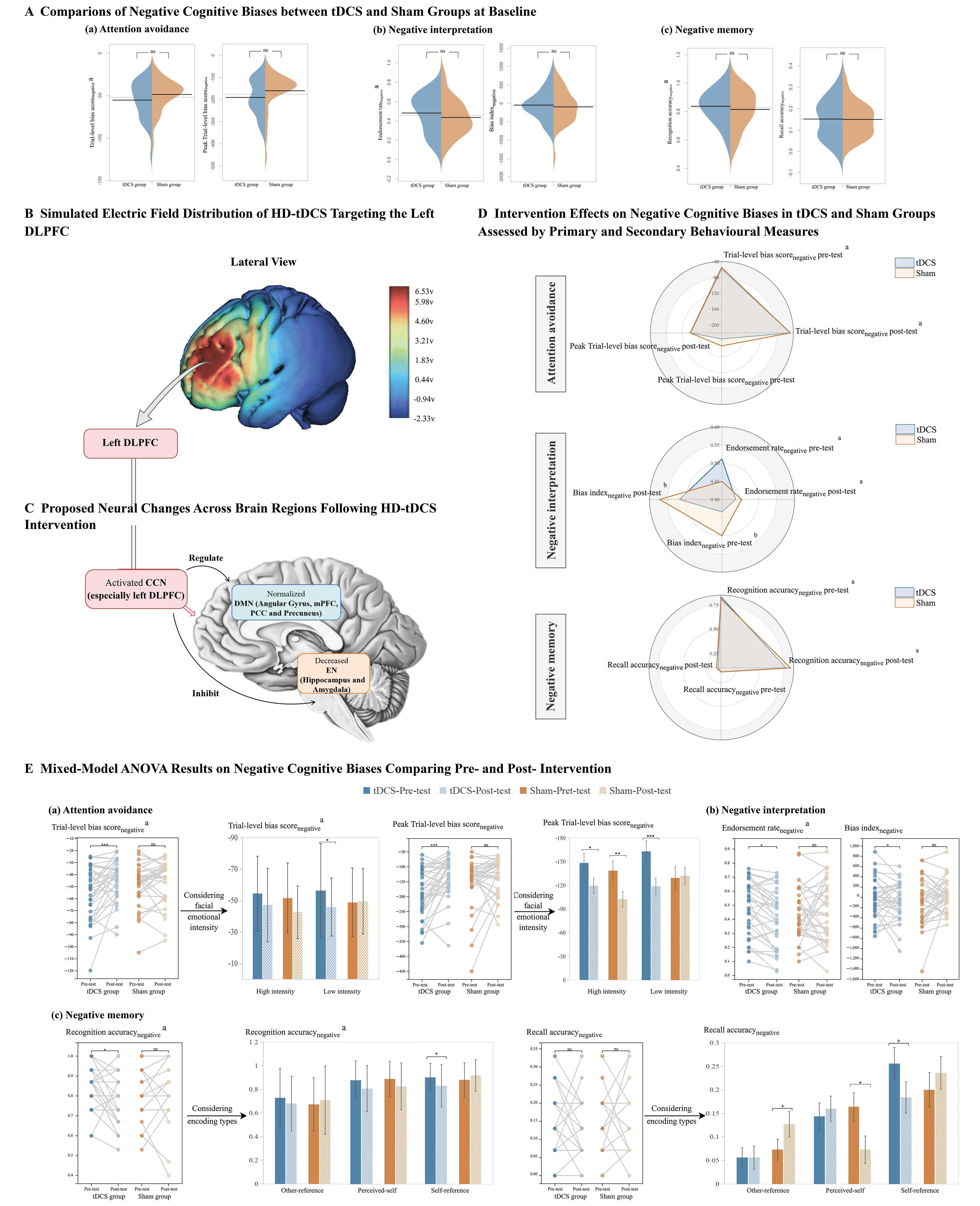
Fig. 2 Group differences in behavioral indicators of negative cognitive biases between the HD-tDCS and sham conditions across pre and post-intervention.
…And in the self-reported scales
In contrast to the behavioral findings, no significant differences were observed between the treatment and control groups in self-reported cognitive bias or anxiety symptoms. This discrepancy may reflect a gap between intervention efficacy (objective change) and effectiveness (subjective perception).
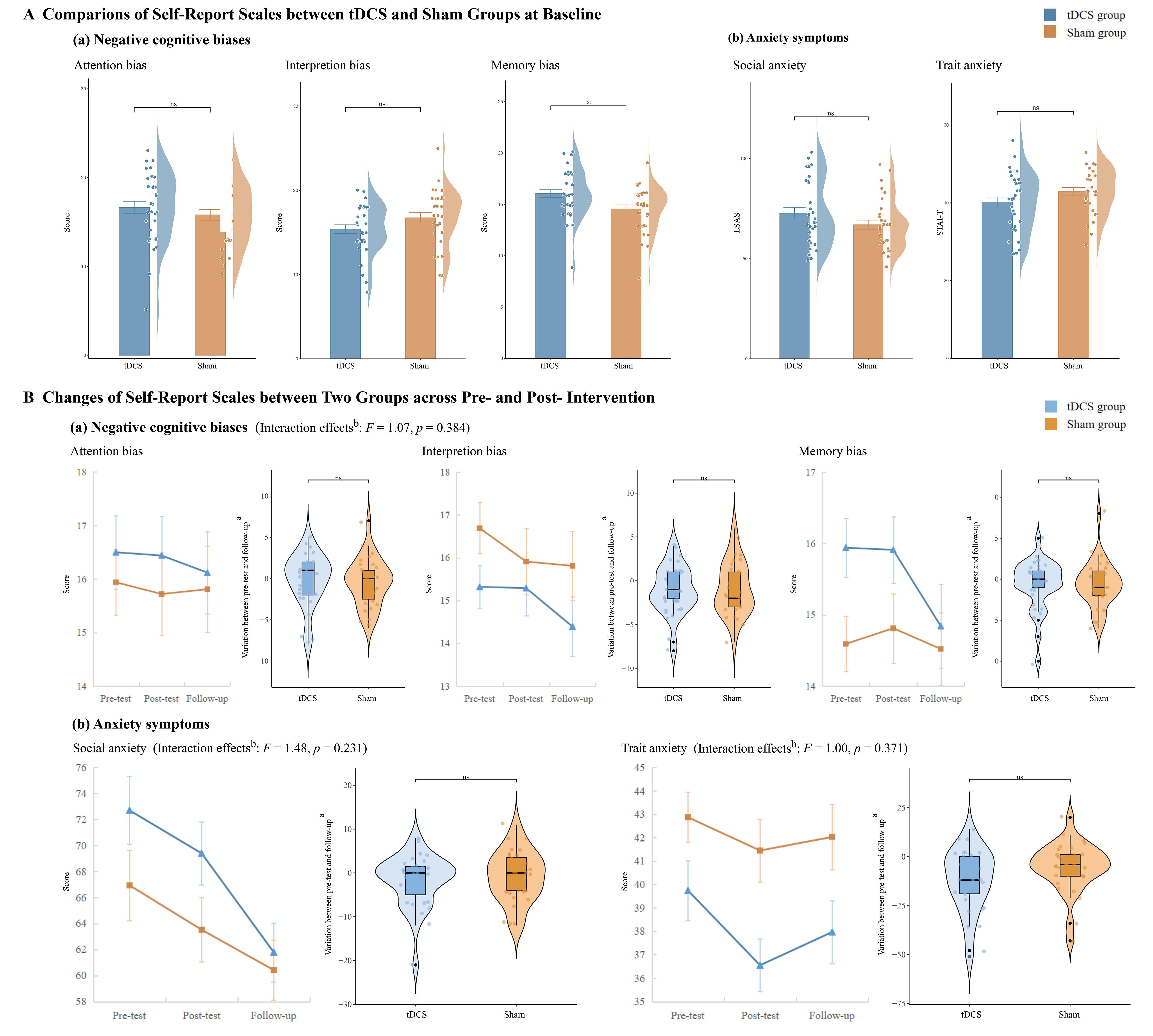
Fig. 3 Group differences in self-report indicators between the HD-tDCS and sham conditions across pre- and post-intervention.
What comes next
First, participants were recruited exclusively from a university population, which may limit the generalizability of the findings. University students may share cognitive characteristics such as relatively stronger working memory and reasoning abilities. Future studies should include larger and more diverse samples. In addition, the absence of long-term behavioral follow-up limited our ability to draw conclusions about the durability of the intervention effects. Future longitudinal studies are therefore needed to examine whether the behavioral effects of HD-tDCS persist over time and whether they translate into meaningful clinical improvements.
Reference
- Aune T, Nordahl HM, Beidel DC. Social anxiety disorder in adolescents: Prevalence and subtypes in the Young-HUNT3 study. J Anxiety Disord. 2022;87:102546.
- Tang X, Liu Q, Cai F, Tian H, Shi X, Tang S. Prevalence of social anxiety disorder and symptoms among Chinese children, adolescents and young adults: A systematic review and meta-analysis. Front Psychol. 2022;13.
- Amir N, Bomyea J. Chapter 14 - Cognitive Biases in Social Anxiety Disorder. In: Hofmann SG, DiBartolo PM, editors. Social Anxiety (Second Edition). San Diego: Academic Press; 2010. p. 373-93.
- Kuckertz JM, Amir N. Chapter 16 - Cognitive Biases in Social Anxiety Disorder. In: Hofmann SG, DiBartolo PM, editors. Social Anxiety (Third Edition). San Diego: Academic Press; 2014. p. 483-510.
- Stein DJ, Fernandes Medeiros L, Caumo W, Torres IL. Transcranial direct current stimulation in patients with anxiety: current perspectives. Neuropsychiatr Dis Treat. 2020:161-9.
- Kuo H-I, Bikson M, Datta A, Minhas P, Paulus W, Kuo M-F et al. Comparing Cortical Plasticity Induced by Conventional and High-Definition 4 × 1 Ring tDCS: A Neurophysiological Study. Brain Stimul. 2013;6(4):644-8.
- Heeren A, Billieux J, Philippot P, De Raedt R, Baeken C, de Timary P et al. Impact of transcranial direct current stimulation on attentional bias for threat: a proof-of-concept study among individuals with social anxiety disorder. Social Cognitive and Affective Neuroscience. 2016;12(2):251-60.
- Nejati V, Khalaji S, Goodarzi H, Nitsche M. The role of ventromedial and dorsolateral prefrontal cortex in attention and interpretation biases in individuals with general anxiety disorder (GAD): A tDCS study. Journal of Psychiatric Research. 2021;144:269-77.
- Nejati V, Heyrani R, Nitsche M. Attention bias modification through transcranial direct current stimulation (tDCS): A review. Neurophysiologie Clinique. 2022;52(5):341-53.
- Nejati V, Estaji R. The impact of transcranial direct current stimulation on attention bias modification in children with ADHD. J Neural Transm. 2024;131(7):823-32.
- Morales S, Pérez-Edgar KE, Buss KA. Attention Biases Towards and Away from Threat Mark the Relation between Early Dysregulated Fear and the Later Emergence of Social Withdrawal. J Abnorm Child Psychol. 2015;43(6):1067-78.

Follow the Topic
-
Molecular Psychiatry

This journal publishes work aimed at elucidating biological mechanisms underlying psychiatric disorders and their treatment, with emphasis on studies at the interface of pre-clinical and clinical research.
Your space to connect: The Psychedelics Hub
A new Communities’ space to connect, collaborate, and explore research on Psychotherapy, Clinical Psychology, and Neuroscience!
Continue reading announcement
Please sign in or register for FREE
If you are a registered user on Research Communities by Springer Nature, please sign in