The hallmarks of migraine: a paper and a wager
Published in Sustainability and General & Internal Medicine



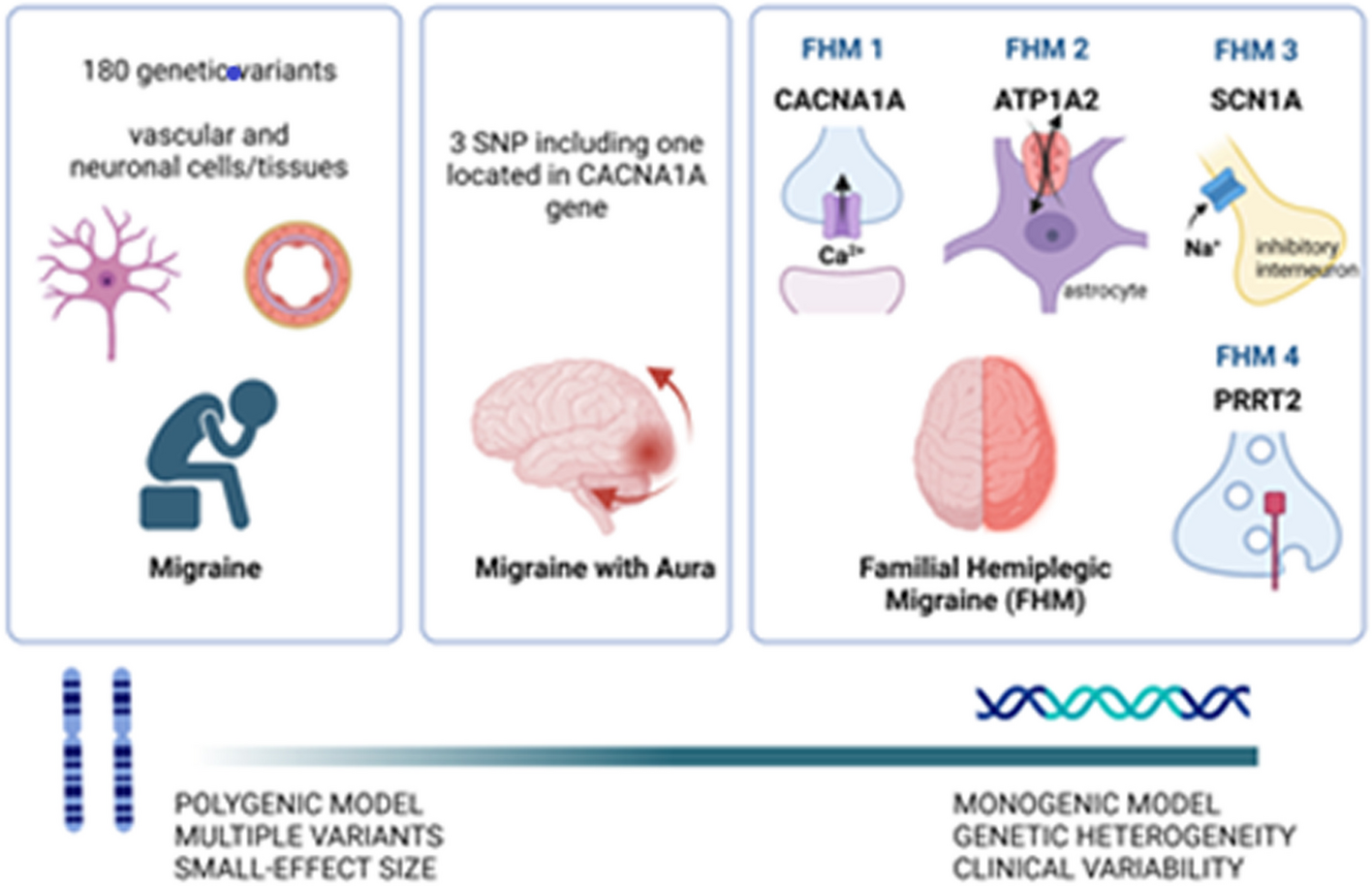

This was not the first time in which I coordinated a large effort on the Journal of Headache and Pain. Surely, this was the time in which I enjoyed more ... as the story begins and ends with a wager.
The wager was to coordinate a complex task, in which the idea was to bring together a set of recognized experts in their respective fields, together with some "future experts", to get to a simple point: creating a "masterpiece" for migraine-related science. But also, creating a ground for a cultural position on the way in which migraine is approached. But also, combining different expertise and experiences, mixing that of recognized scientists and clinicians with that of people who are promising in their fields, the so called future experts. And, in the middle of this, we had to put together all of the knowledgeable about migraine. This could be quite complex, and boring: so, we turned it into a funny activity. And we did it.
Synthesizing a 47-page long paper is almost impossible, but here I wish to provide some ideas on the worth of this work. We decided that the idea behind the term "hallmarks" should not be strict, i.e. the most typical and distinctive sign and symptoms, but large: and we included issues related to personal impact, economic evaluation, workplace impact, pharmacovigilance...so not only a strict scientific and clinical paper, but a cultural one. Although simple, our conclusion on the most relevant hallmark of migraine, was that migraine has common and individual features together. The common ones basically include migraine clinical manifestations, i.e. unilateral location of headache, with pulsating quality, pain of moderate/severe intensity, which is aggravated by physical activity and associated to either nausea, photophobia or phonophobia. Apart from this, migraine is a land of heterogeneity, which likely reflects genetics and molecular bases, as well as the different exposure to environmental factors. All of this determines a variable response to treatments and the need to manage migraine with a multi-modal approach.
However, medical research on headaches particularly suffers from the syndrome of single-disease niche sub-specialties, determining a poor propensity for comparison among different disciplines and areas of intervention, including medical, behavioral and related to prevention in a public health perspective. The output of this monolithic approach is that research results might be brilliant, but yet lack a systematic project articulation. This is evident in the little to no interpretative vision of research findings, resulting in a reduced attractiveness of funding.
This is precisely the cultural value of the hallmarks of migraine paper: presenting an updated view on migraine knowledge with a paramount vision on the persons who suffer from it. Researchers and clinicians with an interest on migraine must have a cross-sectional and joint vision with other niche disease specialties and must stop relegating themselves to the role of fine technicians in the service of an organ or a function.
Presenting this view on migraine was our wager. We did it and we enjoyed while doing it: so enjoy reading as we enjoyed writing.

Follow the Topic
-
The Journal of Headache and Pain
The Journal of Headache and Pain is a peer-reviewed open access journal specifically dedicated to researchers involved in all aspects of headache and related pain syndromes, including epidemiology, public health, basic science, translational medicine, clinical trials and real-world data.

Related Collections
With Collections, you can get published faster and increase your visibility.
Focus India
Headache disorders, especially migraine, constitute a major neurological health challenge and are increasingly recognized as leading contributors to disability worldwide. Their impact extends beyond episodic pain, influencing cognitive performance, emotional well-being, and overall quality of life. India carries a substantial share of the global migraine burden, yet remains affected by significant gaps in awareness, diagnosis, access to specialist care, and research output. Although global research has clarified many aspects of headache pathophysiology, the expression of these disorders varies across populations due to genetic, environmental, cultural, and healthcare access factors in the Indian context.
Migraine, in particular, demonstrates substantial heterogeneity in symptom patterns, triggers, and response to therapy, underscoring the need for population specific data. India’s vast and heterogeneous population offers a unique opportunity to generate locally relevant epidemiological, clinical, and translational insights. In many regions, underdiagnosis and inadequate treatment remain persistent problems, often compounded by stigma and limited awareness. Understanding the burden of headache disorders within specific communities in India is essential for designing effective public health strategies, improving diagnostic pathways, and tailoring management approaches. Moreover, the chronic nature of recurrent headaches places a significant economic burden on individuals and healthcare systems through lost productivity and frequent medical consultations. Through this Collection, we aim to stimulate nationally driven research, foster collaboration across institutions and care settings, and strengthen India’s contribution to global headache and brain health science.
Topics of interest include but are not limited to:
- Epidemiology of migraine in India
- Management strategies of migraine in Indian patients
- Cultural perceptions of tension-type headache
- Treatment approaches for cluster headaches
- Trigeminal autonomic cephalalgias in diverse populations
- Chronic daily headache management strategies
- Impact of lifestyle factors on headache prevalence
- Public health initiatives for headache awareness
- Innovations in headache research methodologies
We welcome submissions from author groups with their main affiliated institution in India. Cross-international authorship groups are welcome to submit their work to The Journal of Headache and Pain outside of this Collection.
This Collection supports and amplifies research related to SDG 3, Good Health and Well-Being.
All submissions in this collection undergo the journal’s standard peer review process. Similarly, all manuscripts authored by a Guest Editor(s) will be handled by the Editor-in-Chief. As an open access publication, this journal levies an article processing fee (details here). We recognize that many key stakeholders may not have access to such resources and are committed to supporting participation in this issue wherever resources are a barrier. For more information about what support may be available, please visit OA funding and support, or email OAfundingpolicy@springernature.com or the Editor-in-Chief.
Publishing Model: Open Access
Deadline: Dec 01, 2026
Focus China
Headache disorders, particularly migraine, represent a significant and growing public health concern with a major impact on disability and quality of life. While research has advanced our global understanding, the specific manifestations, burdens, and management challenges of these conditions within unique populations require dedicated attention. In China, factors such as vast geographical disparities, rapid urbanization, diverse ethnicities, and a unique healthcare system structure present distinctive opportunities and challenges in the recognition, diagnosis, and treatment of headache disorders.
This thematic Collection, “Focus China”, aims to illuminate the landscape of headache medicine in China by exploring epidemiological patterns, clinical characteristics, healthcare access, traditional and integrative medicine approaches, and the socio-economic impact of headache disorders across the country.
We invite submissions of original research, systematic and narrative reviews, editorials, rapid reviews, and commentaries on topics including, but not limited to:
• The epidemiology, burden, and clinical features of migraine and other headache disorders in specific Chinese populations and regions.
• Advanced neuroimaging studies identifying unique endophenotypes, structural and functional brain alterations, and biomarkers of headache disorders in the Chinese cohort.
• Insights into the pathophysiology of headache disorders from a Chinese perspective, including research on epigenetics, neuron-glia interactions, and multi-omics.
• Studies on the integration of Traditional Chinese Medicine (TCM) with conventional headache management.
• Unique cultural, environmental, and genetic factors influencing headache disorders in China.
• The development and validation of diagnostic tools for the Chinese population.
This Collection provides a dedicated platform for researchers and clinicians primarily affiliated with Chinese institutions to share their insights and contribute to the global knowledge of headache science while addressing the specific needs of their region. By fostering collaboration and knowledge exchange, “Focus China” aims to drive meaningful advancements in headache research and patient care across China.
Therefore, the Collection welcomes submissions from author groups with their main affiliated institution in China. Cross-international authorship groups are welcome to submit their work to The Journal of Headache and Pain outside of this Collection.
This Collection supports and amplifies research related to SDG 3, Good Health and Well-Being.
All submissions in this collection undergo the journal’s standard peer review process. Similarly, all manuscripts authored by a Guest Editor(s) will be handled by the Editor-in-Chief. As an open access publication, this journal levies an article processing fee (details here). We recognize that many key stakeholders may not have access to such resources and are committed to supporting participation in this issue wherever resources are a barrier. For more information about what support may be available, please visit OA funding and support, or email OAfundingpolicy@springernature.com or the Editor-in-Chief.
Publishing Model: Open Access
Deadline: Oct 13, 2026