The hidden microbial life of hospital water networks
Published in Healthcare & Nursing and Microbiology



When microbiological risks in hospitals are discussed, attention often turns to patients, healthcare workers, surfaces, and medical devices. Water tends to remain in the background, although it moves continuously through buildings and reaches many points of care. A study recently published in the Brazilian Journal of Microbiology brings this less visible part of the hospital environment into focus.
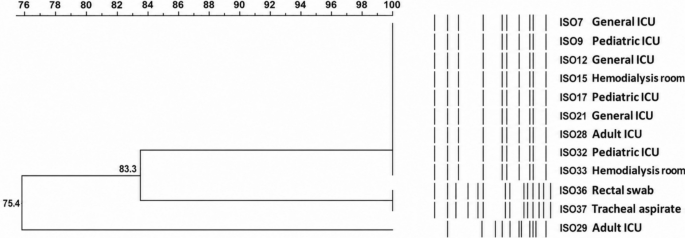
In One Health in hospital settings: the role of water as an invisible reservoir of opportunistic pathogens, the researchers evaluated the microbiological quality of treated water within a hospital distribution system. Their investigation considered the opportunistic bacteria recovered from the system, their antimicrobial susceptibility profiles, and the genetic relationships among isolates.
This combination of approaches matters because detecting bacteria is only one part of the picture. Characterising the isolates can help researchers examine whether microorganisms found at different points in a water network share relevant biological properties or patterns of relatedness. Susceptibility testing also places the environmental findings within the broader discussion of antimicrobial resistance.
Everywhere in the hospital ecosystem
The study invites readers to think of hospital water as a microbial environment rather than simply a treated resource entering a building. Once inside a complex distribution network, water passes through pipes, outlets, and other structures that form part of the hospital ecosystem. Investigating that ecosystem can reveal reservoirs that might otherwise receive limited attention in routine microbiological assessments.
The One Health perspective is particularly useful here. It encourages connections between environmental microbiology, clinical microbiology, public health, and antimicrobial-resistance surveillance without treating them as isolated areas of research. In hospital settings, water offers a practical point at which these fields intersect.
The findings support closer attention to water distribution systems when studying opportunistic bacteria in healthcare environments. They do not establish that every organism detected will cause infection, nor do they justify conclusions about hospitals beyond the system examined. Instead, the article provides evidence for including water in a broader and more integrated understanding of hospital microbial ecology.
Author's note: I used Microsoft Copilot to assist in creating this post.
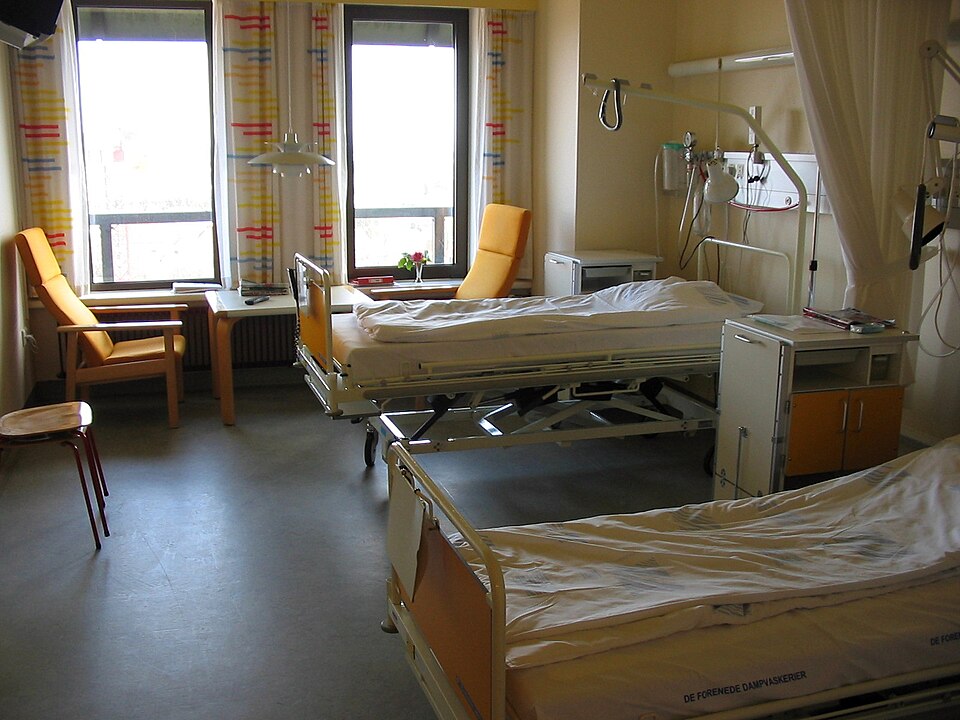
Image: Tomasz Sienicki, public domain.

Follow the Topic
-
Brazilian Journal of Microbiology
This is an international peer-reviewed journal encompassing all fundamental and applied aspects of microbiology.