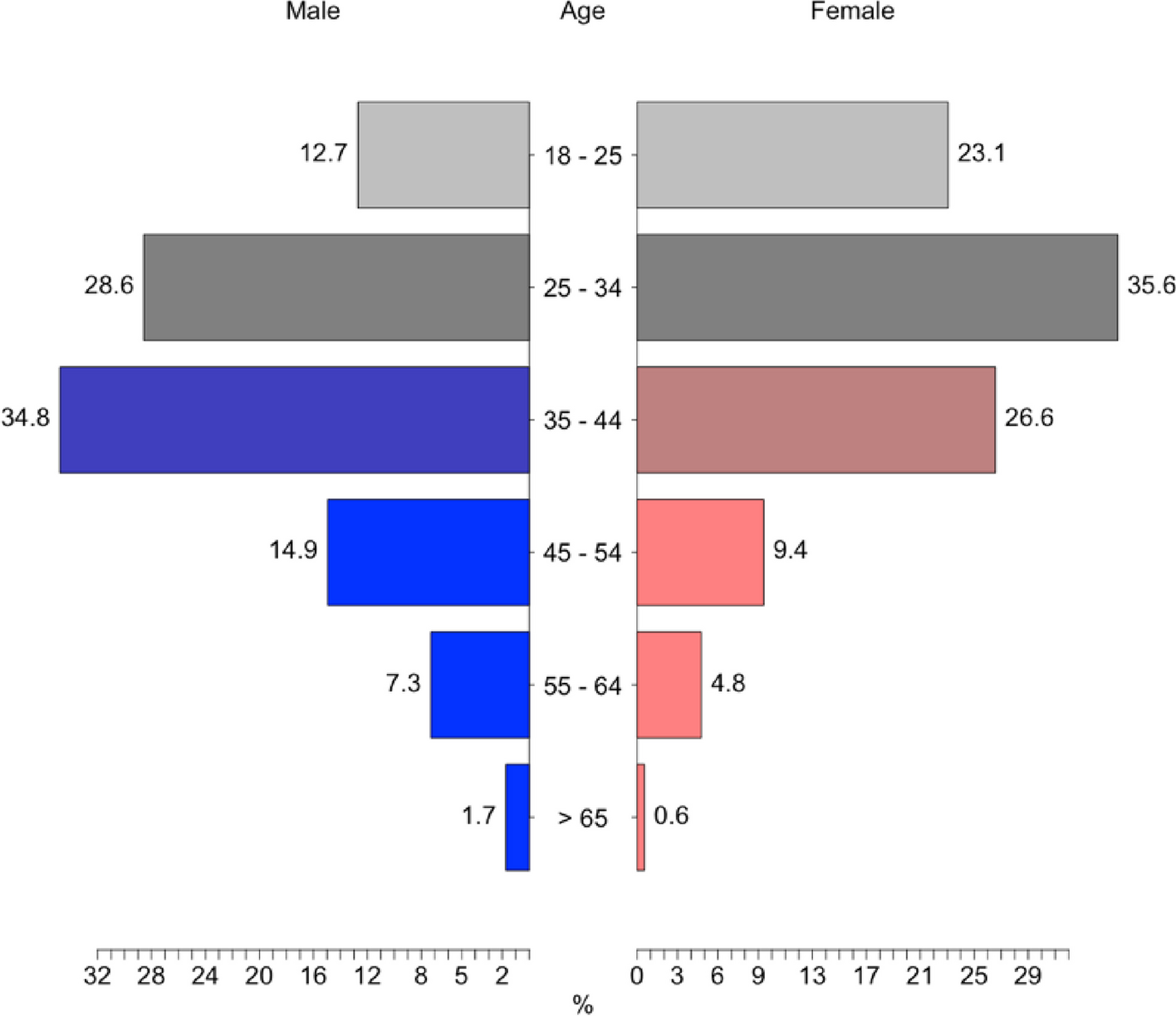
The perception of genetic diseases and premarital screening tests in the central region of Saudi Arabia
Published in Genetics & Genomics and Public Health


Follow the Topic
-
BMC Public Health
An open access, peer-reviewed journal that considers articles on the epidemiology of disease and the understanding of all aspects of public health.

Related Collections
With Collections, you can get published faster and increase your visibility.
Monitoring, preventing, and managing type 2 diabetes
BMC Public Health is calling for submissions to our Collection on Monitoring, preventing, and managing diabetes at the population level. With rates of type 2 diabetes rising globally, especially in low- and middle-income countries and underserved communities, prevention strategies are critical. As the disease progresses people with diabetes are at increased risk of complications such as cardiovascular and kidney diseases, neuropathy and visual loss.
This Collection seeks submissions that explore population-level approaches to monitoring rates of diabetes, preventing or delaying the development of type 2 diabetes, and system-wide efforts to improve the management of the disease and reduce rates of complications, with a focus on improving health outcomes and reducing healthcare burdens.
Submissions are encouraged on primary prevention initiatives and culturally adapted, community-level interventions to reduce the risk of diabetes. Research aimed at improving systems for monitoring rates of diabetes and its complications through routinely-collected health data, or for improving management by enhancing patient engagement with healthcare systems or better identifying those in need, are encouraged. Research on diabetes education and support systems is also welcomed, with a focus on empowering individuals to adopt and sustain healthier lifestyles and avoid known causes of diabetes.
Additional topics of interest include (but are not limited to):
Access to healthcare and diabetes management
The impact of food insecurity on diabetes outcomes
Community-based interventions for low-income populations
Interventions to reduce exposure to environmental causes of diabetes
Financial barriers to diabetes medication and treatment
Housing instability, employment status and type 2 diabetes
Health literacy, poverty, and diabetes management
Policies to reduce poverty-related health disparities in diabetes
This Collection supports and amplifies research related to SDG 3: Good Health & Well-Being.
All manuscripts submitted to this journal, including those submitted to collections and special issues, are assessed in line with our editorial policies and the journal’s peer review process. Reviewers and editors are required to declare competing interests and can be excluded from the peer review process if a competing interest exists.
Publishing Model: Open Access
Deadline: Jul 16, 2026
Male reproductive health
BMC Public Health invites submissions to our new Collection, "Male reproductive health”. Male reproductive health is an essential yet often overlooked aspect of public health that encompasses various factors affecting men's fertility and overall well-being. Issues such as declining sperm counts, poor sperm quality, the impact of environmental exposures and the effects of lifestyle and dietary factors on reproductive outcomes are gaining increasing attention.
This Collection seeks to examine the multifaceted influences on male reproductive health, considering environmental, infectious and sociocultural dimensions that affect male reproductive parameters and contribute to fertility challenges. Continued research in this area could help identify causative factors and contribute to advances in public health policies, ultimately benefiting future generations.
Key topics of interest include, but are not limited to:
Environmental pollution and reproductive health
Sperm count trends and implications for fertility
The role of occupational exposures in male fertility
The effects of infectious diseases on sperm parameters
Impact of diet and lifestyle factors on sperm quality and fertility
Psychological factors influencing reproductive health
Interventions for improving male reproductive health
This Collection supports and amplifies research related to Sustainable Development Goal 3- Good Health and Well-Being.
All manuscripts submitted to this journal, including those submitted to collections and special issues, are assessed in line with our editorial policies and the journal’s peer review process. Reviewers and editors are required to declare competing interests and can be excluded from the peer review process if a competing interest exists.
Publishing Model: Open Access
Deadline: Jun 29, 2026

Please sign in or register for FREE
If you are a registered user on Research Communities by Springer Nature, please sign in