Understand human health and development through genomic mosaicism
Published in Cell & Molecular Biology and Genetics & Genomics
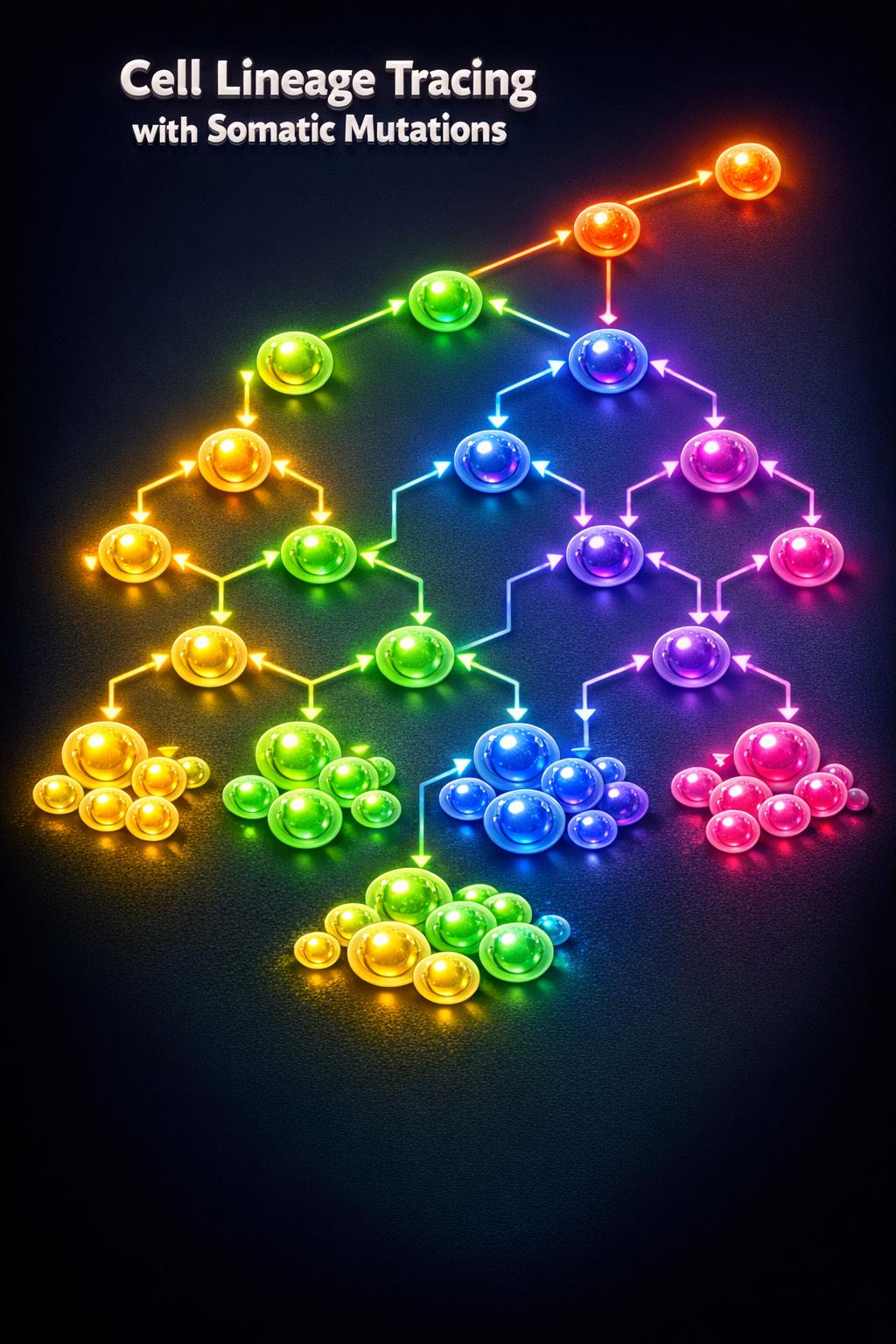
From a fertilized egg, all our cells acquire mutations at all times till the end of life. Most of the mutations are repaired by our body, but some remain in our genome and get passed from cell to cell during embryonic development, upon tissue self-renewal, or after environmental exposure. Genome mosaicism reflects the phenomenon that cells from the same zygote have different genomic sequences.
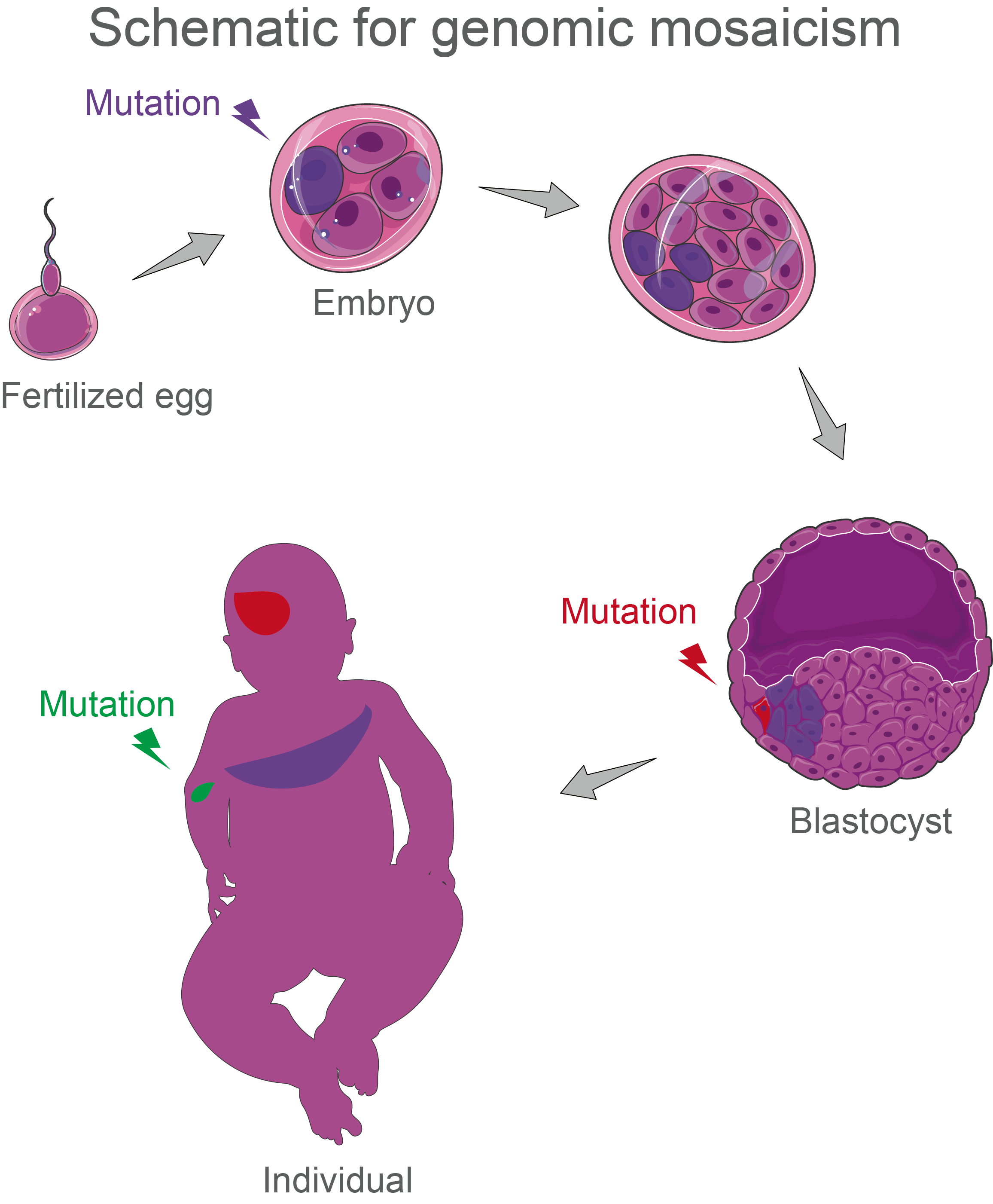
Unlike other types of mutations that appear in all cells of the body, mosaic mutations are difficult to detect due to the low presentations in samples we can obtain. High accuracy and high sensitivity low-fraction detection methods, both experimental and computational ones, are in high demand for this field.
Patterns of genomic mosaicism, as a combinatory consequence of various mutation procedures as described above, could help us understand the biological processes. For example, mosaic mutations shared between different tissues could serve as markers to trace when two different cell populations shared a common progenitor, which largely remained unsolved in human development.
Mosaicism has been reported to directly contribute to hundreds of documented human disorders. Many disorders related to genomic mosaicism have an obvious mosaic nature, such as focal epilepsies, patchy skin, or bone disorders that only affect some, but not all of the cells. There are, however, disorders caused by mosaic mutations that are not so obvious to suspect.
Mosaic mutations can also be transmitted to the next generation, by definition, only part of the cells carrying the mutation might lead to severe consequences for the next generation. Thus understanding genomic mosaicism between generations will help us understand the genomic health of ourselves and our children.

Dr. Yang is an Assistant Professor at the Department of Human Genetics, University of Utah. Received training in Information Science and Technology and a Bachelor's degree in BioSciences from Beijing Normal University, PhD in Bioinformatics from Peking University, and postdoctoral research in Neurosciences at the University of California, San Diego. The Yang laboratory combines computational and experimental expertise and sits in the interdisciplinary zone. Dr. Yang's research interests include computational and experimental methodology development for genomic mosaicism, and using genomic mosaicism to understand human health, development, disease, and transmission genetic risks.