Recoloring the past
Published in Social Sciences, Earth & Environment, and Arts & Humanities

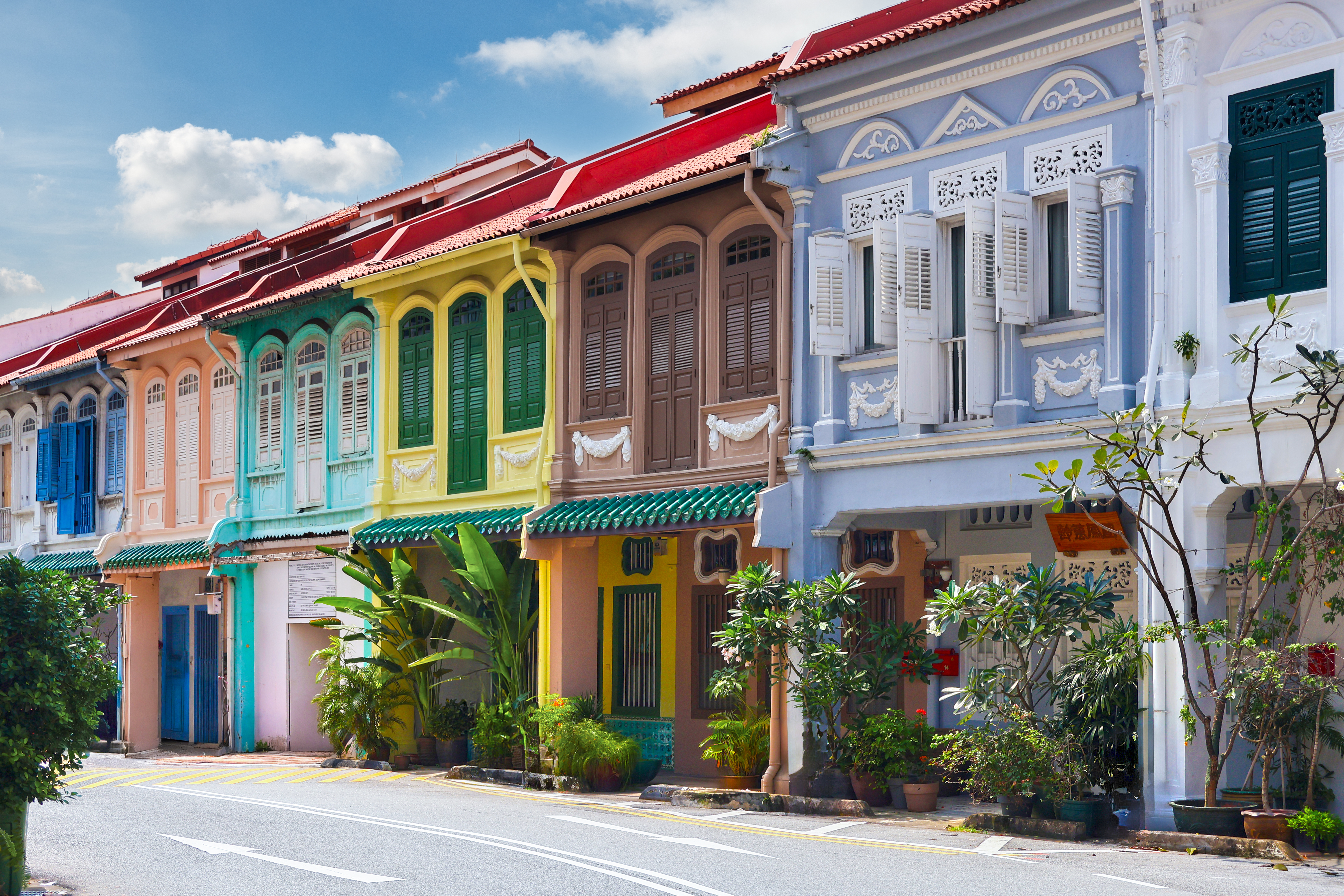

Every city has a unique chromatic signature. Think of the indigo alleys of Jodhpur, the saffron façades of Turin, or the pastel patchwork of Salvador da Bahia. However, urbanization and globalization gradually erode this chromatic diversity, dulling cities' identities through homogenized palettes.
International charters—from Venice to Burra to Washington—recognize color as integral to heritage. But most guidelines still treat color as a fixed attribute: document the old tones, restore them, and keep them unchanged. Our research challenges that assumption.
In early 2023, during an informal discussion with two officials from Singapore’s Urban Redevelopment Authority (URA), we heard a pointed frustration: "It’s hard enough to monitor heritage buildings—color is almost impossible." That comment sparked a line of inquiry we hadn’t considered before. Could it be that the “authentic” colors of Singapore’s conserved buildings were no longer what they used to be? And if so, how had they changed, and why?
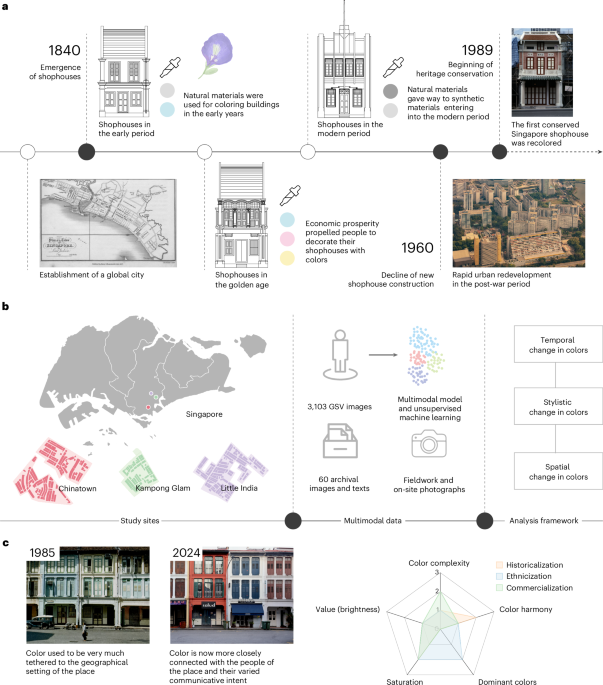
Our curiosity deepened when we came across a long-overlooked photography collection from the 1980s titled Pastel Portraits. These images in the book captured Singapore's urban landscape before heritage conservation: the soft, muted tones of urban buildings were markedly different from the bold, saturated palettes common today. The contrast between past and present was striking. The color shift, it seemed, was real.
However, understanding that shift would require more than visual comparison. We assembled a team combining computational expertise and local historical knowledge to create a fuller picture. Our goal: to reconstruct the chromatic history of 3,103 conserved buildings across 40+ years and uncover the socio-cultural forces behind their transformation.
The most challenging phase, by far, was not data collection or algorithm tuning, but making sense of what the algorithms found. Our field visits and archival readings revealed exceptions and contradictions that didn’t always fit the data model. Regular interdisciplinary discussions—sometimes heated, always thought-provoking—became the crucible where those tensions turned into insight.
What we found was more than a color change. The shifting palettes told a story of historicization, ethnicization, and commercialization—each layer reflecting how institutions and communities shape heritage color in a global city. Therefore, color is more than a finishing touch on a historic façade; it is a cultural medium—something expressive, negotiated, and alive.
We hope this project encourages more researchers, policymakers, and residents to rethink a dynamic approach to color conservation. Color should be seen as an indispensable part of socio-cultural ecology rather than merely an objective attribute of the material artifact to be preserved in isolation. Nevertheless, the color of the city is experienced by people living there.
Follow the Topic
-
Nature Cities
This journal aims to deepen and integrate basic and applied understanding of the character and dynamics of cities, including their roles, impacts and influences — past, present and future.