Whale‑driven nutrient transport in marine ecosystems
Published in Earth & Environment and Sustainability
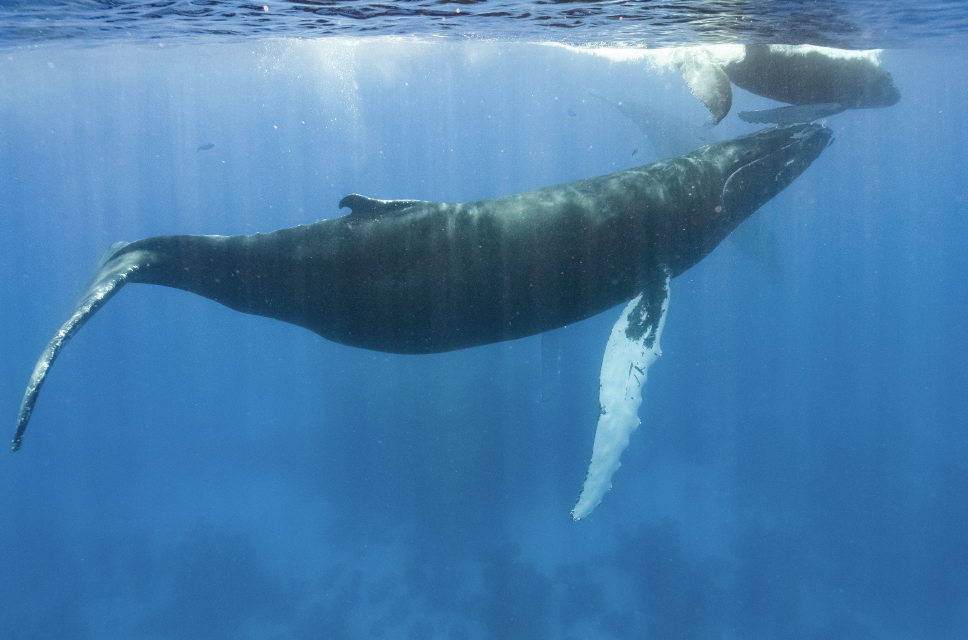

Call for papers: An exciting research topic that covers a range of disciplines - how do whales contribute to ocean fertilisation and how is this relevant for carbon sequestration?
Whales are increasingly recognised not merely as apex consumers, but as ecosystem engineers whose behaviour, biomass, and lifecycles drive nutrient redistribution across vast spatial scales.Through feeding at depth and defecating at the surface, whales fuel primary productivity via the whale pump, redistributing nitrogen, iron, and other limiting nutrients in both coastal and pelagic systems.Their long migrations transfer nutrients across biomes—from high‑latitude feeding grounds to low‑latitude breeding areas—forming a transoceanic whale conveyor belt of biogeochemical connectivity.

Follow the Topic
-
Scientific Reports

An open access journal publishing original research from across all areas of the natural sciences, psychology, medicine and engineering.
Related Collections
With Collections, you can get published faster and increase your visibility.
Cancer epigenetics and epitranscriptomics
Publishing Model: Open Access
Deadline: Mar 31, 2026
Obesity
Publishing Model: Hybrid
Deadline: Apr 24, 2026

Please sign in or register for FREE
If you are a registered user on Research Communities by Springer Nature, please sign in