What My Disease Ecology Students Taught Me About Resilience
Published in Earth & Environment, Biomedical Research, and Education
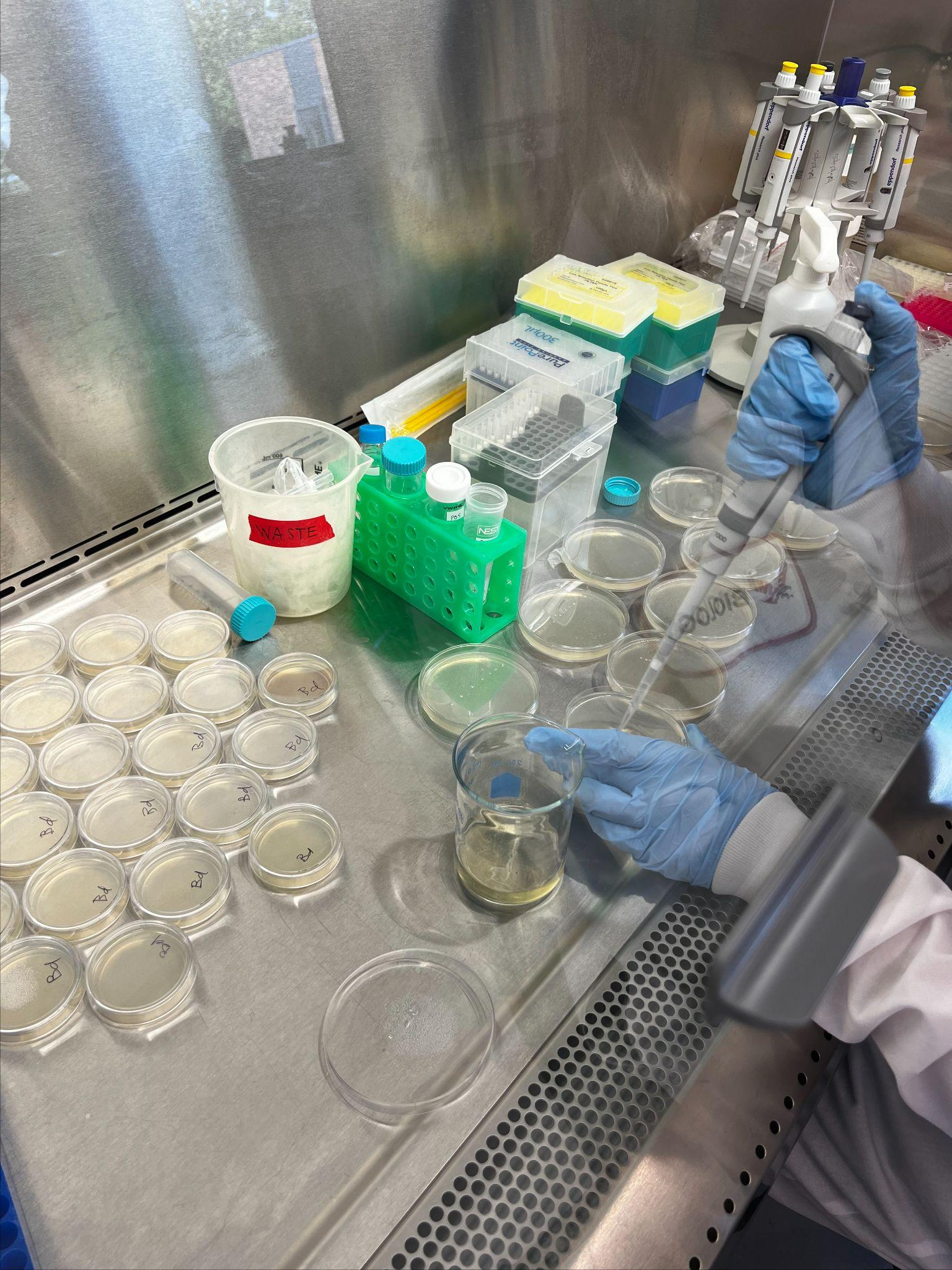
We seem to be living in particularly turbulent times. Rapid technological, political and economic change makes it difficult to know what skills today's students will need tomorrow. Teaching this Spring's Disease Ecology Capstone class reminded me that one of the most valuable skills may simply be resilience.
As a Professor of Biology at Eastern Washington University (EWU), a four-year public university in Washington State in the US, I have been teaching a Senior Capstone class in Disease Ecology since 2015. This class provides an opportunity for students to apply and demonstrate what they learned throughout their college career before they go out to the workforce or continue their education in a post-graduate setting. To achieve that, I facilitate the students in developing, implementing and documenting a locally relevant disease ecology project of their choosing in groups. In just ten weeks, students design, conduct and communicate an original disease ecology research project—from proposal through field or laboratory work, data analysis, conference presentation and scientific manuscript—while simultaneously learning disease ecology.
One of the important concepts we discuss in class is “resilience”, defined as the ability to recover from shocks and disturbances and return to previous levels of functioning or stability. We discuss this concept mostly in terms of ecosystems, and of individual and societal resilience during the COVID-19 pandemic. Although the term can sometimes be used to excuse systemic problems, I found this concept quite apt for the students in my class this Spring quarter. As the students started out on their projects, they faced a number of obstacles. Rather than abandoning their questions, every group found a way to adapt without my intervention. For example, as opposed to previous years, I was unable to apply for the required federal permits that would have allowed myself and my students to conduct research and collect specimens at the National Wildlife Refuge where my students usually work. Fortunately, an EWU research station on the same National Wildlife Refuge, the Turnbull Laboratory for Ecological Studies (TLES), allowed us to conduct research without the additional permits. This is where I led my students to collect ticks at the beginning of the quarter as a class activity, and fortunately, we found some, and later identified them. Two groups of students adapted by conducting further studies at this location for their projects, one trapping small mammals (with the necessary permits) and another testing if there is a correlation between large mammal sightings on camera traps this past Winter quarter and the tick density in the same locations in the spring. A different group of students adapted to the lack of access by looking for the stickleback fish that hosts the nematode Contracaecum multipapillatum in tributaries connected to the water bodies at the Refuge with prior history of detection, and compared the fish they collected there with previous collections of fish from the Refuge. Another group had planned to sample ticks across multiple regional parks. Rising fuel costs associated with the Iran conflict forced them to rethink their sampling design and focus on a nearby site that one student already knew supported tick populations. I also introduced a formal revision cycle for the final individual manuscript, giving students an opportunity to respond to feedback and substantially improve their work. Finally, as a class, we had to adapt to a change in schedule of the EWU Student Research and Creative Works symposium, which was held much earlier than in previous years, and participate in an alternative event specifically organized for students completing their studies in Spring quarter.
Ecological systems rarely respond to disturbance by continuing unchanged; they persist by adapting. Watching these students redesign projects, revise hypotheses and overcome unexpected obstacles reminded me that scientific training works much the same way. Perhaps resilience is not just something we teach in disease ecology—it is something students learn by doing science under real-world constraints and critical but supportive feedback. If you'd like to see the resilience I'm describing, I invite you to read the unedited summaries of their research projects below, along with some of the photographs they took during the quarter.
Can Batrachochytrium dendrobatidis (Bd) Attach to Culex quinquefasciatus Mosquito Legs?
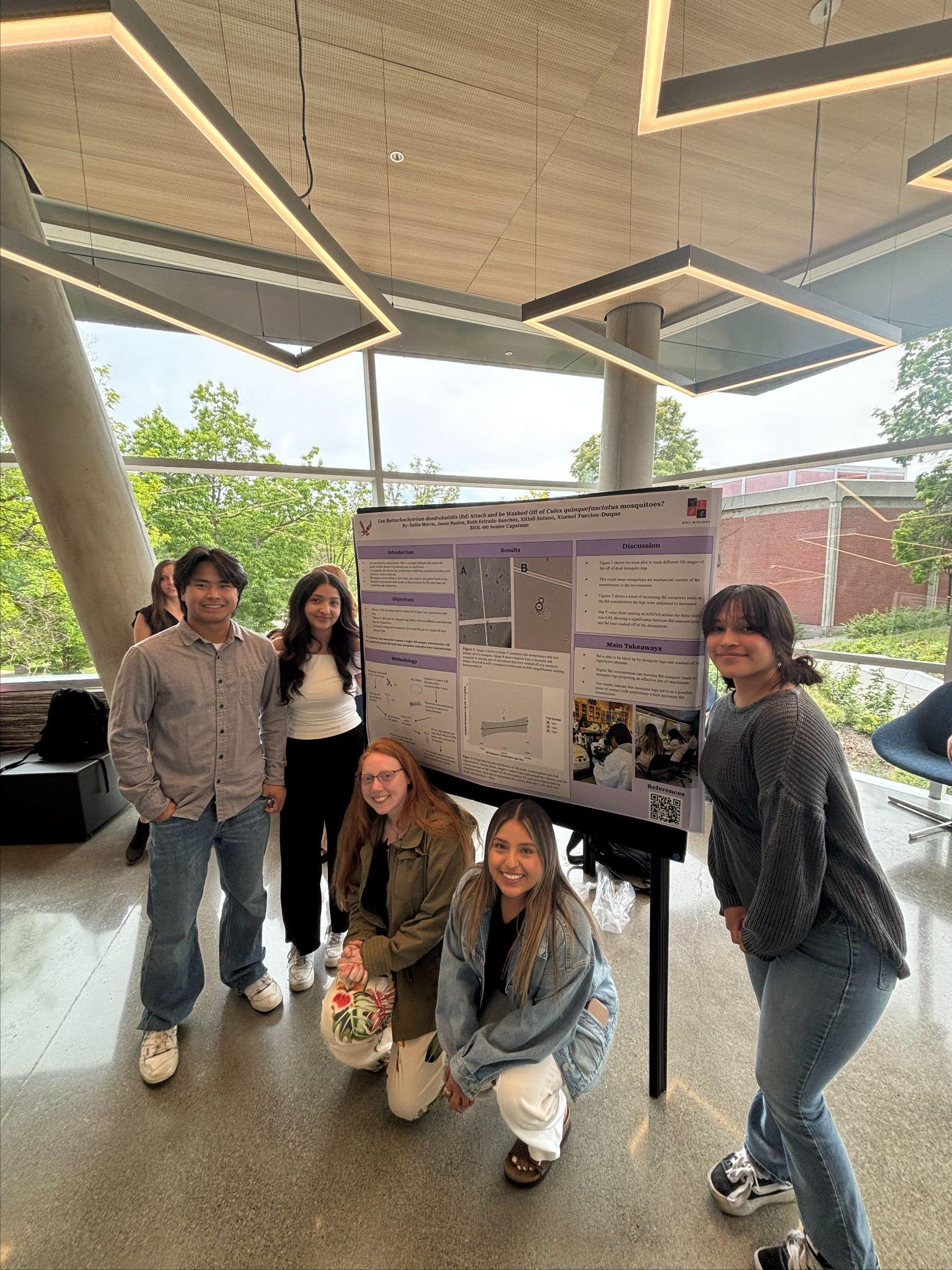
(by Hallie Morris, Xiumei Turcios-Duque, Jason Bustos, Ruth Estrada-Sanchez, Xitlali Solano,)
Emerging infectious diseases are a major threat to global biodiversity, with the amphibian fungal pathogen Batrachochytrium dendrobatidis (Bd) contributing to severe amphibian population declines worldwide. While Bd transmission between amphibians has been widely studied, less is known about the potential role of insects, such as mosquitoes, in transporting or spreading the pathogen. Our study aimed to observe if dead Culex mosquito legs could pick up Bd. We hypothesized that these mosquito legs would be able to pick up some amount of Bd after 30 minutes of contact time. Dead mosquito legs were collected with pointed forceps and placed onto their corresponding treatmentplate for 30 minutes to simulate a full feeding. Note, six legs are considered to be one mosquito. To test our hypothesis, 24 mosquitoes were tested on 1% tryptone agar plates for each of the three trials. 12 mosquitoes received viable Bd zoospores, and the other 12 mosquitoes received sterile 0.9% saline solution to act as a negative control in each trial (n=72). Once the 30 minutes were up, we took the legs and placed them in tubes with 400 ul of PBS buffer to keep the Bd zoospores from rupturing or shriveling. Then we vortexed each tube for eight seconds to “wash” the zoospores off the mosquito legs. To count how many Bd zoospores we saw, we took two 10 ul samples per tube and averaged them to have atotal count for each mosquito. We found in all three of our trials that the mosquito legs were able to pick up Bd with an average of 2.1 zoospores per ul in trial one, 5.9 zoospores per ul in trial two, and 5.6 zoospores per ul in trial three. Results varied per trial as each week had a different concentration of Bd: 47,500 zoospores per mL in trial one, 379,375 zoospores per mL in trial two, and 407,500 zoospores per mL in trial three. With our results, we can hypothesize that mosquitoes could be important mechanical vectors of Bd for a limited amount of time.
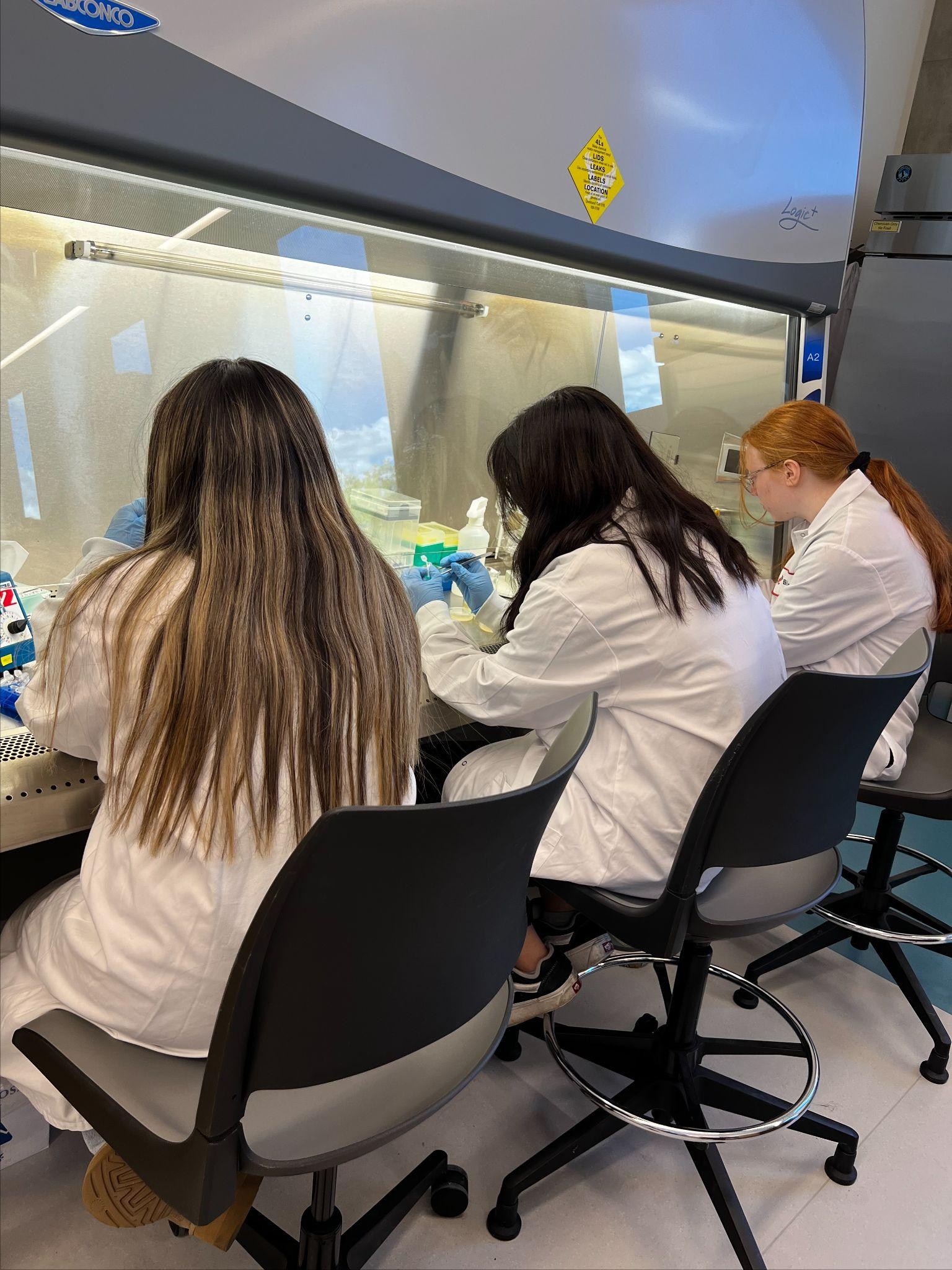 Emerging infectious diseases are a major threat to global biodiversity, with the amphibian fungal pathogen Batrachochytrium dendrobatidis (Bd) contributing to severe amphibian population declines worldwide. While Bd transmission between amphibians has been widely studied, less is known about the potential role of insects, such as mosquitoes, in transporting or spreading the pathogen. Our study aimed to observe if dead Culex mosquito legs could pick up Bd. We hypothesized that these mosquito legs would be able to pick up some amount of Bd after 30 minutes of contact time.
 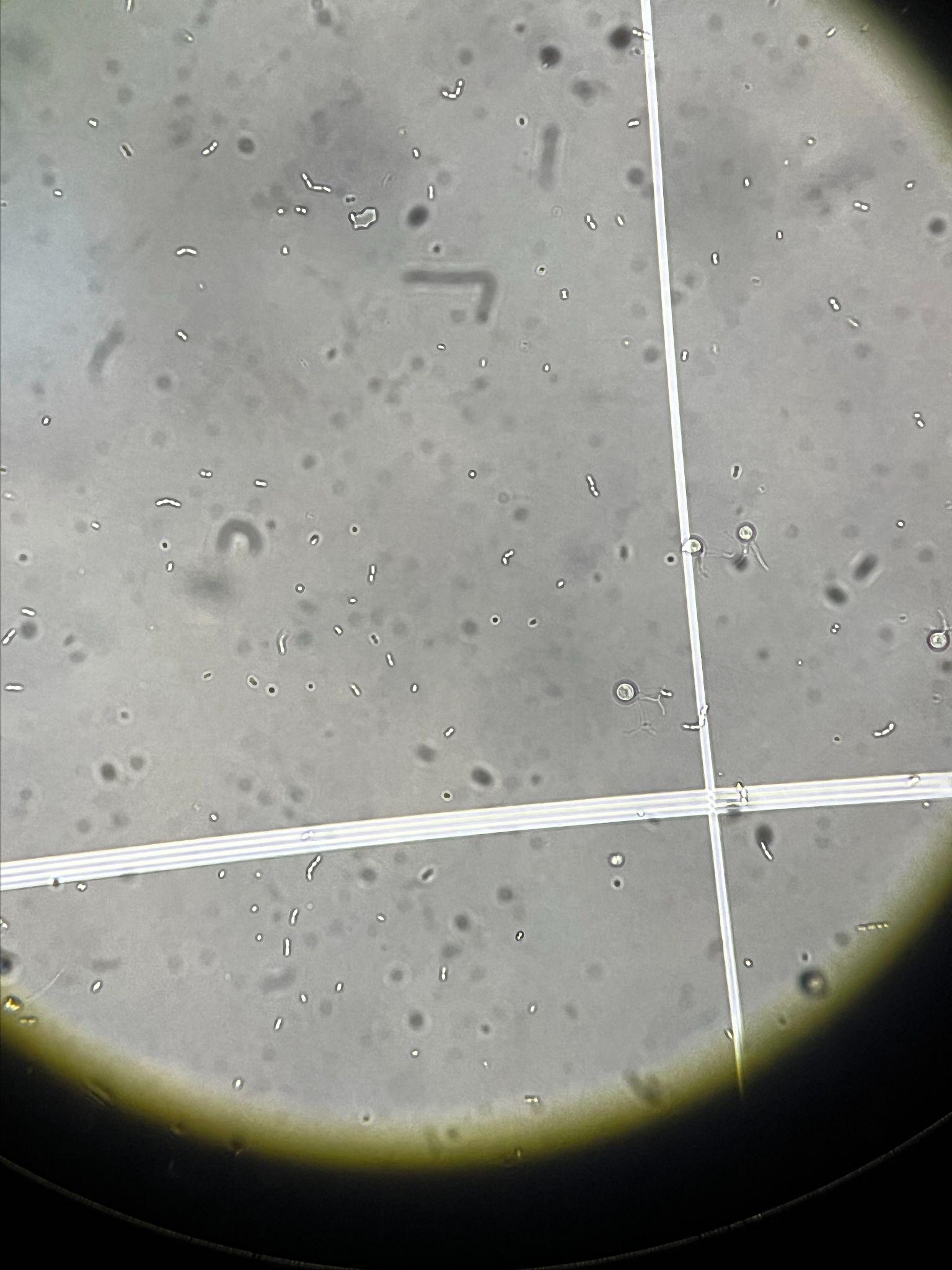 Dead mosquito legs were collected with pointed forceps and placed onto their corresponding treatmentplate for 30 minutes to simulate a full feeding. Note, six legs are considered to be one mosquito. To test our hypothesis, 24 mosquitoes were tested on 1% tryptone agar plates for each of the three trials. 12 mosquitoes received viable Bd zoospores, and the other 12 mosquitoes received sterile 0.9% saline solution to act as a negative control in each trial (n=72). Once the 30 minutes were up, we took the legs and placed them in
  tubes with 400 ul of PBS buffer to keep the Bd zoospores from rupturing or shriveling. Then we vortexed each tube for eight seconds to “wash” the zoospores off the mosquito legs. To count how many Bd zoospores we saw, we took two 10 ul samples per tube and averaged them to have atotal count for each mosquito. We found in all three of our trials that the mosquito legs were able to pick up Bd with an average of 2.1 zoospores per ul in trial one, 5.9 zoospores per ul in trial two, and 5.6 zoospores per ul in trial three. Results varied per trial as each week had a different concentration of Bd: 47,500 zoospores per mL in trial one, 379,375 zoospores per mL in trial two, and 407,500 zoospores per mL in trial three. With our results, we can hypothesize that mosquitoes could be important mechanical vectors of Bd for a limited amount of time.
Ticks, Mice, and Disease Risk: What We Found at Turnbull
(by Camilla Jentzsch, Carmen Hull, Ella Galatin, Emmy Landre Dorra and Haley Bedell)
Small mammals such as rabbits and mice serve as intermediary hosts for ticks in the Inland Northwest. We decided to examine what relationships, if any, may be found between ticks on the Turnbull Laboratory for Ecological Studies (TLES) site and the small mammals they pick to be their hosts, as ticks commonly serve as vectors for the bacteria Rickettsia rickettsii, the cause of Rocky Mountain Spotted Fever, and can pass it on to humans they bite. To do so, we deployed 20 Sherman traps and caught mammals over the course of seven trap nights and identified what ticks we could find. We only found one tick, an individual of the species Dermacentor andersoni, on a deer mouse. We may not have been able to find a clear relationship between D. andersoni ticks and their hosts, but did confirm that the species is able to complete their lifecycles on the TLES site. One of the most valuable lessons we learned from this project is that scientific research does not always produce the results we expect.
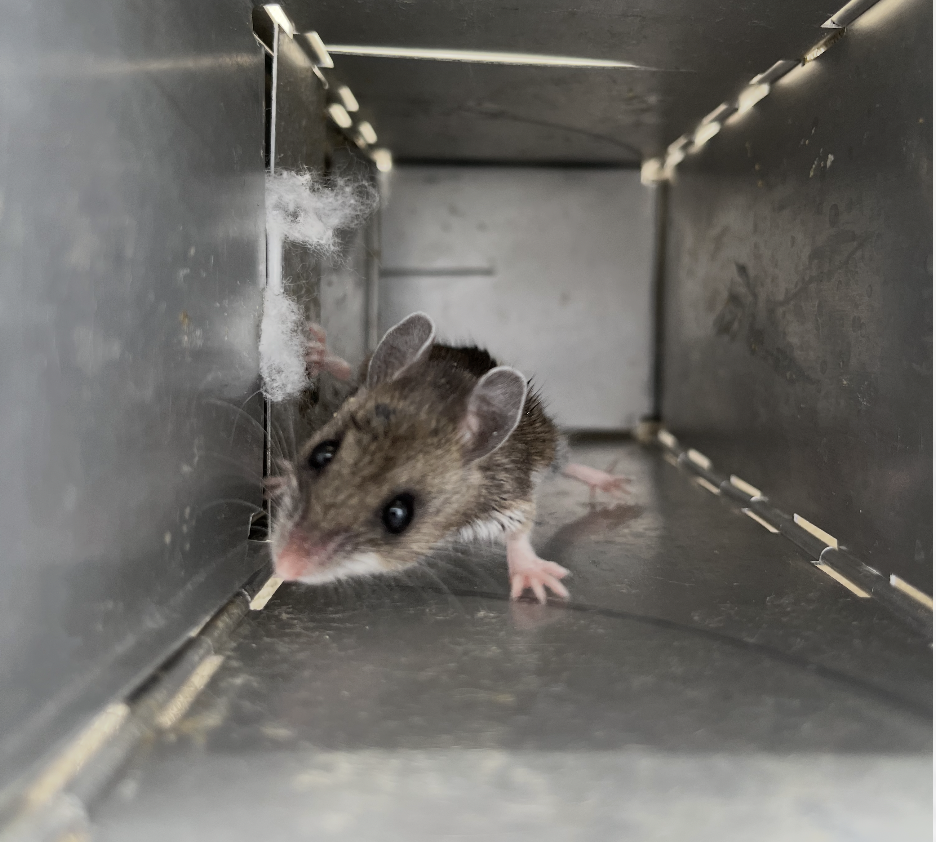 Small mammals such as rabbits and mice serve as intermediary hosts for ticks in the Inland Northwest. We decided to examine what relationships, if any, may be found between ticks on the Turnbull Laboratory for Ecological
 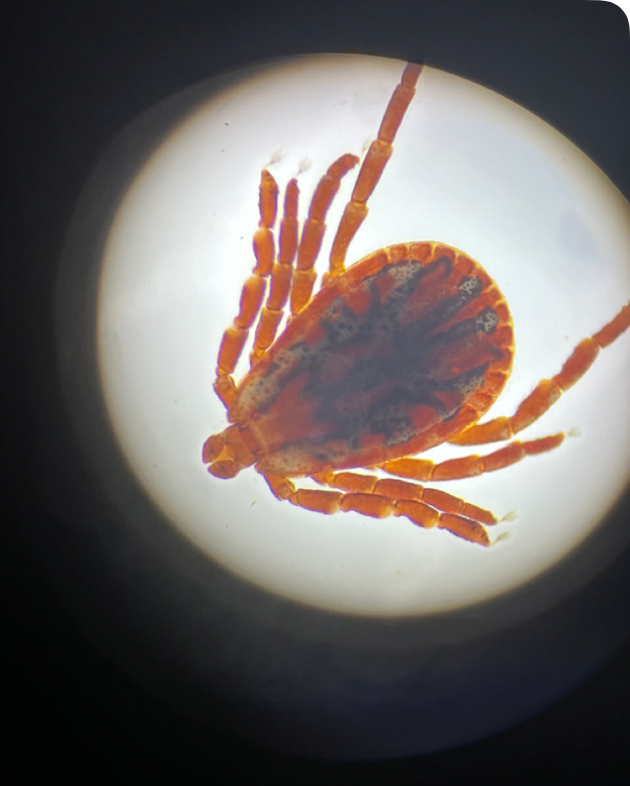 Studies (TLES) site and the small mammals they pick to be their hosts, as ticks commonly serve as vectors for the bacteria Rickettsia rickettsii, the cause of Rocky Mountain Spotted Fever, and can pass it on to humans they bite. To do so, we deployed 20 Sherman traps and caught mammals over the course of seven trap nights and identified what ticks we could find. We only found one tick, an individual of the species Dermacentor andersoni, on a deer mouse. We may not have been able to find a clear relationship between D. andersoni ticks and their hosts, but did confirm that the species is able to complete their lifecycles on the TLES site. One of the most valuable lessons we learned from this project is that scientific research does not always produce the results we expect.
Brook Stickleback Nematode Relational Study and Nematode Presence at Turnbull National Wildlife Refuge
(by Beruktawit Gared, Nat Cox, Issaih Perez, Jillian Scrimsher, and Patrick Frerks)
Nonnative invasive aquatic species rarely stay put. Once established, they often spread through connected waterways, reshaping ecosystems long before anyone notices. At Turnbull National Wildlife Refuge (TNWR), the non‑native brook stickleback has already transformed several ponds, outcompeting native species and altering food webs relied on by migratory waterfowl that TNWR was intended to serve. Even more concerning, previous work at TNWR found that these fish can carry the nematode Contracaecum multipapillatum, a parasite that cycles between aquatic organisms and fish‑eating birds.
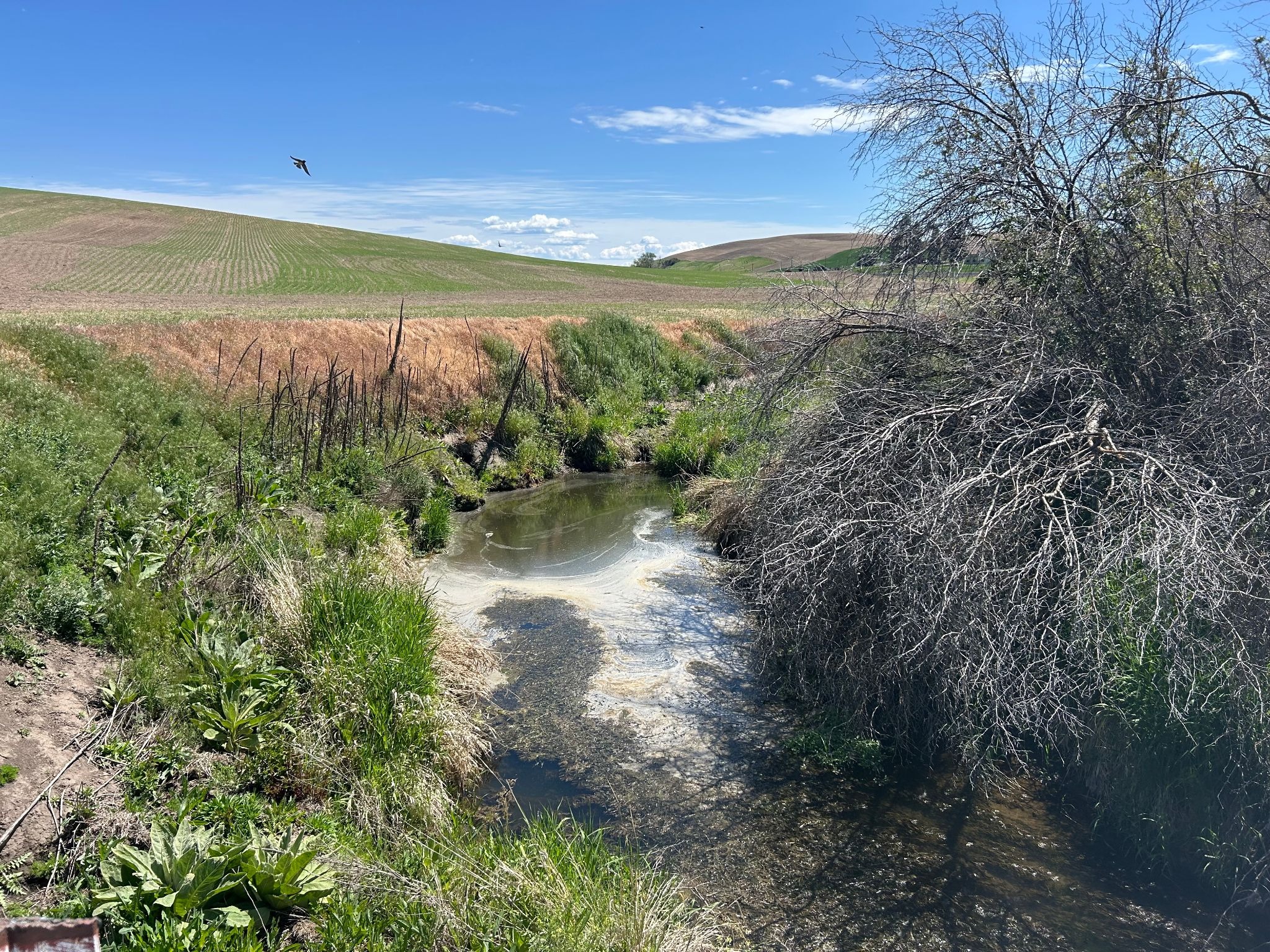 Nonnative invasive aquatic species rarely stay put. Once established, they often spread through connected waterways, reshaping ecosystems long before anyone notices. At Turnbull National Wildlife Refuge (TNWR), the non‑native brook stickleback has already transformed several ponds, outcompeting native species and altering food webs relied on by migratory waterfowl that TNWR was intended to serve. Even more concerning, previous work at TNWR found that these fish can carry the nematode Contracaecum multipapillatum, a parasite that cycles between aquatic organisms and fish‑eating birds.
This spring, our Senior Capstone group set out to answer a simple but important question: Has the brook stickleback and its parasites spread beyond the TNWR?
We sampled multiple sites in the Rock Creek drainage, focusing on Pine Creek and Thorn Creek, which are hydrologically connected to TNWR and identified as likely invasion pathways. Using baited minnow traps, we surveyed shallow creeks and recorded environmental conditions that might influence parasite transmission.
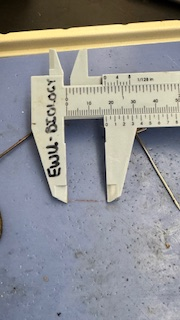
multipapillatum
Brook stickleback were found at only one site in Thorn Creek where we captured 17 individuals. This single detection was enough to confirm that the species has moved beyond TNWR into surrounding waterways. We dissected every fish collected in our 2026 study to which none contained nematodes. Historical specimens from TNWR included infected individuals, suggesting that parasite presence may vary by season, location, or host density.
We also compared body sizes across fish collected in 2017, 2022, and 2026. Stickleback from TNWR in 2017 were noticeably smaller than those collected in later years or in Thorn Creek, hinting at differences in habitat quality, food availability, or population structure across sites.
While our sample size outside the refuge was small, our findings provide an early look at how far brook stickleback have spread and along with the parasites that may or may not be present. Continued monitoring will be essential to understand how this invasive fish shapes freshwater ecosystems in eastern Washington and whether its parasites expand alongside it.
The Wild World of Ticks and Mammals at TLES
(by Margreit Galow, Tariq May, Andres Medrano, Camila Mendivil, Caspian Ortez)
Think tracking large wildlife is the best way to avoid picking up unwanted, eight-legged passengers in the brush? Think again. We often assume that where deer, elk, and other large animals roam, dense clusters of parasitic ticks are sure to follow, using those big hosts for meals and free rides across the landscape. To put this common idea to the test, our study looked at winter game-camera data from a previous research project, sorting through 1,330 wildlife photos to calculate how active large mammals were at ten different camera locations. Then, we paired that data with spring tick collections gathered by dragging cloths over standardized 10 m × 10 m plots at those exact same locations. To track the tick population closely, we carefully marked the ticks with nail polish for capture-mark-recapture identification and released.
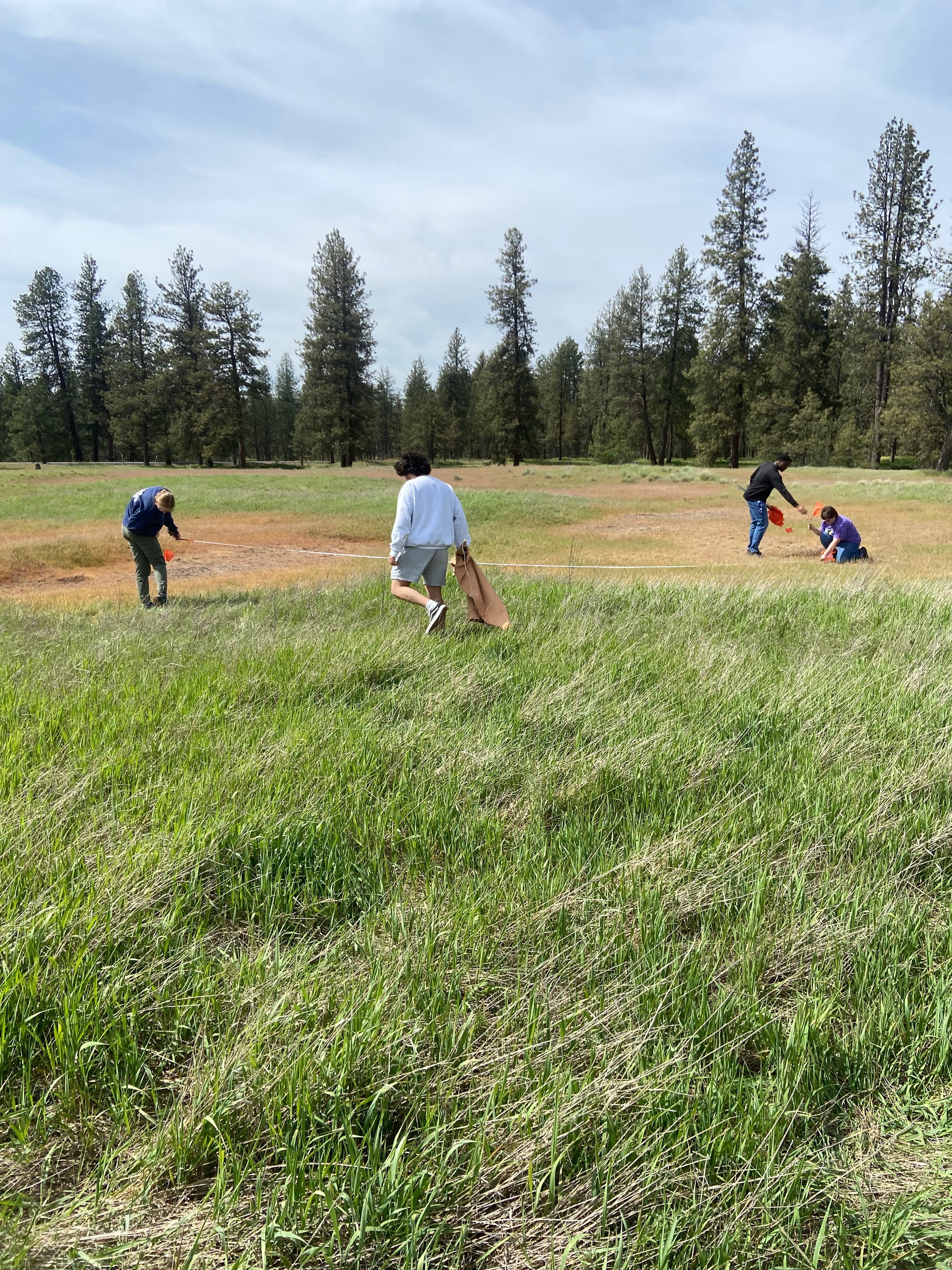 Think tracking large wildlife is the best way to avoid picking up unwanted, eight-legged passengers in the brush? Think again. We often assume that where deer, elk, and other large animals roam, dense clusters of parasitic ticks are sure to follow, using those big hosts for meals and free rides across the landscape. To put this common idea to the test, our study looked at winter game-camera data from a previous research project, sorting through 1,330 wildlife photos to calculate how active large mammals were at ten different camera locations. Then, we paired that data with spring tick collections gathered by dragging cloths over standardized 10 m × 10 m plots at those exact same locations. To track the tick population closely, we carefully marked the ticks with nail polish for capture-mark-recapture identification and released.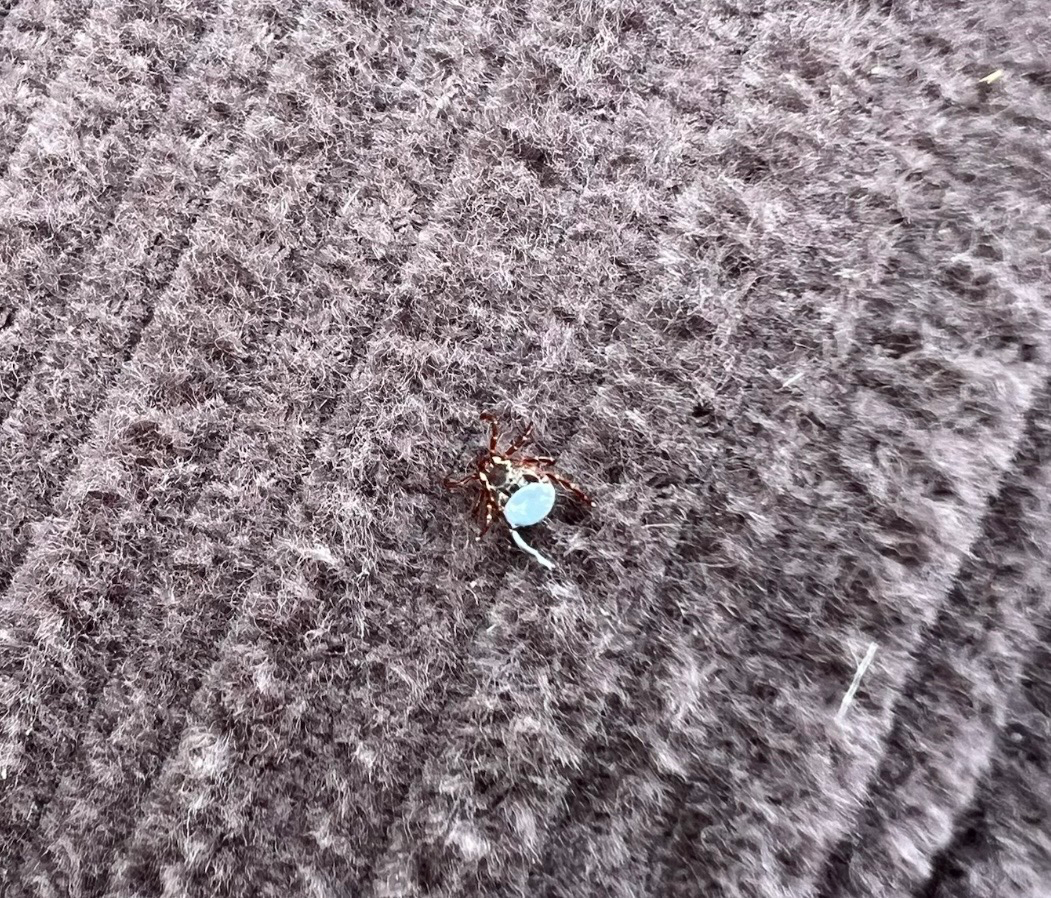
mark for recapture study
Our fieldwork over three weeks brought in 47 total ticks, with numbers varying by site. A few specific areas, like locations 3,9, and 11 turned out to be major "hot spots". Surprisingly, when we ran a Spearman correlation analysis to check for a connection, the expected positive relationship completely vanished. The link between mammal activity and tick numbers was not statistically meaningful. What does this mean for the ecology of TLES? It reveals that tracking large animal activity alone won't tell you where ticks are gathering. Instead, local conditions like thick bushes, temperature, and soil moisture likely play a much bigger role in where ticks survive. This study gives us a great starting baseline, showing that if we want to map out tick-bite risks, we need to look past animal tracks!
Microclimatic Drivers of Tick Density Along the Cheney Wetlands Trail
(by Brent Bowlen, Noah Johnson and Sadie Parlow)
With tick-borne illnesses on the rise across the Pacific Northwest, our group wanted to see what the actual exposure risk looks like right here in Spokane County. We spent three weeks in May mapping out tick densities along a high-traffic 100-meter section of the Cheney Wetlands Trail, running standard cloth drags and tracking real-time weather data to see exactly where they cluster.
When we ran the data in RStudio, we found that atmospheric moisture completely drives tick activity, while the actual plant structure barely matters at all. Relative humidity had a
strong positive correlation with tick density (r = 0.60), whereas things like grass height and shrub cover showed zero statistical patterns. A one-sample t-test confirmed a highly significant baseline risk along the trail system (p = 0.0105), with ticks tightly grouping in high-humidity microhabitats and completely avoiding the hot, exposed, dry sections. Because we had a tight budget and limited time, we used standard smartphone apps to track our coordinates and focused strictly on a localized, three-week abundance snapshot without running any disease testing. However, keeping our study tightly focused allowed us to stretch our resources and build a super-detailed baseline risk map. By proving that hiking risk is tied to immediate moisture thresholds rather than just generic overgrown brush, our findings give the local community and land managers the exact, practical safety data they need to handle trail safety right now.
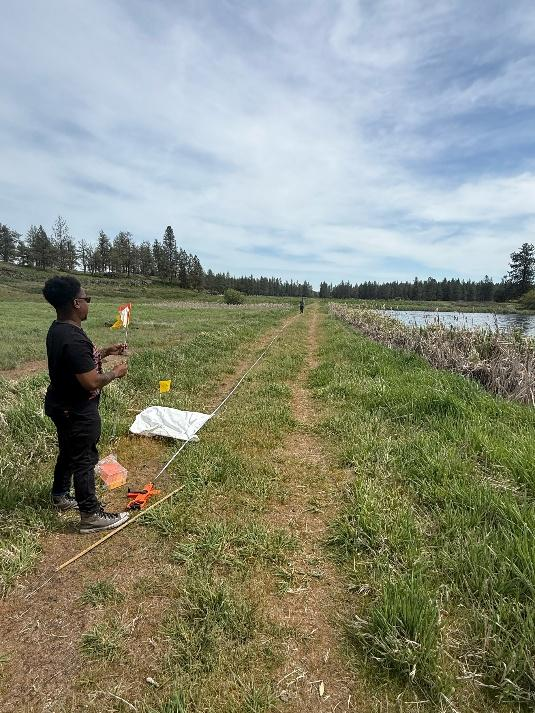 With tick-borne illnesses on the rise across the Pacific Northwest, our group wanted to see what the actual exposure risk looks like right here in Spokane County. We spent three weeks in May mapping out tick densities along a high-traffic 100-meter section of the Cheney Wetlands Trail, running standard cloth drags and tracking real-time weather data to see exactly where they cluster.
I'm a disease ecologist, working as a Professor at the Department of Biology at Eastern Washington University. I'm most interested in vector-borne diseases, transmitted by ticks and mosquitoes, but dabbled in many other systems. I also teach biostatistics at both the undergraduate and graduate level, and I have interests in the use of generative AI in biostatistics and teaching in general.
Follow the Topic
-
BugBitten
A blog for the parasitology and vector biology community.