When Nanomaterials Meet Medicinal Plants: Evidence from Rosemary
Published in Materials, Plant Science, and Agricultural & Food Science



Nanotechnology is attracting growing interest in agriculture, particularly as researchers look for new ways to improve nutrient delivery and plant performance. Among the many materials under investigation, zinc oxide (ZnO) and iron oxide (Fe₂O₃) nanoparticles have received attention because zinc and iron are essential micronutrients for plant development. Yet many questions remain about how these materials influence plant physiology beyond conventional growth measurements.
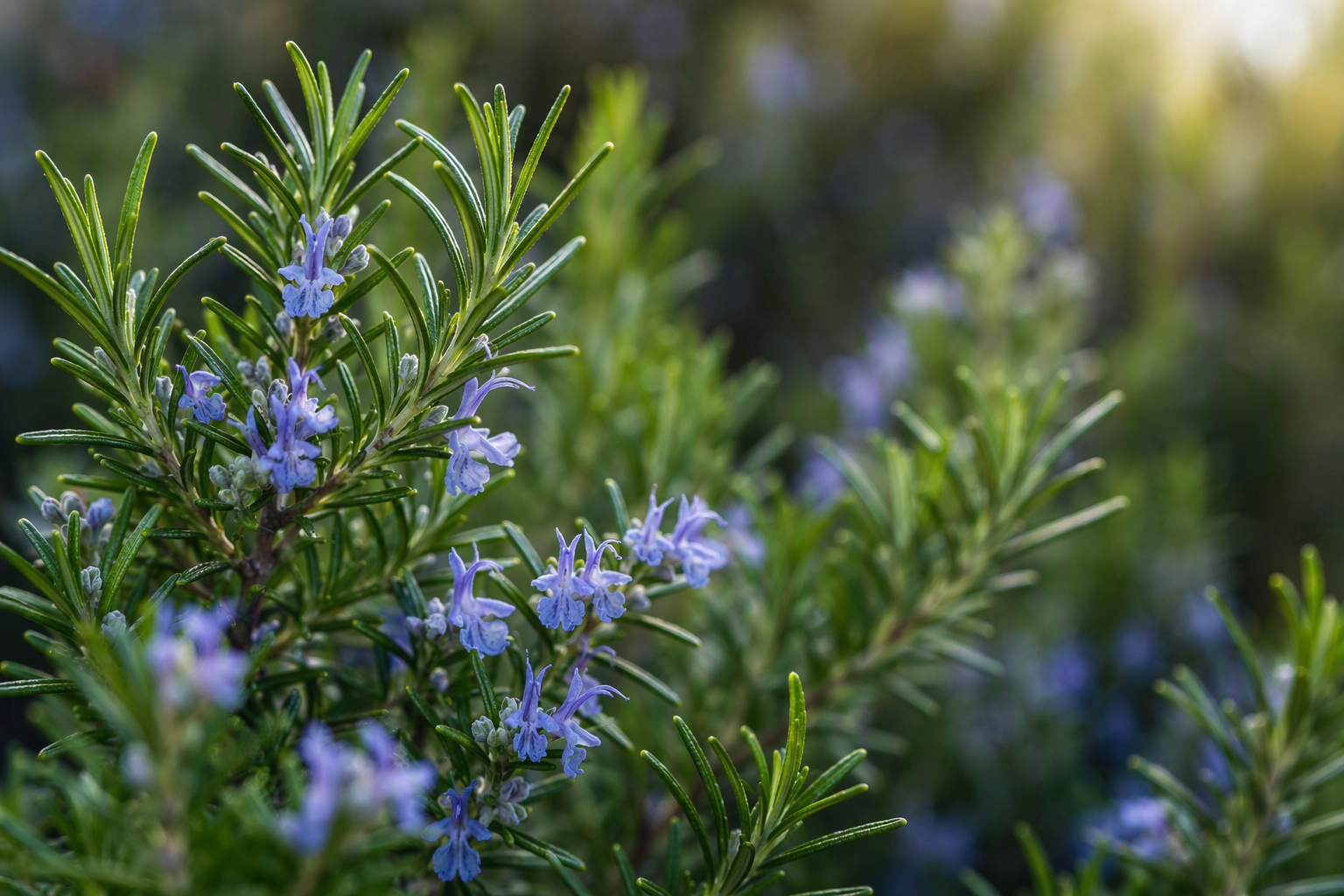
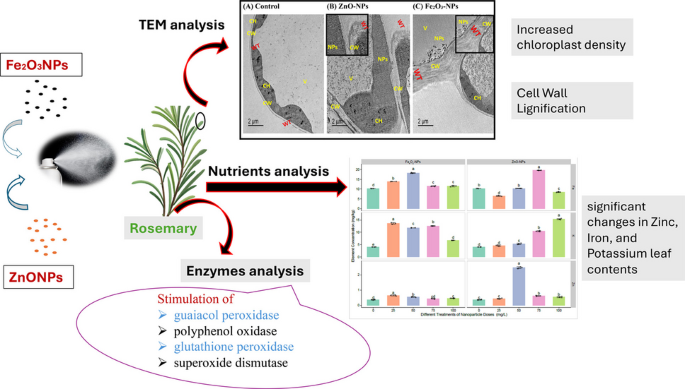
In a recent article published in the Journal of Soil Science and Plant Nutrition, researchers examined the effects of foliar-applied ZnO and Fe₂O₃ nanoparticles on rosemary (Salvia rosmarinus), a species valued for its culinary, aromatic, and medicinal properties. The study focused on a broad set of responses, including enzyme activity, mineral accumulation, and anatomical characteristics of the leaves, providing a detailed picture of how rosemary plants react to these engineered nanomaterials.
Leaf quality
Rather than concentrating on a single outcome, the authors evaluated several biochemical and structural indicators. Their results show that nanoparticle treatments influenced enzymatic activity and altered the accumulation of mineral elements in the leaves. Changes were also observed in leaf anatomical traits, suggesting that the effects of these materials extend from biochemical processes to plant structure.
These findings contribute to a broader effort to understand how nanomaterials interact with aromatic and medicinal plants. For crops such as rosemary, where leaf quality and composition are particularly important, information on nutrient dynamics and tissue characteristics may be as relevant as measurements of biomass or yield. Studies of this kind help clarify the mechanisms through which nanoparticle-based formulations influence plant function and development.
The work also highlights the need for careful evaluation of nanoparticle applications under different conditions. Responses can vary depending on factors such as nanoparticle composition, concentration, plant species, and the growing environment. While the study provides valuable evidence under the conditions tested, further research will be needed to determine how broadly these observations apply across production systems and to assess longer-term effects.
As interest in nano-enabled agriculture continues to expand, research that combines physiological, nutritional, and anatomical perspectives can help build a more complete understanding of plant–nanomaterial interactions. This study adds another piece to that puzzle by showing how rosemary responds to engineered ZnO and Fe₂O₃ nanoparticles at multiple levels of biological organization.
Image and text created with the assistance of AI.

Follow the Topic
-
Journal of Soil Science and Plant Nutrition
The Journal of Soil Science and Plant Nutrition is an international, peer reviewed journal devoted to publishing original research findings in the areas of soil science, plant nutrition, agriculture, and environmental science.