Wildfires Don’t Just Need Better Prediction - They Need Better Coordination
Published in Social Sciences and Civil Engineering

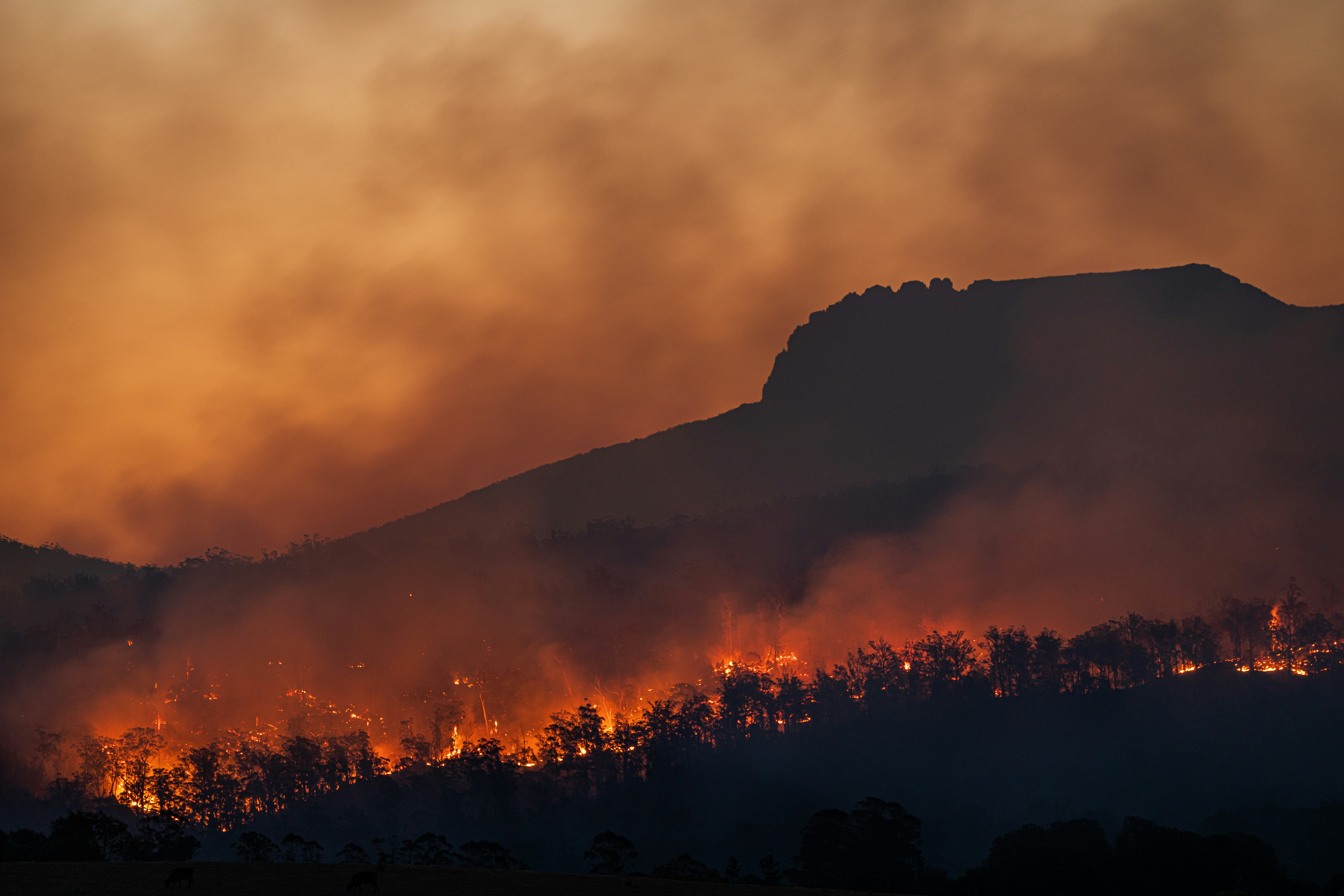





The scale of loss from the January 2025 California wildfires showed how severe the human and economic tolls of escalating climate disasters. AI is already improving wildfire response by helping with early detection, fire-spread modeling, and integrated decision support. Yet a key gap remains: turning forecasts into coordinated decisions across agencies.
A critical issue is governance
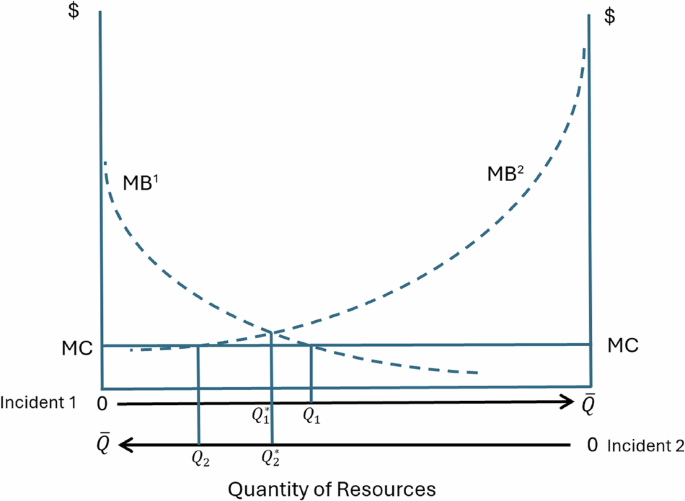
When several incidents are burning at once, local agencies and incident commanders have strong reasons to prioritize their own jurisdictions. Mutual aid reimbursement rules and cost-sharing can create incentives to request more resources than necessary and overstate needs, because local decision makers often don’t bear the full opportunity cost of pulling resources from elsewhere. Over time, this produces a classic cooperation failure: local preparedness can improve while regional preparedness worsens. Therefore, our central point is that “transforming a cooperation problem into a collaboration problem is fundamentally a governance challenge, not a technological one.” Our proposed prerequisite for effective AI use is a clear top-down hierarchical structure that defines objectives around overall system success rather than localized optimization, shifting the system from fragmented local decisions toward global collaboration. Note that this is a governance-oriented conceptual framework rather than a ready-to-deploy system
Where Agentic AI helps
Once that governance hierarchy exists, Agentic AI can address the collaboration and coordination bottleneck by translating predictive data into real-time operational workflows. For example, we outline a conceptual multi-agent reinforcement learning (MARL) approach, with agents mapped to operational tiers (local, regional, state/federal) and a shared global reward function designed to suppress resource hoarding by optimizing for overall outcomes (minimizing aggregate damages and deployment costs).
The bottom line
Hierarchy enables collaboration by aligning incentives around a shared objective; Agentic AI can then operationalize coordination by converting predictive insight into rapid, cross-agency resource-allocation workflows—under meaningful human oversight, which is required in high-stakes emergency management.
References
Debnath, R., Shafran, A., & Waichman, I. (2026). Mitigation of the coordination crisis in wildfire management using a multi-agent AI system. Communications Earth & Environment, 7(1), 687.
* Photo by Matt Palmer on Unsplash
* Nature Research Assistant was used as a drafting/editing aid; the final text and views expressed are the authors’ own.
Follow the Topic
-
Communications Earth & Environment
An open access journal from Nature Portfolio that publishes high-quality research, reviews and commentary in the Earth, environmental and planetary sciences.

Related Collections
With Collections, you can get published faster and increase your visibility.
Hazards in Mountain Regions
Publishing Model: Open Access
Deadline: Nov 02, 2026
Carbon Dioxide Removal
Publishing Model: Hybrid
Deadline: Jan 16, 2027

Please sign in or register for FREE
If you are a registered user on Research Communities by Springer Nature, please sign in