World Diabetes Day: Q&A with Dr. Dániel Végh, Editorial Board Member for BMC Oral Health
Published in Sustainability and General & Internal Medicine

My greatest hope is to see oral health become a routine and essential part of diabetes care—embedded in policy, prevention programs, and daily clinical practice. Dentists should be trained and empowered to identify people at risk and to collaborate closely with physicians and educators.
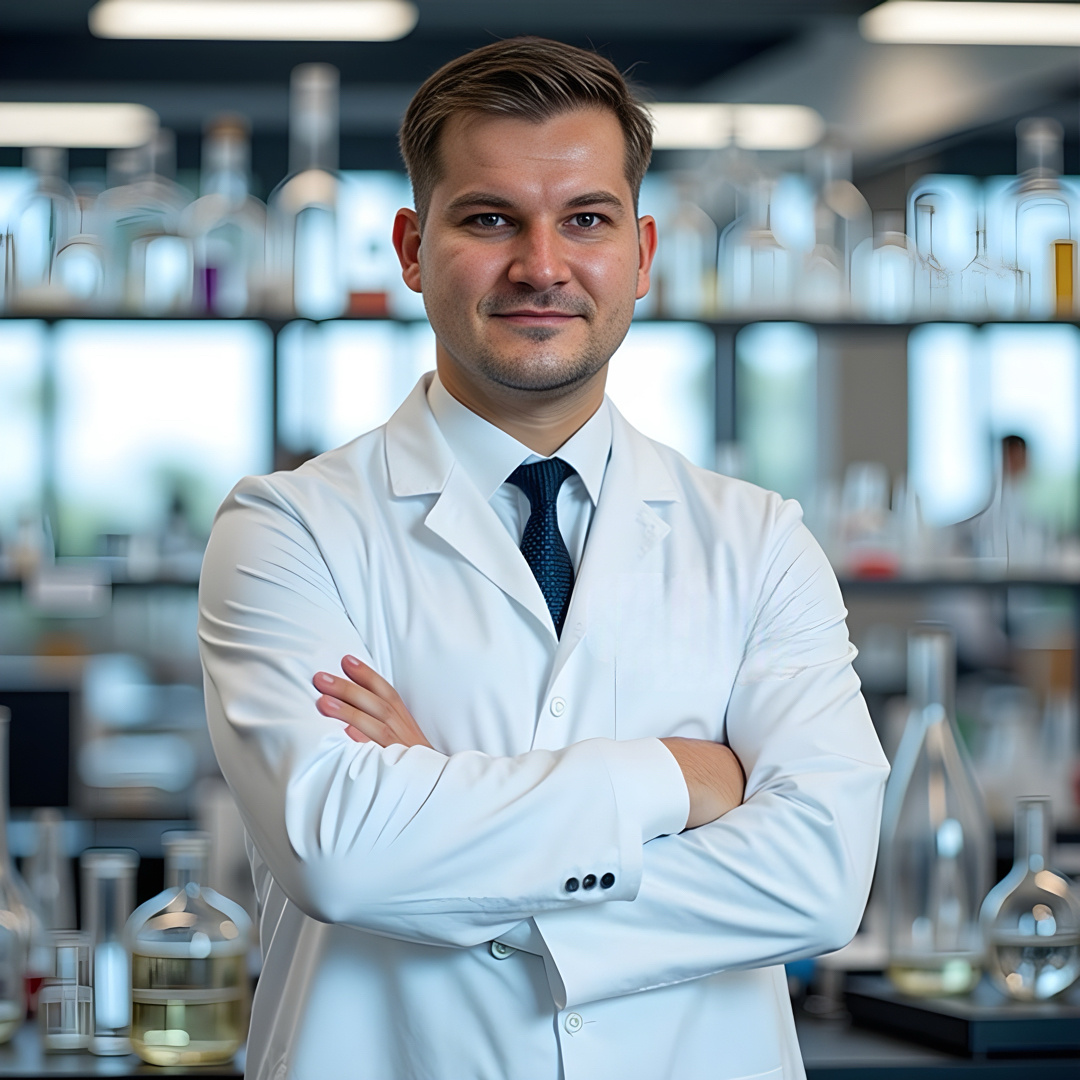 Dr. Dániel Végh, DMD, PhD is an Assistant Professor at the Department of Prosthodontics, Semmelweis University, and Group Leader of the Semmelweis University Diabetes Dental Research Group. His research focuses on the intersection of systemic health and oral diseases, particularly the effects of diabetes mellitus on oral inflammation, wound healing, and implant success.
Living with type 1 diabetes himself, Dr. Végh combines personal experience with scientific inquiry to advance integrative, prevention-oriented care. He is actively engaged in international collaborations, public education, and global initiatives that promote the inclusion of oral health in chronic-disease management.
How does your research relate to the SDGs?
Our research directly supports Sustainable Development Goal 3 (Good Health and Well-Being) by addressing an often-overlooked link between diabetes mellitus and oral health. The condition affects more than 500 million people globally, and its oral manifestations—such as periodontitis, delayed wound healing, and increased infection risk—have a profound impact on quality of life and systemic outcomes.
At the Semmelweis University Diabetes Dental Research Group, our mission is to bridge the gap between dentistry and systemic medicine. We focus on early screening for undiagnosed diabetes through salivary biomarkers, explore the bidirectional relationship between glycaemic control and oral inflammation, and develop educational programs to raise awareness among healthcare professionals and people living with diabetes.
By combining clinical research, public health education, and interdisciplinary collaboration, we aim to integrate oral health into comprehensive diabetes care—contributing to prevention, health equity, and improved well-being worldwide.
Why did you decide to go into your field of research?
My motivation for this field is deeply personal: I was diagnosed with type 1 diabetes mellitus 16 years ago, during my dental studies. Living with the condition gave me first-hand insight into its daily challenges and its wide-ranging systemic impact. I realized how rarely oral health was considered in diabetes management, despite its clear relevance.
This experience inspired me to dedicate my career to exploring the interconnection between systemic health and oral conditions. Over time, I established the Diabetes Dental Research Group at Semmelweis University, bringing together dentists, endocrinologists, and public-health professionals to translate scientific findings into clinical benefit.
For me, this research is not only academic—it is personal. I believe every person living with diabetes deserves a healthcare system that recognizes the mouth as part of the body, not apart from it.
How has knowledge of the topic developed over the course of your career?
When I began my research more than a decade ago, the oral complications of diabetes mellitus were acknowledged but poorly understood in clinical practice. Most discussions focused solely on periodontal disease, while other areas—such as implant success rates, wound healing, salivary diagnostics, and microbiome alterations—were less explored.
In recent years, the field has evolved dramatically. Large-scale studies have confirmed the bidirectional relationship between periodontal inflammation and glycaemic control, and innovative technologies now enable non-invasive saliva-based glucose detection. Within implant dentistry, our group and collaborators have shown that with proper metabolic control and soft-tissue management, people with diabetes can achieve outcomes comparable to individuals without diabetes—particularly when tissue-friendly materials like zirconia implants are used.
This progress has transformed our understanding of oral-systemic interactions and highlights the importance of interdisciplinary, evidence-based approaches in modern dentistry.
What challenges do those from low- and middle-income countries in particular face?
The burden of diabetes mellitus is growing most rapidly in low- and middle-income countries, where access to both medical and dental care remains limited. In these settings, oral health is rarely integrated into diabetes management programs, leading to undiagnosed cases and untreated oral complications.
People with diabetes in these regions often face barriers such as high treatment costs, limited awareness, and inadequate preventive infrastructure. Moreover, healthcare providers may not receive sufficient training on the systemic consequences of oral inflammation.
Through international collaborations, our team works to develop low-cost educational and screening models that can be implemented even in resource-constrained environments. We believe that true progress must include capacity building, knowledge transfer, and equitable access to preventive services. Without tackling these disparities, the global goals of SDG 3 will remain out of reach.
What are your hopes for progress in the future?
My greatest hope is to see oral health become a routine and essential part of diabetes care—embedded in policy, prevention programs, and daily clinical practice. Dentists should be trained and empowered to identify people at risk and to collaborate closely with physicians and educators.
Technological innovations such as AI-assisted diagnostics, digital imaging, and salivary biomarker analysis will likely revolutionize early detection and personalized prevention strategies. In our group, we are developing digital and biological tools that could help identify metabolic imbalance during routine dental visits.
Ultimately, I envision a healthcare model where integration replaces fragmentation—where disciplines work together, data guides prevention, and people with diabetes receive comprehensive, person-centred care. Through international collaboration and shared scientific commitment, we can make this vision a reality.
Follow the Topic
-
BMC Oral Health
This is an open access, peer-reviewed journal that considers articles on all aspects of the prevention, diagnosis and management of disorders of the mouth, teeth and gums, as well as related molecular genetics, pathophysiology, and epidemiology.

📢 Introducing: # Mental Health
Mental Health is a Topic created to increase visibility and impact of research in this area and facilitate exchange amongst researchers.
Continue reading announcementRelated Collections
With Collections, you can get published faster and increase your visibility.
Pregnancy and oral health
The relationship between pregnancy and oral health is an area of growing interest within dental and medical research. Pregnancy induces significant hormonal changes that can affect oral health, leading to conditions such as gingivitis and periodontitis. Additionally, pregnant individuals may face unique challenges in maintaining oral hygiene due to physical, emotional, and social factors. Understanding these interactions is crucial for developing targeted interventions that promote oral health during pregnancy, ultimately benefiting both the mother and the developing fetus.
Research has shown that poor oral health can lead to systemic complications, including adverse pregnancy outcomes such as preterm birth and low birth weight. Recent advances in this field include the development of tailored dental care guidelines and evidence-based interventions aimed at improving oral hygiene practices among pregnant individuals. Continued research can help bridge gaps in knowledge and practice, leading to better health outcomes for mothers and infants alike.
Ongoing exploration of the connections between oral health and pregnancy holds the promise of enhancing preventive strategies and interventions. By integrating dental care into prenatal healthcare, future studies may reveal innovative approaches to managing oral health concerns, ultimately contributing to healthier pregnancies and improved health outcomes.
We invite submissions on a range of topics that include, but are not limited to:
- Interventions for improving oral hygiene during pregnancy
- Impact of gingivitis on pregnancy outcomes
- Oral-systemic complications during pregnancy
- Importance of dental care in prenatal health
This Collection supports and amplifies research related to SDG 3: Good Health and Well-being.
All manuscripts submitted to this journal, including those submitted to collections and special issues, are assessed in line with our editorial policies and the journal’s peer review process. Reviewers and editors are required to declare competing interests and can be excluded from the peer review process if a competing interest exists.
Publishing Model: Open Access
Deadline: Jan 05, 2027
Global oral health
The significance of oral health in the context of overall health and well-being is increasingly recognized worldwide. Despite the advances in dental care and oral health education, disparities persist, particularly in low- and middle-income countries (LMICs). This Collection aims to explore various aspects of oral health, focusing on the epidemiology of dental diseases, preventive strategies, and innovative approaches to improve oral health outcomes. By gathering research from diverse settings, we can gain a deeper understanding of the challenges and opportunities that exist in promoting oral health for populations worldwide.
Understanding global oral health issues is crucial not only for enhancing individual health outcomes but also for addressing broader public health challenges. Advances in research methodologies, such as community-based interventions and the integration of oral health into primary healthcare systems, are showing promise in reducing the prevalence of dental caries and improving overall dental health. Innovative technologies, such as teledentistry, are beginning to bridge gaps in access to care, particularly in underserved regions.
We invite researchers to submit their work, showcasing research that addresses the diverse facets of global oral health, including but not limited to:
- Epidemiology of dental caries in LMIC
- Oral health disparities in the Global South
- Community-based interventions for dental health
- Innovations in dental care delivery
This Collection supports and amplifies research related to SDG 3: Good Health and Well-being and SDG 10: Reduced Inequalities.
All manuscripts submitted to this journal, including those submitted to collections and special issues, are assessed in line with our editorial policies and the journal’s peer review process. Reviewers and editors are required to declare competing interests and can be excluded from the peer review process if a competing interest exists.
Publishing Model: Open Access
Deadline: Jul 06, 2027