Acceleration of an Antarctic outlet glacier driven by surface meltwater input to the base
Published in Earth & Environment
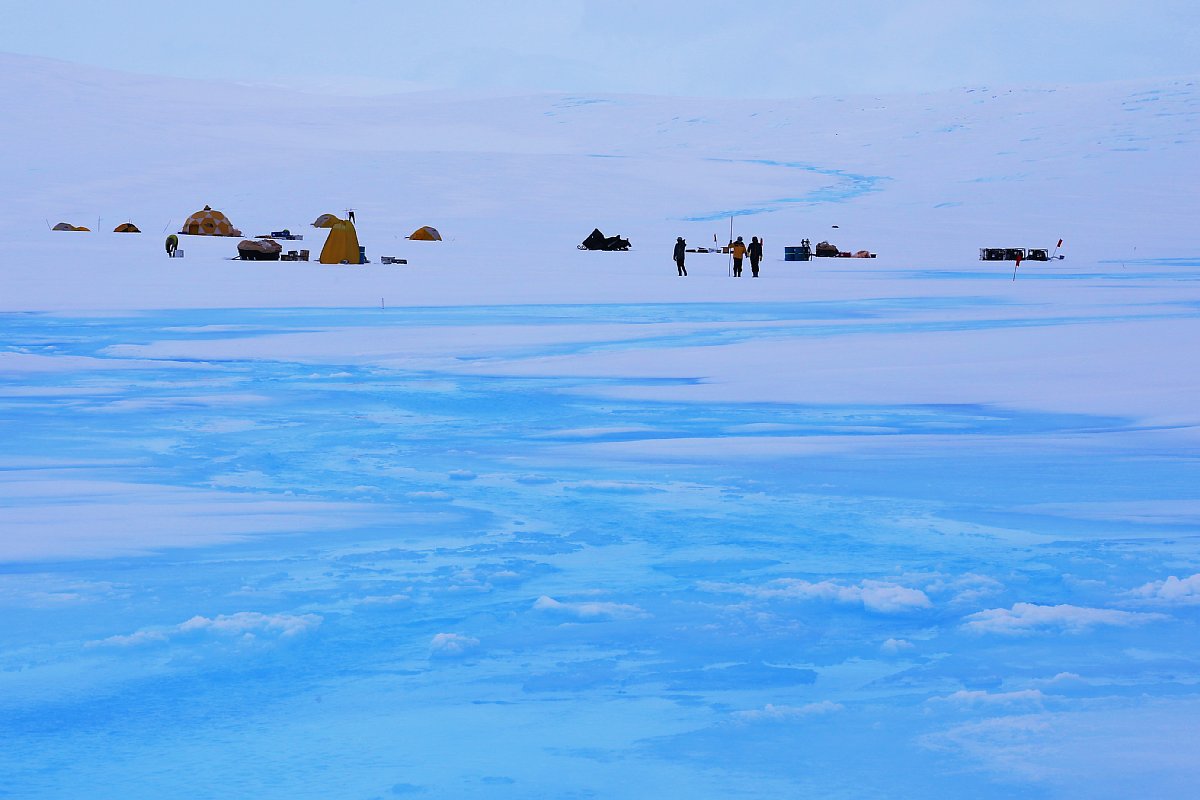
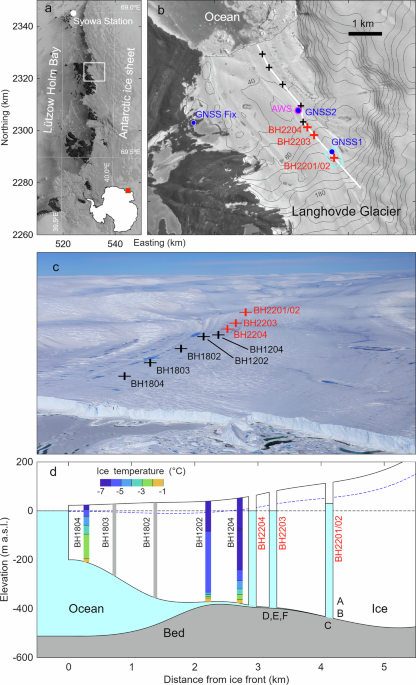

The Antarctic ice sheet holds 90% of land ice on the Earth, which is equivalent to approximately 60 meters of sea-level rise. The ice sheet is currently losing mass in the coastal regions, where outlet glaciers flow into the ocean and form ice shelves. The speed of outlet glaciers plays a critical role, as it controls the rate of ice discharge into the ocean, where ice melts beneath ice shelves and disintegrates into icebergs.
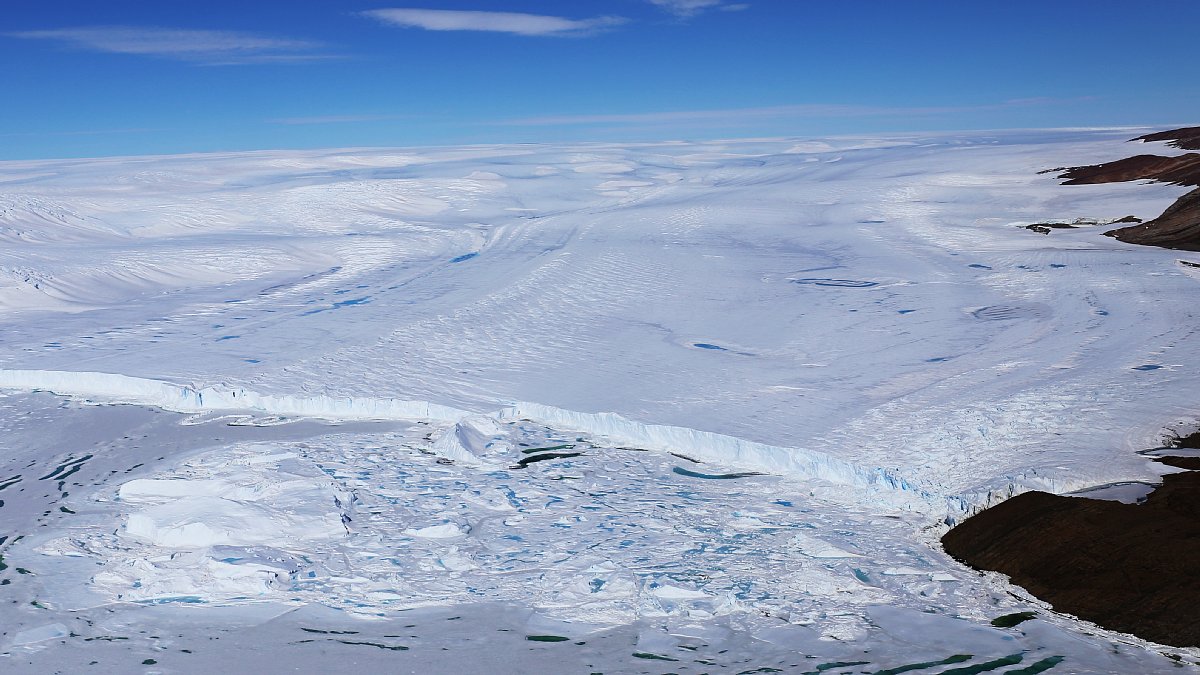
Glaciers speed up when meltwater drains to the base, lubricating the ice-bed interface. Such melt-driven acceleration has been observed in glaciers in mountain regions and Greenland. In Antarctica, only a limited amount of snow and ice melt, and cold ice prevents water from penetrating the glacier. Therefore, it has been debated whether meltwater drives glacier acceleration in Antarctica, with the increase in melt under a warming climate in mind. To prove the hypothesis, we need observations at the base of the ice sheet, where ice slides over the bed under the control of water pressure. Our approach was to drill boreholes to directly measure water pressure at the glacier base and compare it with ice speed and meteorological observations.
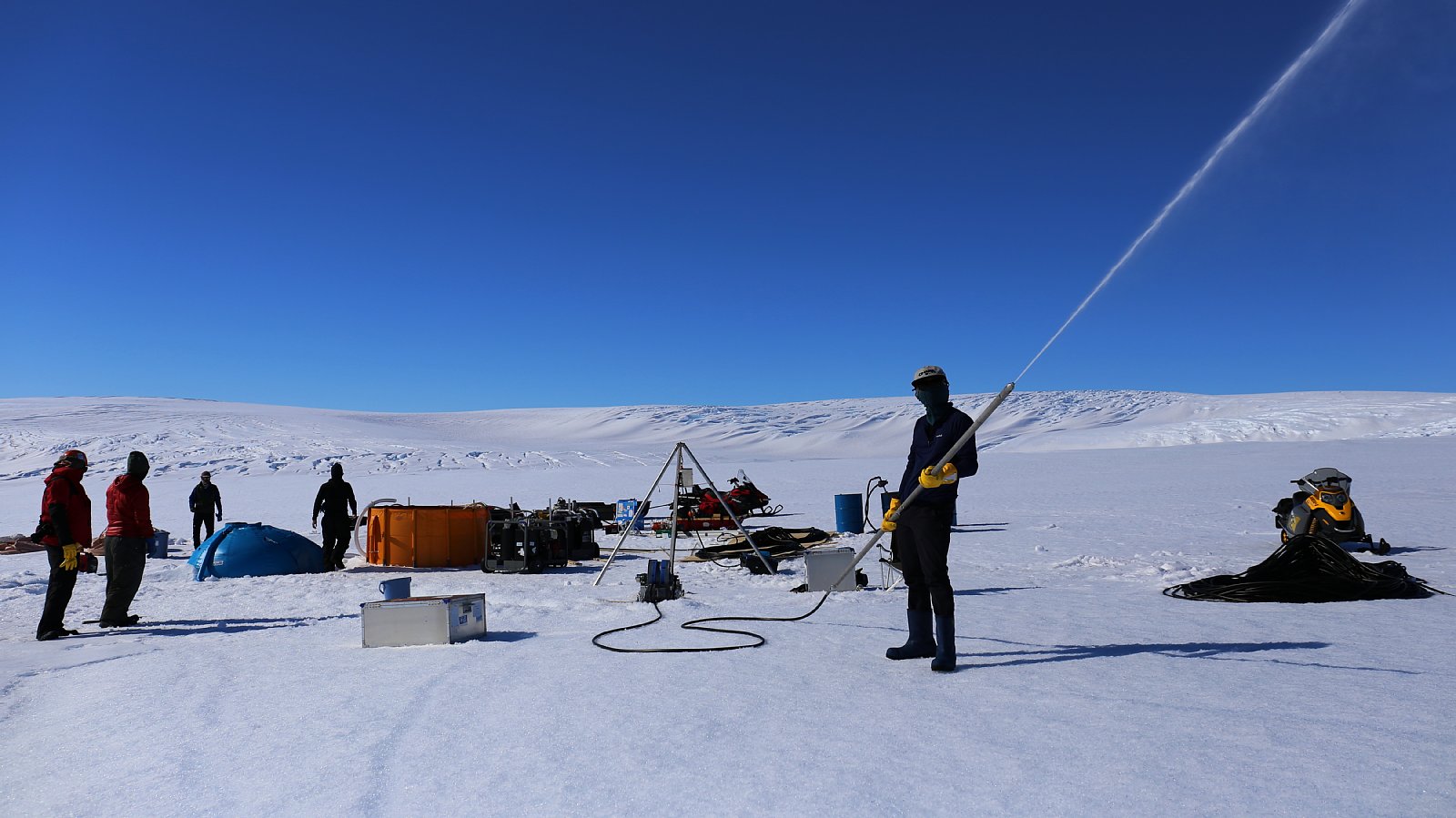
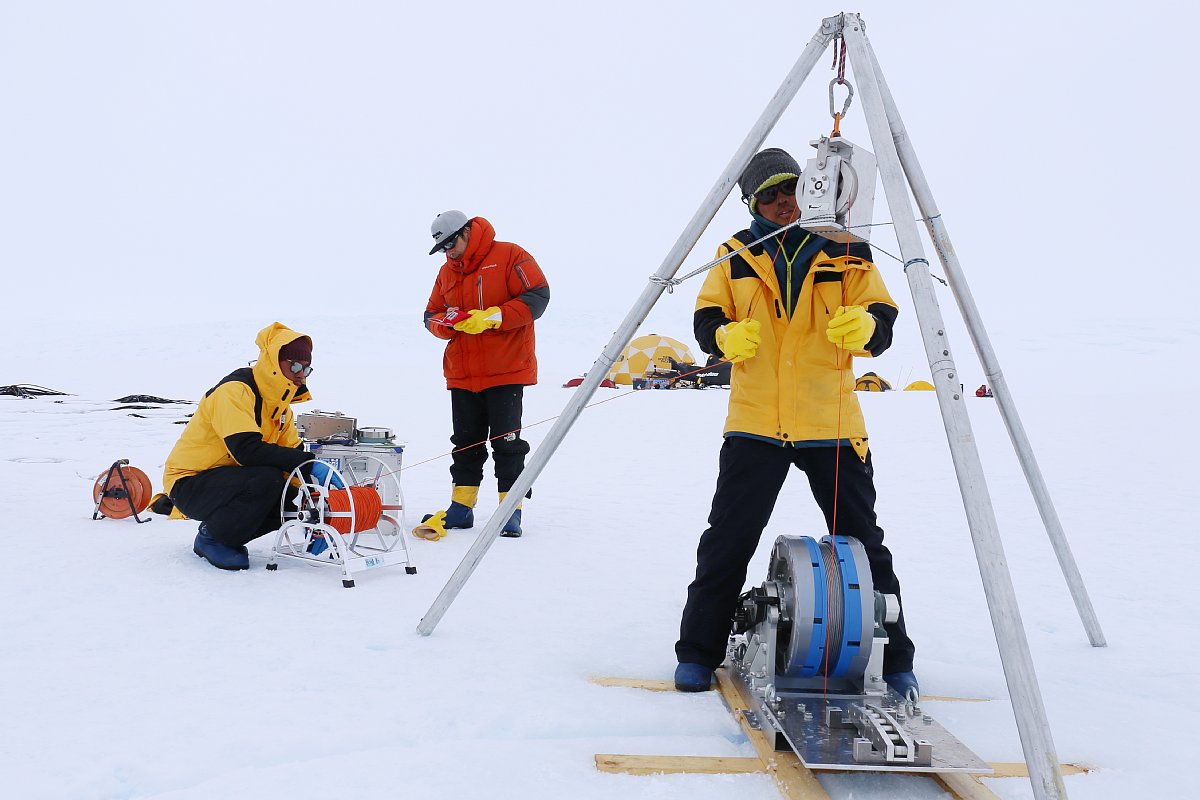
Hot-water drilling is the fastest means to drill a deep borehole to the glacier base. The Institute of Low Temperature Science at Hokkaido University operates a hot-water system that has been used for subglacial measurements and sampling in the Alps, Patagonia, and Antarctica over the last 20 years. In Antarctica, we previously drilled the floating part of Langhovde Glacier, an outlet glacier situated 20 kilometers from the Japanese Syowa Station. Following studies of the ice shelf in the 2011/12 and 2017/18 seasons, the focus of our 2021/22 campaign was the grounded ice, where ice speed is expected to be controlled by basal water pressure.
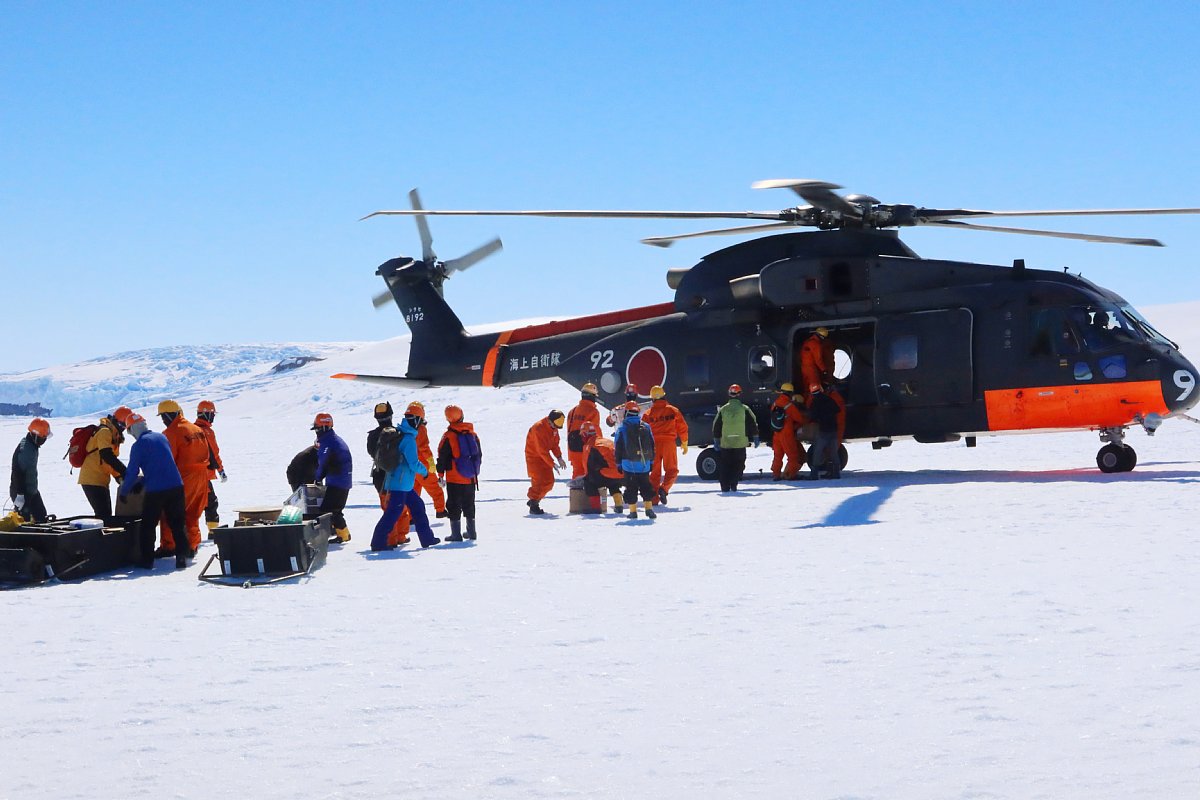
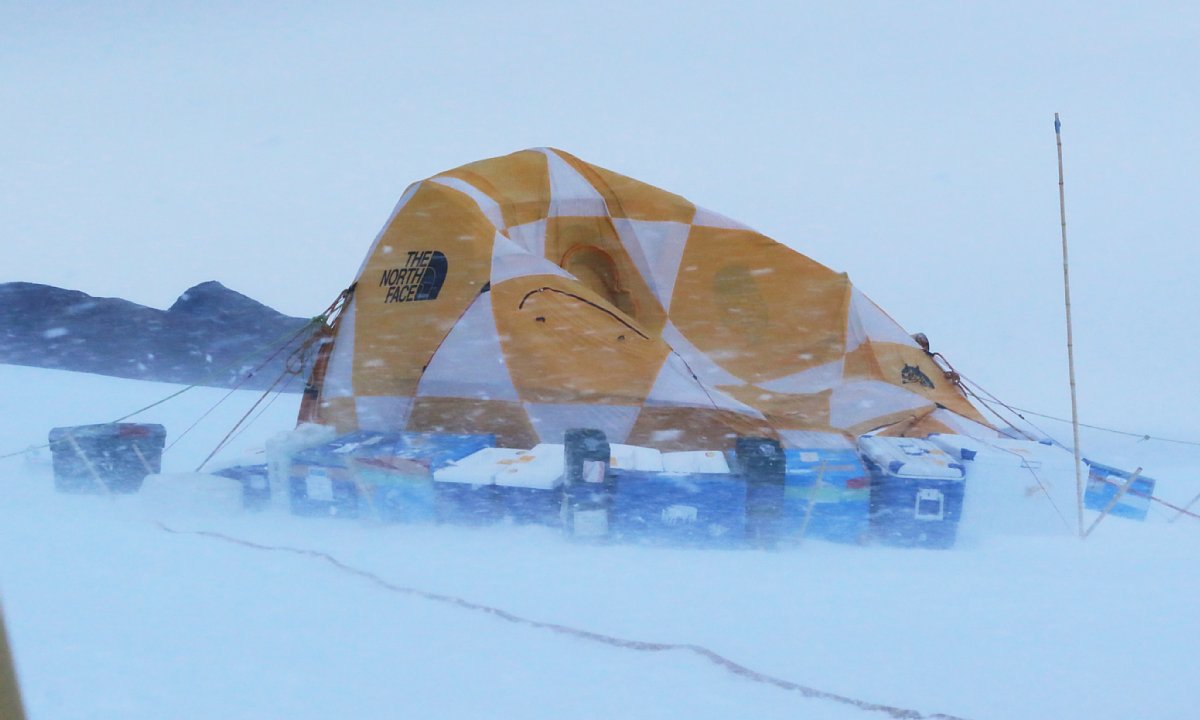
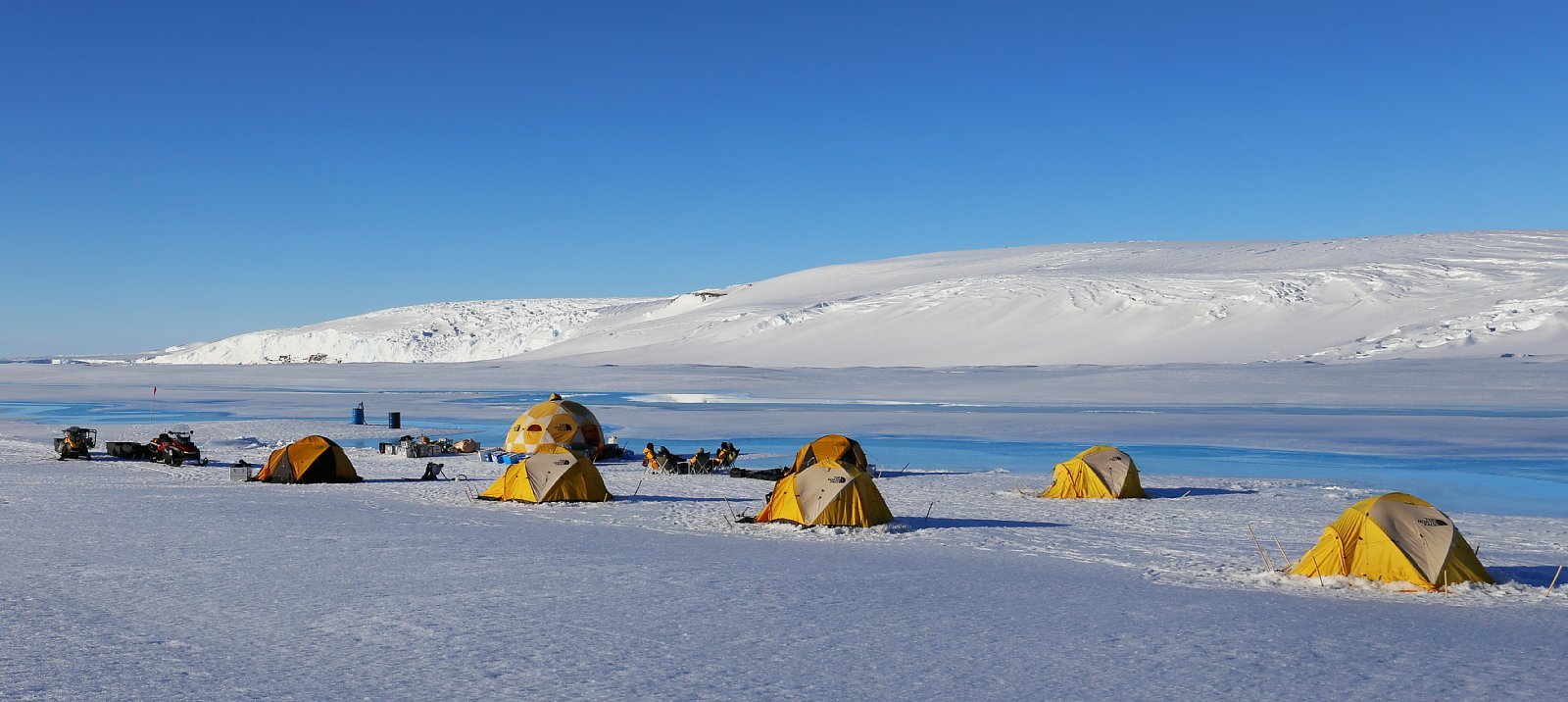
Drilling activity is demanding because it requires heavy equipment and considerable time. On 22 December 2021, we transported ~5 tons of materials by a helicopter from the icebreaker Shirase to Langhovde Glacier for drilling and camping on the glacier for one month. The helicopter landed 4 kilometers from the glacier front, where we expected ice to be grounded. While we were preparing for drilling, meltwater was abundant on the glacier, and crackling sounds from the ice were frequently heard, suggesting that meltwater was affecting glacier dynamics. The observations motivated us to drill, but the operation was delayed by a snowstorm that lasted several days.
The first borehole was drilled from 29 to 31 December. The operation took longer than expected because the ice was thicker than estimated and the bed was difficult to detect. After three days of intensive work, a video camera lowered into the borehole found the glacier base at a depth of 550 meters below the surface. To our surprise, borehole water drained through a crevasse 40 meters above the base. This was evidence of a hydrological network within the glacier, which had never been reported in Antarctica.
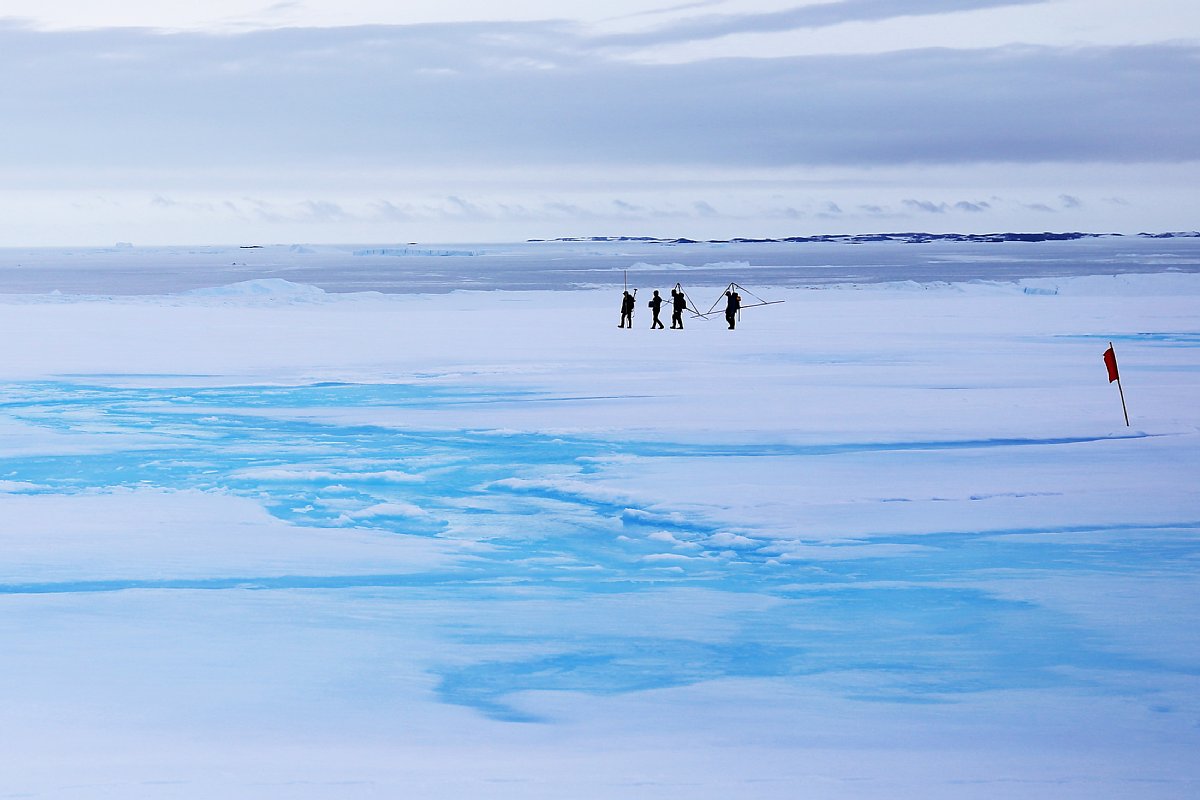
When drilling was completed, the surface snow became saturated with meltwater due to relatively warm temperatures. Triggered by additional water supplied by rain, meltwater began draining into crevasses on 2 January 2026. A sensor installed in the borehole responded to this event, showing a pressure rise to a level at which the glacier would float. About 10% acceleration in ice flow was detected by a Global Navigation Satellite System installed near the borehole, which confirmed meltwater-driven glacier acceleration for the first time in Antarctica.
During the next several weeks, we drilled several more boreholes to explore the environment under the glacier. It was fascinating to discover fauna beneath several hundred meters of ice. A thin layer of seawater beneath the ice shelf was inhabited by sessile animals, including a colorful sea anemone. The existence of sessile animals implies active transport of nutrients by ocean circulation in the cavity, which also supplies heat for ice-shelf basal melting.
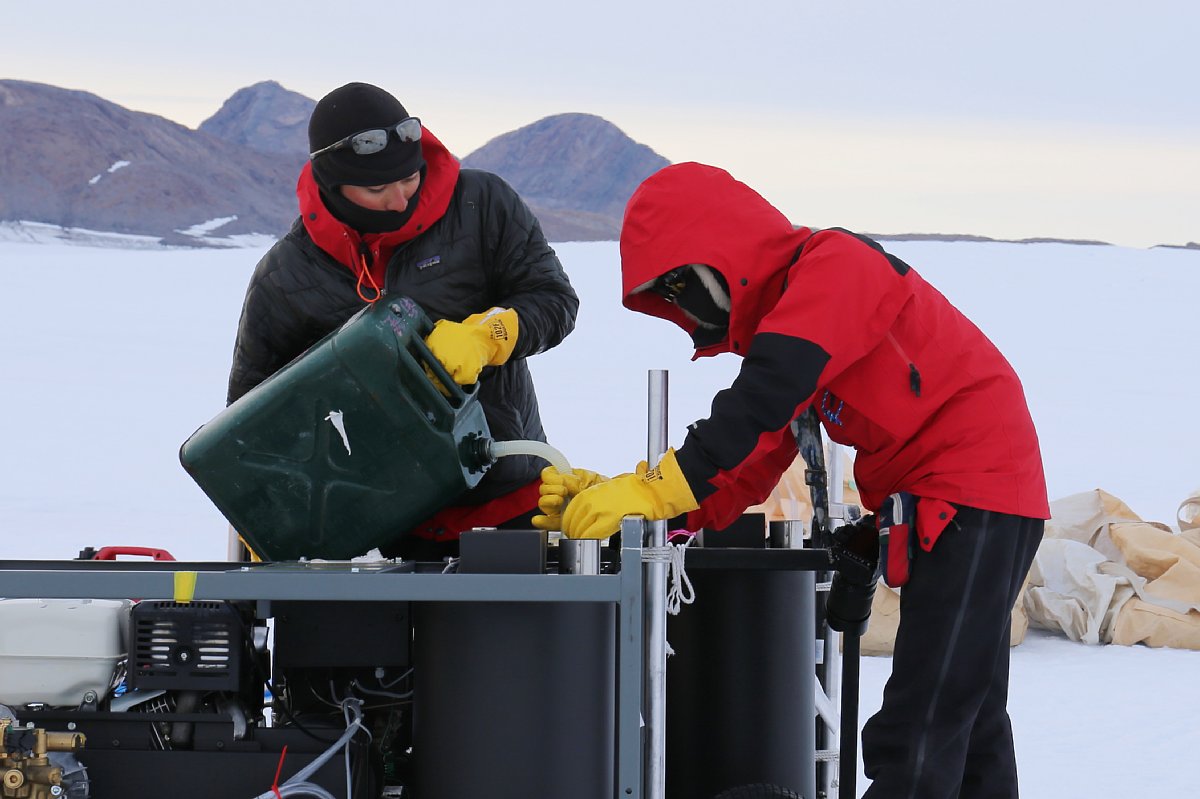
While an increasing amount of information is available from satellite observations, field studies are critical to furthering our understanding of the Antarctic ice sheet. Hot-water drilling is a unique technique that opens a window to processes occurring beneath ice.
Shin Sugiyama
Director of the Arctic Research Center / Professor of the Institute of Low Temperature Science, Hokkaido University, Japan

Follow the Topic
-
Nature Communications
An open access, multidisciplinary journal dedicated to publishing high-quality research in all areas of the biological, health, physical, chemical and Earth sciences.

Related Collections
With Collections, you can get published faster and increase your visibility.
Women's Health
Publishing Model: Hybrid
Deadline: Ongoing
Tumor Microenvironment Crosstalk and Therapeutic Implications
Publishing Model: Hybrid
Deadline: Nov 02, 2026