Advancing Somalia’s Renewable Energy Transition: The Story Behind My Latest Research
Published in Earth & Environment and Sustainability

Why I focused on Somalia’s energy transition
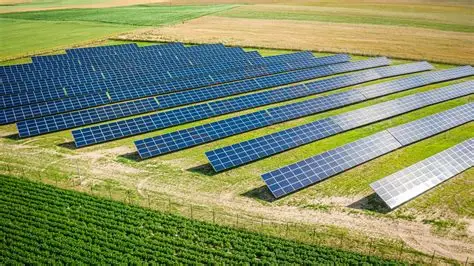
Somalia has significant potential to expand the use of renewable energy, particularly solar and wind power. However, translating this potential into a reliable and affordable electricity supply requires more than identifying available resources. It also requires careful consideration of energy infrastructure, investment conditions, system integration, technical capacity, and the policy environment.
My interest in this subject comes from my academic and professional experience in renewable energy technologies, hybrid energy systems, and energy operations. Through my work and research, I have become increasingly interested in how renewable energy solutions can be adapted to Somalia’s specific circumstances and contribute to long-term energy-sector development.
What my research explores
My article, “Feasibility analysis of renewable energy integration trends and future research directions in Somalia,” examines the development of renewable energy integration in the Somali context and identifies areas that merit further research.
An important motivation behind this work is the need to strengthen the knowledge base available to researchers, policymakers, energy-sector professionals, and other stakeholders working to improve electricity access and accelerate the energy transition.
I hope the article contributes to a clearer understanding of the research landscape and encourages further investigation into the technical, economic, environmental, and institutional dimensions of renewable energy deployment in Somalia.
Looking ahead
I believe Somalia’s renewable energy transition will benefit from stronger collaboration among universities, government institutions, private energy companies, development partners, and international research communities.
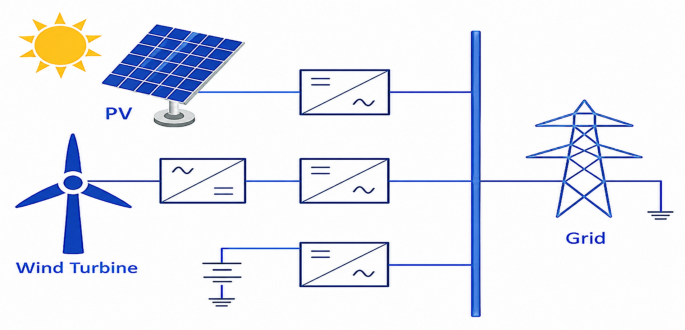
Future work should continue to examine practical approaches to integrating renewable energy into electricity systems, improving the performance of hybrid energy solutions, strengthening the economic case for investment, and identifying pathways toward more reliable and sustainable electricity services.
For me, publishing this article is not simply an academic milestone. It is also an opportunity to contribute to a wider conversation about how research can support Somalia’s energy development and create a foundation for future innovation and collaboration.
I invite fellow researchers, renewable energy professionals, policymakers, and development partners to read the article and share their perspectives on the opportunities and challenges facing Somalia’s energy transition.
Read the open-access article:
Yusuf, A. Y. (2026). Feasibility analysis of renewable energy integration trends and future research directions in Somalia. Discover Energy. https://doi.org/10.1007/s43937-026-00173-0
Dr Abdirizak Yasin Yusuf
RE Researcher & Operations Manager – Green Mini-Grid Portfolios
Mogadishu, Somalia.

Follow the Topic
-
Discover Energy
This is an open access, community-focussed journal publishing research from across the full range of disciplines concerned with energy.

Related Collections
With Collections, you can get published faster and increase your visibility.
Energy–Environment Nexus: Technologies for Clean Production and Storage
The production and utilisation of energy go hand in hand with environment and the necessity of its protection. This Collection serves as a platform for the expert knowledge exchange in the field of energy and environmental nexus, outlining the issue of environmental burden of conventional and novel energy sources and related technological complexes. The Collection will cover a broad reach of thematic scopes, which include but are not limited to thermchemical conversion systems, energy production, distribution and storage, alternative fuels and biofuels, Carbon Capture Utilisation and Storage (CCUS), hydrogen technologies, renewable energy sources, Waste-to-energy (WtE), sustainability, nuclear energy, Life Cycle Assessment (LCA) and environmental protection.
Keywords: Energy, Environment, Sustainable production, Conversion, Renewable Energy Systems (RES), Storage, Life Cycle Assessment (LCA), Heat, Electricity, Carbon Capture Utilisation and Storage (CCUS), Efficiency, Waste-to-energy (WtE).
This Collection supports and amplifies research related to SDG 6, SDG 7, SDG 9, SDG 11, SDG 12, and SDG 13.
Publishing Model: Open Access
Deadline: Apr 30, 2027
Artificial Intelligence for Sustainable Energy Systems: Smart Data, Flexibility, and Optimization
This Collection explores the intersection of artificial intelligence and energy systems, focusing on data-driven methods for energy flexibility, smart grids, and sustainable optimisation. Contributions are sought on AI-enabled load forecasting, digital twins, demand response, and human-centric solutions that enhance resilience, efficiency, and decarbonisation pathways in line with the UN Sustainable Development Goals.
Keywords: Artificial Intelligence; Machine Learning; Energy Flexibility; Smart Grids; Demand Response; Digital Twins; Energy Forecasting; Sustainable ICT; Renewable Integration; Energy Data Analytics; Explainable AI; Human-Centric Energy Systems; Trustworthy AI; FAIR Data; Decarbonisation.
This Collection supports and amplifies research related to SDG 7 (Affordable and Clean Energy); SDG 9 (Industry, Innovation and Infrastructure); SDG 11 (Sustainable Cities and Communities); SDG 13 (Climate Action).
Publishing Model: Open Access
Deadline: Dec 31, 2026