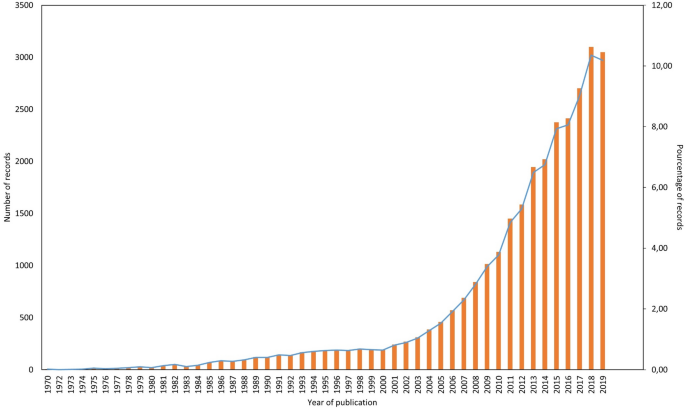

Animal societies have been studied for more than half a century, providing important insight into evolutionary processes such as kin selection, animal culture or pathogen transmission. Furthermore, animal societies are complex systems composed of heterogeneous individuals and the mechanisms that affect their sociality have been largely explored because of the direct impact they have on their survival and reproduction. Therefore, the study of animal societies represents an important field in biology to better understand the emergence and maintenance of sociality.
Social Network Analysis (SNA) is a graph theory discipline allowing the study of interconnected components (i.e. the nodes, e.g. an animal) in a system (i.e. the network, e.g. social interactions). It is a powerful analytical framework to examine how nodes’ characteristics affect their connections, how nodes’ connections may affect their characteristics, and how the sum of all nodes’ connections shapes a specific network topology.
Naturally, SNA has caught much attention in animal research over the last two decades and provides valuable insight into the way the heterogeneity of individuals’ sociality shapes the overall society. This versatile tool allows 1) a multilevel approach (i.e. the study of individuals’ sociality, subgroup constitution and social organization), 2) a bottom-up approach (i.e. from individuals to group) and/or a top-down approach, and 3) the study of multiple ecological questions like information/pathogen transmission, group resilience, kin structure, etc.
However, there is still a gap between SNA and animal research making the learning of this mathematical framework very challenging for a young scientist. Indeed, there is a large number of methods available, which furthermore are dispatched into different software. Besides, biologists have developed their own methods to apply SNA to animal systems and assess inherent biases (e.g. observation biases). The motivation behind Animal Network Toolkit software (ANTs) comes from the will to provide biologists studying animal societies with an all-in-one software to perform their analyses, using state-of-the-art methodological techniques.
The project was developed with a team of passionate people and it took more than 3 years to build the software. ANTs allows, among other things, to: 1) help researchers find the most appropriate analytical protocol and network measure(s) according to the research question and the data; 2) assess data robustness; 3) measure global, dyadic and nodal network measures; 4) perform data randomization (pre-network and network -nodes and links- permutations); 5) perform statistical permutation tests. ANTs makes it possible to use the same software from raw data to the final analyses in a multitude of disciplines, from the study of the way individuals’ characteristics affect their sociogenesis to the way external factors may affect individuals’ sociality, and how this phenomenon shapes the social structure observed in natura.

ANTs is a long-term project that is meant to evolve as SNA techniques are being increasingly developed for the study of animal societies. This is why we encourage every researcher (PhD, post-doctorates and professors) studying animal societies or graph theorists to join our free open-source project. Any contribution, either large or small, is welcome to take part in the future of Animal Social Network Analysis!
Paper reference
https://www.nature.com/articles/s41598-020-69265-8
ANTs official website

Follow the Topic
-
Scientific Reports
An open access journal publishing original research from across all areas of the natural sciences, psychology, medicine and engineering.

Related Collections
With Collections, you can get published faster and increase your visibility.
Cancer Prevention and Control
Publishing Model: Hybrid
Deadline: Feb 19, 2027
Healthy Aging
Publishing Model: Open Access
Deadline: Dec 31, 2026