



Over the last 30 years, Somalia's climate has experienced an increase in climate variability. These climatic changes have led to increased frequent and severe drought events. These climate extremes, which negatively impact the natural resources of pasture and water essential in animal existence, are also extremely important for livestock to survive.
Meteorological drought means that precipitation falls below long-term averages, resulting in long-term drought where plants grow slow and water evaporates. For pastoral communities that depend on the kind of natural grazing systems, the impact of a minor fluctuation in rainfall affects herds productivity and family livelihoods a few degrees. Accordingly, the objective of the study was to investigate how meteorological drought impacts pastoral living resources of livelihoods can be related to the livelihood assets and the household coping mechanisms for such environmental stresses.
The study employed the Sustainable Livelihoods Framework (SLF) to study drought impacts in all types of livelihoods resources based on drought impacts. The SLF approach recognises that livelihoods are built up on the basis of a variety of natural, physical, financial, human, and social assets. In pastoral systems the natural factors pasture and water that are particularly important for the production of livestock, are directly dependent on pasture and water.
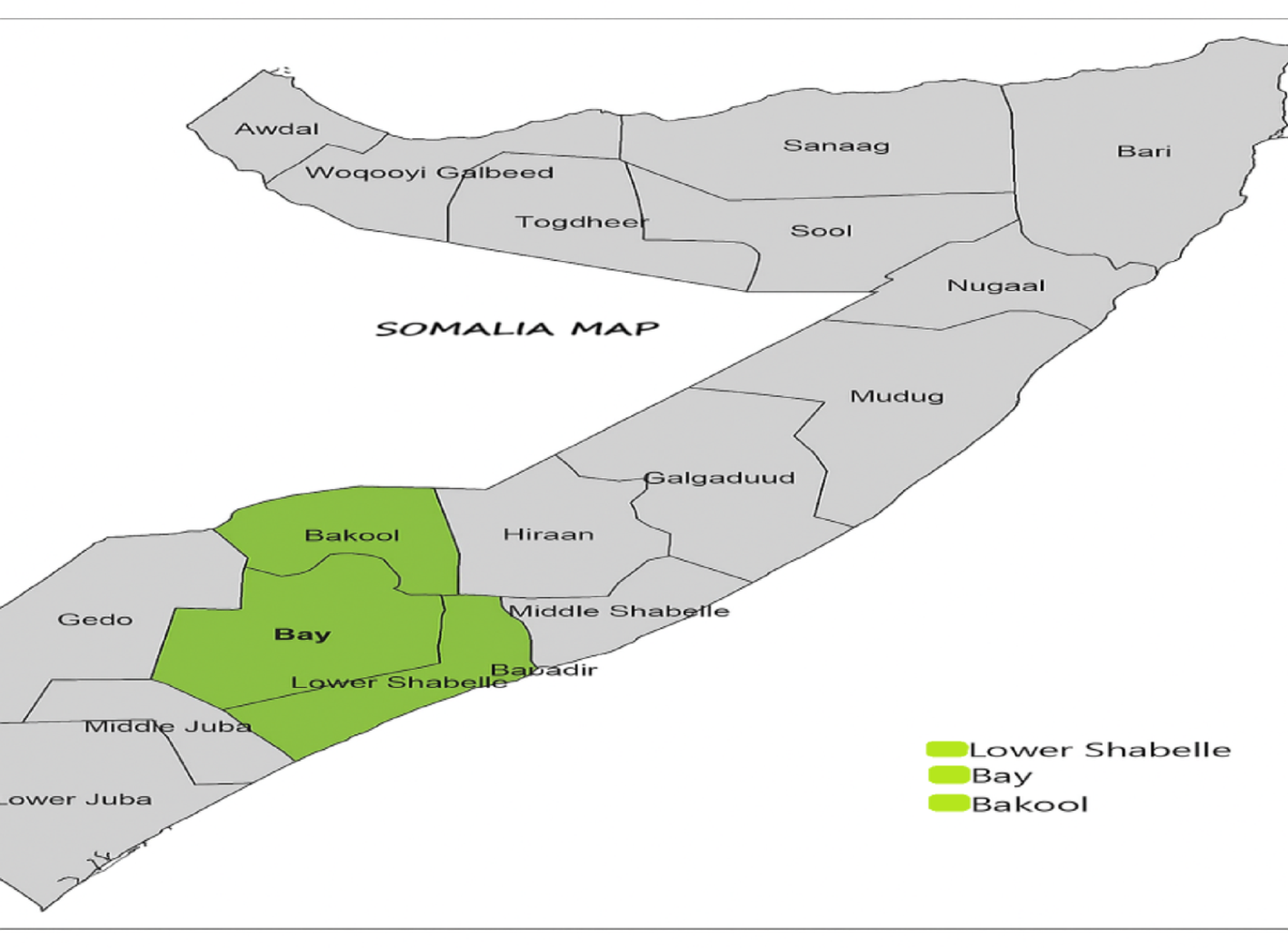
And in one of a study on the effect of meteorological drought on different kinds of livelihoods assets and how changes in the environment affect the resilience of households in pastoral practices. Field data were collected from pastoral households in drought-affected parts of Southwest Somalia, along with meteorological data to evaluate rainfall patterns and drought severity. This made a focus of the analysis on the relationship of rainfall variability with the availability of natural resources.
Results indicated that meteorological drought greatly lowers pasture availability, and that they lead to drying of common water sources including shallow wells, seasonal rivers and natural ponds. This means that during lengthy dry seasons when the vegetation becomes sparse, grazing areas for livestock are hard to come by and so pastoralists search for other grazing spaces instead.
Perhaps the most devastating impact of the study was the deterioration of the natural livelihood assets. Decreased rainfall led to poor pasture regeneration and reduced water availability in grazing areas, which compromised livestock productivity and health. Under drought condition, the body condition of livestock dropped because of the lack of sufficient nutrition and long distances for grazing land and water. Shepherds were often confined to the field for longer periods of time, causing them to run animals over very long distances, which raises their diseases and makes livestock suffer even more.
The implications of these environmental pressures were particularly painful for pastoral households who relied heavily on livestock as their main source of income. The study also found that meteorological drought created knock-on effects on other livelihood assets. As livestock output waned, income from livestock sales and milk production was hit by a pulldown in pastoral households. The reduced financial assets hindered household purchases of food, veterinary drugs and other critical merchandise. So, with this, many families faced more food insecurity during those harsh stretches of drought.
Households were obliged to sell animals cheaply, to meet their immediate need, which further undermined their future survivability. Drought conditions had an impact on human and social assets as well. Homes, in some instances, were forced to spread labor among households to make up for increased pressures of sheep husbandry and water fetching.
Community support networks and traditional social institutions were often central to enabling families to respond to drought. Informally, these networks provided such needs as food security, water access at common points, and cooperation among pastoralists when resources became scarce. But, as the drought continued or worsened, these social ways of coping were sometimes put to the test when communities competed for scarce resources.
One of our major findings, too, was that environmental stress in the form of drought affected the pastoral mobility pattern. Pastoralists often shifted sheep to pasture and water in response to limited pasture and water. Mobility though a conventional adaptation strategy in pastoral systems, the increasing occurrence of drought events has led to mobility of cattle into new territories and increased the frequency and thus frequency and also the likelihood at times the unpredictability of movement.
In certain circumstances, pastoralists may have relocated their livestock, on occasion in agriculture activities in addition (e.g. the cattle were also being farmed and land and water resources might have been competitive for control of resources and water.
Overall, the study showed that weather-induced drought is one of the contributing factors affecting livelihoods vulnerability in pastoral pastoral areas of Southwest Somalia. The results revealed how climatic shocks impact various aspects of pastoral livelihood, from access to natural resources to income and household food security.
Through a lens of livelihood assets, the study contributed to a more holistic analysis of the way changes of the landscape shape farm resilience to, and resistance from, the environment. The study also showed a number of issues that need to be further studied; however, all these factors were well done.
Although the research explored the direct direct influence of meteorological drought on livelihood assets, it did not investigate the socio-ecological processes that pastoral communities would navigate in responding to drought conditions. In particular, this requires further studies on how pastoral mobility, resource competition, and environmental pressures act on one another across multiple land-use systems.
Based on this study, the goal of this research is to contribute to the understanding by exploring the interaction between eco stress due to drought and the human response and resources within agro-pastoral systems through an applied ecological lens. This paper aims at developing a socio-ecological drought framework that focuses on community-based experiences, which, in turn, will allow local resources to connect during the time of drought in response to the complex entanglements among the climate variability, livelihood adaptation effects under drought-induced environmental stressors in Somalia.