Are we calculating emissions correctly to guide the climate mitigation measures?
Published in Earth & Environment
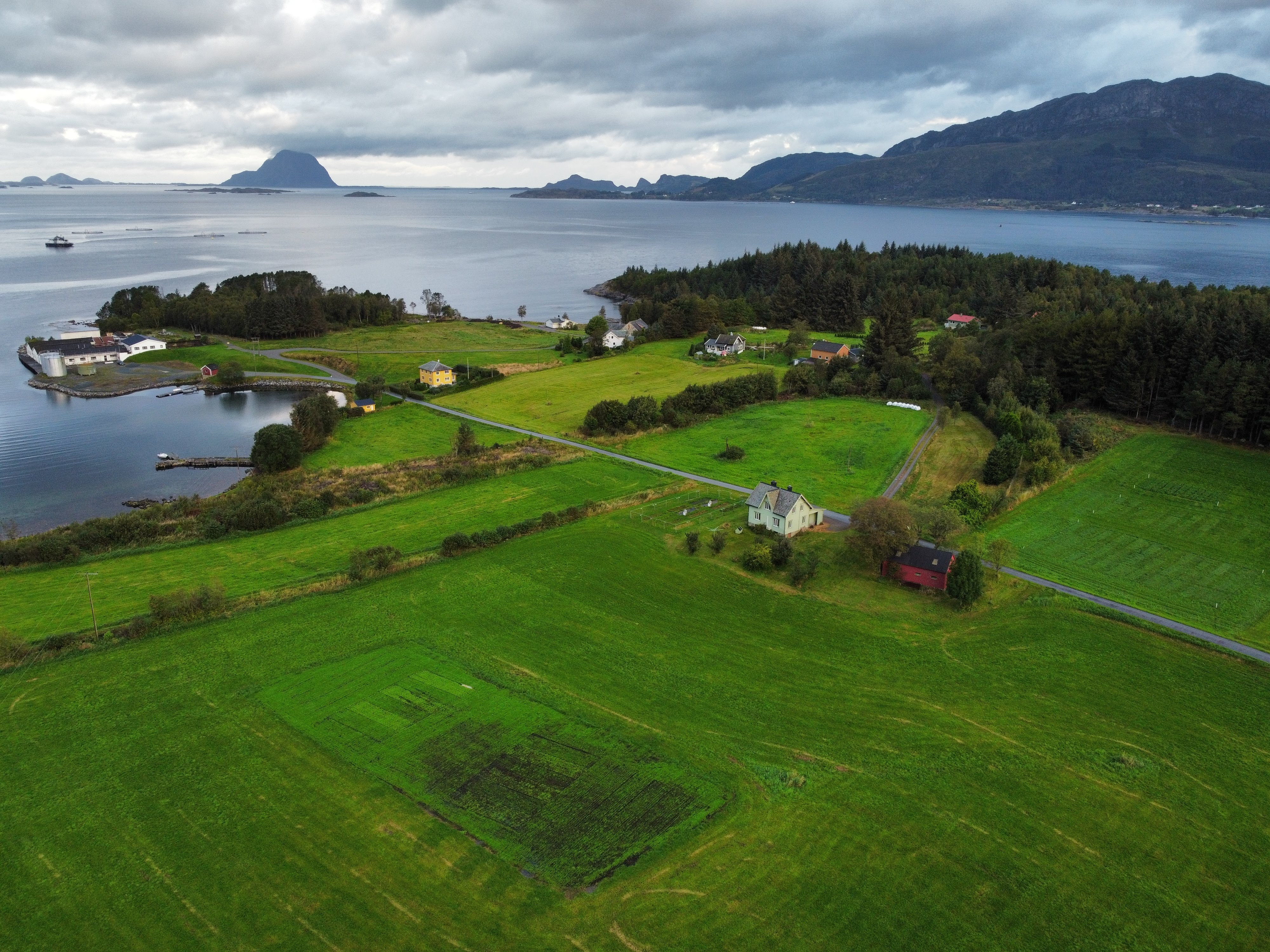



Cultivated peatlands are known to be major carbon dioxide sources when drained. Many countries, including Norway, estimate their emissions using default IPCC Tier 1 emission factors. These factors are derived from a limited pool of field studies across the globe and cannot fully represent the spatial and temporal variability of real landscapes. When such generalized numbers are used to guide mitigation strategies, there is a risk that both emissions and mitigation potential are misjudged.
Our study combined field observations from two cultivated peatland sites in Norway with process‑based ecosystem modelling to evaluate how well Tier 1 emission factors represent real conditions. The modelling allowed us to explore a wide range of climates and water‑table conditions across Norway. We found that the IPCC Tier 1 emission factor only worked well under very dry conditions. For the water levels most commonly found in cultivated peatlands, it overestimated carbon dioxide emissions by 31–88%. This means that current Tier 1 methods may systematically overstate emissions, and therefore, the potential benefits of mitigation from peatlands in cool temperate and boreal regions.
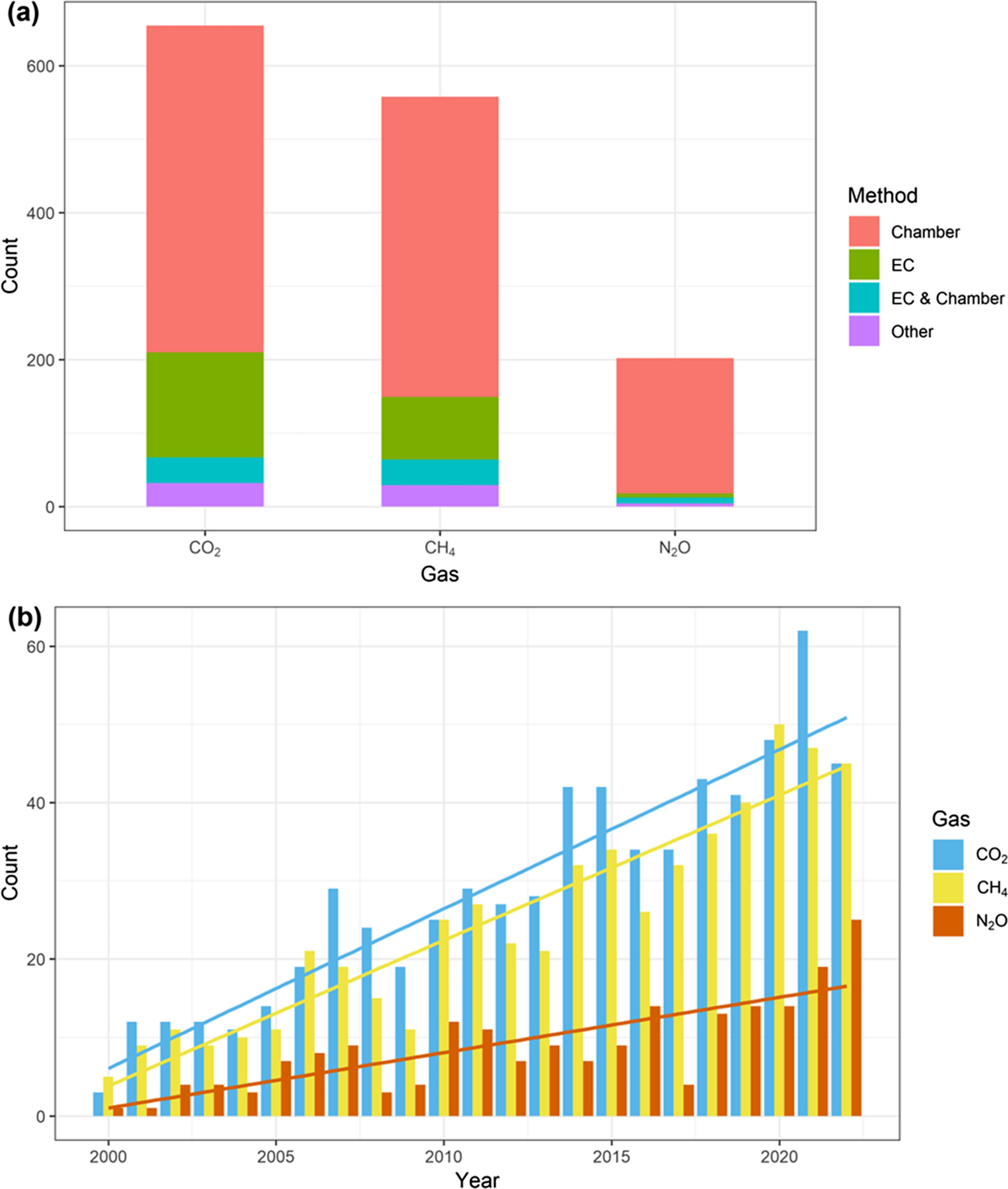
The main message of this work is about the value of measurement. Improving greenhouse gas accounting cannot be achieved by algorithms alone; it requires sustained investment in field monitoring, particularly in underrepresented regions and ecosystems. Field measurements are essential but demanding, requiring long‑term funding, specialized instruments, and technical expertise. As a result, high‑quality observations are unevenly distributed globally, with countries that have stronger research infrastructure disproportionately shaping the emission factors used in national inventories.
In recent years, rapid advances in modelling and artificial intelligence have created optimism that emissions can be estimated everywhere. While these tools are powerful, our work reinforced a key lesson: models and AI are only as good as the data that constrain them. In the digital age, vast amounts of data are generated effortlessly through sensors, satellites, and online activity. In contrast, data collected “out in nature”, such as emissions from peatlands, remain difficult and expensive to obtain. Because of this, such data have become increasingly precious in the AI era.
https://www.nature.com/articles/s43247-026-03464-5
https://link.springer.com/article/10.1007/s10533-023-01091-2

Follow the Topic
-
Biogeochemistry
This journal publishes original and synthetic papers dealing with biotic controls on the chemistry of the environment, or with the geochemical control of the structure and function of ecosystems.