BMC Ecology and Evolution Image Competition 2023
Published in Ecology & Evolution
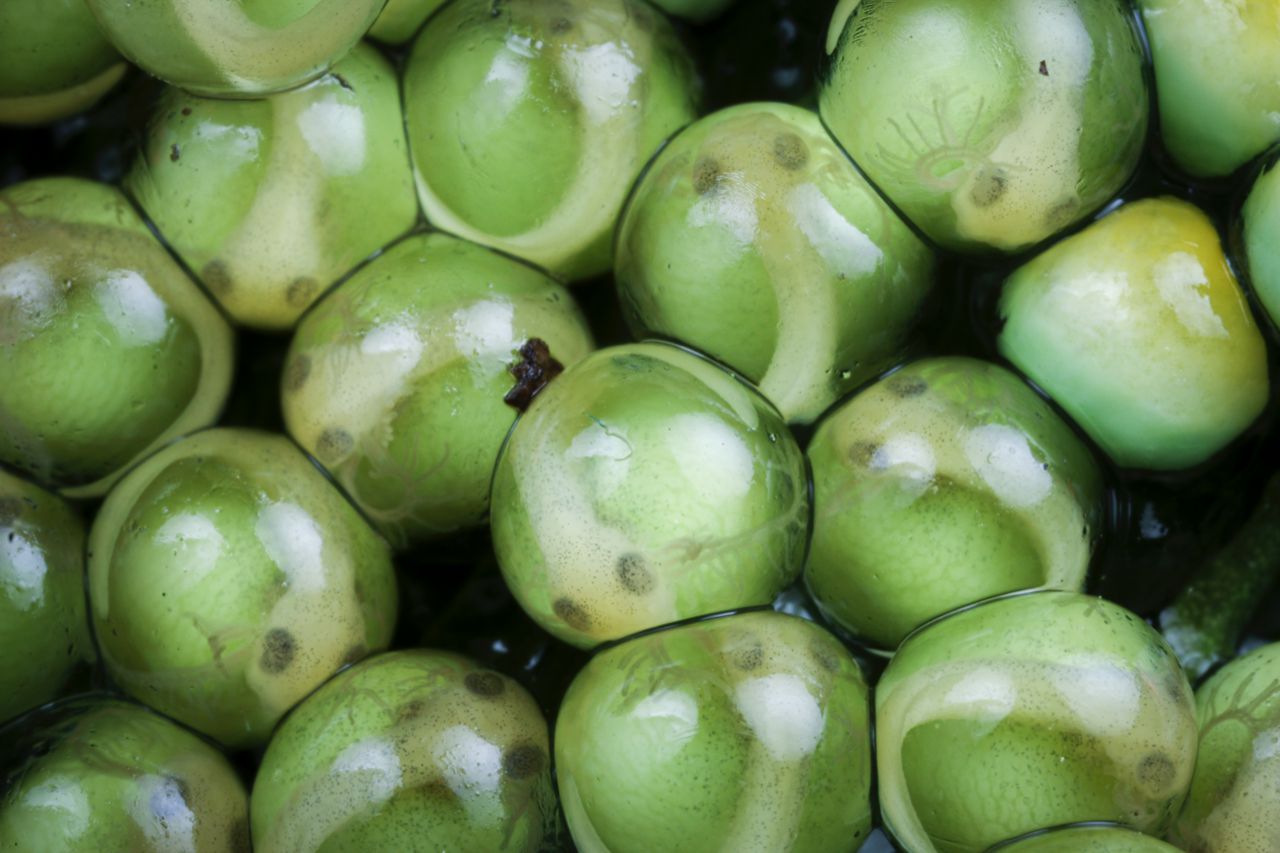

We are pleased to announce the launch of our third BMC Ecology and Evolution image competition! Submit your images and the stories behind them for a chance to highlight your research, win prizes, and have your photography featured in the journal.
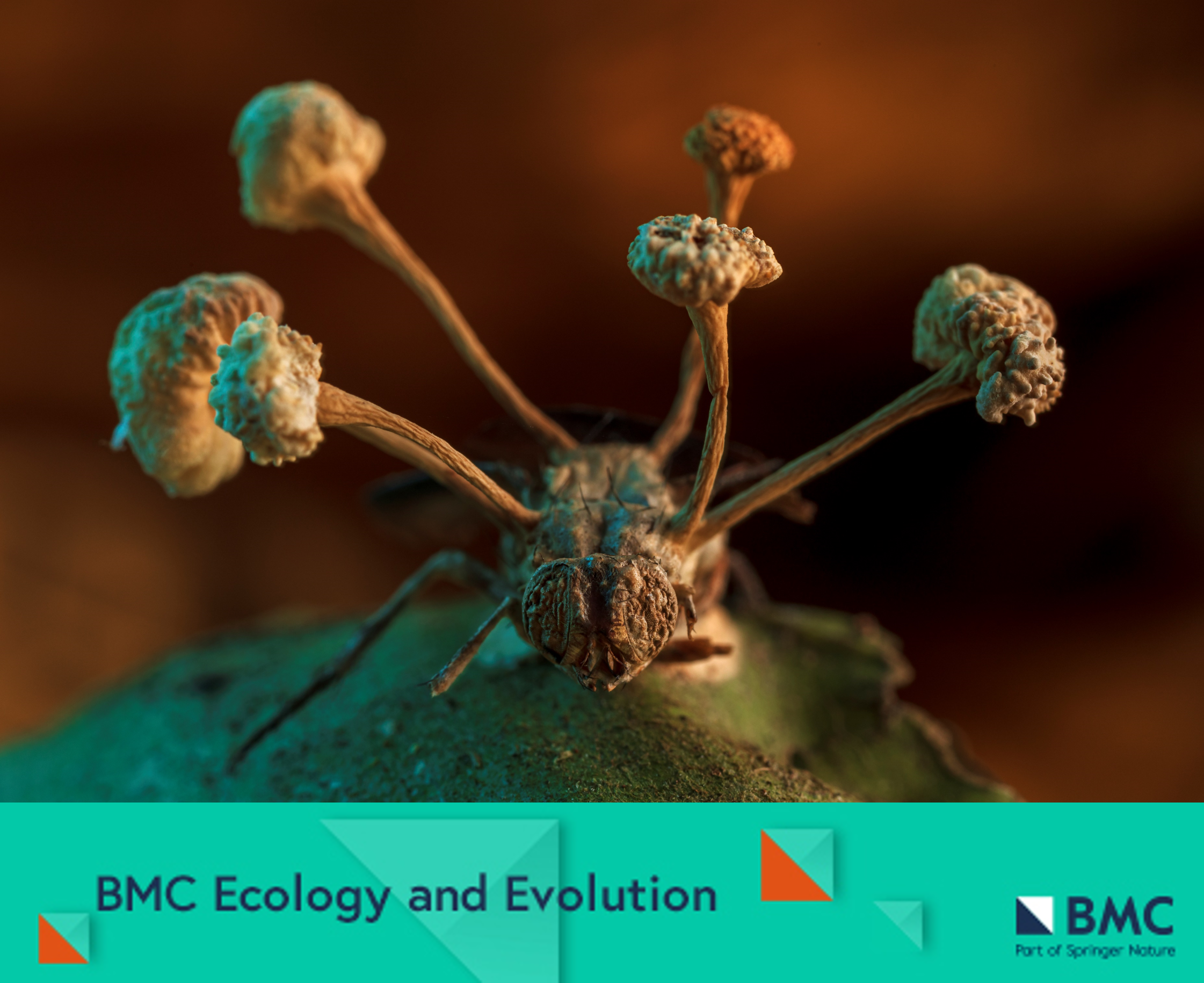
Last year’s competition attracted substantial attention from researchers and the wider public. International media outlets highlighted the winning images, including Science, New Scientist, Science News, Live Science, Gizmodo, National Geographic España, CNN, The Telegraph, and MailOnline. We were also delighted to see the winning image, 'The story of a conquest' taken by Roberto García Roa, featured in Nature’s best science images of 2022. To learn more about last year’s winners, please read our editorial.
The competition provides a fantastic opportunity to showcase research and the beauty of nature to a broad audience. Anyone affiliated with a research institution is eligible to enter one image into each of the following four categories:
- Research in action. Images that showcase ecological or environmental biology research or capture experiences of conducting studies and collecting data.
-
Protecting our planet. Photos conveying efforts to support and raise awareness of the United Nations Sustainable Development Goals (SDGs):
- SDG6.6: Protect and restore water-related ecosystems
- SDG14: Conserve and sustainably use the oceans, seas and marine resources for sustainable development
- and SDG15: Protect, restore, and promote sustainable use of terrestrial ecosystems, sustainably manage forests, combat desertification, and halt and reverse land degradation and biodiversity loss. -
Plants and Fungi. Photos depicting:
- The importance of plants and fungi in ecosystems
- The extraordinary way plants and fungi have evolved to attract insects to reproduce and ensure survival.
- Extinction risk and threats to plants and fungi. - Paleoecology. Images which provide glimpses into long-lost worlds (e.g., fossil assemblages, microfossils, paleohistology and paleoart).
Judging the competition will be members of the BMC Ecology and Evolution editorial board, along with Jennifer Harman, the Editor of the journal. The journal will award the overall winner €800, and the winner for each of the four categories will receive €200. The journal will also award €50 to the runner up for each category.
How to submit your images and the stories behind them:
Please email your images to the Editor, Jennifer Harman, at jennifer.harman@springernature.com with the subject line “BMC Ecology and Evolution Image Competition 2023” and include the following:
Your name:
Affiliation:
Contact details of Research Institute:
Twitter handle (optional):
Category:
Image name:
Description (Max. 250 words):
File type:
Data attribution (if applicable):
I agree to release this image under a Creative Commons License: Y/N
Please attach your image entry to your email.
All images must conform to the following criteria:
- A minimum 300dpi (1831 x 1831 pixels for a raster image).
- In one of the acceptable formats – EPS, PDF (for line drawings), PNG, TIFF, JPEG, BMP, DOC, PPT [Please note that it is the responsibility of the author(s) to obtain permission from the copyright holder to reproduce figures or tables that have previously been published elsewhere.]
- In line with our policies on open access, entry to the competition implies releasing the images under a creative commons license to allow file sharing with proper attribution.
Submit your images now!
We’ll be posting regular updates on the competition in the coming months, so don’t forget to keep up to date by reading our blog or by following us on Twitter @BMC_series
The closing date for entries is the 1st of June 2023, with winners announced in August 2023.
Good luck!

Follow the Topic
-
BMC Ecology and Evolution
An open access, peer-reviewed journal interested in all aspects of ecological and evolutionary biology.

Related Collections
With Collections, you can get published faster and increase your visibility.
Evolution of disease: From pathogens to proliferating cells
Evolution of disease: From pathogens to proliferating cells is a special Collection that explores how evolutionary processes shape health and disease—from infectious microbes to cancerous cells. We invite research within the discipline of evolutionary medicine that examine how forces such as natural selection, genetic drift, host-pathogen coevolution, and environmental change contribute to disease susceptibility, resistance, and progression. We welcome submissions that deepen our understanding of disease as a dynamic outcome of evolutionary interactions.
Topics of research may include but are not limited to research which uses evolutionary principles to understand:
1. Pathogen evolution, resistance, and host interactions
•
The evolution of antibiotic, antiviral, antifungal, and antiparasitic resistance
•
Mechanisms of immune evasion, persistence, and transmission
•
Experimental evolution and molecular insights into pathogen adaptation
•
Host-pathogen coevolution and the impacts of medical or environmental interventions
•
Comparative host-pathogen dynamics across species
2. Evolutionary mismatch and modern disease
•
Evolutionary insights into metabolic disorders, autoimmune conditions and cancer
•
When a previously advantageous trait becomes maladaptive due to change in the environment
3. Evolution of cancer
•
Evolutionary and ecological models of cancer progression and resistance
•
Comparative oncology: insights from cancer-resistant and long-lived species
•
Somatic evolution, immune escape, and tumor heterogeneity
4. Genetic variation, adaptation, and disease susceptibility
•
Adaptive and maladaptive genetic variants in human and animal populations
•
Pleiotropy and trade-offs in immune function, metabolism, and reproduction
•
Population genetics, admixture, and the evolutionary roots of health inequality
5. Microbiome evolution and host symbiosis
•
Coevolution and community ecology of host-associated microbiota
•
Functional evolution in microbial genomes and implications for host health
•
Microbiome shifts due to modern environments, drugs, or host genetic factors
6. Viral evolution and endogenous elements
•
Evolutionary arms races between hosts and viruses
•
Evolution and function of endogenous viral elements in animal genomes
•
Phylogenomic approaches to uncover ancient viral influences on host evolution
7. Experimental and computational approaches
•
Experimental evolution in microbial or model systems
•
Genomics, phylogenomics, and systems biology in disease evolution
•
Machine learning and AI in evolutionary medicine research
Publishing Model: Open Access
Deadline: Dec 04, 2026
Nighttime ecology and evolutionary adaptations to low-light environments
BMC Ecology and Evolution welcomes submissions of research exploring the remarkable adaptations and ecological dynamics that enable life to flourish in the dark and low light environments. Contributions will explore evolutionary adaptations such as sensory specialization (e.g., night vision, echolocation, bioluminescence, heat-sensitive pits, and specialized hairs) that allow organisms to navigate, forage, and communicate in low-light conditions from caves to the deep sea. The collection will also investigate behavioral and physiological mechanisms, including circadian rhythm adjustments and predator-prey interactions, that are essential for survival in nocturnal niches.
Submissions on the impact of anthropogenic influences, such as light pollution, on nocturnal ecosystems and biodiversity are encouraged. The Collection also welcomes research on nighttime bioacoustics and soundscapes, examining how sound is used to adapt to and shape nocturnal environments. Contributions discussing the role of citizen science in advancing our understanding of nighttime ecology are also encouraged.
Publishing Model: Open Access
Deadline: Nov 20, 2026