What is this collection about?
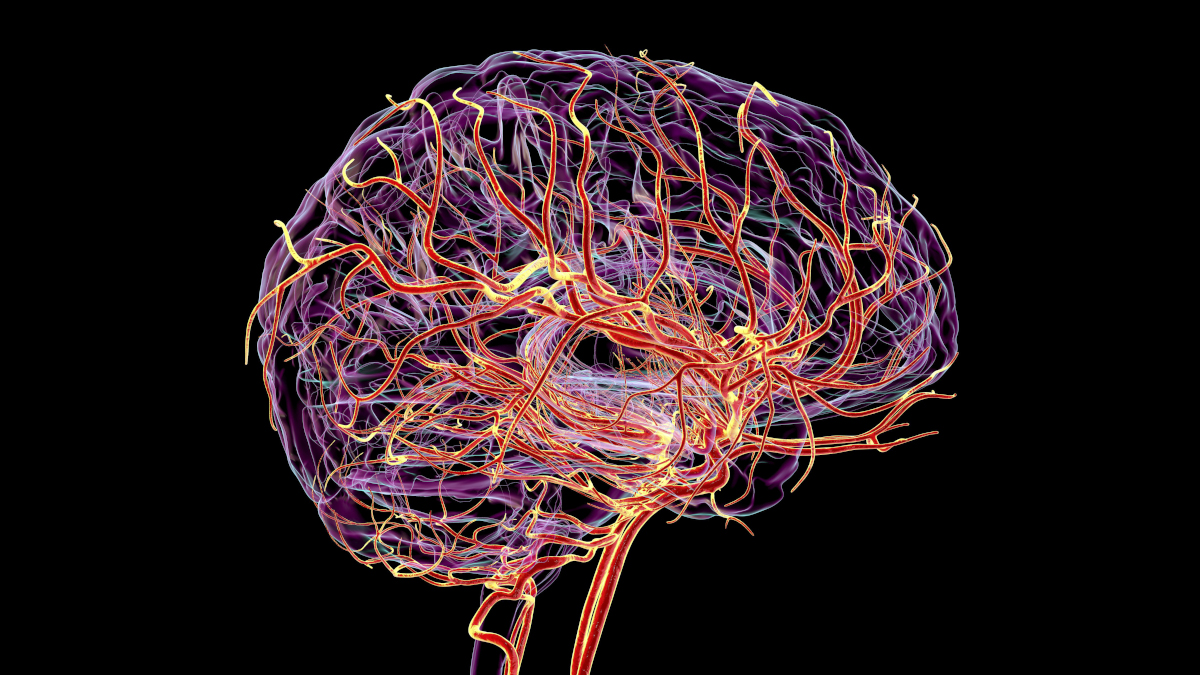
The cerebral vasculature is essential for maintaining brain homeostasis, and its dysfunction contributes to a broad range of diseases. Elucidating the mechanisms governing cerebrovascular function in health and disease may uncover new opportunities for prevention, diagnosis and treatment.
On this basis, the editors of Nature Communications, in collaboration with Communications Biology, Communications Medicine and Scientific Reports, invite submissions addressing cerebrovascular biology and disorders. We particularly encourage multidisciplinary research on the blood–brain barrier, cerebral perfusion, meningeal lymphatics and perivascular clearance, vascular ageing and inflammation, as well as bidirectional interactions between the cerebral vasculature and cardiac, immune and metabolic systems. We welcome basic, preclinical, translational and clinical studies.
In addition to original research, we are open to receiving other article types, such as Reviews, Perspectives, and Comments that offer significant insights into the topic. Please refer to the pages of the participating journals for more information on their individual scopes.
Why is this collection important?
The cerebral vasculature plays a central role in maintaining brain health, yet its dysfunction contributes to a wide range of neurological disorders, including stroke, vascular dementia, neurodegenerative diseases, and cognitive decline. As populations age and the burden of these conditions grows, there is an increasing need to better understand the mechanisms that regulate cerebrovascular function in health and disease.
By bringing together basic, translational, and clinical research, this Collection aims to advance our understanding of cerebrovascular biology and support the development of new approaches for the prevention, diagnosis, and treatment of cerebrovascular disorders.
Why submit to a collection?
Collections like this one help promote high-quality science. They are led by In-House Editors who are experts in their fields and supported by a dedicated team of Commissioning Editors and Managing Editors at Springer Nature. Collection manuscripts typically see higher citations, downloads, and Altmetric scores, and provide a one-stop-shop on a cutting-edge topic of interest.
Who is involved?
Nature Communications is edited by in-house professional editors.
Communications Biology is edited by both in-house professional editors and Editorial Board Members.
Communications Medicine is edited by both in-house professional editors and Editorial Board Members.
Scientific Reports is edited by both in-house professional editors and Editorial Board Members.
Our editors work closely together to ensure the quality of our published papers and consistency in author experience.
How can I submit my paper?
Visit the Collection page to find out more about this collection and submit your article.

Follow the Topic
-
Communications Medicine
A selective open access journal from Nature Portfolio publishing high-quality research, reviews and commentary across all clinical, translational, and public health research fields.
-
Communications Biology
An open access journal from Nature Portfolio publishing high-quality research, reviews and commentary in all areas of the biological sciences, representing significant advances and bringing new biological insight to a specialized area of research.
-
Nature Communications
An open access, multidisciplinary journal dedicated to publishing high-quality research in all areas of the biological, health, physical, chemical and Earth sciences.
-
Scientific Reports
An open access journal publishing original research from across all areas of the natural sciences, psychology, medicine and engineering.




Related Collections
With Collections, you can get published faster and increase your visibility.
Health outcomes of adversity in early life
Publishing Model: Hybrid
Deadline: Dec 31, 2026
Bone biology
Publishing Model: Open Access
Deadline: Feb 12, 2027