Call for papers: Functional Soil Ecology
Published in Ecology & Evolution, Microbiology, and Agricultural & Food Science
What is this collection about?
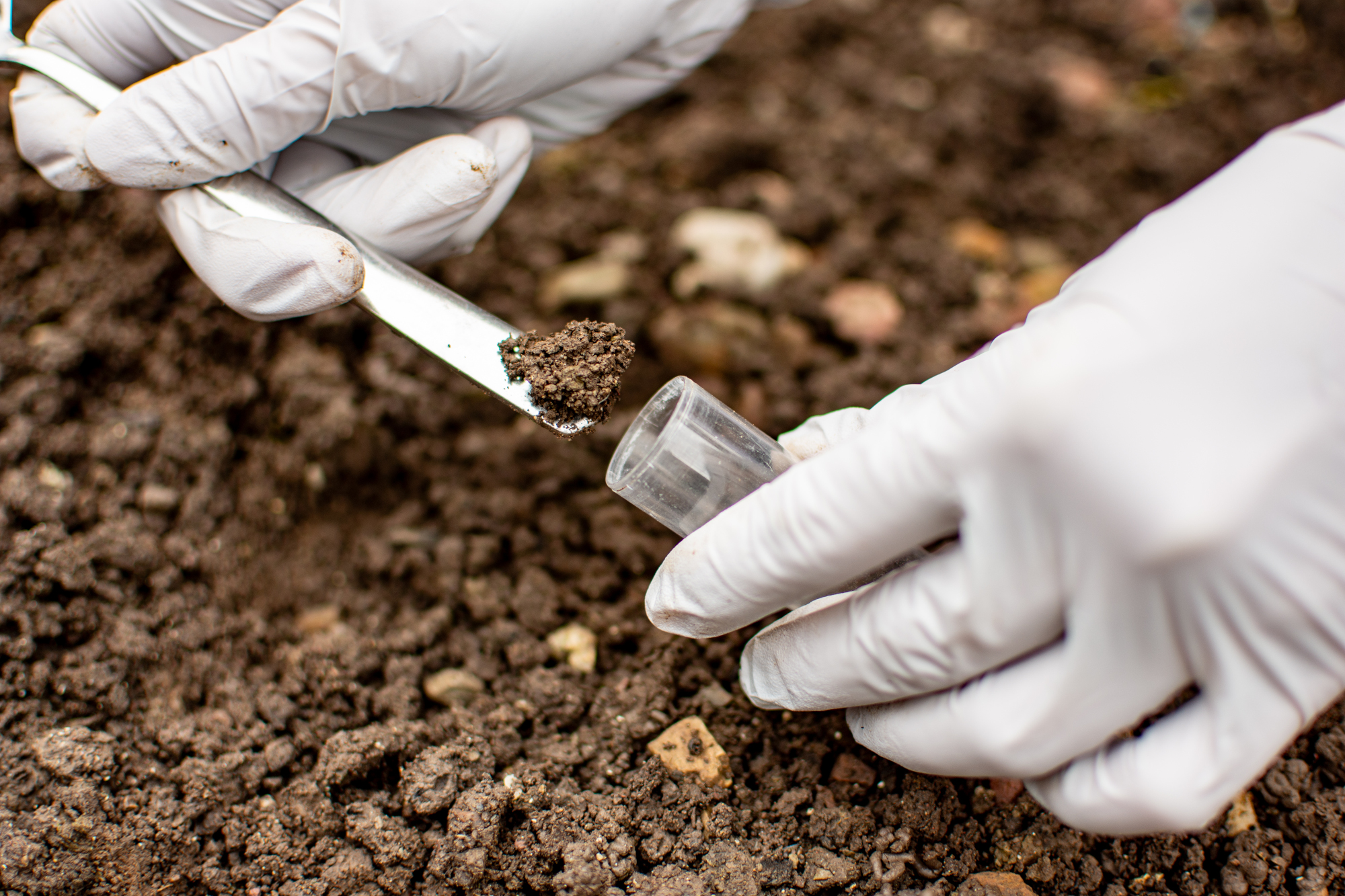
Understanding how soil organisms interact—both with one another and with their surrounding environment—is fundamental to explaining the processes that underpin soil function, soil health, and the ecosystem services soils provide. We invite submissions for a collection of articles focused on functional soil ecology, examining the roles, processes, and mechanisms through which soil organisms—including microbes, fauna, and plants—shape their environments. Gaining deeper insight into these interactions enables researchers to identify meaningful indicators of soil health, improve the management of carbon and nutrient cycling in agricultural systems, and strengthen the resilience of soils in the face of environmental change.
We welcome contributions across a broad range of topics, including microbial and faunal functional traits, biogeochemical processes, soil–plant interactions, ecosystem services, methodological developments, and applications that support sustainable land management. This collection aims to bring together diverse perspectives within the field and to support the development of ecological solutions for a rapidly changing world. Submissions are invited until 28 January 2027.
Why is this collection important?
Understanding how soil organisms interact with one another and with their surrounding environment is fundamental to explaining the processes that underpin soil function, soil health, and the ecosystem services soils provide. This Collection is important because it brings together research on functional soil ecology that examines the roles, processes, and mechanisms through which soil organisms—including microbes, fauna, and plants—shape their environments. By gaining deeper insight into these interactions, the Collection supports efforts to identify meaningful indicators of soil health, improve the management of carbon and nutrient cycling in agricultural systems, and strengthen the resilience of soils in the face of environmental change. Bringing together diverse perspectives within the field will help support the development of ecological solutions for a rapidly changing world.
This Collection supports and amplifies research related to the United Nations Sustainable Development Goals by improving understanding of carbon and nutrient cycling in agricultural systems and soil–plant interactions relevant to SDG 2 (Zero Hunger), by addressing soil function, soil health, and the resilience of soils in the face of environmental change in line with SDG 13 (Climate Action), and by advancing knowledge of ecosystem services, biogeochemical processes, and applications that support sustainable land management, contributing to SDG 15 (Life on Land).
Why submit to a collection?
Collections like this one help attract and promote high-quality science. They are led by internal In-House Editors and supported by a dedicated team of Commissioning Editors and Managing Editors at Springer Nature. Collection manuscripts typically see higher citations, downloads, and Altmetric scores, and provide a one-stop-shop on a cutting-edge topic of interest.
Who is involved?
Nature Communications is edited by in-house professional editors.
Communications Biology is edited by both in-house professional editors and Editorial Board Members.
Communications Earth & Environment is edited by both in-house professional editors and Editorial Board Members.
Communications Sustainability is edited by both in-house professional editors and Editorial Board Members.
npj Soil Ecology is edited by a team of external academic editors.
npj Biodiversity is edited by a team of external academic editors.
Our editors work closely together to ensure the quality of our published papers and consistency in author experience.
How can I submit my paper?
Visit the Collection page to find out more about this collection and submit your article.

Follow the Topic
-
Communications Biology
An open access journal from Nature Portfolio publishing high-quality research, reviews and commentary in all areas of the biological sciences, representing significant advances and bringing new biological insight to a specialized area of research.
-
Nature Communications
An open access, multidisciplinary journal dedicated to publishing high-quality research in all areas of the biological, health, physical, chemical and Earth sciences.
-
npj Biodiversity
-
Communications Earth & Environment
An open access journal from Nature Portfolio that publishes high-quality research, reviews and commentary in the Earth, environmental and planetary sciences.
-
Communications Sustainability
An open-access journal publishing high-quality, editorially selected and peer-reviewed advances in all sustainability-related areas of science, including the natural and social sciences as well as engineering.




Related Collections
With Collections, you can get published faster and increase your visibility.
Climate adaptation and resilience in urban and rural communities
Publishing Model: Open Access
Deadline: Jun 30, 2026
Climate adaptation and resilience in urban and rural communities
Publishing Model: Open Access
Deadline: Jun 30, 2026





Please sign in or register for FREE
If you are a registered user on Research Communities by Springer Nature, please sign in