Call for papers: Muscle biology
Published in Cell & Molecular Biology and Anatomy & Physiology





What is this collection about?
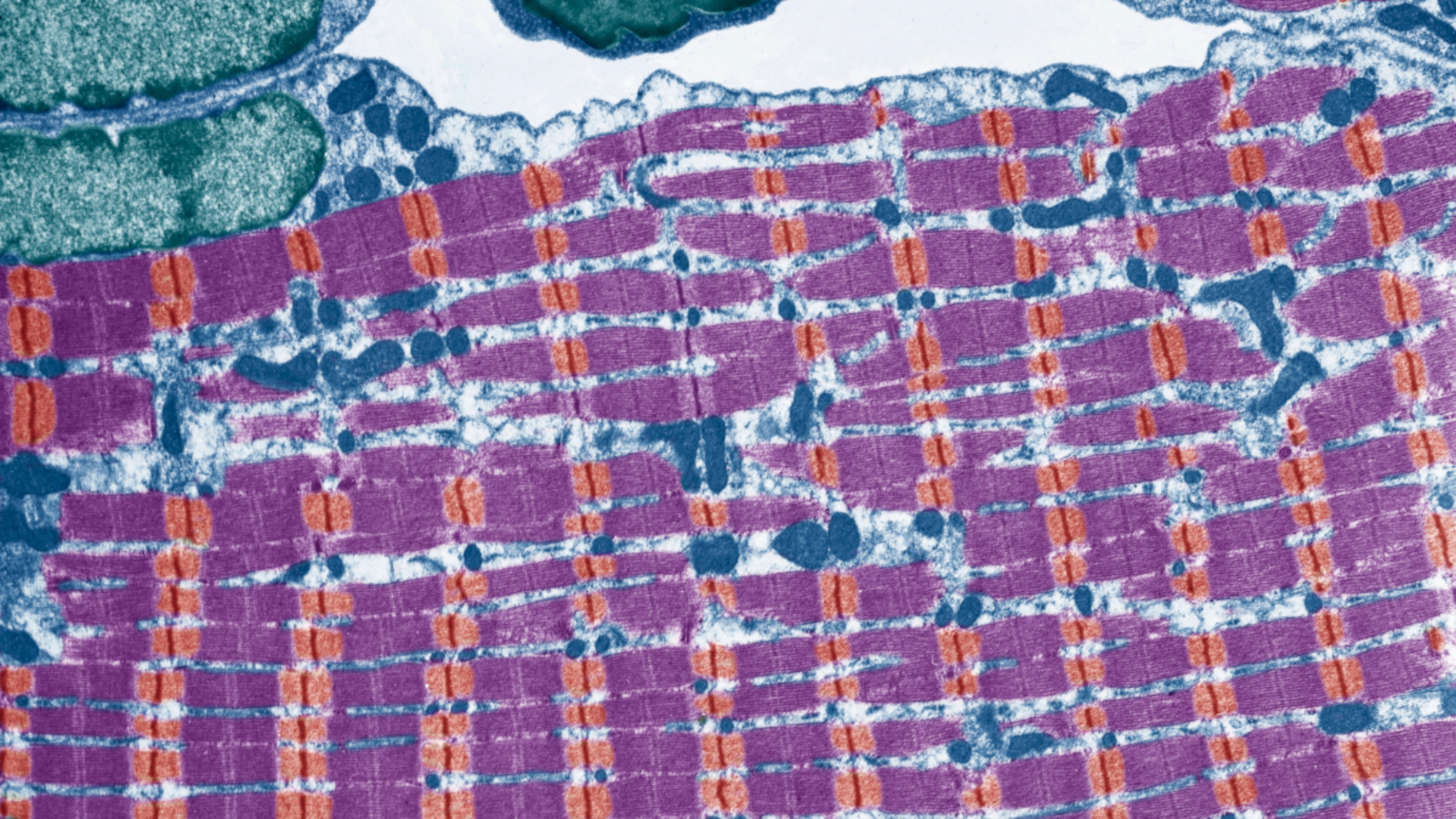
Muscles exhibit a remarkable capacity to adapt to changing environments and play a vital role in a wide array of physiological functions, including locomotion, respiration, blood circulation, digestion, and regulation of whole-body metabolism. Ongoing research is uncovering how muscles coordinate with other tissues at both molecular and cellular levels, advancing our understanding of muscle physiology and inspiring therapeutic interventions and bioengineering approaches.
In this collection, the editors of Nature Metabolism, Communications Biology, Nature Communications, and Scientific Reports aim to highlight cutting-edge research in muscle biology. We welcome original Articles spanning a broad spectrum of molecular, cellular, and developmental topics, such as actomyosin contractility, myogenesis, muscle metabolism, skeletal muscle regeneration and response to exercise, as well as muscle wasting in the context of ageing and cachexia. We particularly encourage submissions in emerging interdisciplinary areas, including neuromuscular physiology and muscle immunology.
Why is this collection important?
This is a cross-journal collection between Nature Metabolism, Communications Biology, Nature Communications, and Scientific Reports. Authors are welcome to submit to any of the participating journals. All manuscripts published in the collection are hosted on a dedicated nature portfolio portal, giving articles high visibility beyond the journal they are published in.
Why submit to a collection?
Collections like this one help promote high-quality science. They are led by In-House Editors who are experts in their fields and supported by a dedicated team of Commissioning Editors and Managing Editors at Springer Nature. Collection manuscripts typically see higher citations, downloads, and Altmetric scores, and provide a one-stop-shop on a cutting-edge topic of interest.
Who is involved?
Communications Biology is edited by both in-house professional editors and Editorial Board Members.
Nature Communications is edited by in-house professional editors.
Nature Metabolism is edited by in-house professional editors.
Scientific Reports is managed by in-house professional editors and edited by Editorial Board Members.
Our editors work closely together to ensure the quality of our published papers and consistency in author experience.
How can I submit my paper?
Follow the Topic
-
Communications Biology
An open access journal from Nature Portfolio publishing high-quality research, reviews and commentary in all areas of the biological sciences, representing significant advances and bringing new biological insight to a specialized area of research.
-
Nature Communications
An open access, multidisciplinary journal dedicated to publishing high-quality research in all areas of the biological, health, physical, chemical and Earth sciences.
-
Nature Metabolism
This journal publishes work from across all fields of metabolism research that significantly advances our understanding of metabolic and homeostatic processes in a cellular or broader physiological context, from fundamental cell biology to basic biomedical and translational research.
-
Scientific Reports
An open access journal publishing original research from across all areas of the natural sciences, psychology, medicine and engineering.




Related Collections
With Collections, you can get published faster and increase your visibility.
Phytochemicals and health
Publishing Model: Open Access
Deadline: Oct 28, 2026
Women's Health
Publishing Model: Hybrid
Deadline: Ongoing