Call for papers: Plastids: from Phylogeny to Physiology
Published in Ecology & Evolution, Cell & Molecular Biology, and Plant Science
What is this collection about?
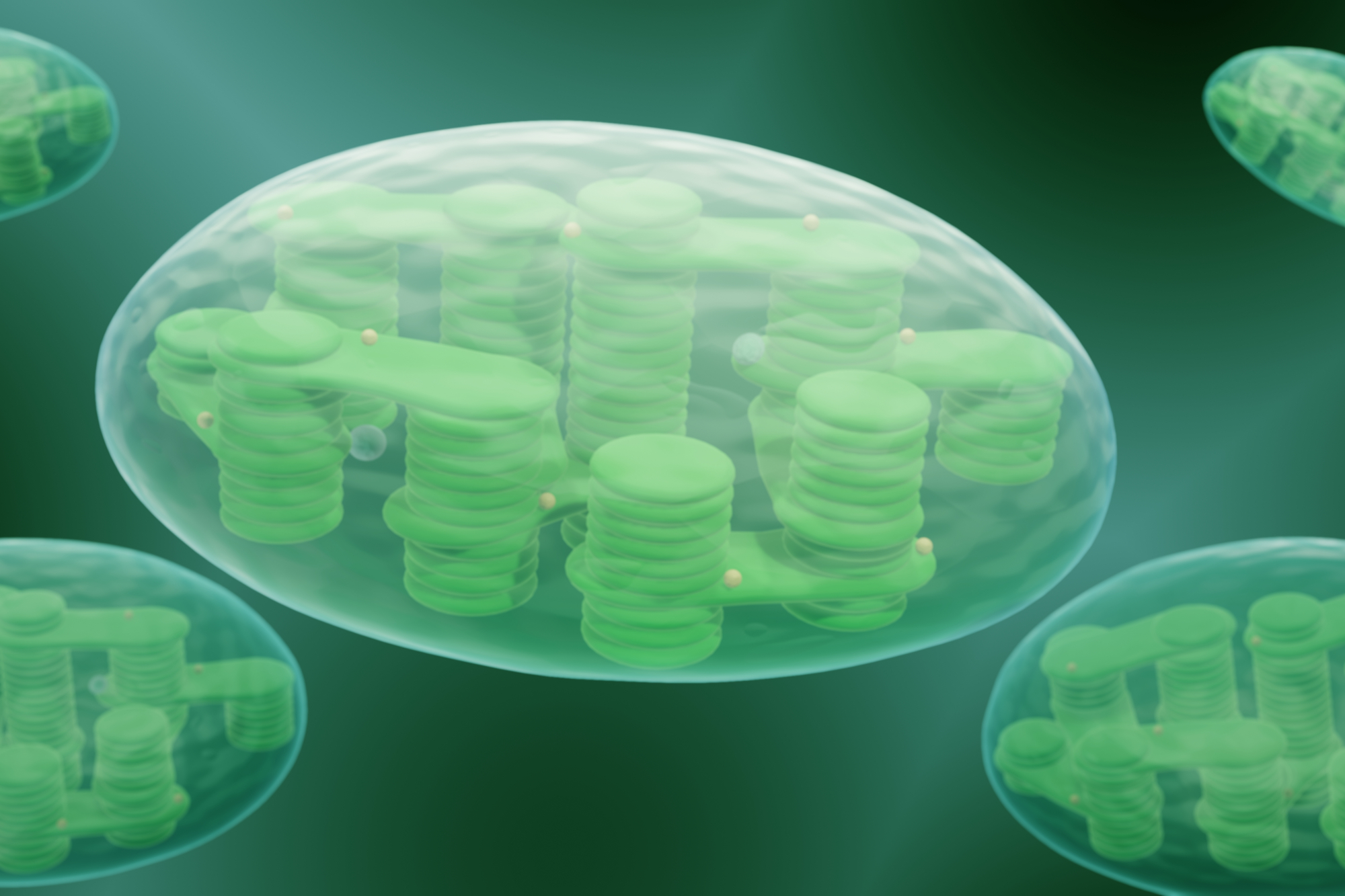
Plastids are dynamic organelles that have been shaped by endosymbiosis, genomic reduction, metabolic rewiring and host control throughout evolution. This cross-journal Collection from Communications Biology, Nature Communications, Nature Plants and Scientific Reports seeks research that investigates plastid biology and the principles underlying plastid origin, integration and diversification across diverse eukaryotic lineages. The Collection welcomes studies spanning multicellular plants and unicellular protists, as well as photosynthetic and non-photosynthetic plastids, with the aim of fostering cross-disciplinary dialogue on organelle evolution, cellular plasticity and host-endosymbiont coevolution.
Why is this collection important?
Plastids are central to the evolution and functioning of many eukaryotic organisms, yet their diversity and evolutionary history extend far beyond traditional plant biology. By bringing together studies from multiple disciplines and model systems, this Collection will help advance our understanding of organelle evolution, metabolic innovation and host-symbiont relationships. The cross-journal format provides a unique opportunity to connect researchers working across different branches of plastid research and highlight emerging discoveries across the field.
Why submit to a collection?
Collections like this one help attract and promote high-quality science. They are led by internal In-House Editors and external Guest Editors, and supported by a dedicated team of Commissioning Editors and Managing Editors at Springer Nature. Collection manuscripts typically see higher citations, downloads, and Altmetric scores, and provide a one-stop-shop on a cutting-edge topic of interest.
Who is involved?
Communications Biology is edited by both in-house professional editors and Editorial Board Members.
Guest Editors for Communications Biology
Nishith Gupta, PhD, Birla Institute of Technology and Science, Hyderabad, India
Nishith Gupta graduated with an MSc degree in Biotechnology from Banaras Hindu University (India) and earned his PhD and Habilitation in Biochemistry from University of Leipzig and Humboldt University of Berlin (Germany), respectively. He is currently working as a Professor & Wellcome-Trust Senior fellow at the Department of Biological Sciences, BITS Pilani, Campus Hyderabad in India. His research interest includes understanding network design principles and molecular evolution of intracellular parasitism, pathogen-host interaction and determinants of infection. One of the focus areas in this context of this collection is studying metabolic integration of the apicoplast (a non-photosynthetic chloroplast relict) in apicomplexan parasites. His group deploys a wide range of molecular methods including optogenetics, multi-omics, AI-ML and systems biology.
Xiaoling Xu, PhD, Hangzhou Normal University, Hangzhou, China
Xiaoling Xu is an Editorial Board Member in the Plant Biology section of Communications Biology. She is also a professor at the College of Life and Environmental Sciences & School of Basic Medical Sciences, Hangzhou Normal University. She received her Ph.D. in biophysics from Tsinghua University in 2008 and then pursued postdoctoral research at The Scripps Research Institute (La Jolla) from 2009 to 2013, focusing on the noncanonical functions of aminoacyl-tRNA synthetase in angiogenesis. She then started her own research group at Hangzhou Normal University as a Principal Investigator. Her current research focuses on the energy metabolisms of photosynthetic organisms, including but not limited to the structural and mechanistic characterizations of the electron transport chains, photosynthetic and oxidative phosphorylation, and carbon fixation pathways of early branch of photosynthetic organisms.
Nature Communications is edited by in-house professional editors.
Nature Plants is edited by in-house professional editors.
Scientific Reports is managed by in-house professional editors and edited by Editorial Board Members.
Our editors work closely together to ensure the quality of our published papers and consistency in author experience.
How can I submit my paper?
Visit the Collection page to find out more about this collection and submit your article.

Follow the Topic
-
Communications Biology
An open access journal from Nature Portfolio publishing high-quality research, reviews and commentary in all areas of the biological sciences, representing significant advances and bringing new biological insight to a specialized area of research.
-
Nature Communications
An open access, multidisciplinary journal dedicated to publishing high-quality research in all areas of the biological, health, physical, chemical and Earth sciences.
-
Scientific Reports
An open access journal publishing original research from across all areas of the natural sciences, psychology, medicine and engineering.
-
Nature Plants
An online-only, monthly journal publishing the best research on plants — from their evolution, development, metabolism and environmental interactions to their societal significance.




Related Collections
With Collections, you can get published faster and increase your visibility.
Phytochemicals and health
Publishing Model: Open Access
Deadline: Oct 28, 2026
Women's Health
Publishing Model: Hybrid
Deadline: Ongoing