Call for papers: Plastisphere: plastic-microbial interactions in the environment
Published in Earth & Environment and Ecology & Evolution

What is this collection about?
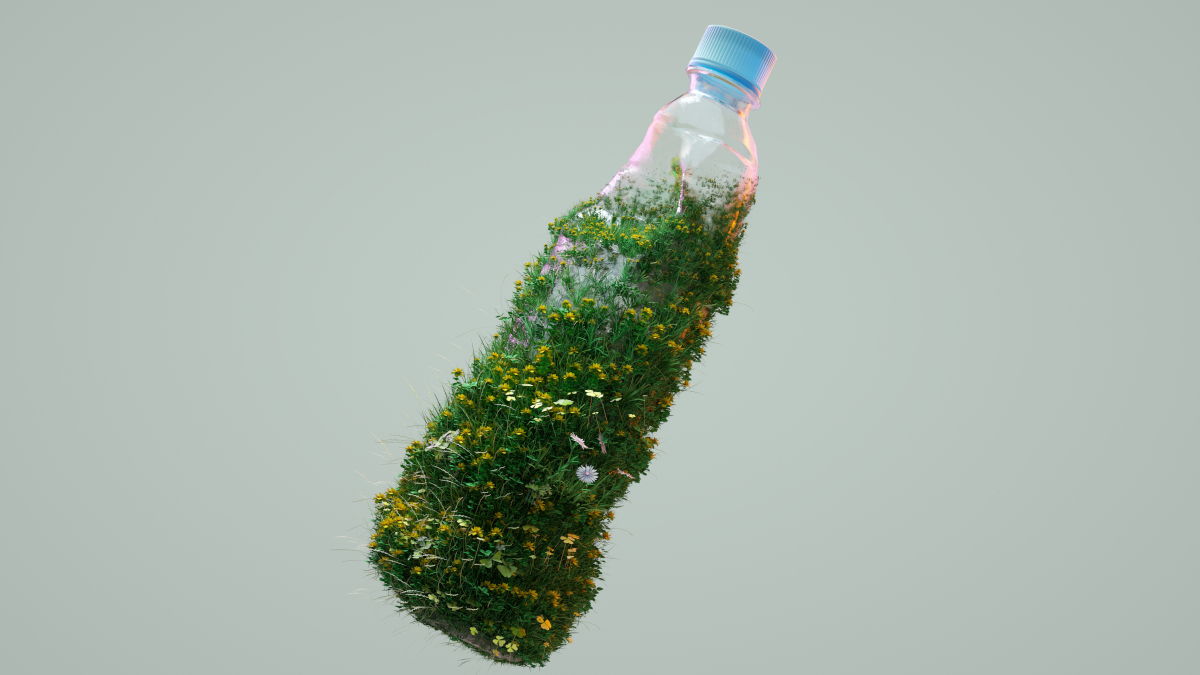
The pervasive presence of plastics in diverse ecosystems has led to the emergence of a unique ecological niche termed the ‘Plastisphere’, defined by complex interactions between plastic debris and microorganisms. As plastic pollution continues to escalate, understanding the dynamics of plastic–microbe interactions has become paramount. In this cross-journal Collection, we highlight articles that present advances in understanding multifaceted relationships within the plastisphere. The articles explore aspects such as biofilm formation on plastic surfaces and the subsequent microbial-mediated transformations that impact soil, freshwater, and marine environments. The collection covers, but is not limited to, how microorganisms, by colonizing plastics, may influence ecosystems, nutrient cycling and biodegradation processes.
To complement the articles in the collection, Nature Water, Nature Communications, Communications Earth & Environment, Communications Sustainability, Communications Biology, and npj Emerging Contaminants invite submissions of original Research Articles, Reviews, and Perspectives. Scientific Reports will consider original Research Articles.
Why is this collection important?
This is a cross-journal collection between Nature Water, Nature Communications, Communications Earth & Environment, Communications Sustainability, Communications Biology, npj Emerging Contaminants, and Scientific Reports. Authors are welcome to submit to any of the participating journals. All manuscripts published in the collection are hosted on a dedicated nature portfolio portal, giving articles high visibility beyond the journal they are published in.
Why submit to a collection?
Collections like this one help promote high-quality science. They are led by In-House Editors who are experts in their fields and supported by a dedicated team of Commissioning Editors and Managing Editors at Springer Nature. Collection manuscripts typically see higher citations, downloads, and Altmetric scores, and provide a one-stop-shop on a cutting-edge topic of interest.
Who is involved?
Communications Earth & Environment is edited by both in-house professional editors and Editorial Board Members.
Communications Sustainability is edited by both in-house professional editors and Editorial Board Members.
Communications Biology is edited by both in-house professional editors and Editorial Board Members.
Nature Communications is edited by in-house professional editors.
Nature Water is edited by in-house professional editors.
npj Emerging Contaminants is edited by a team of external academic editors.
Scientific Reports is managed by in-house professional editors and edited by Editorial Board Members.
Our editors work closely together to ensure the quality of our published papers and consistency in author experience.
How can I submit my paper?
Follow the Topic
-
Communications Biology
An open access journal from Nature Portfolio publishing high-quality research, reviews and commentary in all areas of the biological sciences, representing significant advances and bringing new biological insight to a specialized area of research.
-
Nature Communications
An open access, multidisciplinary journal dedicated to publishing high-quality research in all areas of the biological, health, physical, chemical and Earth sciences.
-
Scientific Reports
An open access journal publishing original research from across all areas of the natural sciences, psychology, medicine and engineering.
-
Communications Earth & Environment
An open access journal from Nature Portfolio that publishes high-quality research, reviews and commentary in the Earth, environmental and planetary sciences.
-
Nature Water
This journal publishes research on the evolving relationship between society and water resources on a monthly basis. It covers the natural sciences, engineering, and social sciences, with a particular interest in regards to interdisciplinary research.
-
Communications Sustainability
An open-access journal publishing high-quality, editorially selected and peer-reviewed advances in all sustainability-related areas of science, including the natural and social sciences as well as engineering.






Related Collections
With Collections, you can get published faster and increase your visibility.
Phytochemicals and health
Publishing Model: Open Access
Deadline: Oct 28, 2026
Soil microbiomes and carbon sequestration under global change
Publishing Model: Hybrid
Deadline: Mar 18, 2027


Please sign in or register for FREE
If you are a registered user on Research Communities by Springer Nature, please sign in