Call for papers: The Mobile Genome
Published in Cell & Molecular Biology and Genetics & Genomics
What is this collection about?
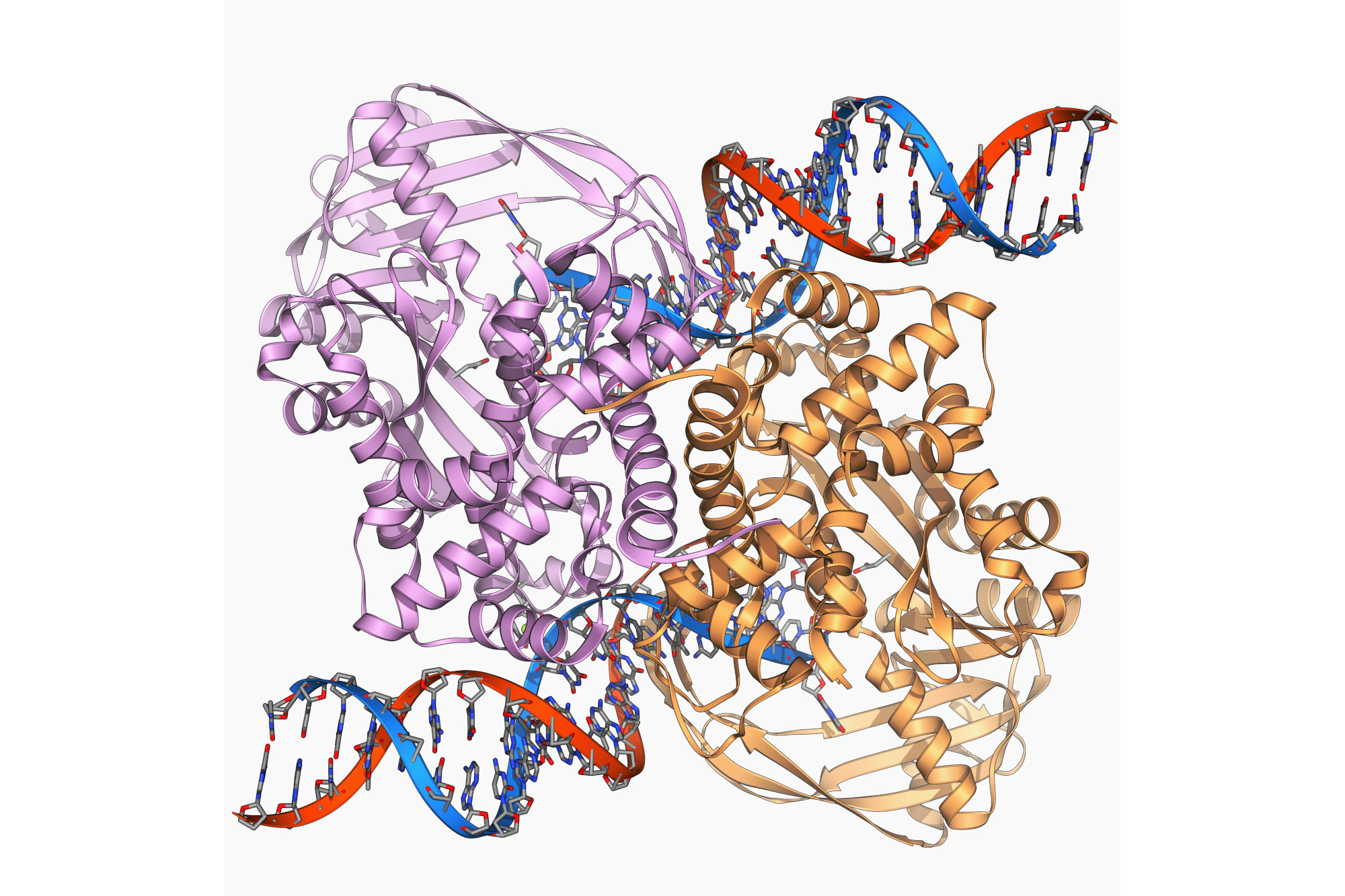
Transposable elements are major drivers of genome dynamics, influencing genome structure, function and regulation. In this cross-journal Collection, the editors at Nature Communications, Communications Biology and Scientific Reports welcome original research that advances understanding of transposition mechanisms and their regulation, as well as studies exploring how transposons shape genome architecture and contribute to health and disease. The Collection is open for submissions from all authors whose work falls within the scope of the participating journals.
Why is this collection important?
Transposable elements play fundamental roles in genome evolution, gene regulation and biological diversity, yet many aspects of their behavior and impact remain to be understood. This Collection provides a dedicated venue for research spanning molecular mechanisms, genome biology and disease relevance, bringing together insights from multiple disciplines. As a cross-journal initiative, it offers an opportunity to showcase emerging discoveries that deepen our understanding of mobile genetic elements and their influence across a wide range of organisms and biological contexts.
Why submit to a collection?
Collections like this one help attract and promote high-quality science. They are led by internal In-House Editors and supported by a dedicated team of Commissioning Editors and Managing Editors at Springer Nature. Collection manuscripts typically see higher citations, downloads, and Altmetric scores, and provide a one-stop-shop on a cutting-edge topic of interest.
Who is involved?
Nature Communications is edited by in-house professional editors.
Communications Biology is edited by by both in-house professional editors and Editorial Board Members.
Scientific Reports is managed by in-house professional editors and edited by Editorial Board Members.
Our editors work closely together to ensure the quality of our published papers and consistency in author experience.
How can I submit my paper?
Visit the Collection page to find out more about this collection and submit your article.

Follow the Topic
-
Communications Biology
An open access journal from Nature Portfolio publishing high-quality research, reviews and commentary in all areas of the biological sciences, representing significant advances and bringing new biological insight to a specialized area of research.
-
Nature Communications
An open access, multidisciplinary journal dedicated to publishing high-quality research in all areas of the biological, health, physical, chemical and Earth sciences.
-
Scientific Reports
An open access journal publishing original research from across all areas of the natural sciences, psychology, medicine and engineering.



Related Collections
With Collections, you can get published faster and increase your visibility.
Phytochemicals and health
Publishing Model: Open Access
Deadline: Oct 28, 2026
Women's Health
Publishing Model: Hybrid
Deadline: Ongoing