Ecological response of carabid beetles (Coleoptera: Carabidae) to contrasting agroecosystem management
Published in Ecology & Evolution, Agricultural & Food Science, and Zoology & Veterinary Science



We looked at carabid beetles, which are ground-dwelling arthropods that are common on farms and in grasslands and are very important for the health of ecosystems. These beetles eat crop pests and weed seeds, and they react swiftly to changes in their environment. This makes them great indicators of how healthy an ecosystem is.
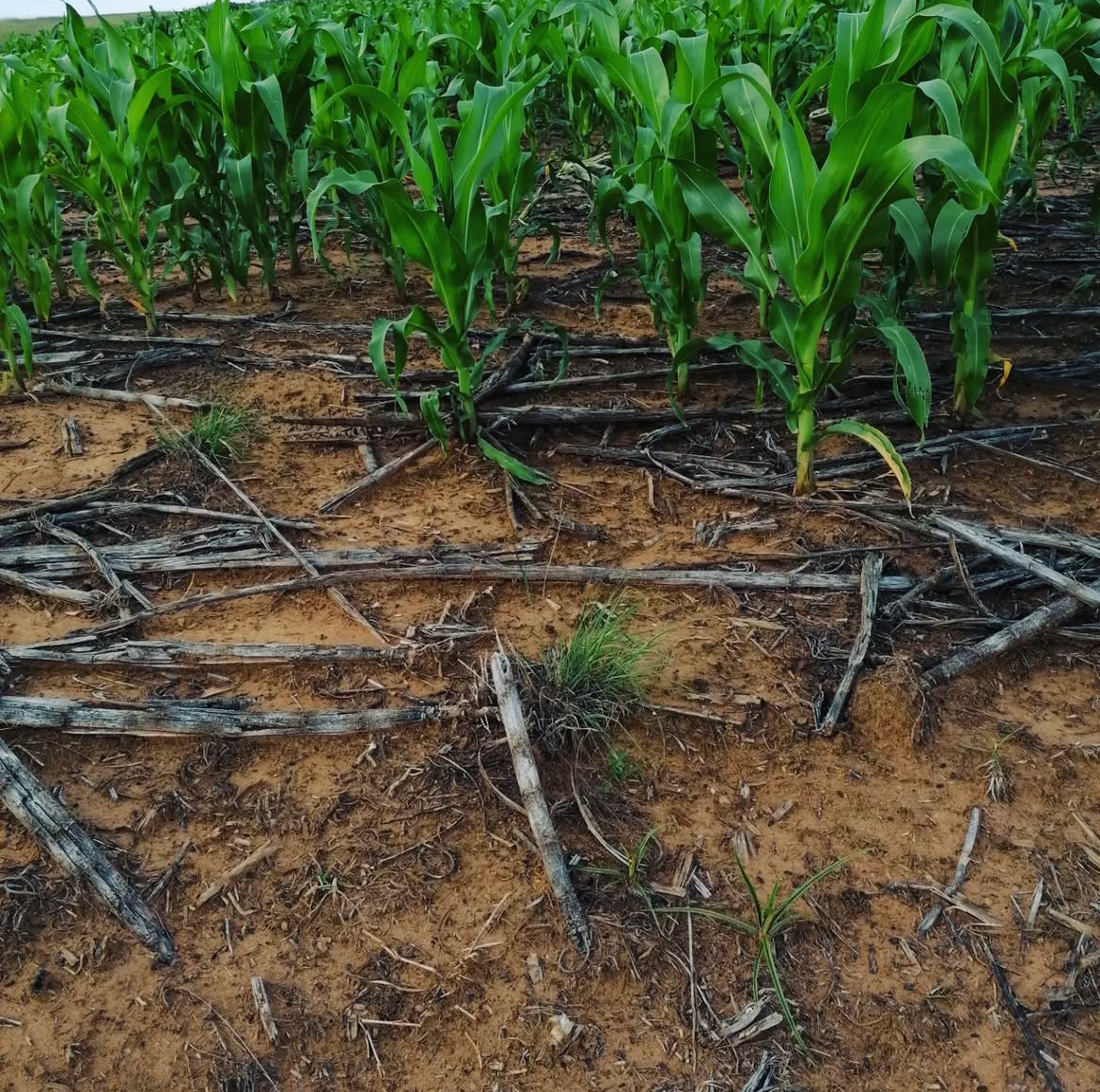
In South Africa, like in many parts of the world, farmers are transitioning from conventional, industrial farming to more sustainable practices, such as Conservation Agriculture (CA). This approach involves minimal soil disturbance, using cover crops or mulch, rotating crops, and preserving grass strips and beetle banks. These practices benefit the soil and promote plant and animal coexistence.
But here is the challenge: we don’t know enough about how these practices affect insect biodiversity
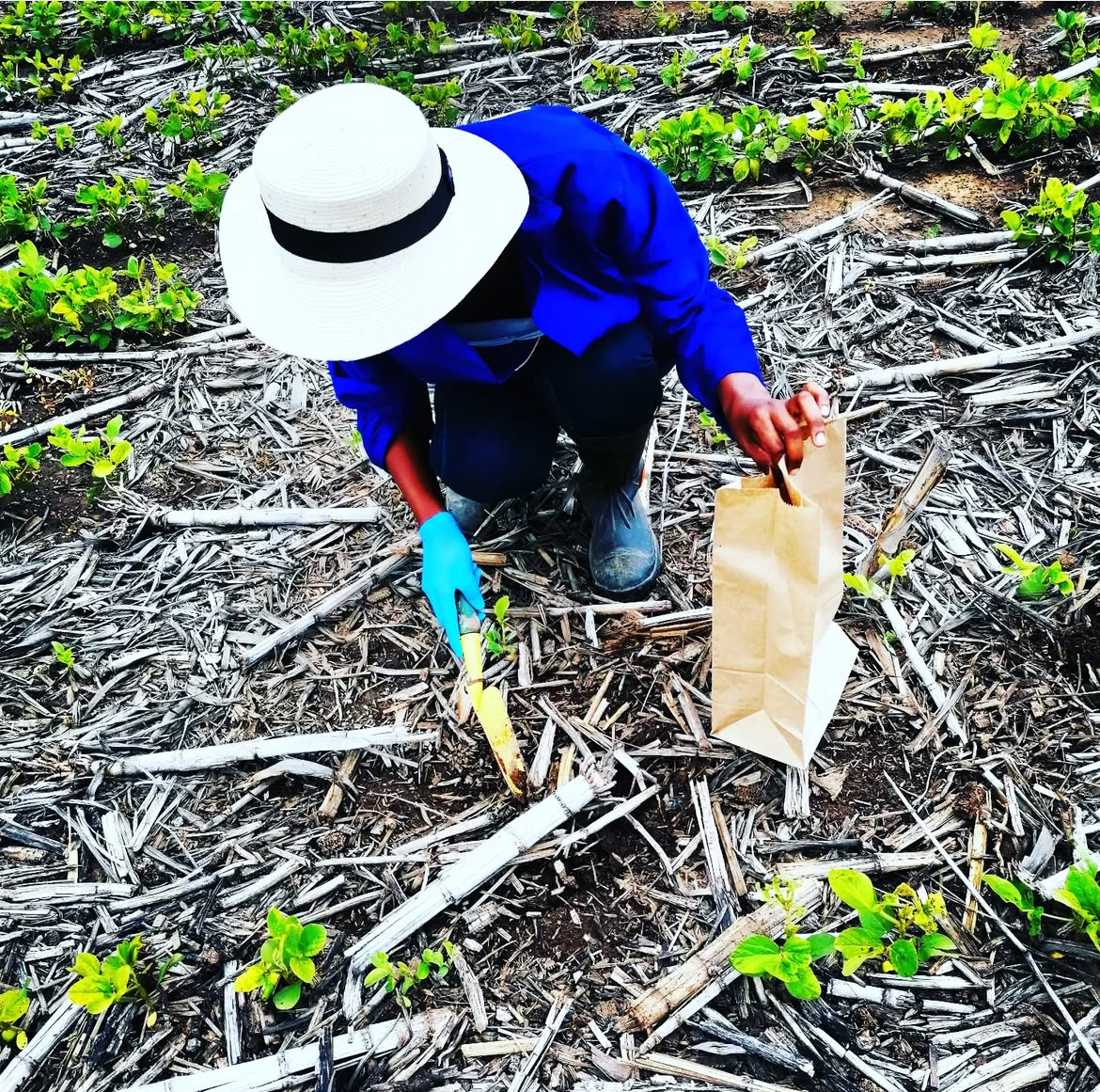
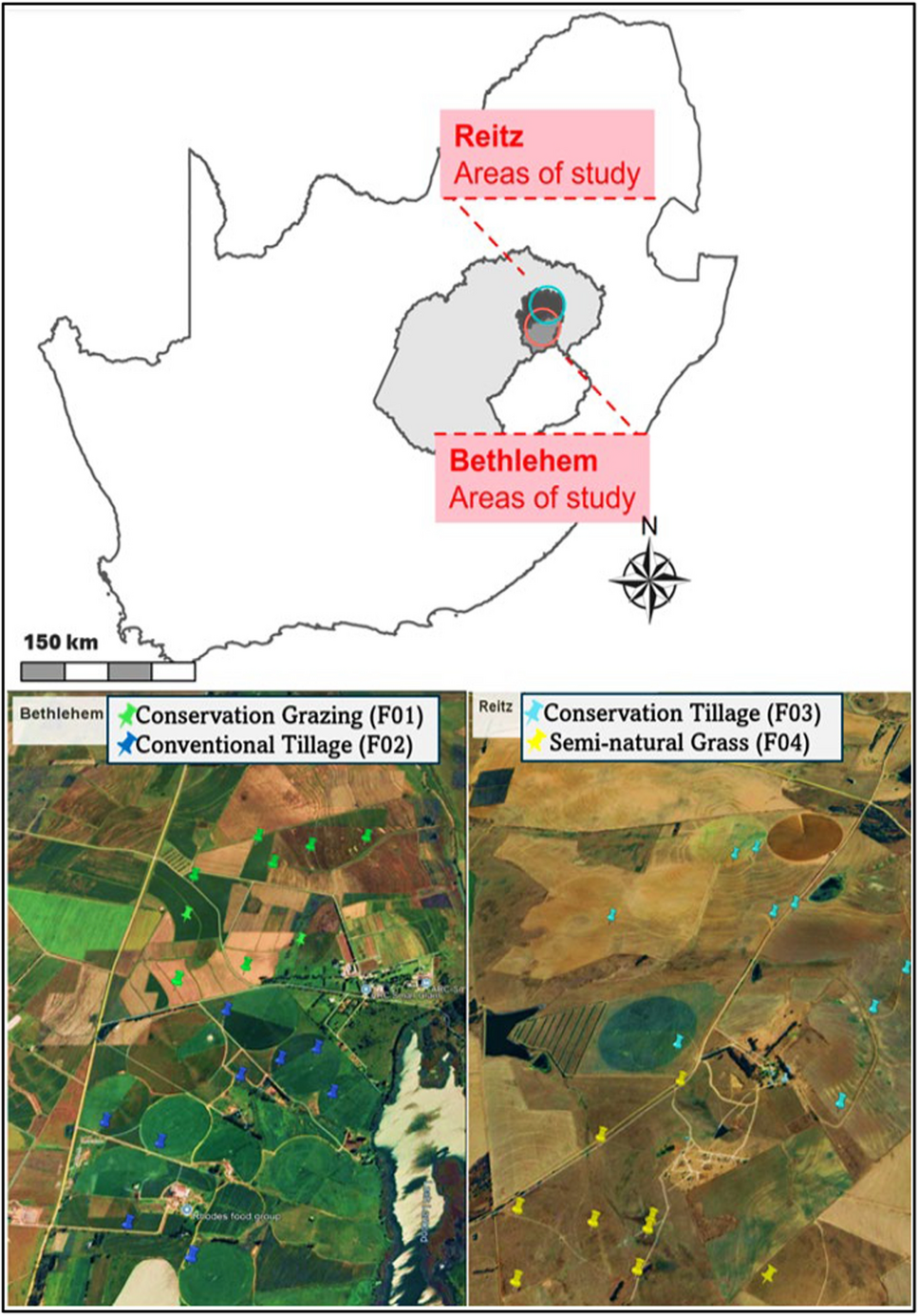
This is where carabid beetles come into play. We conducted fieldwork on farms using standard insect monitoring methods, such as pitfall traps and manual searches, with the goal of documenting which beetle species were present and how their presence or absence reflects the condition of the farm practices. Different carabid species respond uniquely to agricultural practices. Some are highly mobile (macropterous) and can escape disturbed areas, while others are flightless and more sensitive to changes. Beetle diversity, particularly among large, flightless species that prefer stable, vegetated environments, often declines on farms with heavy pesticide use, deep tillage, or frequent burning.
Conversely, farms adopting conservation agriculture (CA) practices like reduced tillage, cover cropping, and maintaining grass buffer strips tend to support a broader range of carabids. These environments offer food, shelter, and overwintering sites, allowing beetles to thrive and continue their roles in pest control and ecosystem balance.
What does this imply?
Insect diversity contributes to farm health, even if the benefits are not immediately visible in increased yields. Protecting these communities takes time. By monitoring beetle numbers and species, farmers can evaluate the effectiveness of their practices and identify areas for improvement. Ultimately, this study extends beyond beetles, emphasizing the vital role of insects in farming systems and leveraging this understanding to foster a sustainable food future for both people and the planet.