Following an invisible trail: how stranded dolphins revealed the hidden journey of algal toxins
Published in Earth & Environment and Ecology & Evolution

Explore the Research
Just a moment...
Mass strandings are among the greatest mysteries in marine mammal science.
When dozens of dolphins strand along a beach, researchers are often faced with more questions than answers. Disease? Pollution? Fishing interactions? Acoustic disturbance? Or could the explanation be something almost impossible to see?
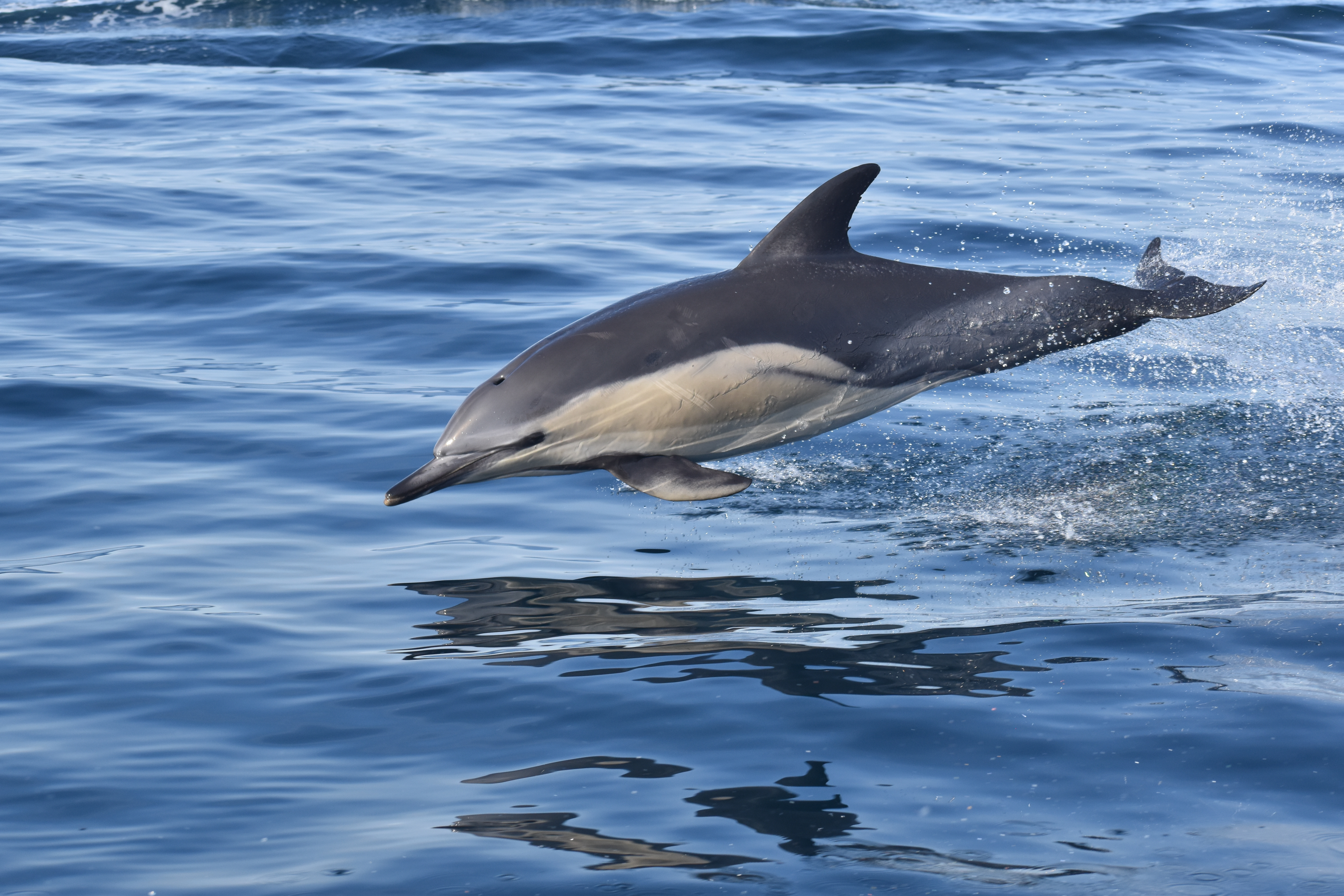
That was the question our team asked after one of the largest recorded strandings of short-beaked common dolphins (Delphinus delphis) in Patagonia.
A mystery begins on a Patagonian beach
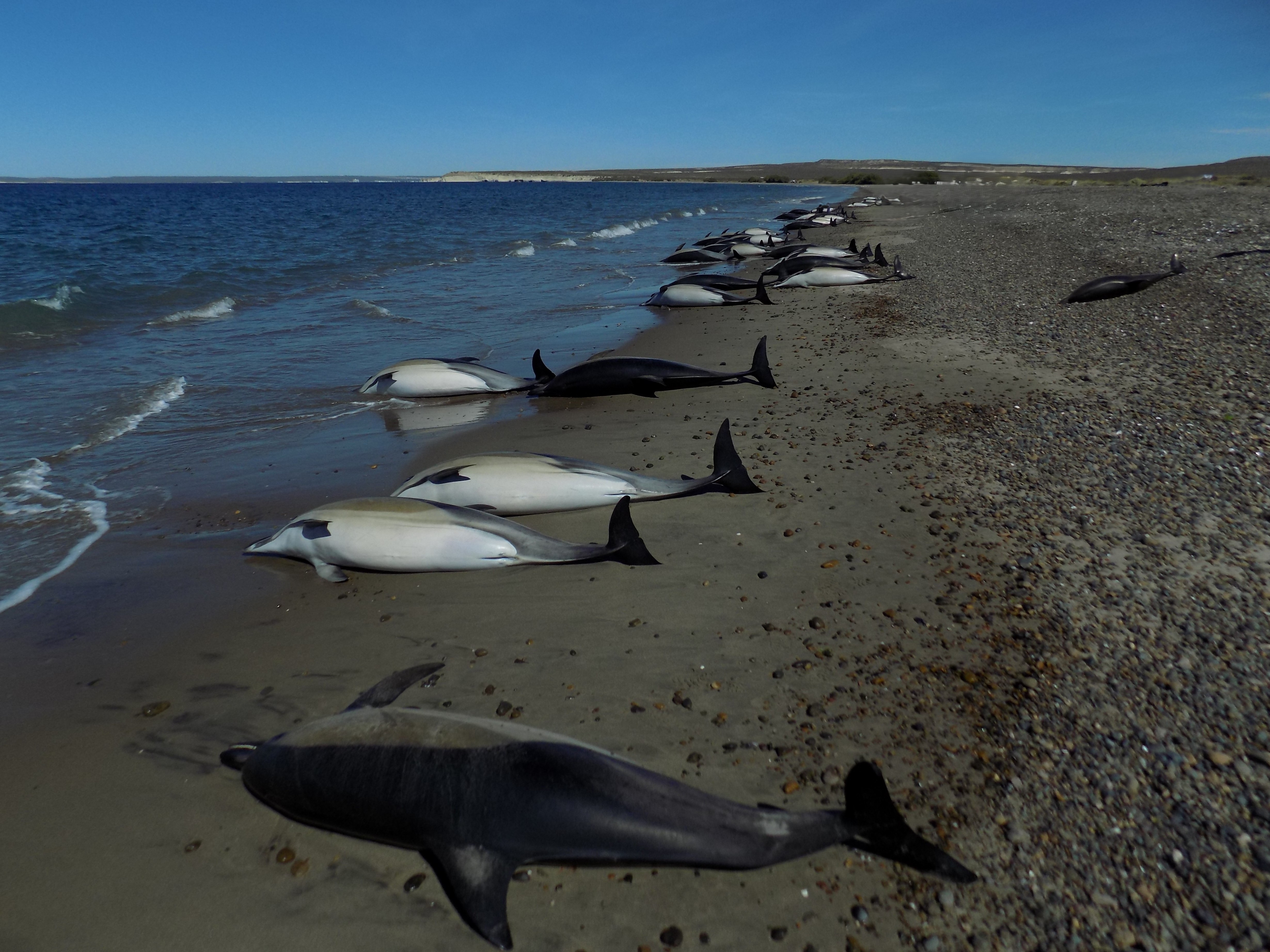
On 25 March 2018, sixty-eight short-beaked common dolphins stranded at Playa El Doradillo, inside Golfo Nuevo, Península Valdés, Argentina. Despite rescue efforts, forty-seven animals died.
What immediately caught our attention was that the dolphins were in good body condition. They showed no obvious external injuries, and subsequent pathological analyses ruled out several infectious diseases that are commonly investigated during marine mammal mortality events.
If disease was not the explanation, what else could we be missing?
That question marked the beginning of an investigation that would eventually lead us to microscopic algae.
Looking for an invisible suspect
Unlike many environmental threats, harmful algal toxins are not visible in the water. The microalgae that produce them are microscopic and may only become noticeable when their blooms reach high abundances and discolor the sea.
These toxins are produced by certain species of phytoplankton and can move through marine food webs, sometimes even after a bloom has declined. Marine mammals may be exposed in different ways: by ingesting toxin-producing microalgae incidentally while feeding, or more commonly through contaminated prey.
Could this have happened in common dolphins?
Answering this question required looking beyond the stranded animals themselves.
Following the food web
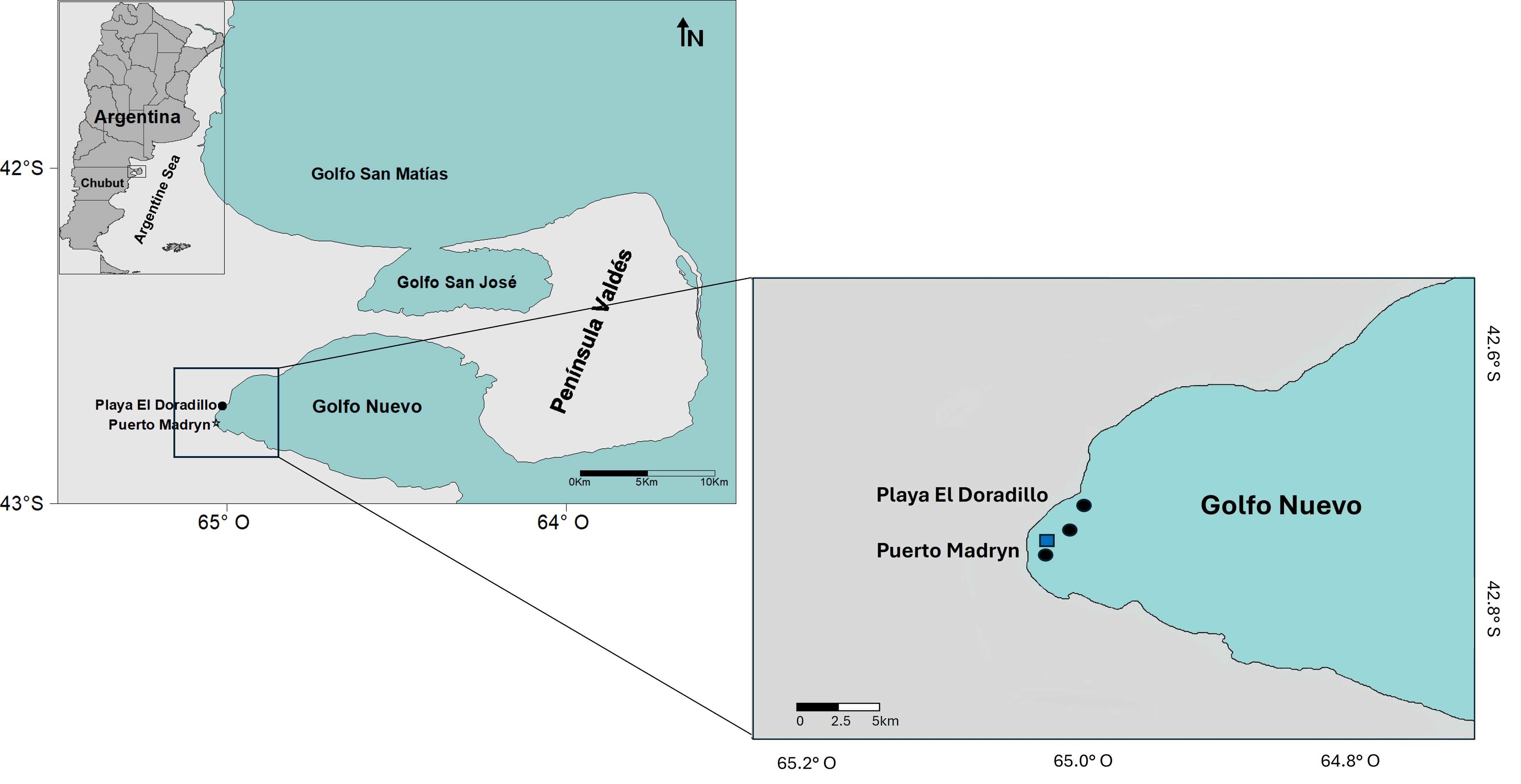
Study area showing the location of the mass stranding of short-beaked common dolphins (Delphinus delphis) at Playa El Doradillo, Golfo Nuevo, Península Valdés, and the sampling sites for phytoplankton and mesozooplankton (black circles) as well as for Engraulis anchoita specimens (blue square).
To reconstruct possible exposure pathways, we sampled several components of the Patagonian coastal ecosystem.
Besides examining tissues from stranded dolphins, we analyzed phytoplankton, mesozooplankton and Argentine anchovies (Engraulis anchoita), one of the principal prey species of common dolphins in this region. Samples were collected shortly after the stranding event to investigate whether paralytic shellfish toxins were present throughout the food web.
Rather than asking simply whether dolphins contained toxins, we wanted to understand how those toxins could have reached them.
Anchovies became an essential clue
Many people associate harmful algal blooms with shellfish.
However, common dolphins do not eat shellfish.
They eat fish.
This seemingly simple fact completely changes the investigation.
Our analyses detected paralytic shellfish toxins in Argentine anchovies, supporting the idea that prey species may act as an important pathway for toxin transfer from plankton to marine mammals.
Following this trophic pathway helped explain how microscopic organisms at the base of the food web could ultimately expose one of Patagonia's top marine predators.
One finding raised new questions
Among all our findings, one stood out.
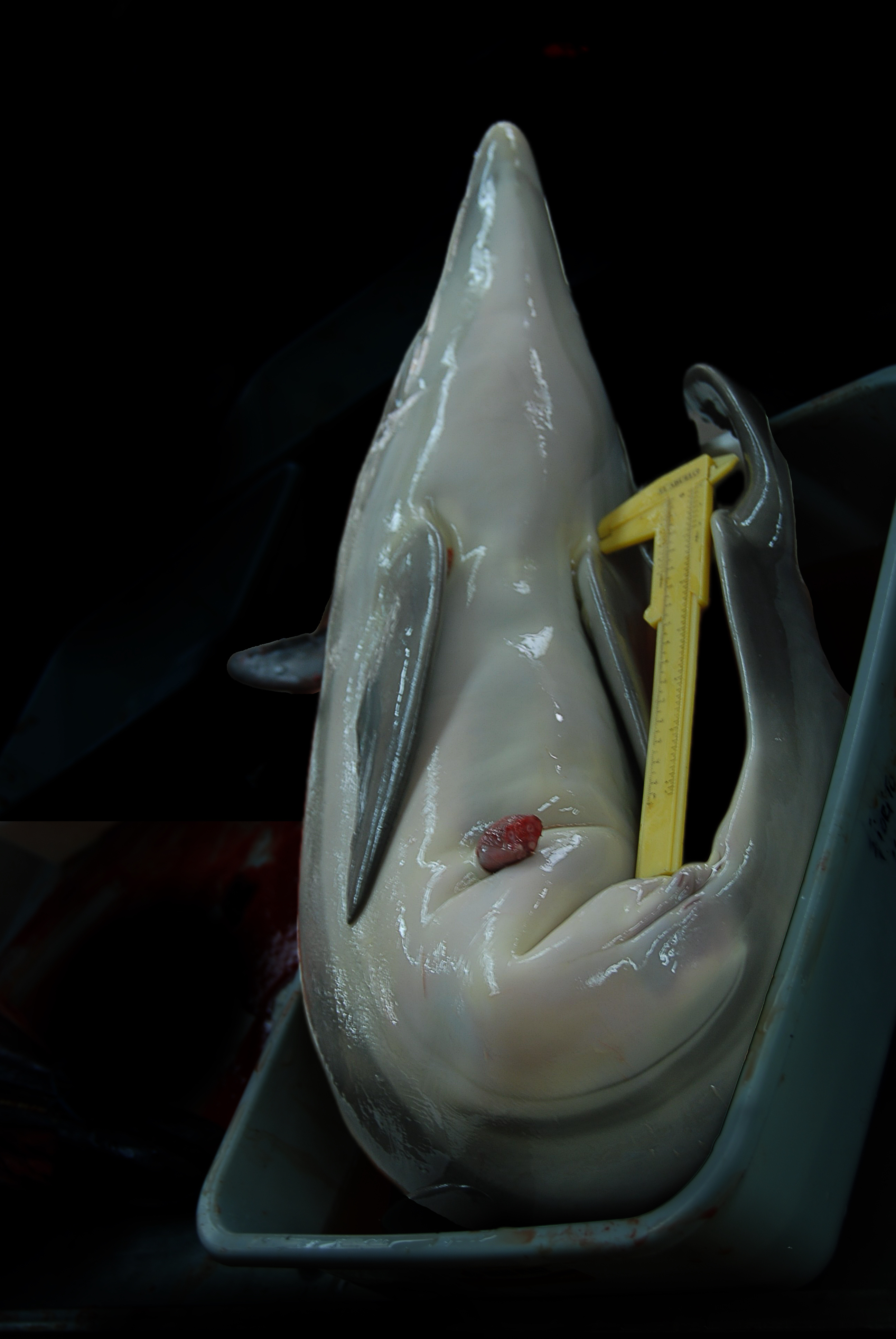
We detected paralytic shellfish toxins in fetal blood, even though the toxin was not detected in the mother's blood at the time of sampling. This observation raises important questions about maternal transfer, toxin dynamics during pregnancy, and fetal exposure in marine mammals.
Rather than providing all the answers, this finding opens an entirely new line of research.
How long do these toxins remain in different tissues?
Can developing offspring experience exposure differently from adults?
These are questions that deserve further investigation.
Looking beyond obvious mortality events
One important aspect of our study is what it does not conclude.
Our results do not demonstrate that harmful algal toxins caused the dolphin stranding.
Instead, they provide the first evidence that short-beaked common dolphins from the Argentine Sea are exposed to paralytic shellfish toxins and identify a plausible trophic pathway linking phytoplankton, prey fish and marine mammals.
This distinction is important.
Marine mammal strandings are complex events, often involving multiple interacting factors. Understanding exposure is one piece of that puzzle.
Read the full paper here:
https://doi.org/10.1111/mms.70204
If you enjoyed this story, you may also like our previous Behind the Paper post exploring how harmful algal toxins reached southern right whales and South American sea lions during the 2022 bloom in Patagonia (Here).