When a toxic bloom reached marine mammals: tracing toxins across the Patagonian food web
Published in Chemistry and Earth & Environment
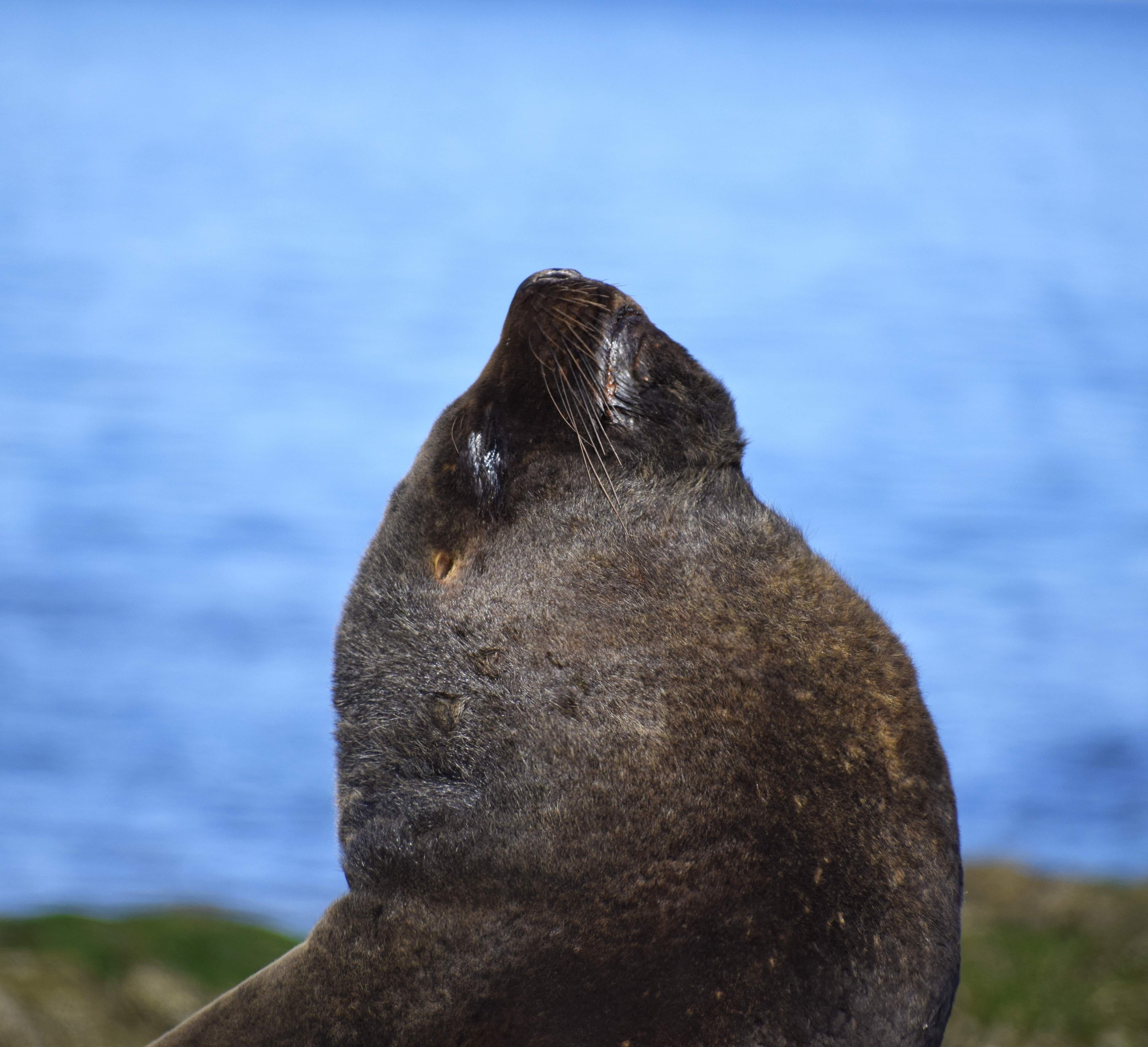

What could connect these events?
Just one day before the first whale was reported dead, on 23 September 2022, we were working with whales in the field. We observed several southern right whales actively feeding at the surface in the same area where the mortality event would soon unfold. The following day, on 24 September, the first dead whale was recorded. That moment marked the beginning of an event that would ultimately result in the death of 30 whales over just a few weeks.
For us, this was not only alarming—it was also an opportunity to understand a process we had been studying for years: the transfer of toxins through marine food webs.
Following the toxins
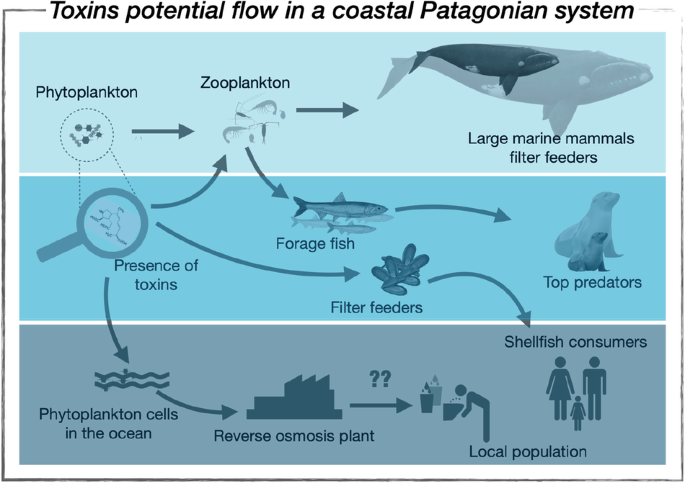
Harmful algal blooms (HABs) are a natural part of marine ecosystems, but some species of phytoplankton produce potent neurotoxins. In this case, the bloom was dominated by Alexandrium, a dinoflagellate capable of producing paralytic shellfish toxins (PSTs), including saxitoxin.
We wanted to understand not only whether these toxins were present, but how they moved through the ecosystem.
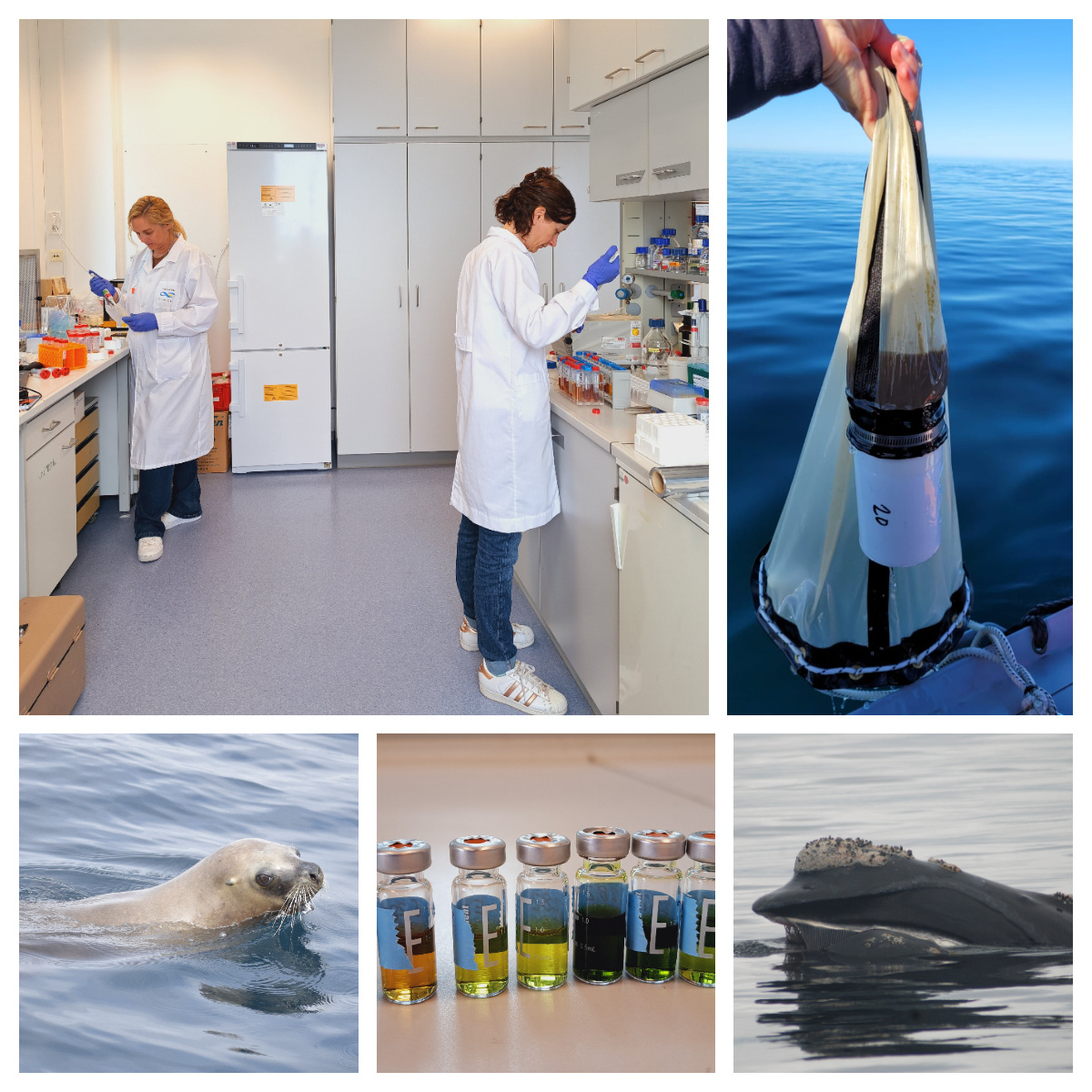
Because toxin exposure in marine mammals is a central focus of our research, we had already been collecting samples in Golfo Nuevo since August 2022, before the mortality event began, and continued sampling until 5 October 2022, extending our observations beyond the peak of the whale mortality event. This gave us a unique opportunity: instead of studying the event retrospectively, we were able to reconstruct it as it unfolded.
We analyzed a wide range of samples spanning the food web—from phytoplankton to mesozooplankton, mussels, and small pelagic fish such as Argentine anchovy (Engraulis anchoita), as well as samples from marine mammals, both live and dead.
What emerged was a clear picture of trophic transfer.
Toxin levels were high in phytoplankton and remained elevated in mesozooplankton, confirming that these organisms were acting as key vectors. From there, toxins were transferred to higher trophic levels, including fish and marine mammals. Notably, the highest toxin levels in mesozooplankton were found in areas where whales were actively feeding on 28 September 2022, during a subsequent feeding event also observed in the field by our team.
Whales, sea lions, and an unexpected connection
One of the most striking findings of our study was the detection of saxitoxin in fecal samples from live southern right whales. To the best of our knowledge, this is the first report of STX in live individuals of this species.
At the same time, we documented a mass mortality event in South American sea lions associated with saxitoxins. Even more unexpectedly, we found evidence of maternal transfer: toxins were detected in fetuses, indicating that exposure was not limited to adult individuals but could also affect developing offspring.
Together, these findings revealed a cascading process: toxins produced by microscopic algae were transferred through multiple trophic levels, ultimately reaching top predators.
A broader impact
The event extended beyond wildlife. During this period, approximately 10% of the local population of Puerto Pirámides sought medical attention for gastrointestinal symptoms. While a direct causal link cannot be established, the temporal overlap with the bloom highlights the potential implications of these events for human health.
During this period, high levels of PSTs were also detected in mussels, leading to shellfish harvesting closures across Golfo Nuevo. In addition, local health authorities issued a temporary recommendation against the consumption of desalinated tap water in Puerto Pirámides while toxicity analyses were conducted. These measures, together with extensive media coverage, underscored the broader societal impact of the event.
Importantly, harmful algal blooms are not rare in this region. Seasonal shellfish harvesting closures due to toxin levels are a regular occurrence during spring. However, what made 2022 different was the scale and ecological impact of the event.
Why this matters
This study provides rare, field-based evidence of how toxins move through a marine ecosystem in real time. Rather than isolated measurements, we were able to connect multiple components of the food web and document how exposure propagates across trophic levels.
Events like this highlight the need for sustained and interdisciplinary monitoring that integrates oceanography, ecology, toxicology, and public health. As environmental conditions continue to change, harmful algal blooms may become more frequent or more intense, increasing the risk for both wildlife and human communities.
For us, this work underscores a simple but powerful idea: processes that begin at the microscopic level can have consequences that reach the largest animals in the ocean.
You can read the full study here.

Follow the Topic
-
Communications Earth & Environment
An open access journal from Nature Portfolio that publishes high-quality research, reviews and commentary in the Earth, environmental and planetary sciences.
Related Collections
With Collections, you can get published faster and increase your visibility.
Ecological resistance and resilience under global change
Publishing Model: Open Access
Deadline: Apr 07, 2027
Hazards in Mountain Regions
Publishing Model: Open Access
Deadline: Nov 02, 2026