From Bedside to 《Nature Medicine》: Why We Need Evidence for Ancient Remedies in Modern Veins
Published in Biomedical Research, General & Internal Medicine, and Pharmacy & Pharmacology

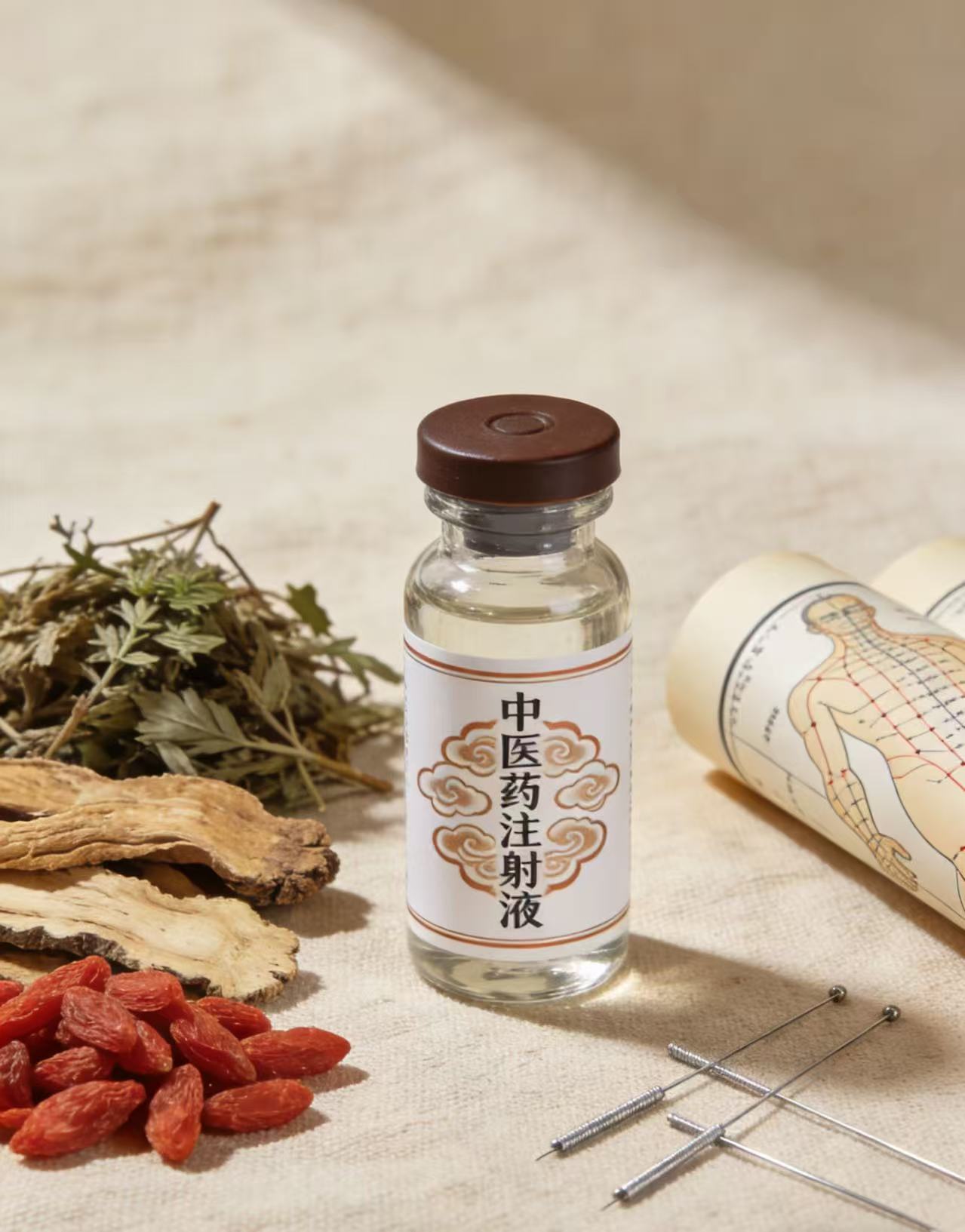

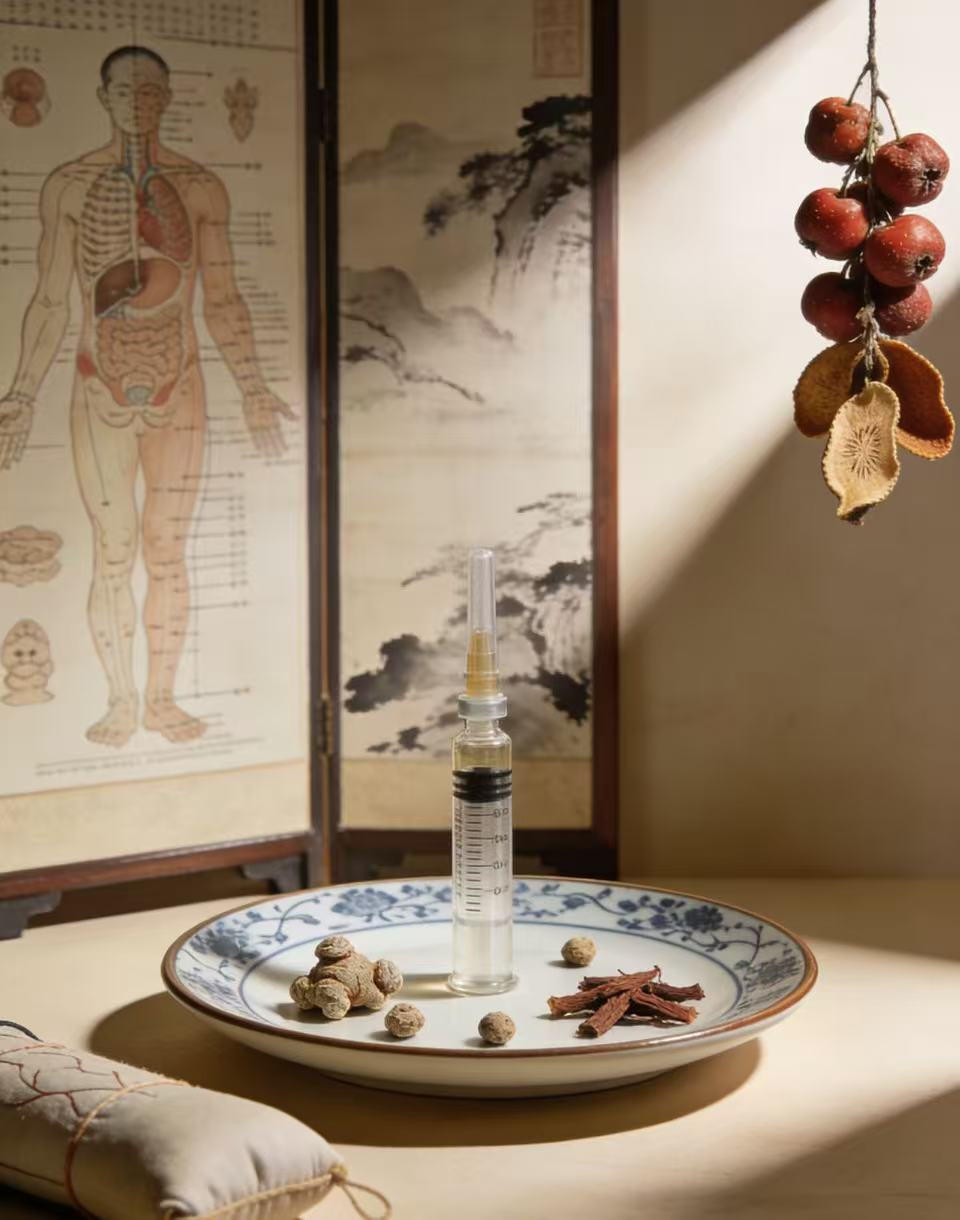
I am thrilled to share that our commentary, “China’s evidence-based re-evaluation of traditional Chinese medicine injections,” has been published in Nature Medicine. This piece is more than an academic analysis for me; it’s a reflection of years of clinical observation, cross-cultural learning, and a deep-seated hope for the modernization of traditional therapies.
My journey to this topic began at the bedside and was sharpened by international experience. As a neurologist in China, I’ve spent years treating stroke patients. Our therapeutic toolkit, unlike the standard regimen of thrombolysis, thrombectomy, aspirin, and statins I observed during my training in Italy, includes a distinctive “Chinese option”: traditional Chinese medicine (TCM) and its modern derivative, TCM injections. For decades, these injections have been widely administered to millions of patients for cardiovascular and cerebrovascular diseases, within a market valued at over $10 billion. While clinical experience suggested benefit, a pressing question always remained: where was the robust, modern scientific evidence to validate their safety and efficacy?
This question isn’t merely academic. The reality is complex. Traditional Chinese medicine operates on a holistic framework of “pattern differentiation.” However, many modern TCM injections are multi-component mixtures delivered directly into the bloodstream—a method somewhat alien to classical theory. This complexity has, at times, led to unpredictable adverse reactions, including allergic events. In fact, some hospitals have already moved to restrict the use of certain broad-spectrum injections due to safety concerns. This gap between widespread use and evidential uncertainty is precisely what makes China’s 2025 nationwide re-evaluation policy so timely and crucial.
Our commentary in Nature Medicine dissects this historic policy shift. Led by the National Medical Products Administration, this isn’t another voluntary guideline. It’s a mandatory, system-wide overhaul that mandates pharmaceutical holders to submit comprehensive evidence packages—encompassing rigorous pharmacovigilance, chemical manufacturing controls, and confirmatory clinical trials. Most significantly, it introduces a clear legal exit mechanism to retire products that cannot meet contemporary scientific standards. The goal is not to dismantle tradition but to distill and elevate it.
We see this not as a threat, but as a catalyst for a healthier, more innovative market. The future lies in precision. Excellent examples already exist, such as butylphthalide (derived from celery seed) and sodium tanshinone IIA sulfonate (from Danshen), which are refined single components with clearer mechanisms, better safety profiles, and proven efficacy in rigorous international and domestic trials. The new policy will encourage more research investment into such well-defined agents, moving the entire field from a “black box” of mixtures toward a “transparent toolbox” of validated therapeutics.
The path forward has challenges, particularly for smaller manufacturers facing the financial burden of upgraded trials and production standards. Success will hinge on balancing these costs with smart incentives. But the direction is unequivocal: evidence must lead the way.
Finally, I must extend my sincere gratitude to the editorial team at Nature Medicine, particularly Dr. Sarah Tomlin. As a first-time author in the Nature family, receiving constructive and encouraging feedback within a week of submission was both surprising and immensely helpful. Dr. Tomlin’s efficient and insightful guidance exemplified the journal’s commitment to nurturing important scientific dialogue, regardless of the author’s background. Her engagement also signals to me that the world’s leading scientific platforms are keenly interested in how China navigates the integration of its ancient medical wisdom with the uncompromising standards of modern science.
This publication is a small step in that vast journey. I hope our commentary can spark further conversation among clinicians, researchers, and policymakers worldwide who are grappling with similar questions about integrating traditional medicines into evidence-based healthcare systems.
You can read our full commentary here: China’s evidence-based re-evaluation of traditional Chinese medicine injections
https://doi.org/10.1038/s41591-025-04122-7