From Caves to Climate: Teamwork in Tunisia
Published in Earth & Environment
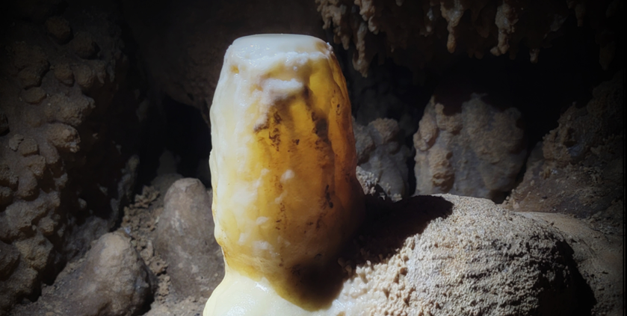

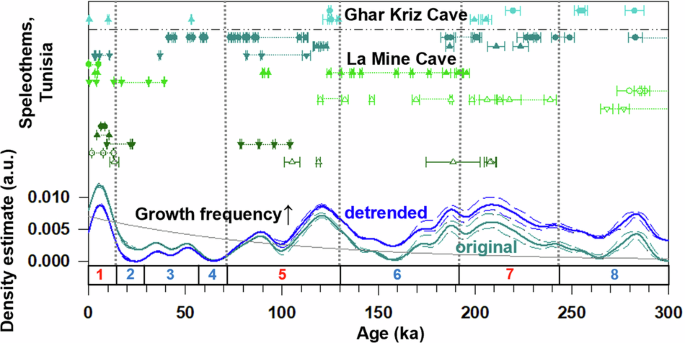

The collaborative speleothem-inferred paleoclimate program between teams under Prof. Chuan-Chou Shen of the National Taiwan University and Prof. Hatem Dhaouadi of the University of Monastir began in 2016. In the summer of 2020, Yun-Chuan Chung (Kim), the first author of the published paper, entitled “Three hundred thousand years of multi-millennial hydroclimate variability in Northern Africa based on speleothem records from Tunisia” joined in this project and began dating the collected speleothems from Ghar Kriz and La Mine Caves.
After reorganizing the collected samples and conducting new dating analyses, a clear pattern emerged. Kim found that growth hiatuses coincided with cold and/or arid climatic periods. Encouraged by these results, Kim with this collaborative team returned to La Mine Cave in the spring and autumn of 2022 to collect additional stalagmites, targeting older formations to extend the study timeframe. Even with an official permit, we collected most samples as broken fragments from the ground, thereby minimizing disturbance to the cave.
Fieldwork in caves is never straightforward. Reaching the sampling sites involved navigating narrow passages, steep descents, long climbs, and hours in darkness and uncomfortable high humidity.
Our field seasons also came with a few unforgettable moments. At the end of the spring campaign, just as we were preparing to leave after visiting La Mine Cave, we realized that the car key was missing. After hours of searching, we had to accept that it had likely been lost somewhere during the long day of fieldwork. The incident added unexpected stress to an already exhausting trip—and taught us to triple-check our equipment before leaving a cave.
We are deeply grateful to the Tunisian caving team, whose expertise, courage, and logistical support made it possible to safely work in these challenging environments. Their knowledge of the cave systems and commitment to the project were essential to its success.
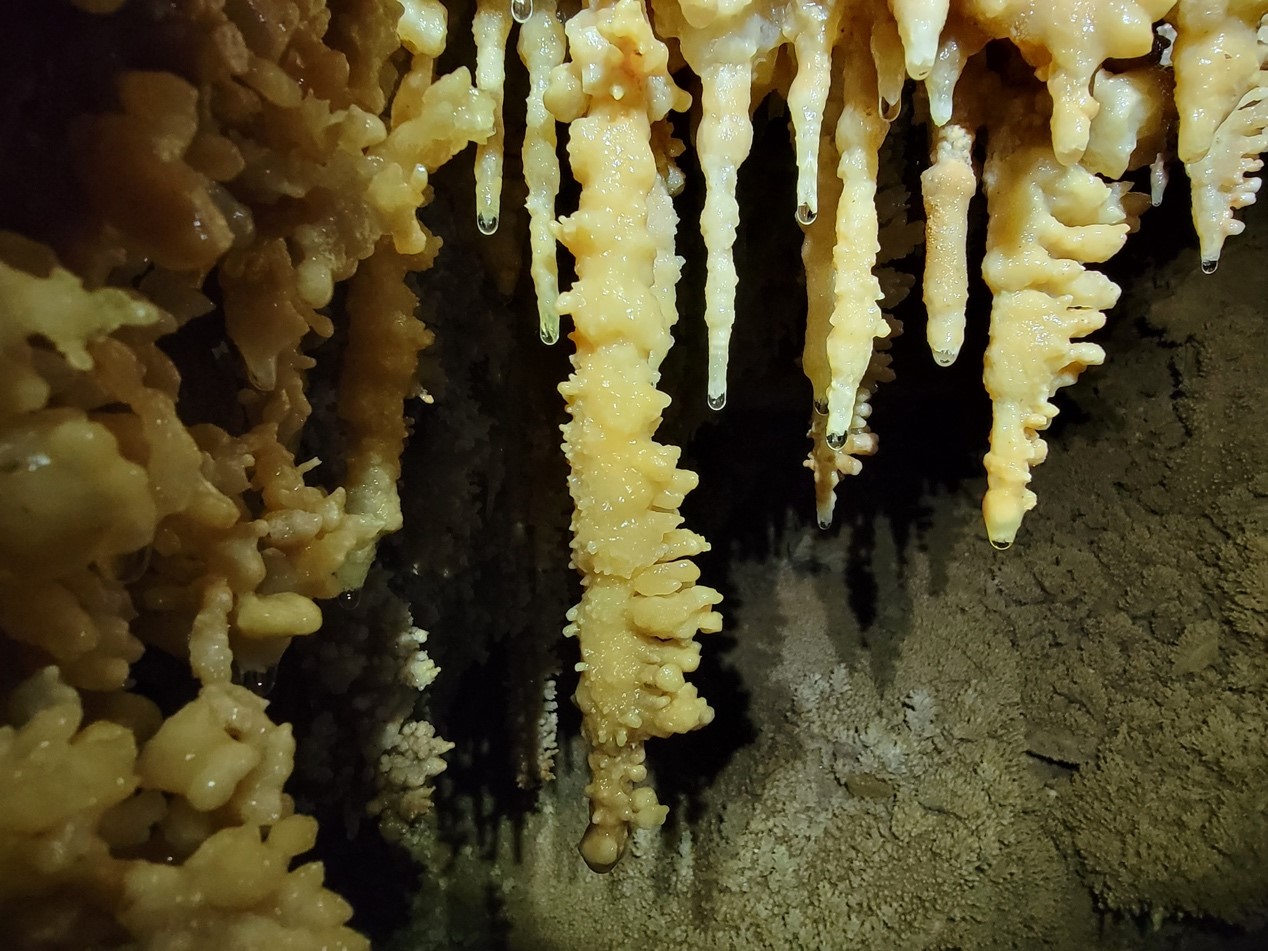
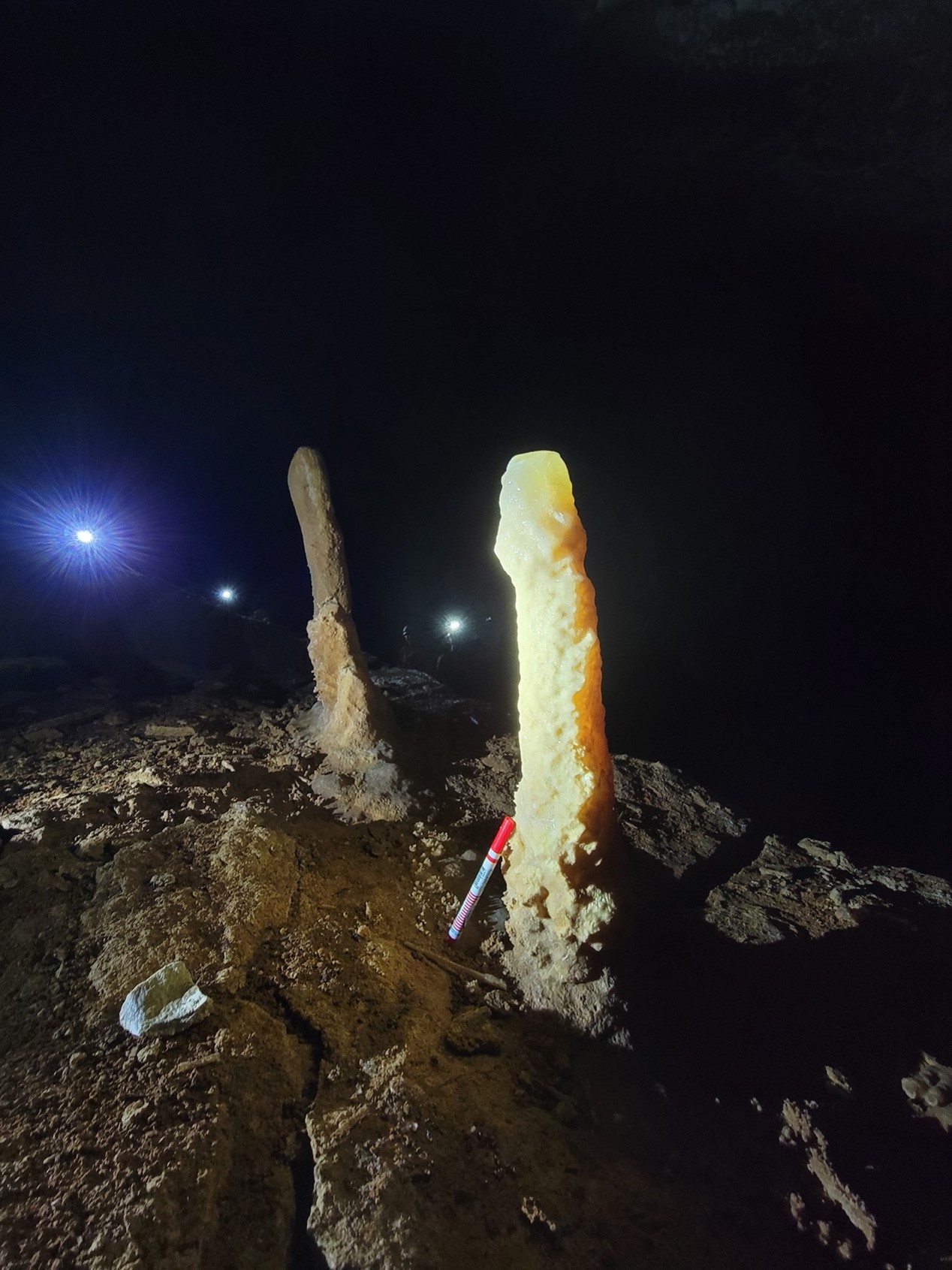
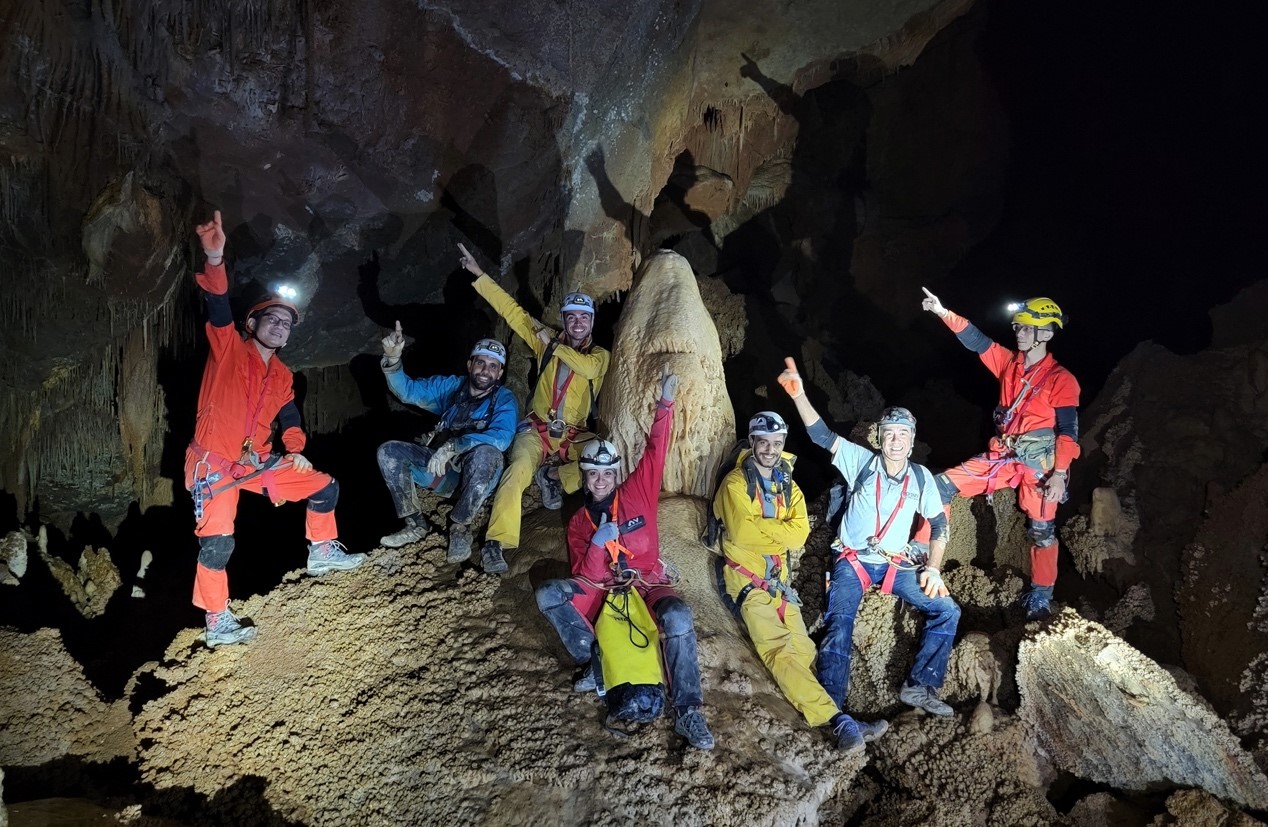
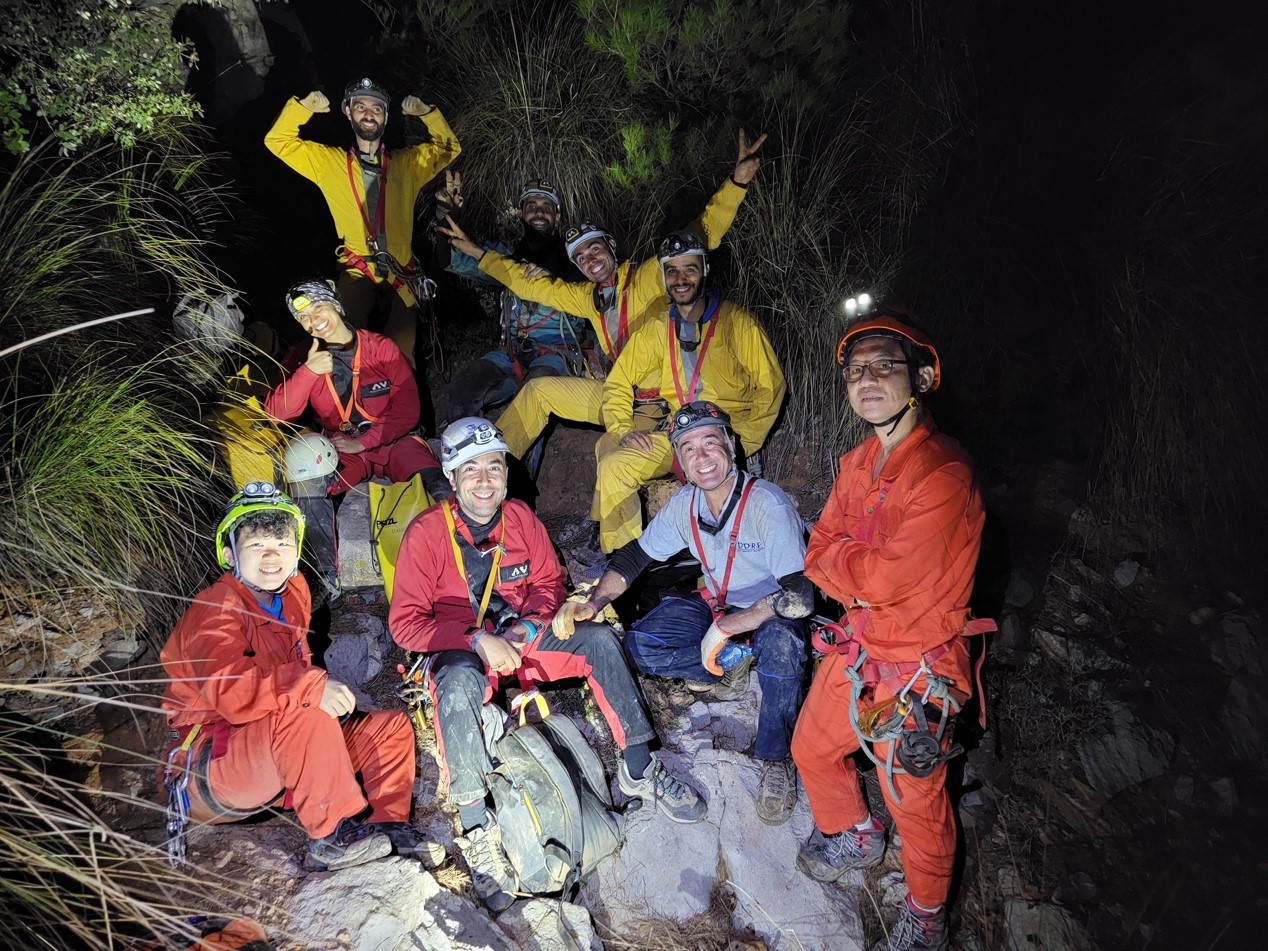
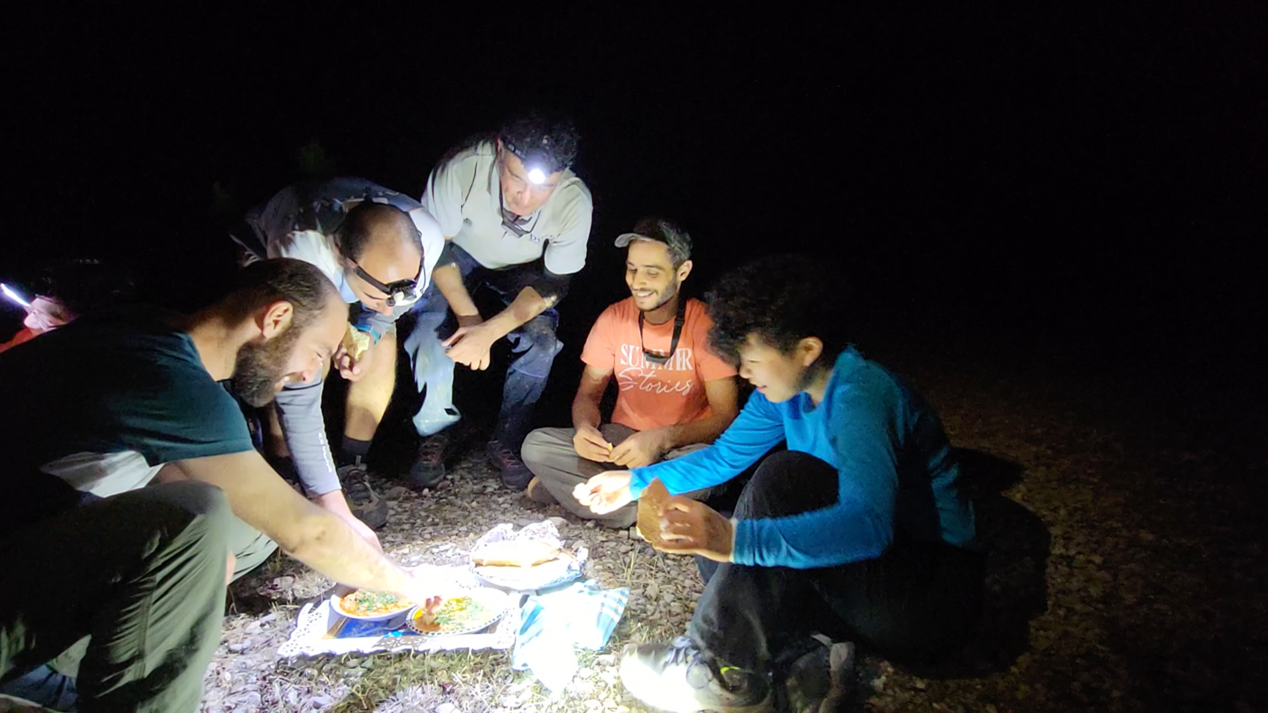
Beyond the caves, our time in Tunisia offered rich opportunities to experience the local culture. From sharing meals with the caving team after working for a long day to exploring towns and historic sites, we were warmly welcomed and inspired by the kindness and generosity of the people we met. These moments reminded us that science is not just about data—it is also about building connections, learning from others, and appreciating the places where research takes us.
By then, Kim had started her PhD program in a joint program between the National Taiwan University and the University of Helsinki, expanding the international scope of the project. What began as a Taiwan–Tunisia collaboration gradually grew into a global effort involving researchers across Africa, Asia, and Europe. Later, collaborators from Spain and Australia were also involved.
Using high-precision uranium–thorium dating, we established chronologies for 21 speleothems from Tunisia and reconstructed 300,000 years of alternating humid and arid conditions in North Africa. Our results show that hydroclimatic variability was primarily driven by the southward migration and intensification of the winter westerlies and Mediterranean storm tracks, with limited direct influence from the West African monsoon. This highlights the dominant role of winter mid-latitude atmospheric circulation in shaping North African climate on long timescales.
Looking back, this project taught me that scientific progress is rarely linear. Data once considered unusable can become transformative when approached with new perspectives, improved methods, and strong international collaboration. The speleothems from Tunisia not only recorded past climate variability—they also shaped Kim’s journey as an early-career researcher, reminding her that persistence, curiosity, teamwork, and the kindness of the people we have met along the way are all essential to the scientific journey.
We would also like to sincerely thank all coauthors for their invaluable contributions, insights, and support, as well as all the people we met in Tunisia who welcomed and assisted us—without whom this paper would not have been possible.
Follow the Topic
-
Communications Earth & Environment

An open access journal from Nature Portfolio that publishes high-quality research, reviews and commentary in the Earth, environmental and planetary sciences.
Related Collections
With Collections, you can get published faster and increase your visibility.
Archaeology & Environment
Publishing Model: Hybrid
Deadline: Mar 31, 2026
Drought
Publishing Model: Hybrid
Deadline: Mar 31, 2026
Please sign in or register for FREE
If you are a registered user on Research Communities by Springer Nature, please sign in