Gallery | May 2018 homepage image 2
Published in Ecology & Evolution

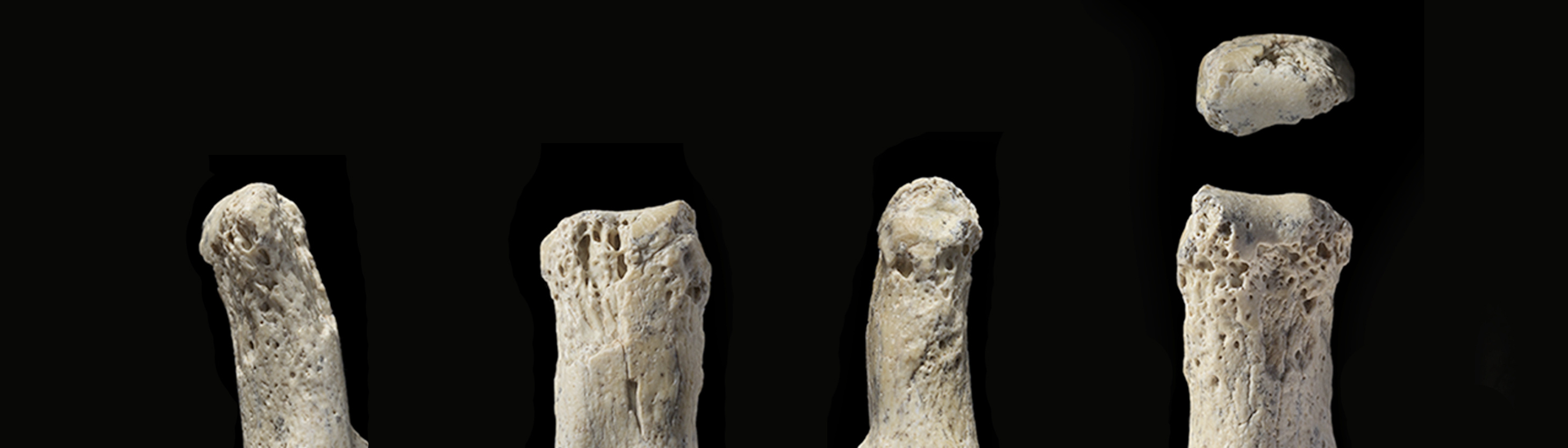
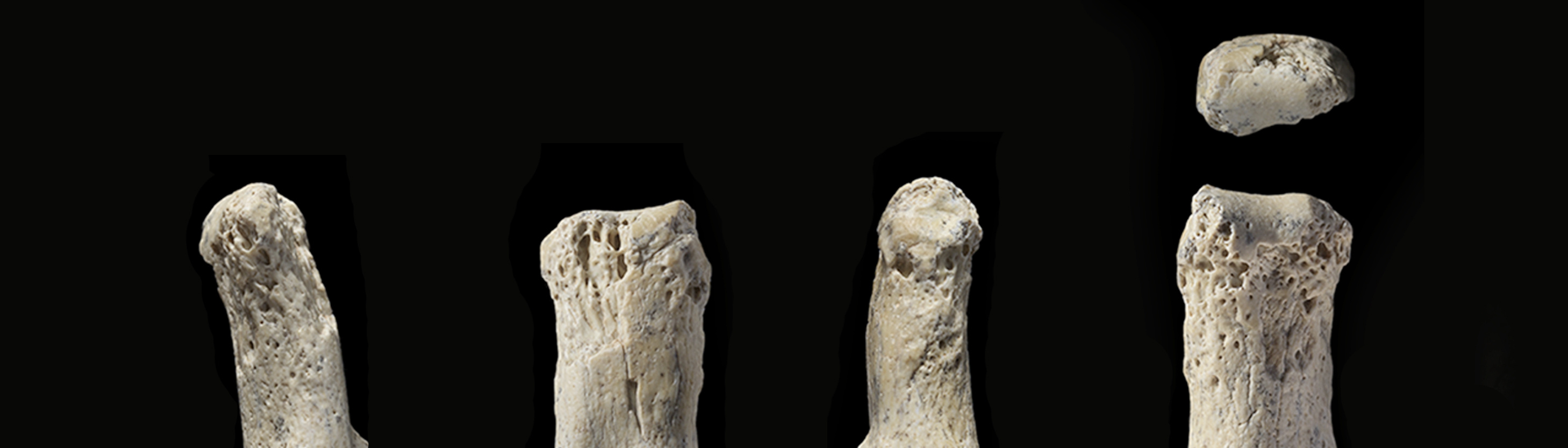
The site occurs along the edge of a freshwater palaeolake, with evidence of Middle Palaeolithic stone tools and mammal fauna, including the hippopotamus. Al Wusta provides evidence for an early and geographically widespread movement of humans Out of Africa. Photo by Ian Cartwright.
Follow the Topic
-
Nature Ecology & Evolution
This journal is interested in the full spectrum of ecological and evolutionary biology, encompassing approaches at the molecular, organismal, population, community and ecosystem levels, as well as relevant parts of the social sciences.

Related Collections
With Collections, you can get published faster and increase your visibility.
Biodiversity and ecosystem functioning of global peatlands
Publishing Model: Hybrid
Deadline: Jan 31, 2027
Understanding species redistributions under global climate change
Publishing Model: Hybrid
Deadline: Dec 31, 2026