Genetic analysis of canine distemper virus in stray dogs from Kathmandu Valley
Published in Public Health and Zoology & Veterinary Science



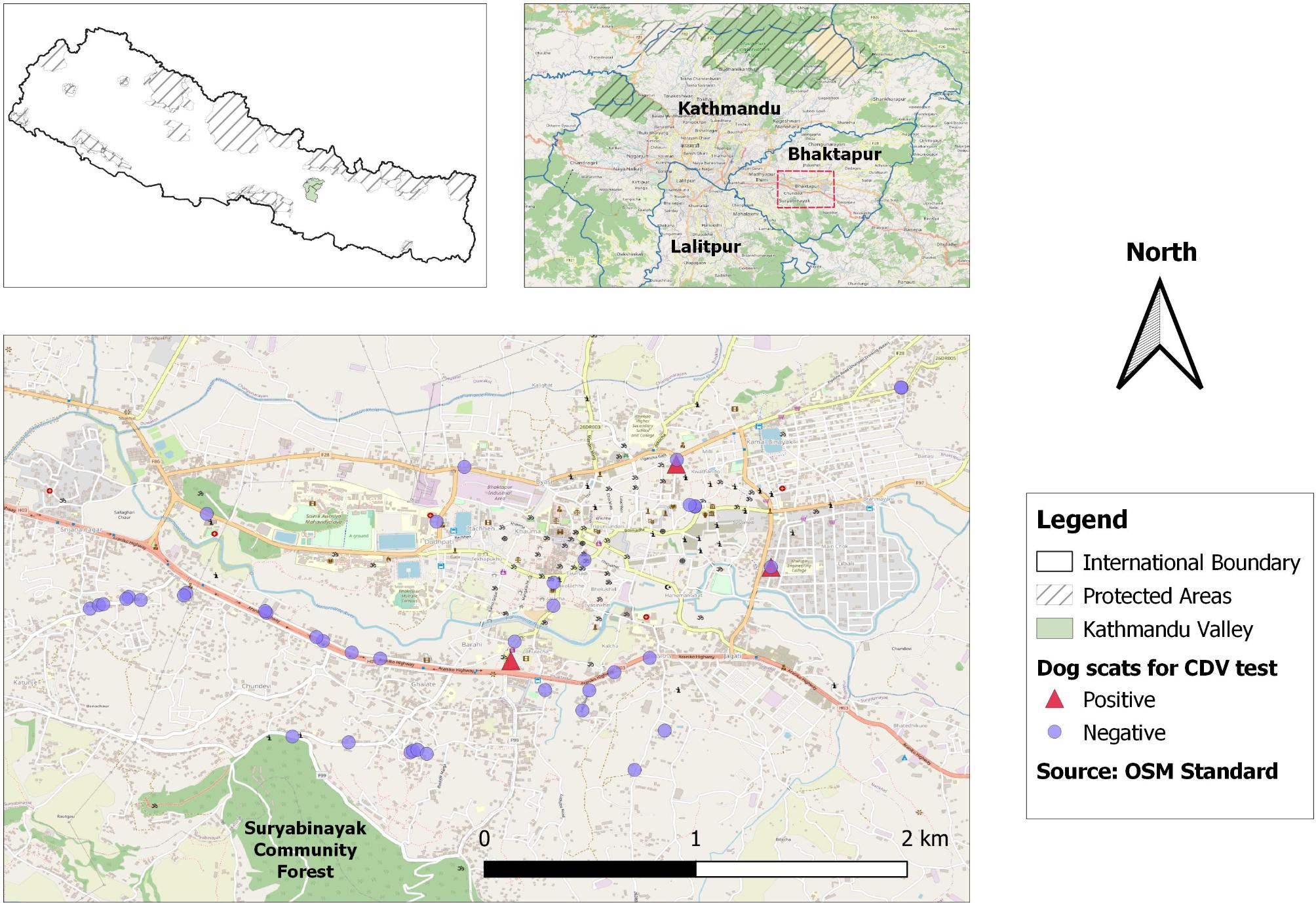

Canine distemper is a highly contagious and often fatal disease affecting domestic dogs and wild carnivores. The virus has caused major outbreaks in species of high conservation value, such as tigers, lions, and leopards. This makes managing CDV outbreaks critical in Nepal, home to many threatened carnivores like tigers, leopards, snow leopards, dholes, and wolves, along with a large population of stray dogs. While CDV has been suggested as a threat to wild carnivores, no studies have genetically analyzed the virus in Nepal's wildlife.
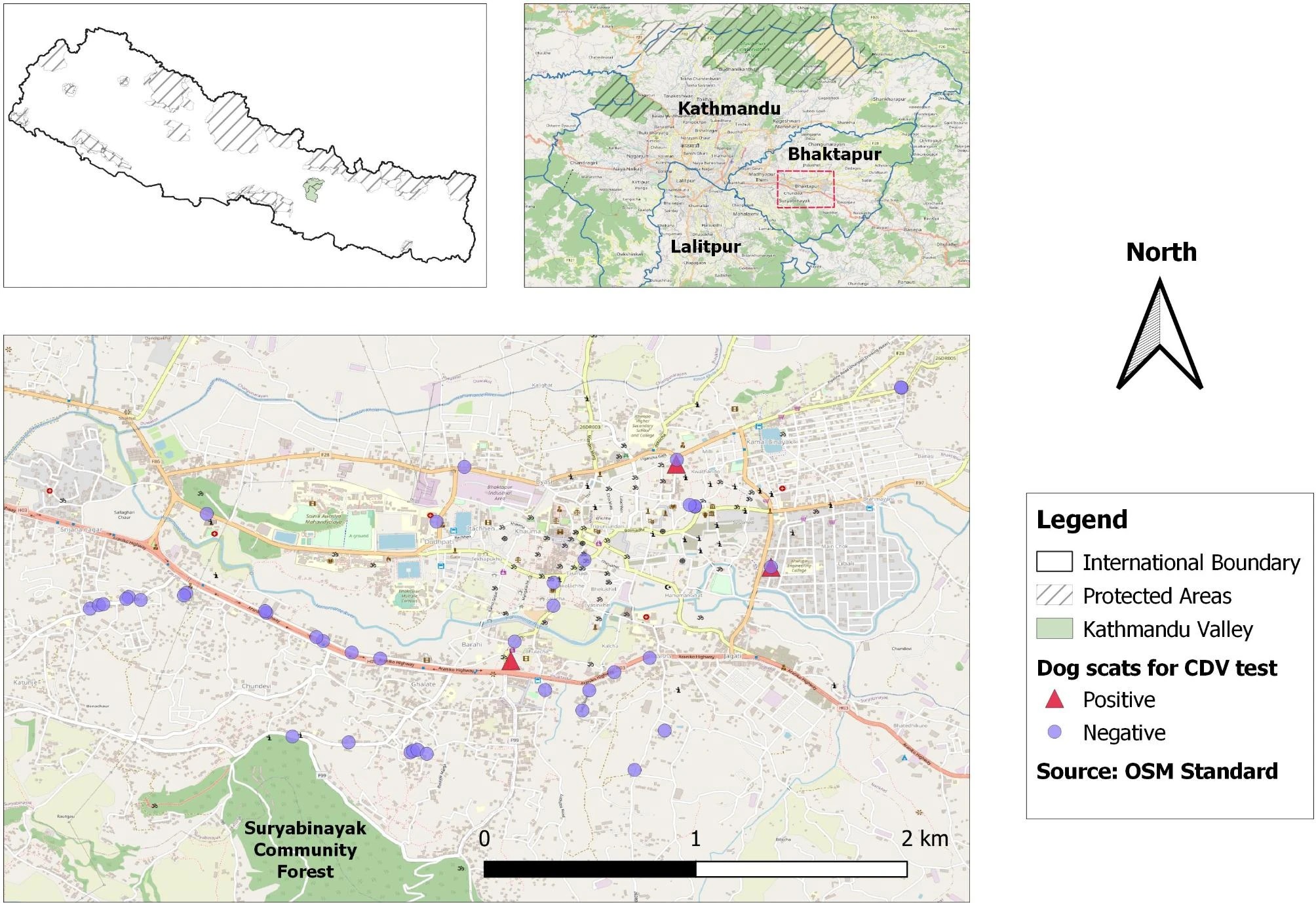
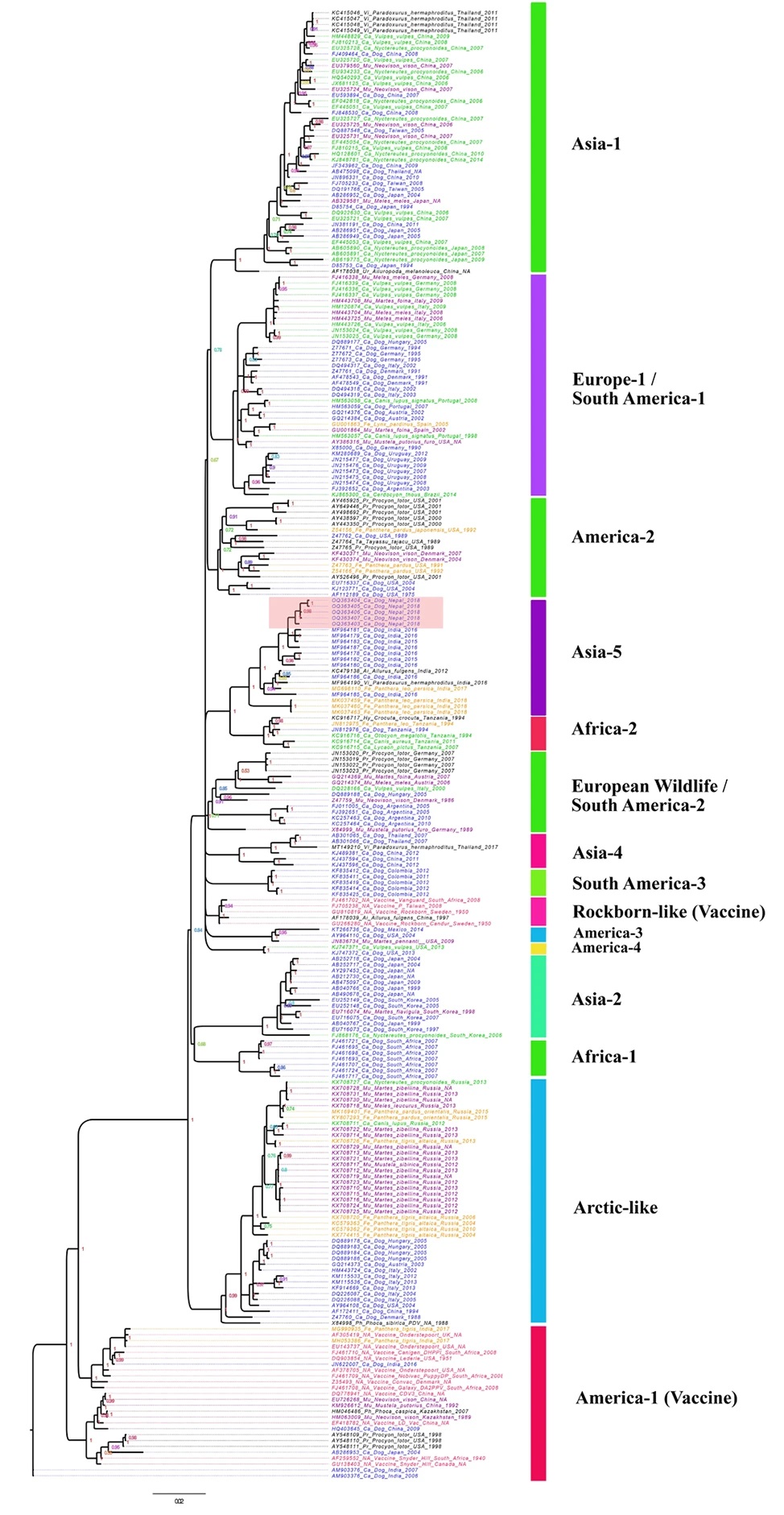
We collected samples from stray dogs in Kathmandu Valley and identified the CDV strains as part of the Asia-5 lineage, which also includes strains found in India in dogs, civets, red pandas, and lions. Our analysis suggests CDV is likely maintained in a sylvatic cycle among various carnivores, causing repeated outbreaks. To protect threatened carnivores, we recommend regular CDV surveillance in both wild carnivores and domestic dogs.
Follow the Topic
-
Virology Journal
This is an open access, peer reviewed journal that considers articles on all aspects of virology, including research on the viruses of animals, plants and microbes.

Related Collections
With Collections, you can get published faster and increase your visibility.
Vaccine-Preventable Diseases and Vaccine Demand
Vaccination remains one of the most effective public health interventions for preventing viral diseases and reducing morbidity and mortality worldwide. Despite major advances in vaccine development and immunization programs, vaccine-preventable viral diseases continue to pose significant challenges due to emerging and re-emerging pathogens, evolving viral epidemiology, inequitable vaccine access, and declining vaccine confidence in some populations. Understanding both the biological and social determinants of vaccine effectiveness and demand is critical to improving disease prevention strategies.
This Collection welcomes original research, reviews, methodologies, and perspectives that advance knowledge on vaccine-preventable viral diseases and the factors influencing vaccine demand and uptake. Topics of interest include viral surveillance and epidemiology, vaccine development and evaluation, immunogenicity and effectiveness, viral evolution and vaccine escape, implementation science, vaccine acceptance and confidence, risk communication, behavioral and social drivers of vaccination, health equity, policy, and strategies to strengthen immunization programs across diverse settings.
By bringing together multidisciplinary research spanning virology, immunology, epidemiology, behavioral science, and public health, this Collection aims to highlight innovative approaches that improve vaccine acceptance, optimize immunization strategies, and ultimately reduce the burden of vaccine-preventable viral diseases globally.
All submissions in this Collection undergo the journal’s standard peer review process. Similarly, all manuscripts authored by a Guest Editor(s) will be handled by the Editor-in-Chief. As an open access publication, this journal levies an article processing fee (details here). We recognize that many key stakeholders may not have access to such resources and are committed to supporting participation in this issue wherever resources are a barrier. For more information about what support may be available, please visit OA funding and support, or email OAfundingpolicy@springernature.com or the Editor-in-Chief.
Publishing Model: Open Access
Deadline: Jun 09, 2027