Following the Flight Paths of H5N1 into Antarctica
Published in Microbiology and Genetics & Genomics


For many people, Antarctica still evokes the idea of a distant and protected wilderness. Yet the continent is closely linked to the rest of the world through the movements of wildlife. Migratory seabirds travel vast distances between polar and temperate regions, creating natural connections between ecosystems that may appear completely separate. Recent outbreaks of highly pathogenic avian influenza (H5N1) have raised concerns that these connections could also facilitate the movement of infectious diseases.
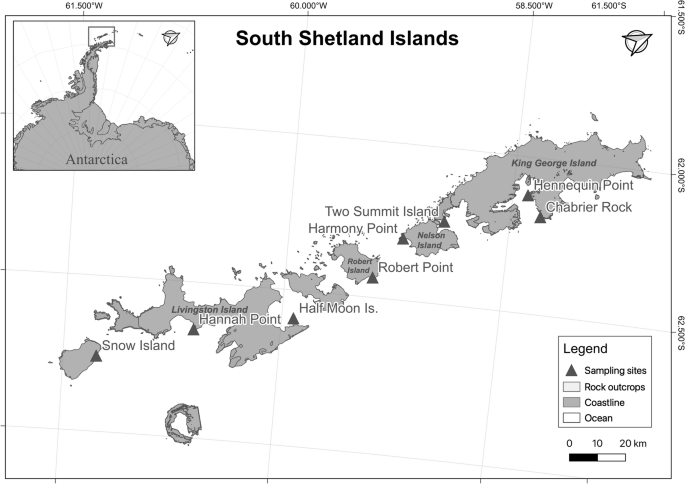
A new, open access study published in the Brazilian Journal of Microbiology investigated influenza A viruses circulating among seabirds on the South Shetland Islands during the 2024-2025 austral summer. Researchers collected 278 samples from penguins, skuas and giant petrels across multiple islands and detected influenza A virus in 30 of them. Eight samples were positive for the H5 subtype, demonstrating that avian influenza viruses are present across several bird species and locations in the region.
Molecular signatures
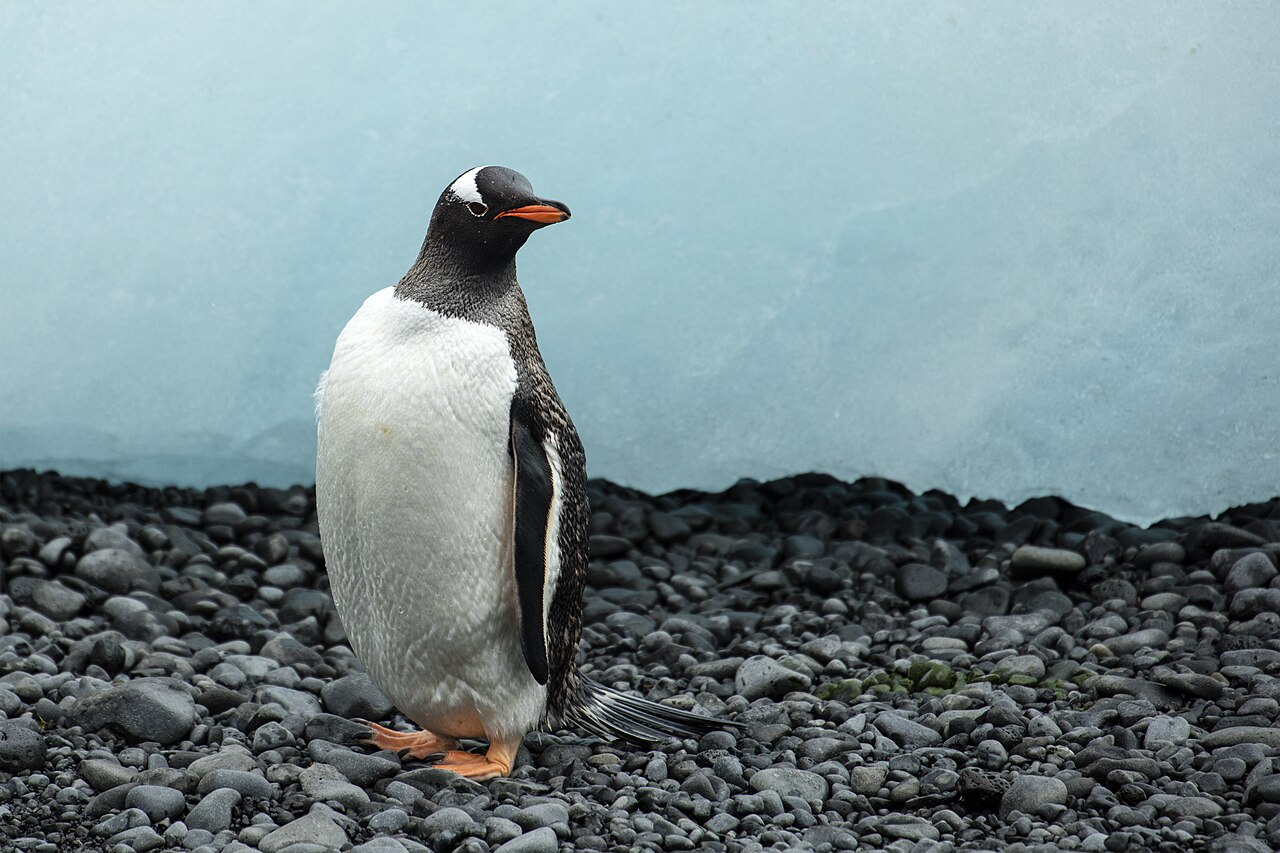
To better understand the origin of these viruses, the team performed genomic analyses on samples from a gentoo penguin and a southern giant petrel. Both were identified as highly pathogenic H5N1 belonging to clade 2.3.4.4b, the same lineage responsible for recent outbreaks in many parts of the world. The genomic sequences contained molecular signatures consistent with highly pathogenic avian influenza viruses and allowed researchers to compare the Antarctic strains with those detected elsewhere.
The most interesting finding came from the phylogenetic analyses. The Antarctic viruses clustered closely with contemporary South American H5N1 strains, including viruses previously detected in birds and marine mammals. This genetic similarity supports the idea that Antarctica is connected to broader viral transmission networks across the Southern Hemisphere and that highly mobile seabirds may help move viruses between distant regions.
The study also provides evidence that H5N1 continued to circulate in Antarctica during the 2024-2025 season following its first confirmed arrival in the region in late 2023. While the research does not attempt to predict the long-term ecological consequences, it highlights an important question for conservation scientists: how will Antarctic wildlife respond to the increasing arrival of pathogens that were once considered unlikely to reach these environments?
Answering that question will require sustained surveillance and international collaboration. Antarctica's wildlife populations are influenced by environmental change, migration, and growing ecological connectivity with other regions. By combining field sampling with genomic monitoring, studies such as this help researchers understand how viruses move through natural systems and provide valuable information for protecting one of the world's most distinctive ecosystems.
Author's note: I used Microsoft Copilot to assist in creating this post.
Image: Andrew Shiva / Wikipedia, CC BY-SA 4.0.

Follow the Topic
-
Brazilian Journal of Microbiology
This is an international peer-reviewed journal encompassing all fundamental and applied aspects of microbiology.