‘Hunting’ Burkholderia pseudomallei in water sources: a story about the scientific journey to improve environmental detection of the causative bacterium of melioidosis, an often-fatal neglected infection
Published in Microbiology and General & Internal Medicine




Melioidosis is a neglected infectious disease caused by the opportunistic Gram-negative Burkholderia pseudomallei. Patients can get infected through exposure to contaminated soil and water, but there is limited evidence of human-to-human transmission. The disease is predicted to be endemic across the tropical and subtropical countries. Melioidosis is associated with a mortality rate as high as 40% in Northeast Thailand, exceeding the mortality burden of several well-known tropical infections, including Dengue and Leishmaniasis. Despite this substantial burden, melioidosis remains under-recognised globally and is not included in the World Health Organisation (WHO)’s Neglected Tropical Disease list. Public awareness is similarly limited, even among populations from melioidosis endemic areas.
From a clinical assay to environmental detection
At the Mahidol-Oxford Tropical Research Unit (MORU), Thailand, our melioidosis genomics group uses genomic and other omics tools to conduct discovery research and support public health priorities. Working alongside frontline clinicians in Northeast Thailand, one of the globally heavily affected regions, we quickly learnt that diagnosis and surveillance are priorities among priorities. This led us to develop CRISPR-BP34, a CRISPR-based diagnostic assay for detecting B. pseudomallei in clinical samples (Reference 1). Together with local and international collaborators, we translated this technology to clinical application. Following the success of the clinical diagnosis kit, we began asking whether the same assay could help us detect B. pseudomallei in the environment, including household water and nearby water sources that could be the source of human exposure. If successful, this assay can help improve environmental surveillance. This Behind-the-Paper blog documents our ‘journey’ to ‘hunt’ B. pseudomallei in their ‘natural habitat’ (available with Thai translation).
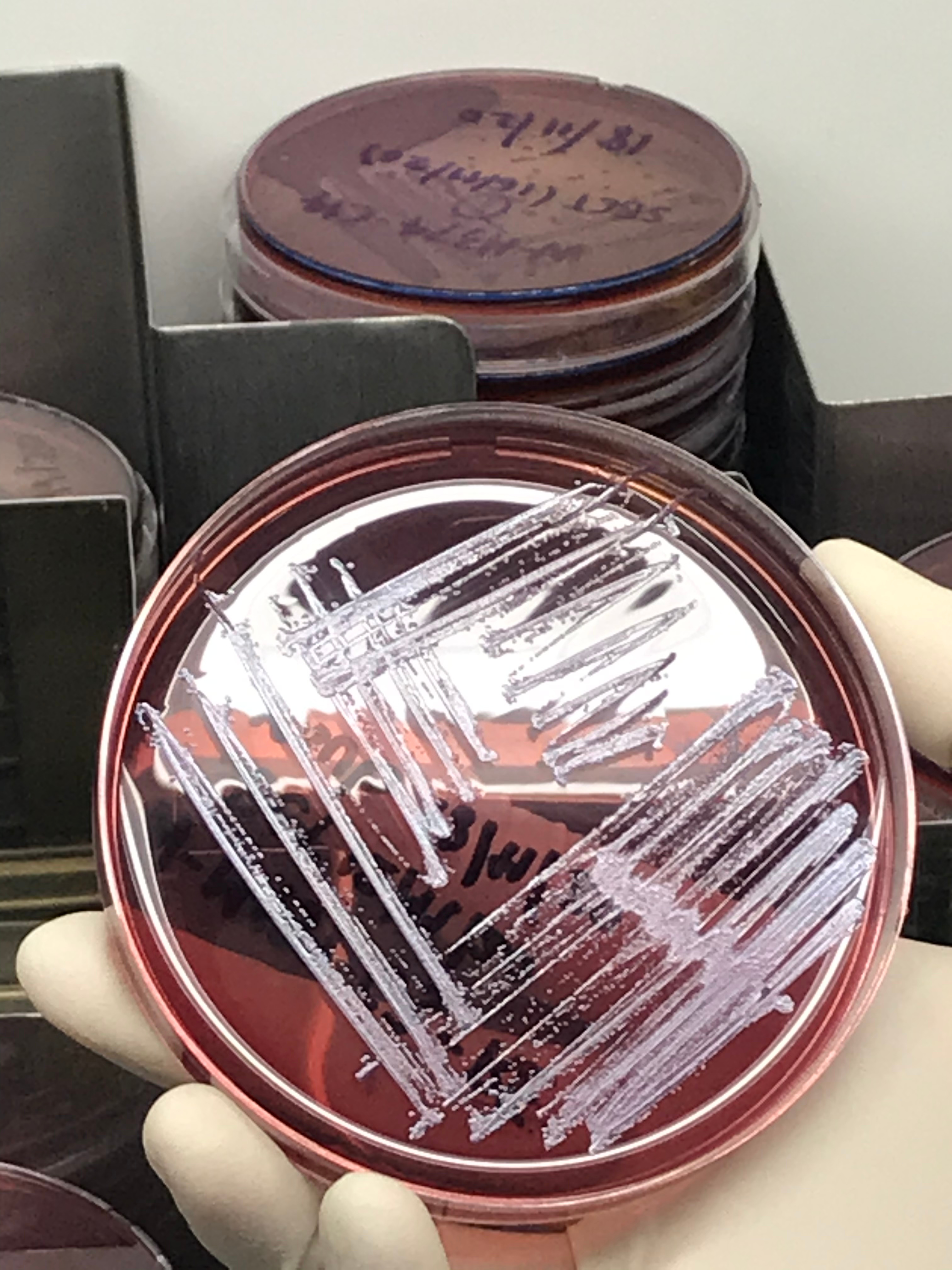
Burkholderia pseudomallei appearing metallic sheen on the selective Ashdown agar, the conventional diagnostic method. (Photograph by Phumrapee Boonklang).
Our journey hunting B. pseudomallei in natural and man-made water systems
Our journey first began in the lab (and the office). At the time, we were already conducting a clinical observation on melioidosis, which allowed us to expand our work into environmental surveillance. We worked with our local ethics committees to amend our research protocol to obtain consent from participants for household water sampling. Building on the success of our clinical diagnostic platform, we adapted CRISPR-BP34 for environmental detection (This paper; Reference 2). However, detecting B. pseudomallei from environmental samples proved more challenging than detecting it in clinical specimens. Unlike samples collected from patients’ sterile sites, environmental water samples contain diverse microbial communities, many of which grow faster than our B. pseudomallei (if present). Most importantly, we wanted to avoid raising a false alarm by detecting DNA from dead bacteria rather than viable organisms capable of causing infection. We therefore developed a workflow combining culture enrichment, plate sweeping, and CRISPR-based detection.
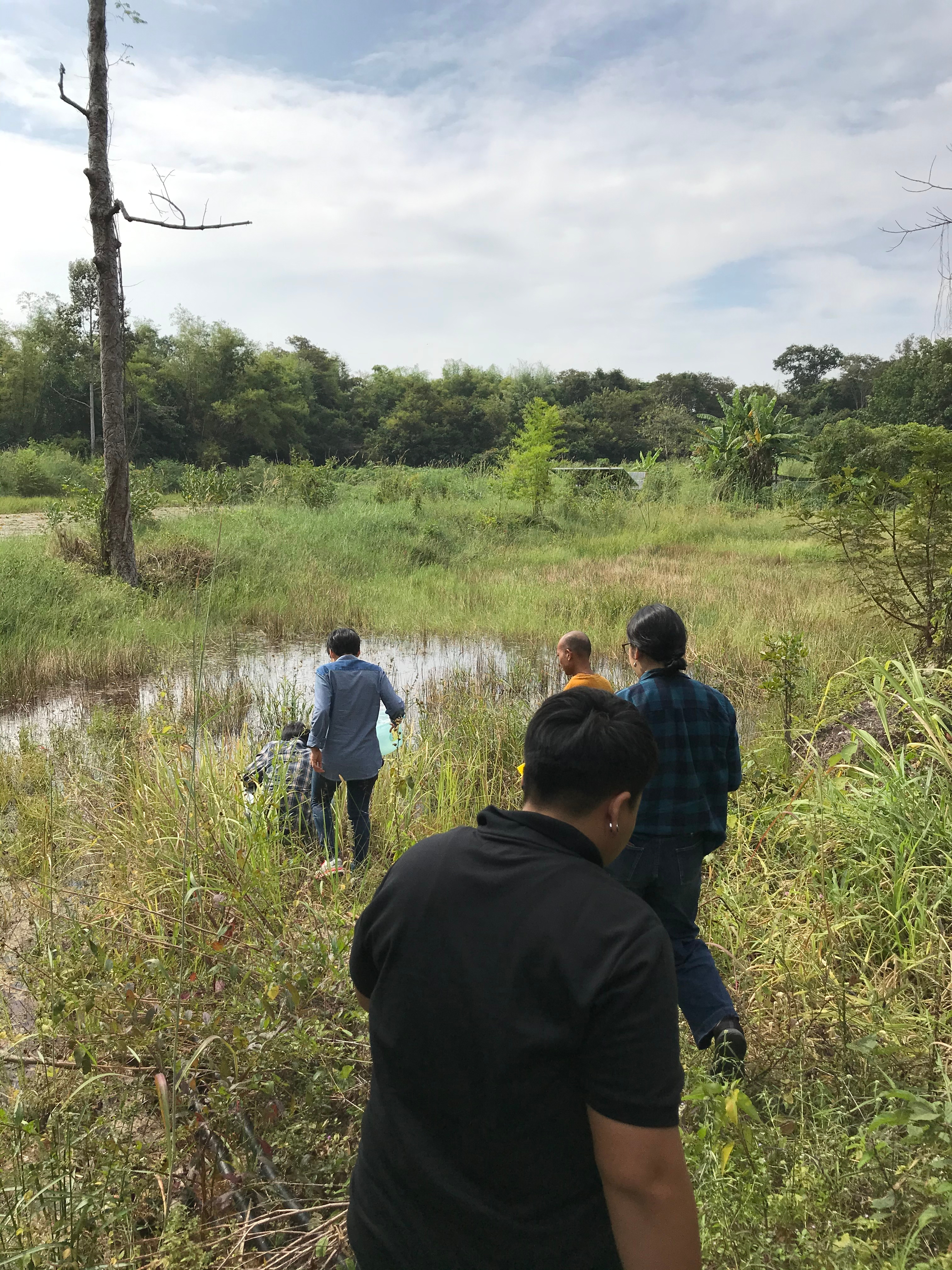
With the protocol in hand, the project moved from the lab to the field. The local communities were very supportive. Most patients and relatives readily consented to participate. On sampling day, they would be on standby, patiently waiting for us to travel from our lab to visit their homes – sometimes almost 120 km away. When we lost our way on rural roads, they guided us using local landmarks, such as “turn left at the tamarind tree” and “turn right at the Thai crape myrtle bush”. Along the way, they shared with us their personal stories about how devastating melioidosis had been for their families and communities, as well as their own thoughts on where the infection may have come from. These conversations became an invaluable part of the research process. Community members highlighted details that we had not fully considered when designing the study from our laboratory benches and helped us better understand local patterns of water use and exposure.
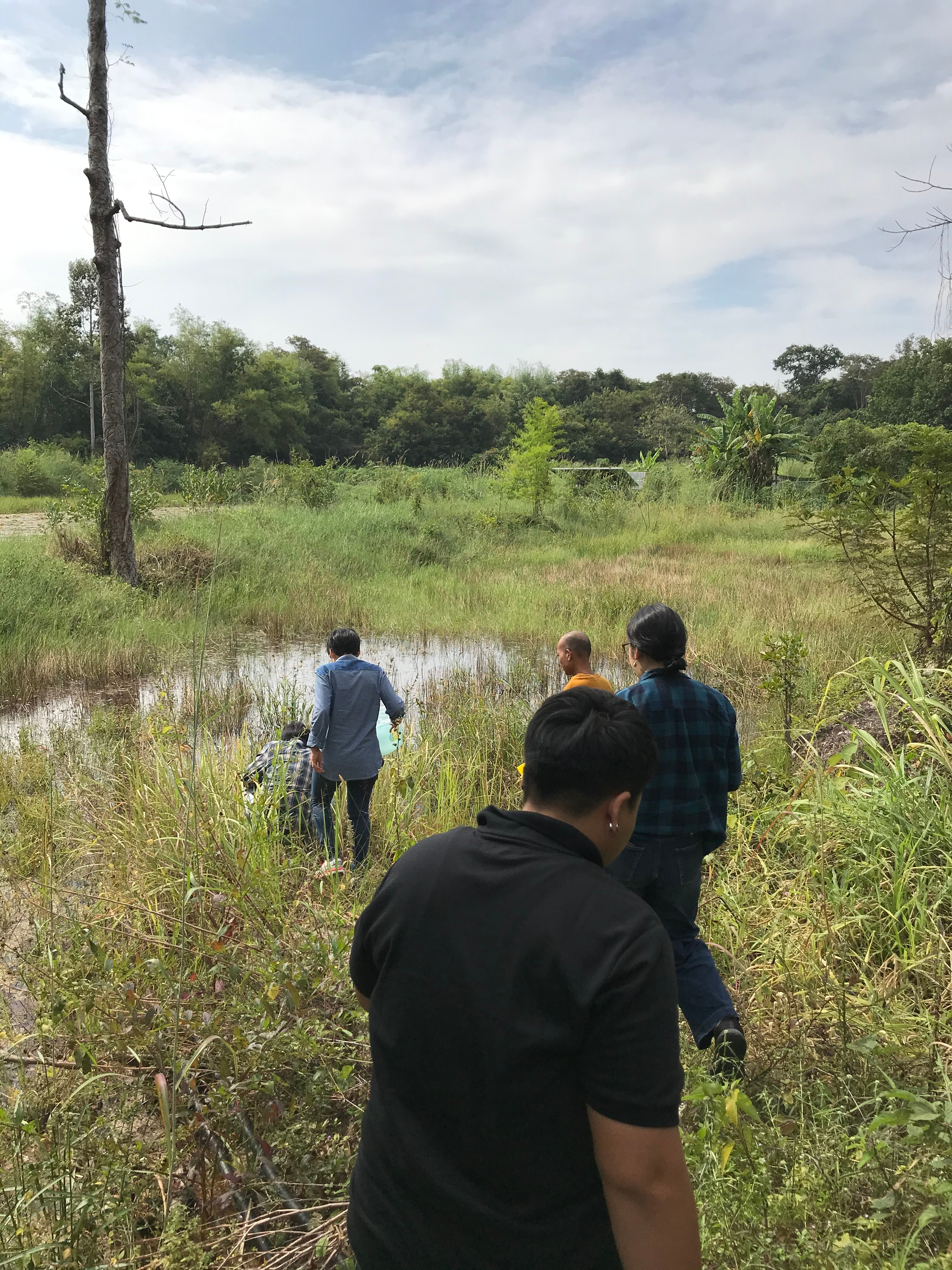
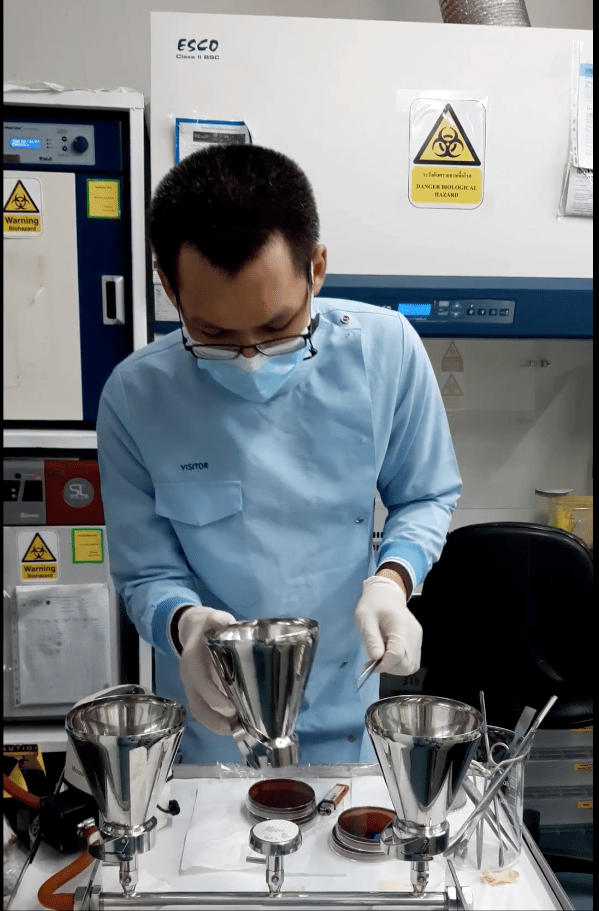
The sampling team would then return with containers of water and be greeted by laboratory colleagues who processed the samples at our facility in Sunpasitthiprasong Hospital, Ubon Ratchathani, in Northeast Thailand. The rhythm of field collection and lab processing quickly became routine. Long days were made easier by the support of the local communities, delicious regional Isan cuisine, and the soundtrack of Isan folk music playing on the lab’s radio. Then, like much of the world, our project was disrupted by the COVID-19 pandemic. Field activities were suspended, recruitment slowed, and the final sample size was reduced. Nevertheless, we persevered, hoping that this would at least give us some pilot data and establish logistical understandings for how to operate in a resource-limited setting.
Fortunately, the results exceeded our expectations. Our tool requires no specialised equipment, making it suitable for deployment in low-resource settings. The assay demonstrated a high analytical sensitivity and showed an improved field sensitivity (93.52%) compared to conventional culture methods (19.44%), while maintaining high specificity (100%). This improved performance allowed us to establish a statistically significant association between the presence of B. pseudomallei in water sources within 10 km of households and the risk of disease. This correlation had not been demonstrated previously due to the limited sensitivity of earlier detection methods. Most concerningly, our new platform detected B. pseudomallei in 32.9% of natural water sources and 26.2% of piped water in the same area, which warrants further investigation. Since this work, we have continued discussions with the Ministry of Public Health and waterwork authorities on water sanitation.
The journey continues
Generating evidence is only the first step. Translating that evidence into meaningful public health impact will require continued collaboration among researchers, public health authorities, policy makers, and affected communities. We hope that this work contributes not only to better understanding of B. pseudomallei ecology but also to safer water systems and improved health outcomes in endemic regions.
Acknowledgements
The authors appreciate the discussions with Chalita Chomkatekaew, Raiwin Mothong, Arin Wongprommoon, Kesorn Angchagun, and BurkHostGEN investigators for sharing their valuable experiences.
References
- Pakdeerat S, Boonklang P, Angchagun K, et al. Benchmarking CRISPR-BP34 for point-of-care melioidosis detection in low-income and middle-income countries: a molecular diagnostics study. Lancet Microbe. 2024;5(4):e379-e389. doi:10.1016/S2666-5247(23)00378-6
- Pakdeerat S, Chomkatekaew C, Boonklang P, et al. CRISPR-based environmental detection of Burkholderia pseudomallei identifies sanitation gaps and melioidosis risk in northeast Thailand. Nat Commun. Published online May 15, 2026. doi:10.1038/s41467-026-73286-8
Thai translation below:
ออก ‘ตามล่า’ หาเชื้อ Burkholderia pseudomallei ในแหล่งน้ำ: เรื่องเล่าจากกลุ่มนักวิจัยเกี่ยวกับการพัฒนาชุดตรวจเพื่อหาเชื้อต้นตอในสิ่งแแวดล้อมที่ก่อโรคเมลิออยด์หรือโรคไข้ดินในมนุษย์
โรคเมลิออยด์หรือโรคไข้ดิน เป็นโรคติดต่อที่ถูกละเลย ที่เกิดจากเชื้อ Burkholderia pseudomallei ซึ่งเป็นเชื้อแบคทีเรียแกรมลบที่อยู่ในดินหรือน้ำ คนไข้สามารถติดเชื้อนี้ได้จากการสัมผัสดินหรือแหล่งน้ำที่มีเชื้อนี้อาศัยอยู่ จากหลักฐานในปัจจุบันพบว่า เชื้อนี้ไม่สามารถแพร่จากคนสู่คน มีการสันนิษฐานว่า โรคเมลิออยด์หรือโรคไข้ดินนี้กระจายอยู่ทั่วโลกในบริเวณภูมิภาคเขตร้อนและกึ่งเขตร้อน และก่อให้เกิดอัตราการเสียชีวิตที่สูง โดยสูงถึง 40% ในภาคตะวันออกเฉียงเหนือของประเทศไทย อัตราการเสียชีวิตของโรคเมลิออยด์นี้สูงกว่าโรคติดต่อเขตร้อนอื่นๆที่เป็นที่รู้จักมากกว่า เช่น โรคไข้เลือดออก หรือโรคติดเชื้อลิชมาเนีย อย่างไรก็ตามแม้ว่าโรคเมลิออยด์จะก่อให้เกิดความสูญเสียทางสุขภาพ (disease burden) ที่สูง แต่ว่าโรคนี้ยังไม่ได้ถูกรับรองขึ้นบัญชีโรคติดต่อเขตร้อนที่ถูกละเลยขององค์การอนามัยโลก การตระหนักรู้ของสาธารณชนเกี่ยวกับโรคนี้ก็จำกัดในวงแคบ แม้ในกลุ่มประชากรที่อยู่ในเขตระบาดเองก็ตาม
จากชุดตรวจหาเชื้อทางการแพทย์ สู่การประยุกต์ใช้ตรวจเชื้อในสิ่งแวดล้อม
กลุ่มวิจัยจีโนมิกส์ของโรคเมลิออยด์ ภายใต้หน่วยวิจัยโรคเขตร้อนมหิดล-อ๊อกซ์ฟอร์ด ได้ก่อตั้งขึ้นเพื่อศึกษาคำถามวิจัยเกี่ยวกับโรคนี้ ตลอดจนเพื่อสนับสนุนภาคสาธารณสุข กลุ่มของพวกเราได้ทำงานร่วมกันอย่างใกล้ชิดร่วมกับบุคลากรทางการแพทย์ที่อยู่ในภาคอีสานของไทย ซึ่งเป็นพื้นที่ที่มีความชุกของโรคนี้มากที่สุดแห่งหนึ่งของโลก พวกเราได้รับทราบถึงปัญหาหาว่าการตรวจเชื้อในตัวอย่างคนไข้ รวมถึงสิ่งแวดล้อม เป็นสิ่งที่จำเป็นและต้องได้รับความสนใจ กลุ่มของพวกเราจึงได้ร่วมมือกับนักวิจัยทั้งในประเทศและต่างประเทศ เพื่อพัฒนาชุดตรวจหาเชื้อจากตัวอย่างของคนไข้ โดยมีชื่อว่า CRISPR-BP34 ซึ่งใช้หลักการของเทคโนโลยี CRISPR เพื่อตรวจหาสารพันธุกรรมของเชื้อ Burkholderia pseudomallei (เอกสารอ้างอิง 1) เราพบว่าชุดตรวจนี้ทำงานได้อย่างมีประสิทธิภาพ จึงได้เกิดความสงสัยที่จะพัฒนาต่อ ให้ตรวจหาเชื้อจากสิ่งแวดล้อม เช่น น้ำที่ใช้อุปโภคบริโภค หรือแหล่งน้ำบริเวณใกล้เคียงกับครัวเรือน หากชุดตรวจนี้ประสบความสำเร็จ เราสามารถประยุกต์ใช้ชุดตรวจนี้เพื่อเฝ้าระวังการกระจายตัวของเชื้อในสิ่งแวดล้อมได้ บทความฉบับนี้บอกเล่าเรื่องราวของพวกเราในการ ‘ตามล่า’ หาเชื้อ Burkholderia pseudomallei ในสิ่งแวดล้อม
การเดินทางตามล่าหาเชื้อ Burkholderia pseudomallei ในแหล่งน้ำตามธรรมชาติหรือถูกสร้างขึ้นโดยมนุษย์
การเดินทางของพวกเราเริ่มต้นจากในห้องแลป (และออฟฟิศ) ตอนนั้นพวกเราได้เริ่มวิจัยชุดตรวจหาเชื้อทางการแพทย์แล้ว เราจึงสามารถขยายผลต่อไปศึกษาเชื้อในสิ่งแวดล้อม เราขอความอนุเคราะห์จากคณะกรรมการจริยธรรมทางการวิจัย เพื่อปรับปรุงขั้นตอนการทำวิจัย เพื่อขยายผลไปเก็บตัวอย่างน้ำตามบ้านของคนไข้ที่ให้ความยินยอม จากความสำเร็จของชุดตรวจหาเชื้อทางการแพทย์ พวกเราประยุกต์ใช้เพื่อตรวจหาเชื้อในสิ่งแวดล้อม (บทความวิชาการนี้ หรือเอกสารอ้างอิง 2) แต่ว่ามันไม่ใช่เรื่องงายเลย เนื่องจากว่าตัวอย่างจากสิ่งแวดล้อมมีเชื้ออื่นๆปะปนอย่างมากมาย ไม่เหมือนกับตัวอย่างของคนไข้ โดยเชื้อบางประเภทสามารถโตในสารเพาะเชื้อได้เร็วกว่า Burkholderia pseudomallei ที่เราสนใจ และที่สำคัญไปกว่านั้น พวกเราไม่ต้องการให้เกิดการตื่นตูมจากการรายงายผลที่คาดเคลื่อนที่เกิดจากการตรวจเจอเชื้อตายแทนเชื้อเป็นที่ก่อโรคได้ ดังนั้นพวกเราจึงตัดสินใจรวมหลายขั้นตอนเข้าด้วยกัน โดยใช้การเพาะเชื้อ ต่อด้วยขูดเชื้อทั้งหมดเพื่อสกัดสารพันธุกรรม ก่อนที่จะใช้ชุดตรวจ CRISPR ตรวจหาเชื้อ
หลังจากที่สรุปขั้นตอนการทำวิจัยแล้ว กลุ่มของเราเดินหน้าปฏิงานตามแผน จากห้องแลปสู่สถานที่จริง ชุมชนในท้องที่ให้ความช่วยเหลือพวกเราเป็นอย่างดี คนไข้และญาติของคนไข้ต่างให้ความยินยอมที่จะให้พวกเราเข้าไปเก็บตัวอย่างน้ำบริเวณบ้านของเขา เมื่อถึงวันที่พวกเราต้องไปเก็บตัวอย่าง พวกเขาจะเตรียมตัวต้อนรับพวกเราที่เดินทางจากห้องแลป โดยอาจจะมีระยะทางถึง 120 กิโลเมตร เมื่อพวกเราหลงทาง พวกเขาก็จะให้ความช่วยเหลือบอกทาง โดยให้ดูจุดสังเกตตามท้องที่ เช่น “เลี้ยวซ้ายตรงต้นมะขามนะ” “เลี้ยวขวาตรงต้นตะแบกเด้อ” อีกทั้งพวกเขายังแบ่งปันเรื่องราวว่า โรคเมลิออยด์นี้มันส่งผลกระทบต่อชีวิต ครอบครัว และชุมชนของพวกเขาอย่างไรบ้าง บางทีพวกเขาก็ให้ข้อมูลเกี่ยวกับบริเวณที่พวกเขาคิดว่าได้รับเชื้อ เรื่องราวเหล่านี้มีค่าอย่างมากต่อการทำวิจัย การได้ข้อมูลจากคนในพื้นที่ ทำให้พวกเราสามารถปรับปรุงคำถามวิจัยที่พวกเราคาดไม่ถึงจากตอนวางแผนในห้องแลป และช่วยให้สามารถเข้าใจถึงพฤติกรรมการใช้น้ำ และแหล่งน้ำที่อาจจะมีเชื้ออยู่ได้มากดีมากขึ้น
หลังจากลงพื้นที่ ทีมเก็บตัวอย่างน้ำก็จะกลับมาส่งไม้ต่อให้ทีมห้องแลปที่ประจำการอยู่ที่โรงพยาบาลสรรพสิทธิประสงค์ จังหวัดอุบลราชธานี การทำงานระหว่างทั้งสองทีมสอดประสานเข้ากันได้อย่างดีจนกลายมาเป็นกิจวัตร ในบางวันทำงานที่ยากลำบากถูกทำให้สดใสขึ้นจากความช่วยเหลือของชุมชนในท้องที่ อาหารอีสานอร่อยๆ หรือเพลงลูกทุ่งที่เปิดอยู่ในวิทยุของห้องแลป ทุกอย่างดูไปได้ด้วยดี จนกระทั่งเกิดโรคระบาด COVID-19 งานวิจัยของกลุ่มเราจำเป็นต้องหยุดชะงัก เหมือนกับภาคส่วนอื่นๆทั่วโลก พวกเราไม่สามารถลงพื้นที่ได้อีกต่อไป ส่งผลกระทบให้มีผู้เข้าร่วมโครงการวิจัยน้อยลง และทำให้ได้ตัวอย่างวิจัยน้อยลงมาตามลำดับ อย่างไรก็ตาม พวกเรามุ่งมั่นทำงานอย่างเต็มที่ โดยพวกเราหวังว่า อย่างน้อยๆ การทำวิจัยในครั้งนี้ จะให้ข้อมูลนำร่อง อีกทั้งยังช่วยให้พวกเราเข้าใจการจัดการและจัดสรรทรัพยากร เพื่อให้โครงการวิจัยสามารถดำเนินได้ในท้องที่หรือบริบทที่มีทรัพยากรอย่างจำกัด
พวกเราโชคดีที่ผลการวิจัยดีเกินคาด อีกทั้งอุปกรณ์ชุดตรวจของเราไม่ต้องการเครื่องมือมากมาย ทำให้สามารถนำไปใช้ได้ในบริบทที่มีทรัพยากรที่จำกัด ชุดตรวจนี้มีความไว (sensitivity) ที่สูง (93.52%) เมื่อเปรียบเทียบกันกับการเพาะเชื้ออย่างเดียว (19.44%) อีกทั้งยังคงความจำเพาะ (specificity) ที่ 100% ชุดตรวจเชื้อในสิ่งแวดล้อมที่ได้รับการพัฒนานี้ ทำให้พวกเราสามารถหาความสัมพันธ์ที่มีนัยยะสำคัญทางสถิติระหว่างแหล่งน้ำที่มีเชื้อ Burkholderia pseudomallei ที่อยู่ในรัศมี 10 กิโลเมตรของครัวเรือน และความเสี่ยงต่อการติดโรคเมลิออยด์ ความสัมพันธ์ทางสถิติดังกล่าวไม่เคยได้รับการพิสูจน์มาก่อน เนื่องจากประสิทธิภาพที่จำกัดของชุดตรวจประเภทก่อนหน้า ผลลัพธ์อีกอย่างซึ่งเป็นที่น่ากังวลคือ พวกเราตรวจพบเชื้อ Burkholderia pseudomallei ใน 32.9% จากตัวอย่างน้ำจากแหล่งน้ำธรรมชาติ และ 26.2% จากท่อน้ำที่อยู่ในบริเวณเดียวกัน ผลลัพธ์นี้จำเป็นต้องได้รับการขยายผลศึกษาและตรวจสอบเพิ่มเติม จากงานวิจัยนี้ พวกเราจึงได้ขยายผลและพูดคุยกับทางกระทรวงสาธารณสุขและการประปาในท้องที่ เพื่อการจัดการสุขาภิบาลน้ำต่อไป
เรื่องราวยังคงดำเนินต่อ
การรวบรวมหลักฐานทางวิทยาศาสตร์เป็นเพียงแค่จุดเริ่มต้น การนำหลักฐานเชิงประจักษ์นี้ไปใช้เพื่อพัฒนาระบบสาธารณสุขจำเป็นต้องอาศัยความร่วมมือของหลายภาคส่วน เช่น นักวิจัย เจ้าหน้าที่และข้าราชการกระทรวงสาธารณสุข นักการเมือง และที่สำคัญต้องให้ชุมชนในพื้นที่ได้มีส่วนร่วม พวกเราหวังเป็นอย่างยิ่งว่า ผลลัพธ์จากงานวิจัยชิ้นนี้ของพวกเรา นอกจากจะช่วยให้เข้าใจนิเวศวิทยาและการกระจายตัวของเชื้อ Burkholderia pseudomallei มากขึ้นแล้ว ยังจะช่วยให้เกิดการพัฒนาระบบประปาให้ผลิตน้ำอุปโภคบริโภคที่สะอาดและปลอดภัย เพื่อสุขภาพที่ดีของชุมชนที่อยู่ในแหล่งที่มีความเสี่ยงที่จะมีเชื้อก่อโรค
Follow the Topic
-
Nature Communications
An open access, multidisciplinary journal dedicated to publishing high-quality research in all areas of the biological, health, physical, chemical and Earth sciences.
Related Collections
With Collections, you can get published faster and increase your visibility.
Women's Health
Publishing Model: Hybrid
Deadline: Ongoing
Tumor Microenvironment Crosstalk and Therapeutic Implications
Publishing Model: Hybrid
Deadline: Nov 02, 2026

